Ultrafast Self-Driving Lab
Published:
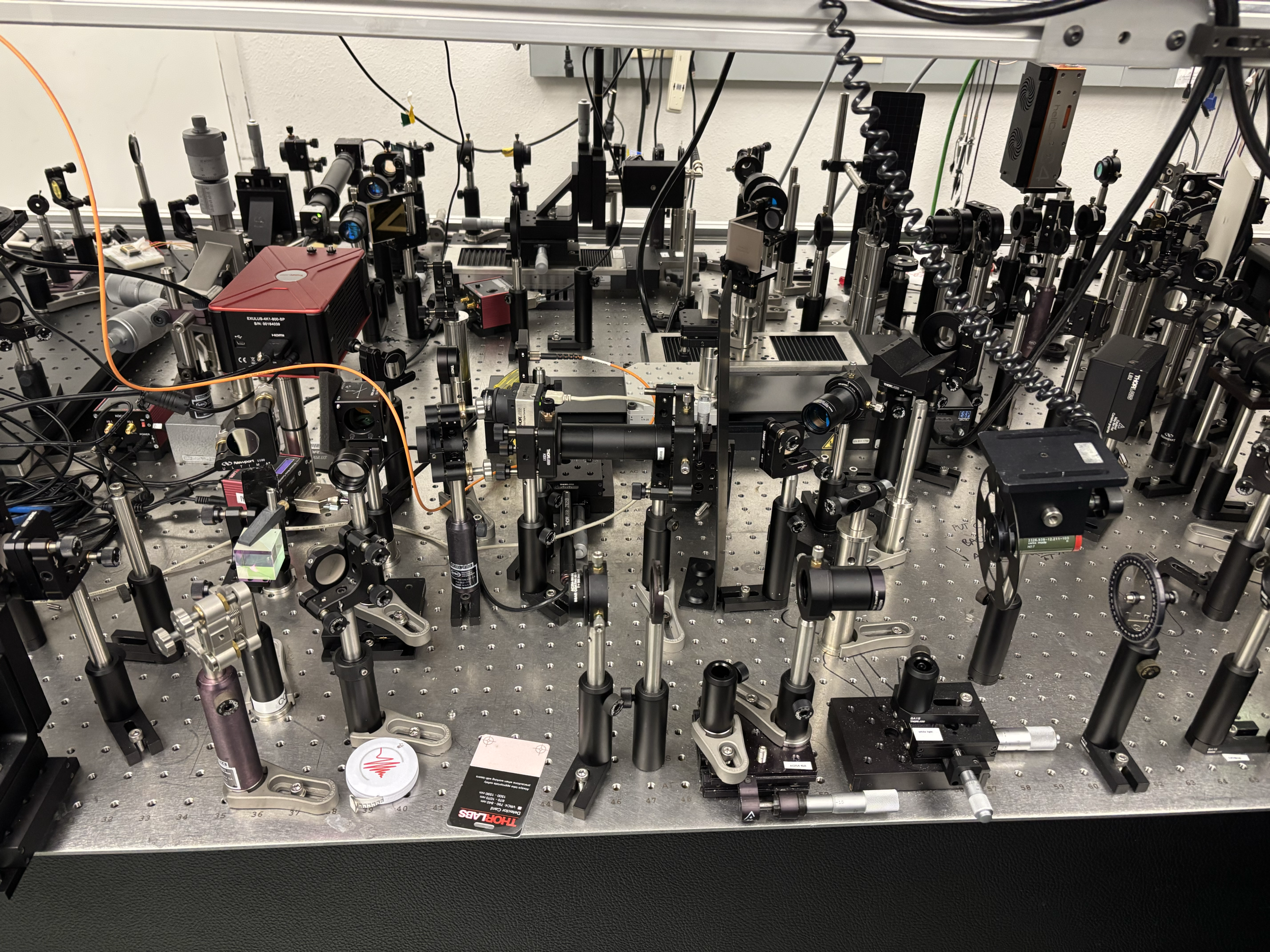
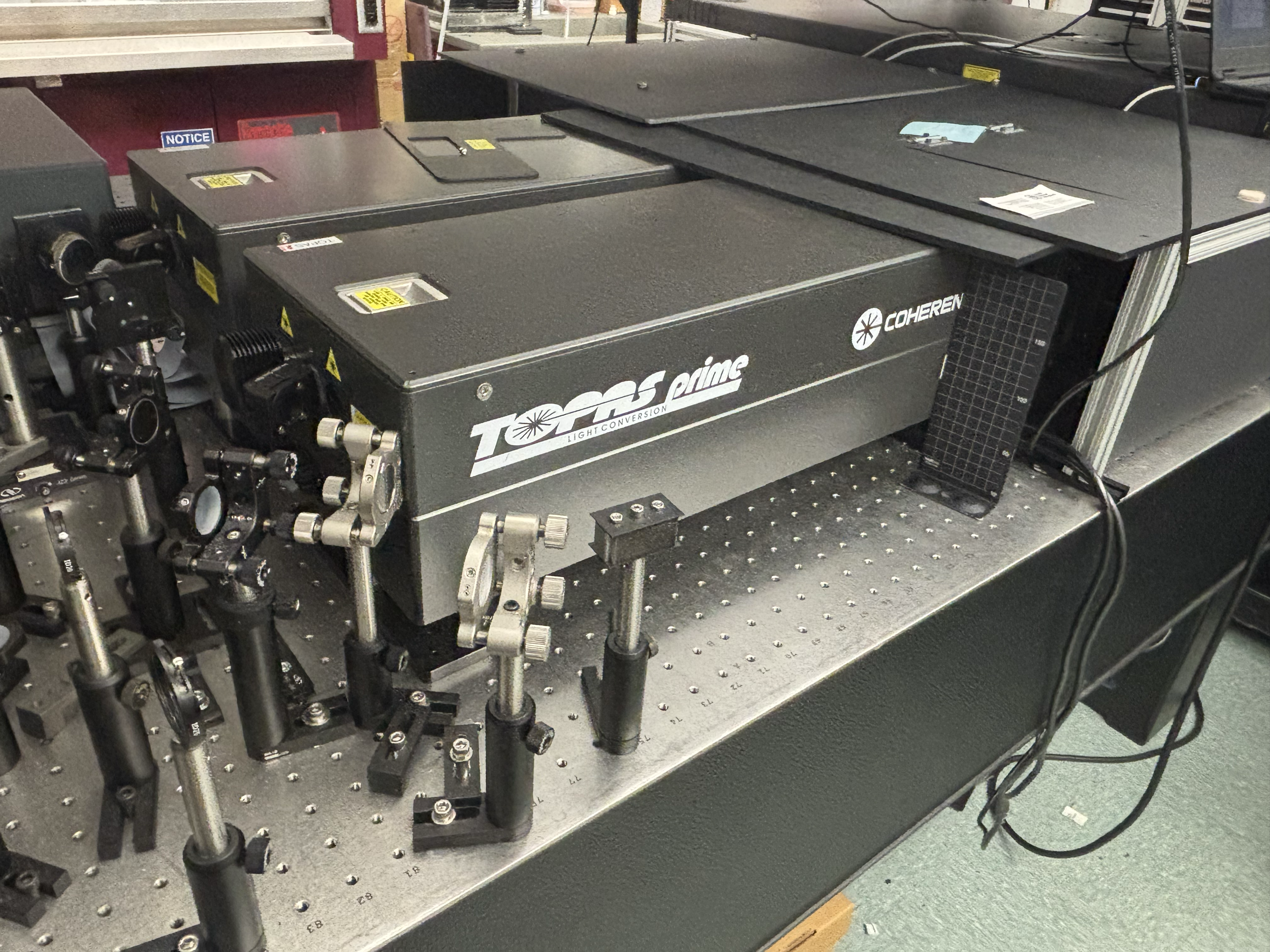
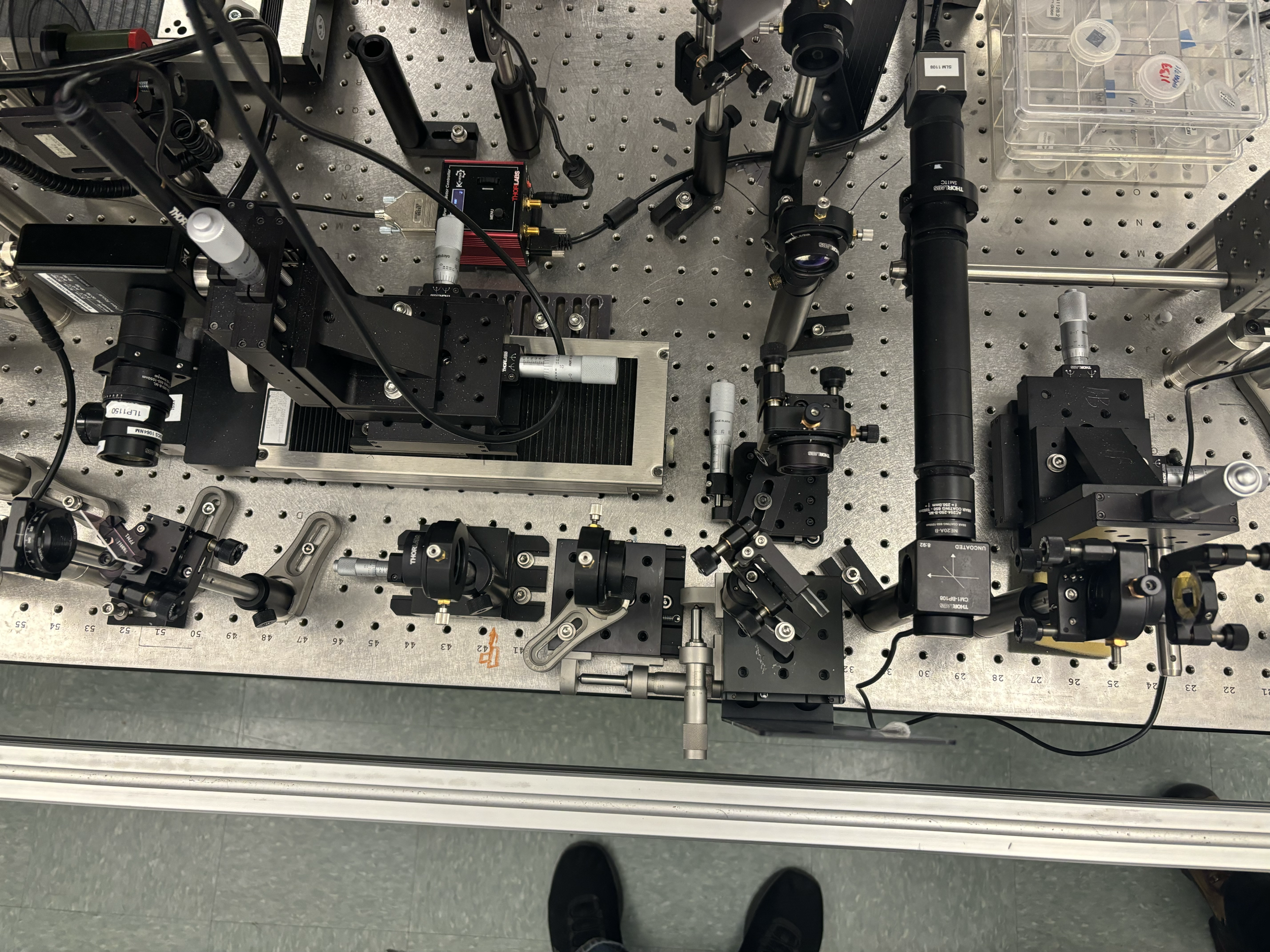
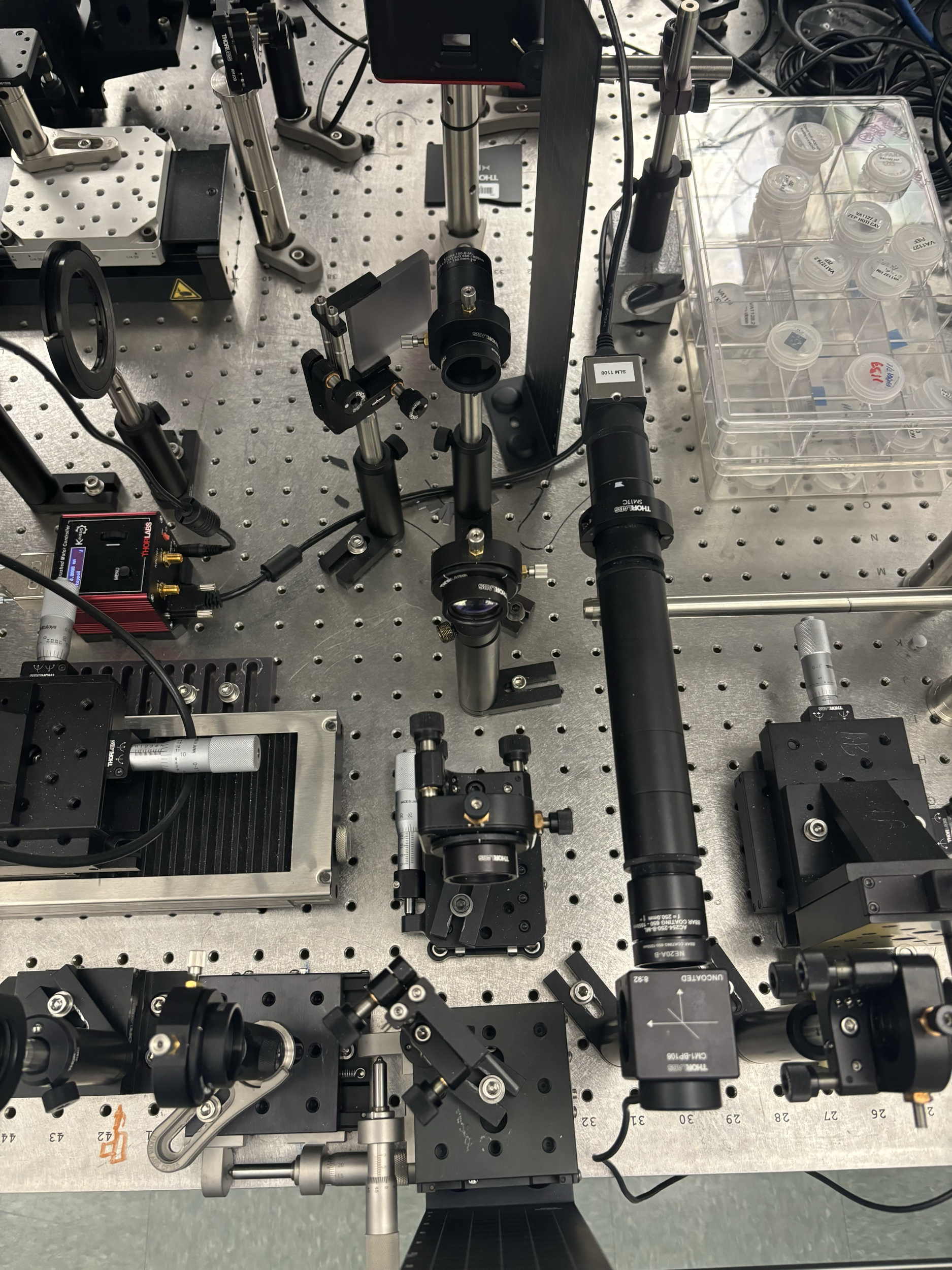
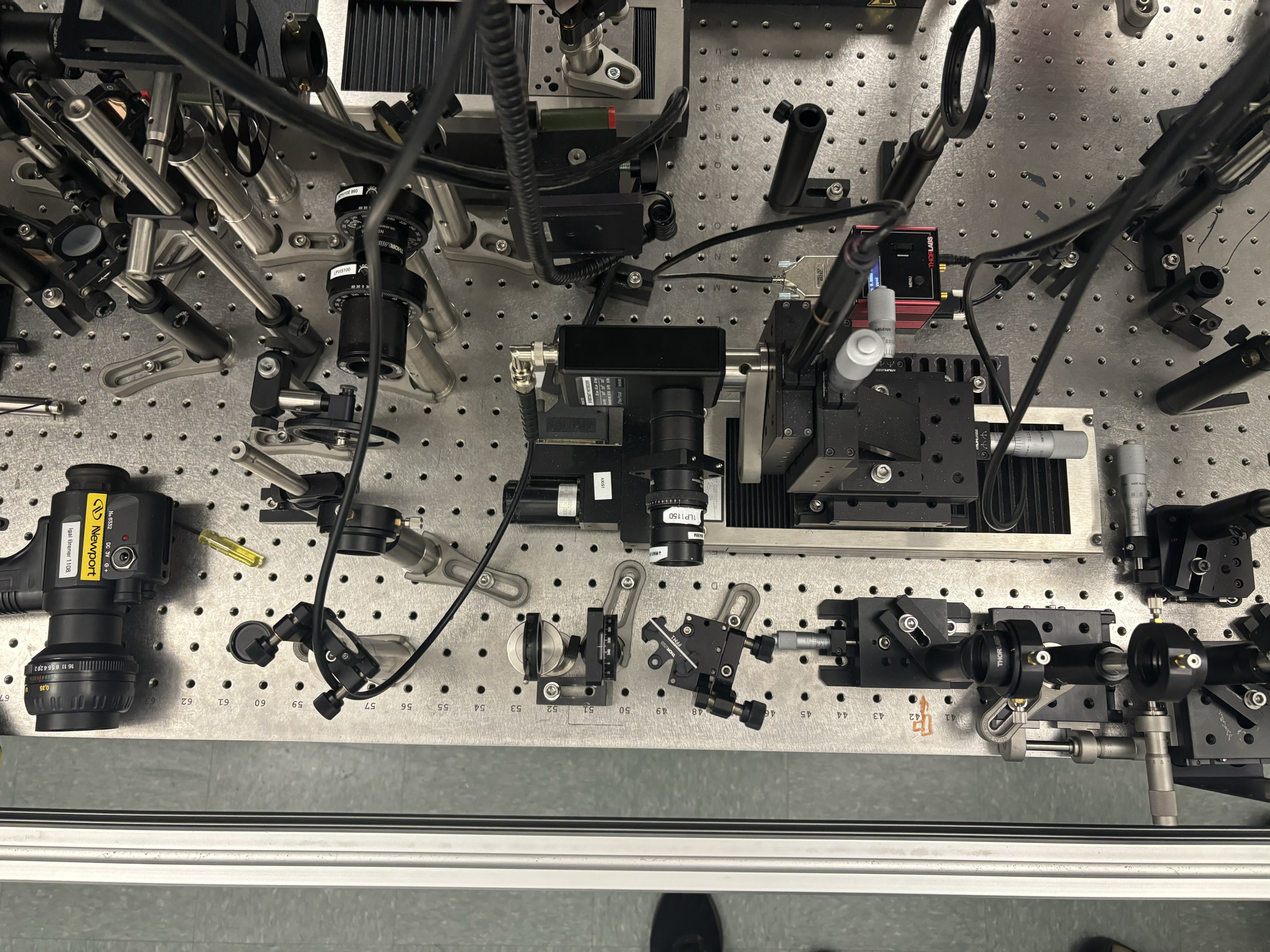
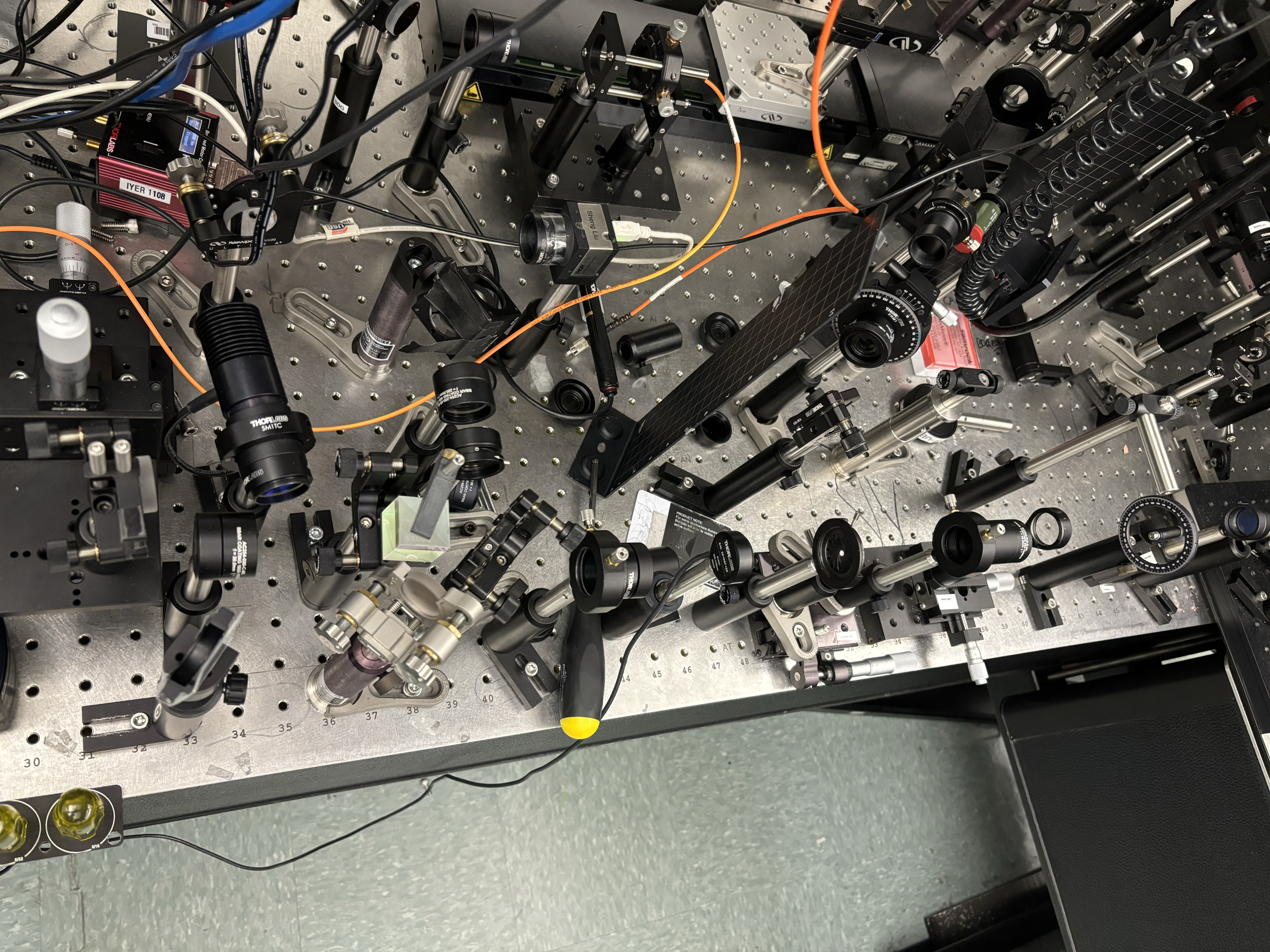
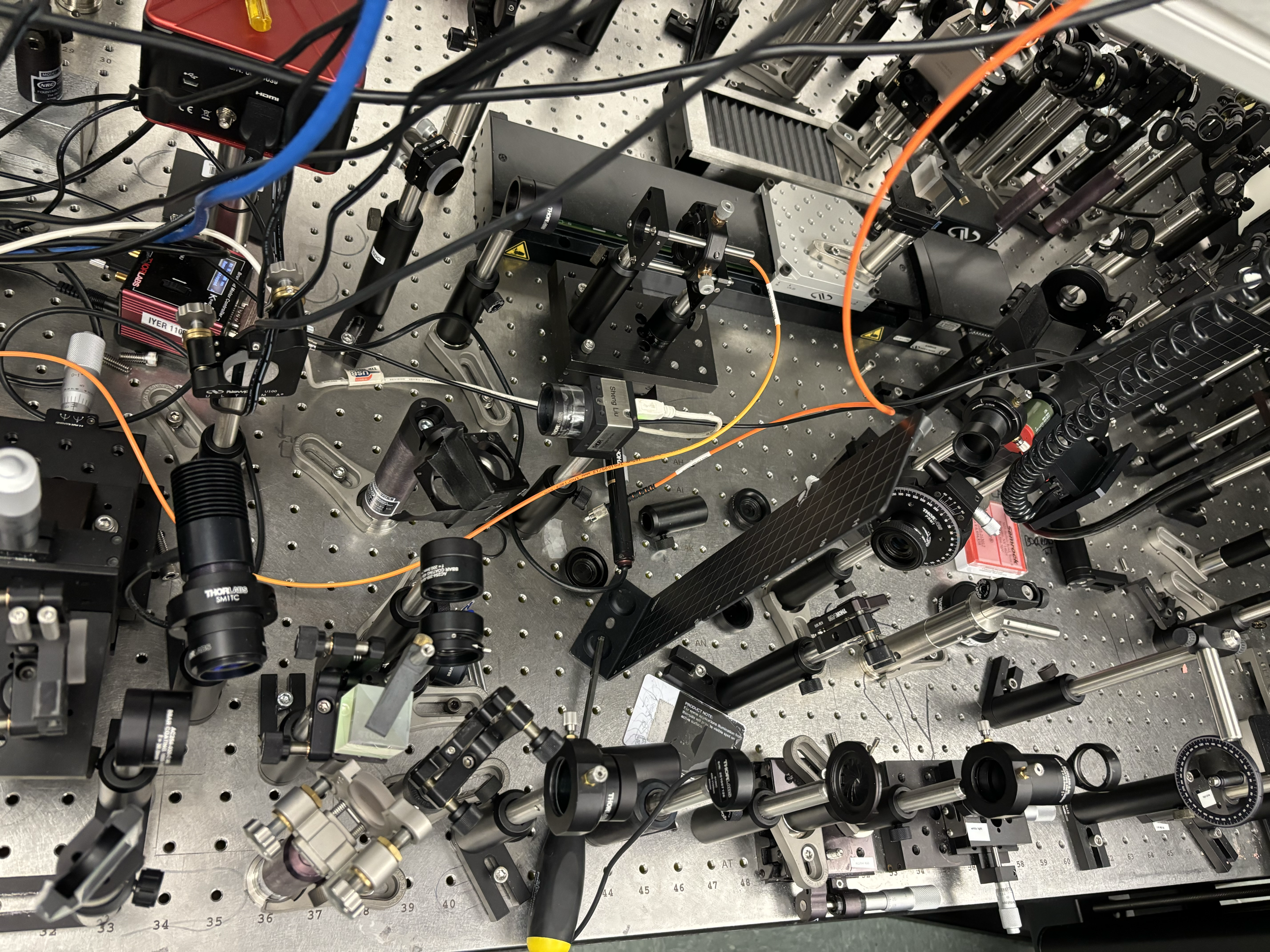
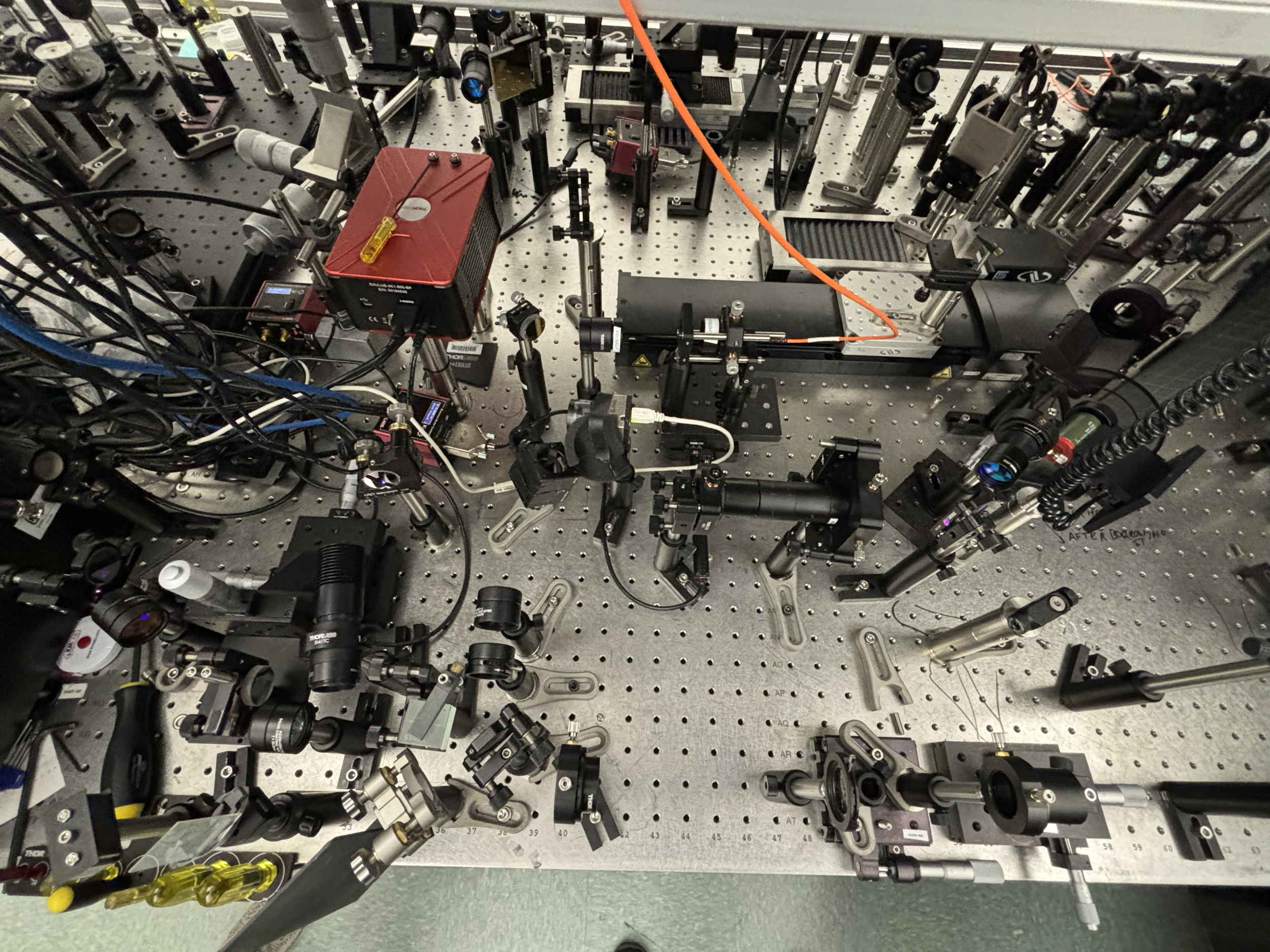
The ultrafast self‑driving lab (SDL) combines femtosecond lasers, programmable optics, and machine‑learning‑driven autonomy to discover and optimize ultrafast light–matter interactions. This platform enables closed-loop discovery by integrating hypothesis generation, experiment selection, data acquisition, and interpretable model discovery.
Experimental Capabilities
Femtosecond Laser Systems and Optical Parametric Amplification
The ultrafast infrastructure centers on Ti:sapphire regenerative amplifiers delivering sub-100 fs pulses with mJ-level energies at kHz repetition rates. Optical parametric amplifiers extend wavelength coverage from UV to mid-infrared. Computer-controlled delay stages provide sub-femtosecond temporal resolution for pump-probe experiments, while beam-shaping optics ensure precise spatial and temporal control.
Programmable Ultrafast Beam Steering and Shaping
Spatial light modulators integrated with ultrafast beam paths enable real-time programming of wavefront amplitude and phase profiles. Multi-stage telescopic beam conditioning matches SLM apertures to sample dimensions. High-speed beam steering capabilities support automated sample scanning and angle-resolved measurements across large parameter spaces.
Time-Resolved Spectroscopy and Momentum-Space Imaging
Our detection suite combines high-resolution spectrometers with sensitive InGaAs cameras for time-resolved photoluminescence and reflectance measurements. Back-focal-plane imaging systems map momentum-space distributions with sub-degree angular resolution. Lock-in detection with dual-frequency chopping enables extraction of ultrafast signals with shot-noise-limited sensitivity.
Machine Learning-Driven Autonomous Operation
The self-driving laboratory framework integrates automated sample handling, measurement protocols, and data analysis through machine learning algorithms. Closed-loop optimization automatically explores parameter spaces to identify optimal conditions for desired optical responses. Real-time data processing and model inference enable rapid hypothesis testing.