Sitemap
A list of all the posts and pages found on the site. For you robots out there, there is an XML version available for digesting as well.
Pages
Posts
Future Blog Post
Published:
This post will show up by default. To disable scheduling of future posts, edit config.yml and set future: false.
Blog Post number 4
Published:
This is a sample blog post. Lorem ipsum I can’t remember the rest of lorem ipsum and don’t have an internet connection right now. Testing testing testing this blog post. Blog posts are cool.
Blog Post number 3
Published:
This is a sample blog post. Lorem ipsum I can’t remember the rest of lorem ipsum and don’t have an internet connection right now. Testing testing testing this blog post. Blog posts are cool.
Blog Post number 2
Published:
This is a sample blog post. Lorem ipsum I can’t remember the rest of lorem ipsum and don’t have an internet connection right now. Testing testing testing this blog post. Blog posts are cool.
Blog Post number 1
Published:
This is a sample blog post. Lorem ipsum I can’t remember the rest of lorem ipsum and don’t have an internet connection right now. Testing testing testing this blog post. Blog posts are cool.
lab_capabilities
Liquid Crystal Meta-optics
Published:
Liquid-crystal (LC) metasurfaces enable electronically programmable phase profiles for beam steering and programmable optics. We utilize patented technologies—including cross-backplane reflector designs [US 11,429,008], sealed LC packaging [US 11,487,183], and extended-depth dielectric cavities [US 11,914,266]—to implement compact meta‑optic platforms with large phase modulation and scalable electrical addressing.
Photonic Ising Machine
Published:
Liquid-crystal spatial light modulators (LC-SLMs) and Fourier-optical relays enable electronically programmable phase lattices for large-scale spin encoding and optical energy evaluation. We implement a compact photonic Ising machine (PIM) utilizing free-space 4f platforms to support binary or multi-level phase spins, programmable input amplitudes, and precise Fourier-plane detection.
Quantum Photonics
Published:
The quantum photonics platform integrates semiconductor quantum emitters with nanophotonic structures for controlled light-matter interactions. We develop heterogeneous integration techniques for coupling quantum dots and other emitters to metasurfaces, photonic crystals, and waveguide systems, enabling enhanced emission directionality, Purcell enhancement, and quantum light generation.
Ultrafast Self-Driving Lab
Published:
The ultrafast self‑driving lab (SDL) combines femtosecond lasers, programmable optics, and machine‑learning‑driven autonomy to discover and optimize ultrafast light–matter interactions. This platform enables closed-loop discovery by integrating hypothesis generation, experiment selection, data acquisition, and interpretable model discovery.
patents
Sidelobe suppression in metasurface devices
Published:
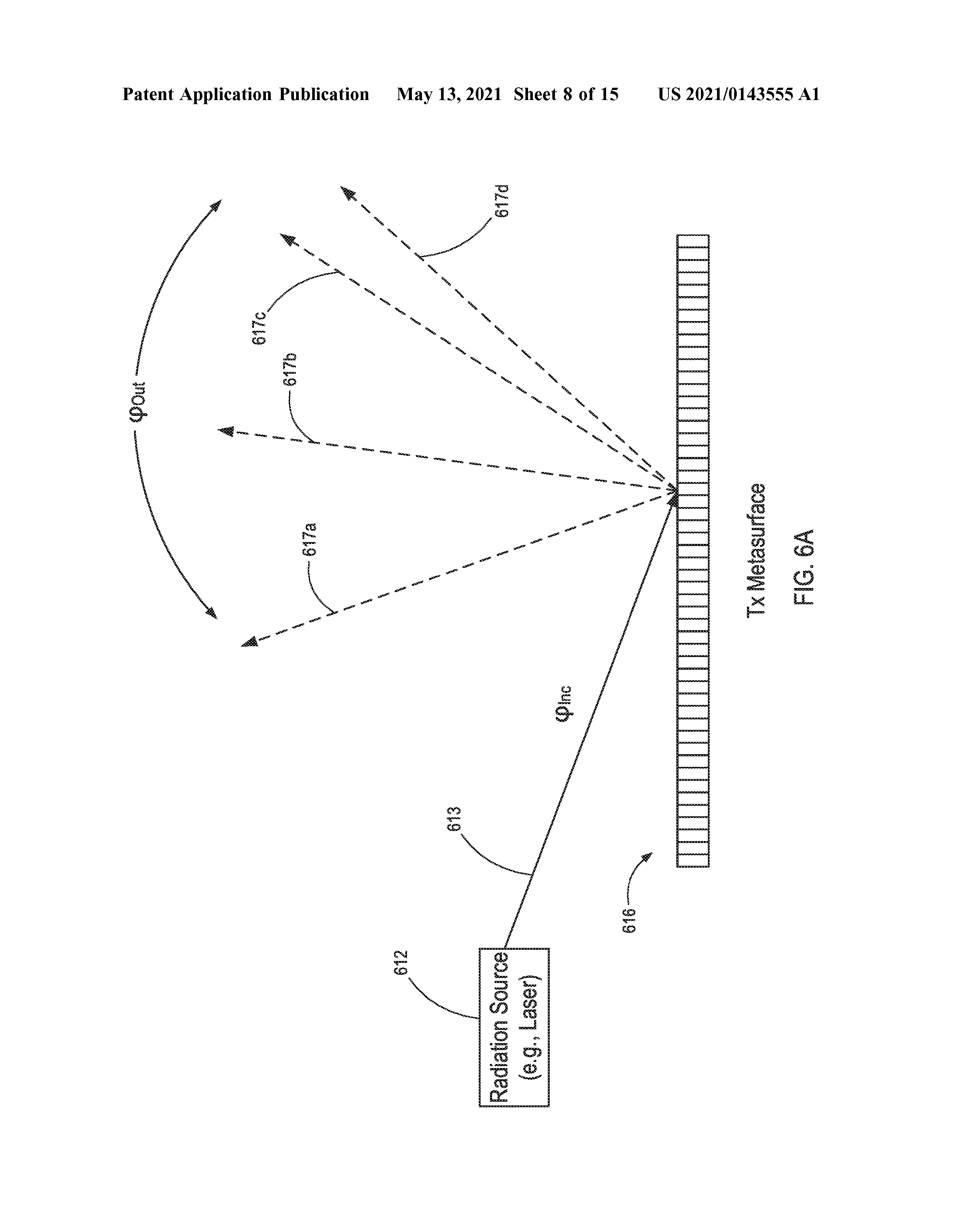
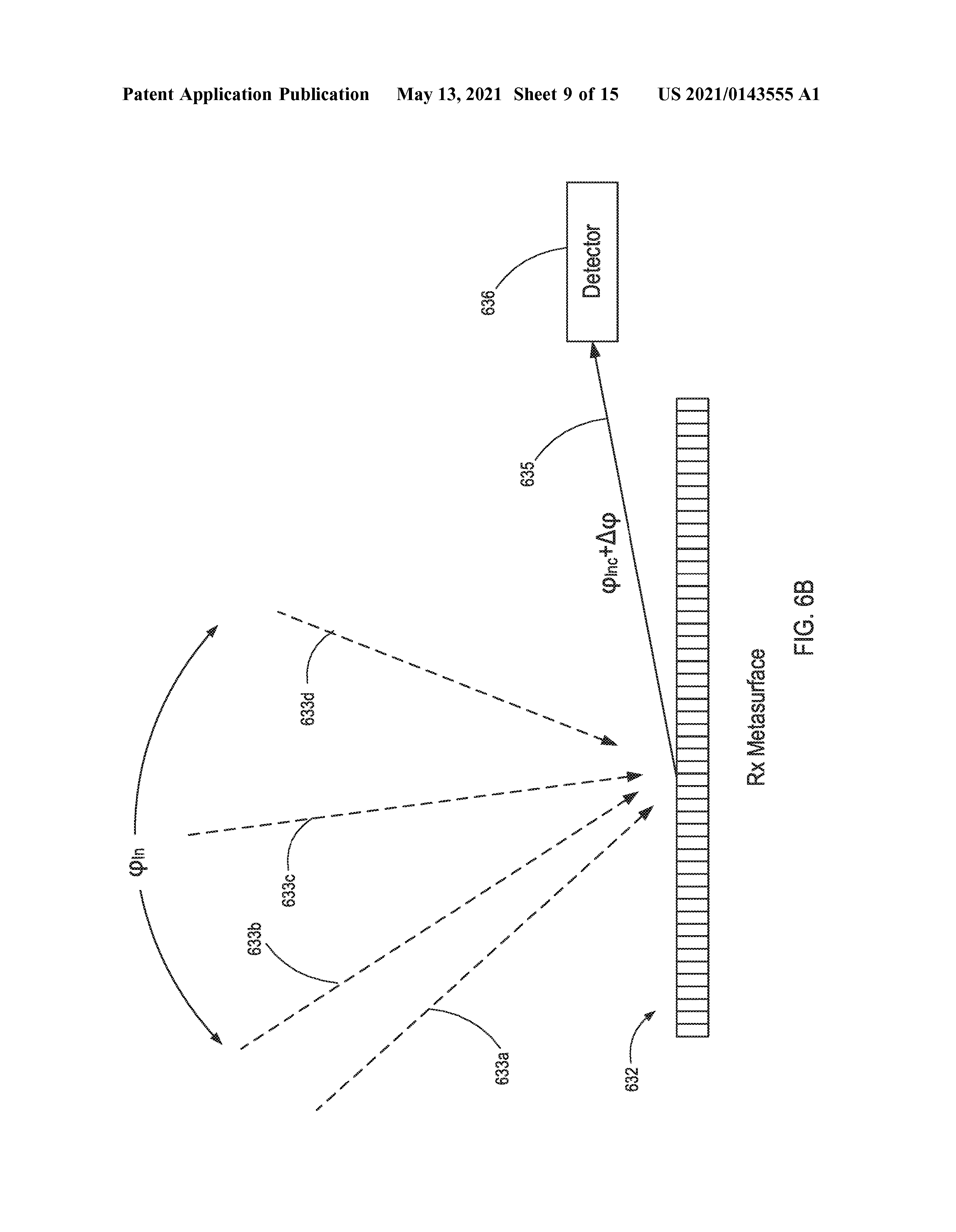
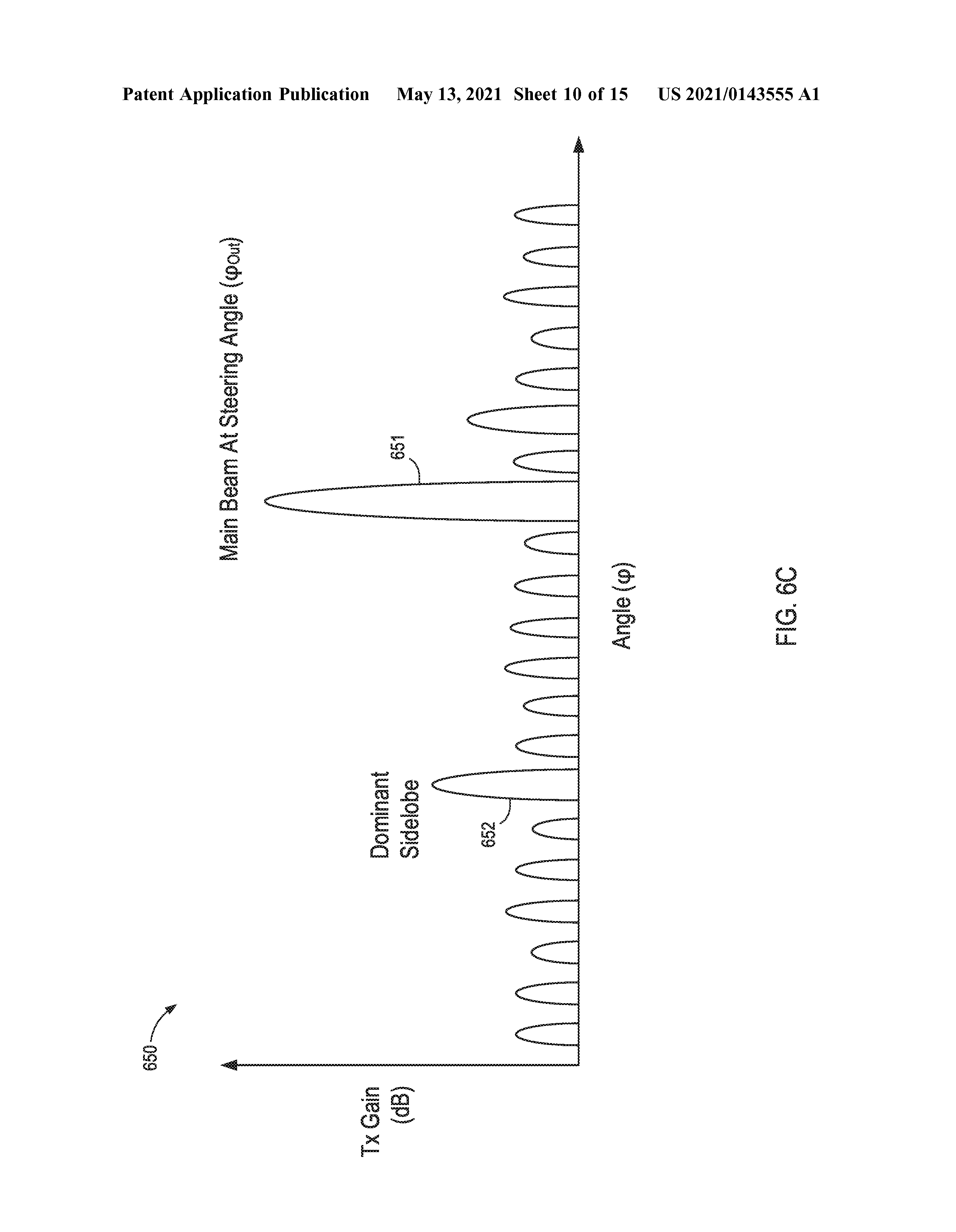
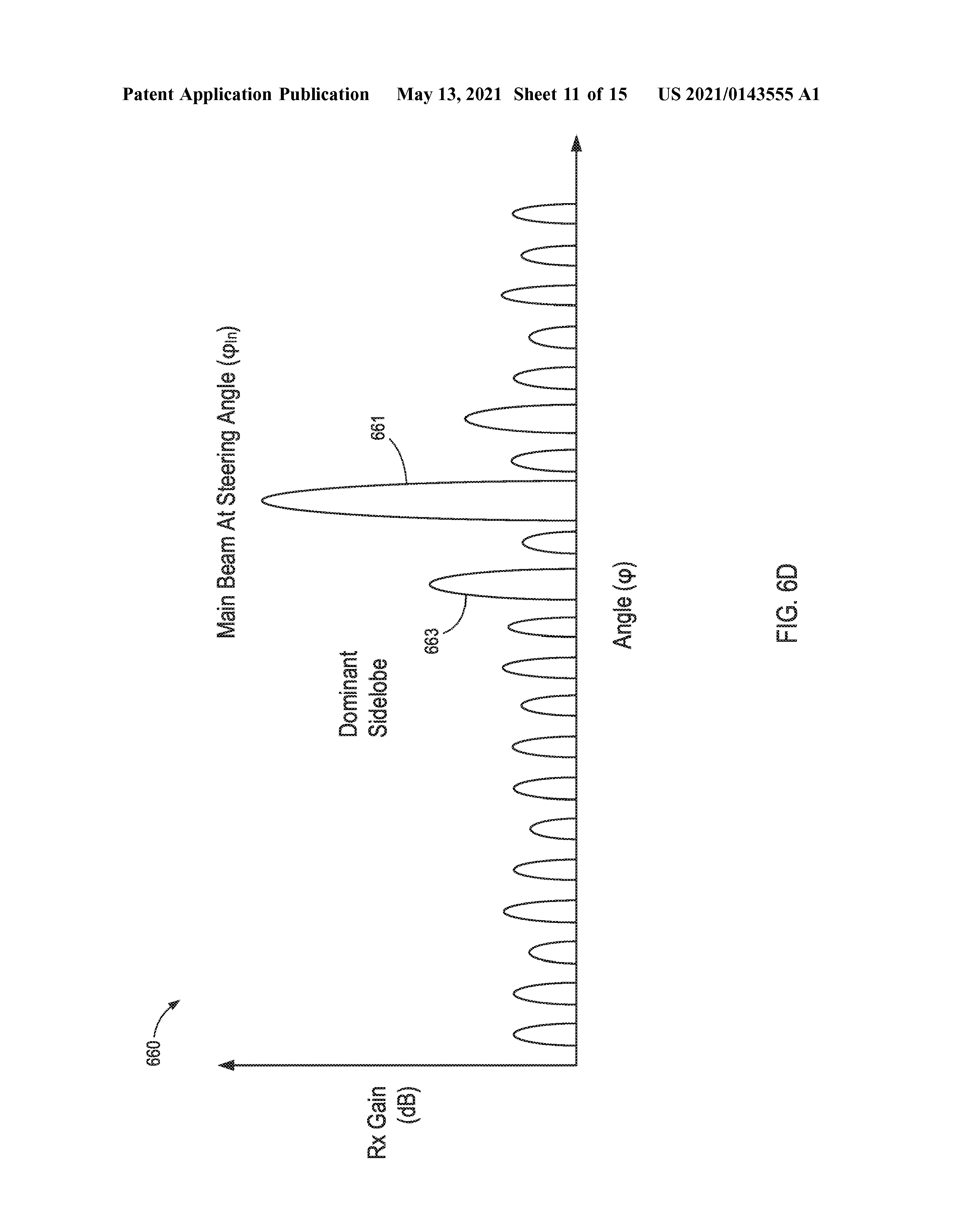
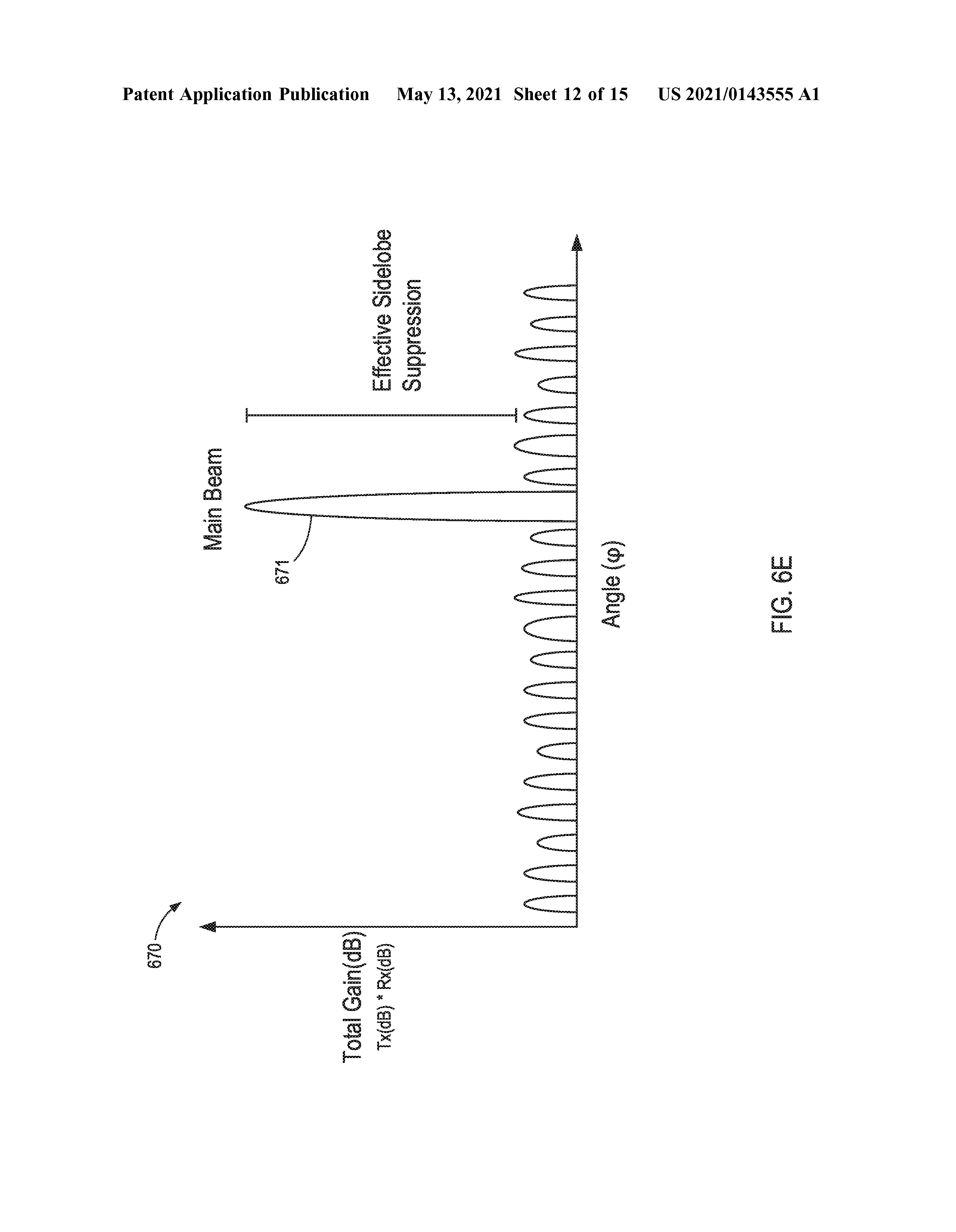
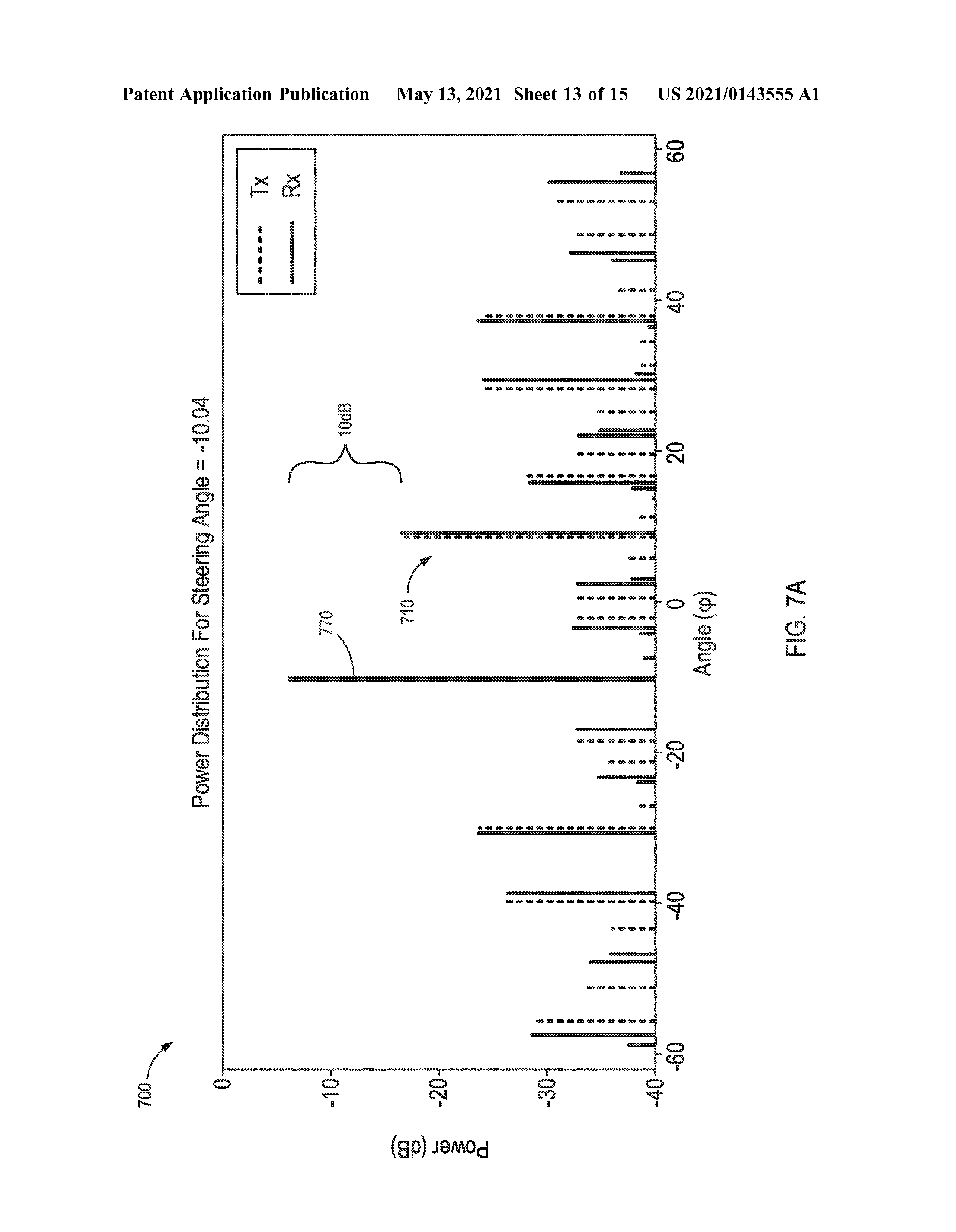
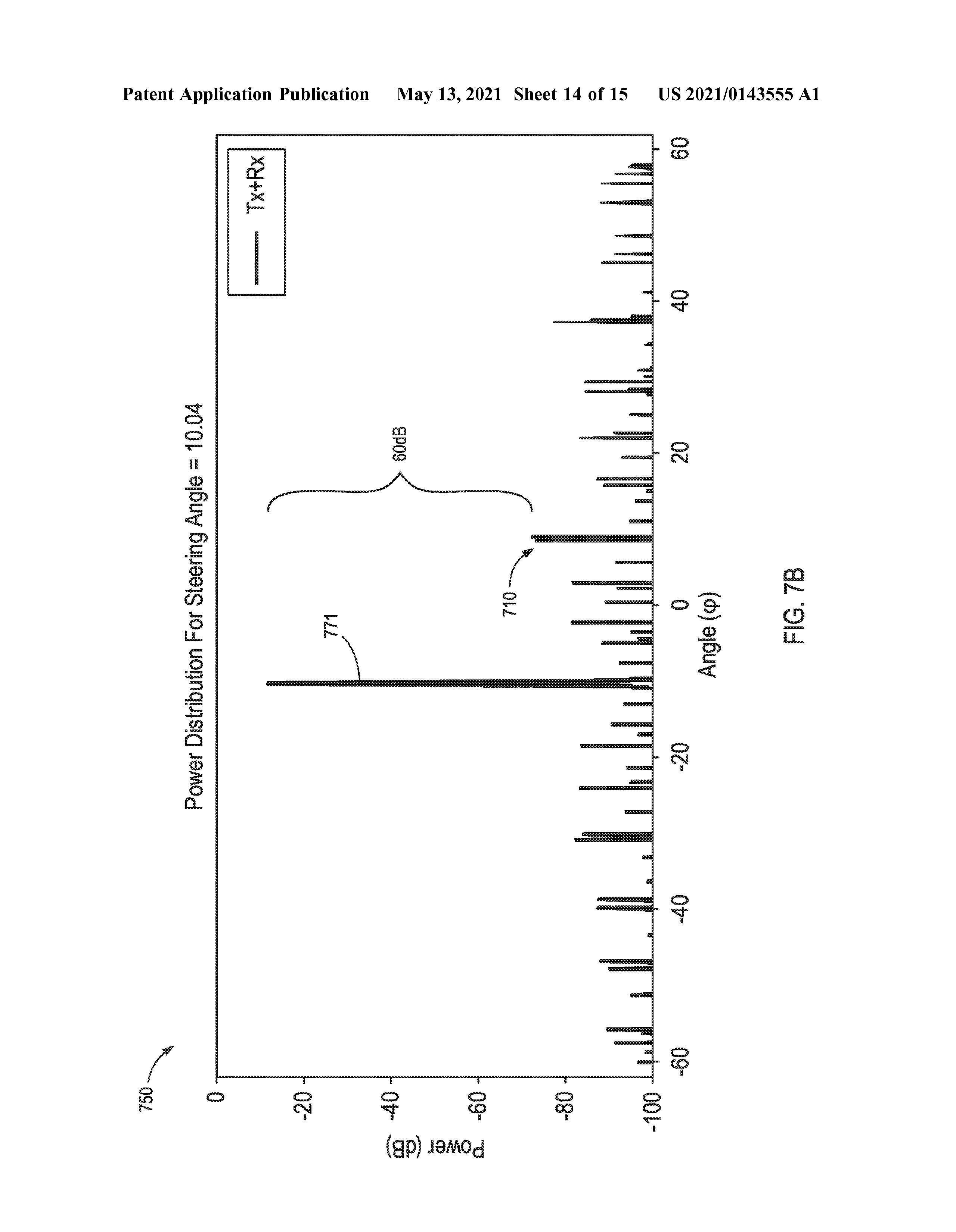
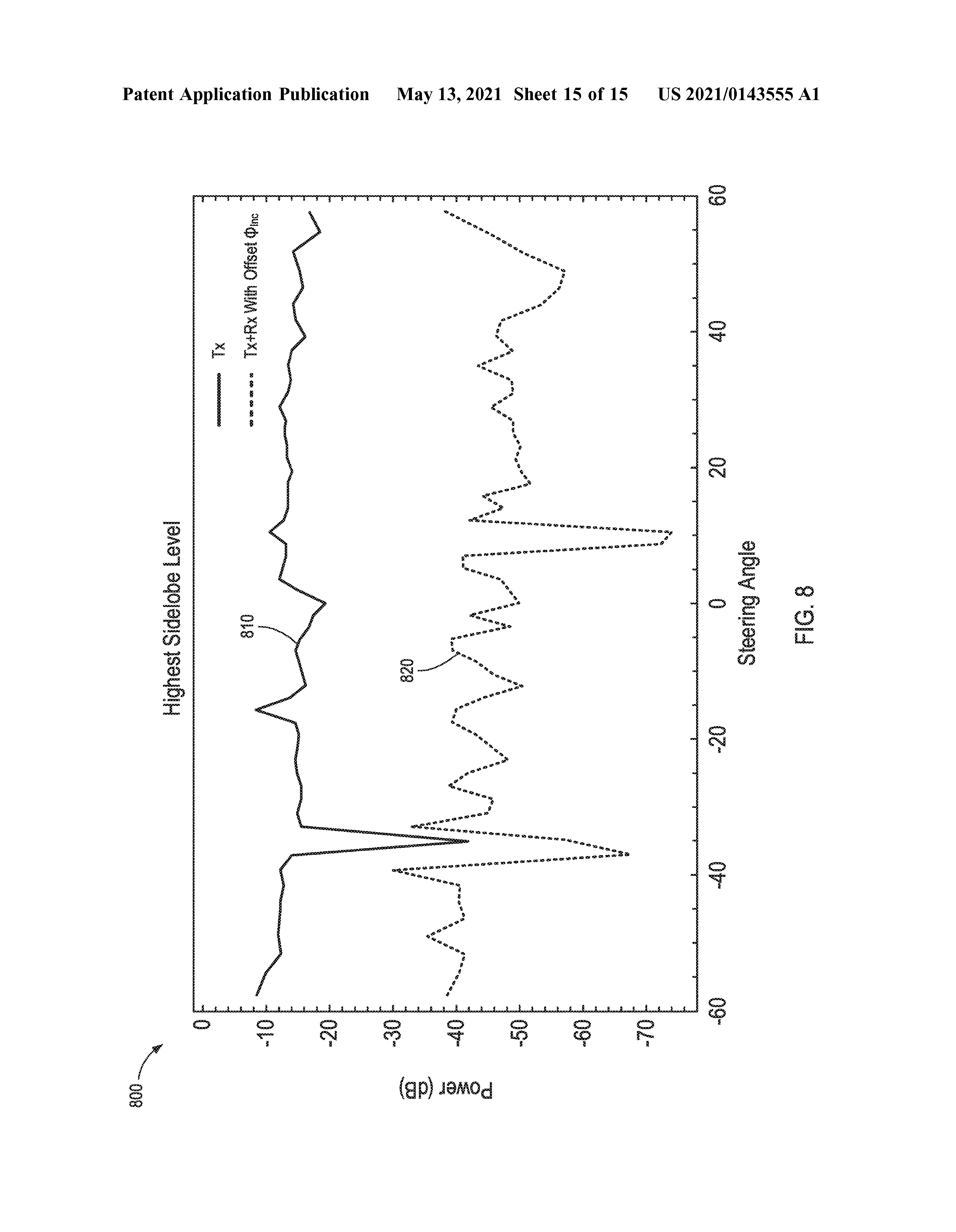
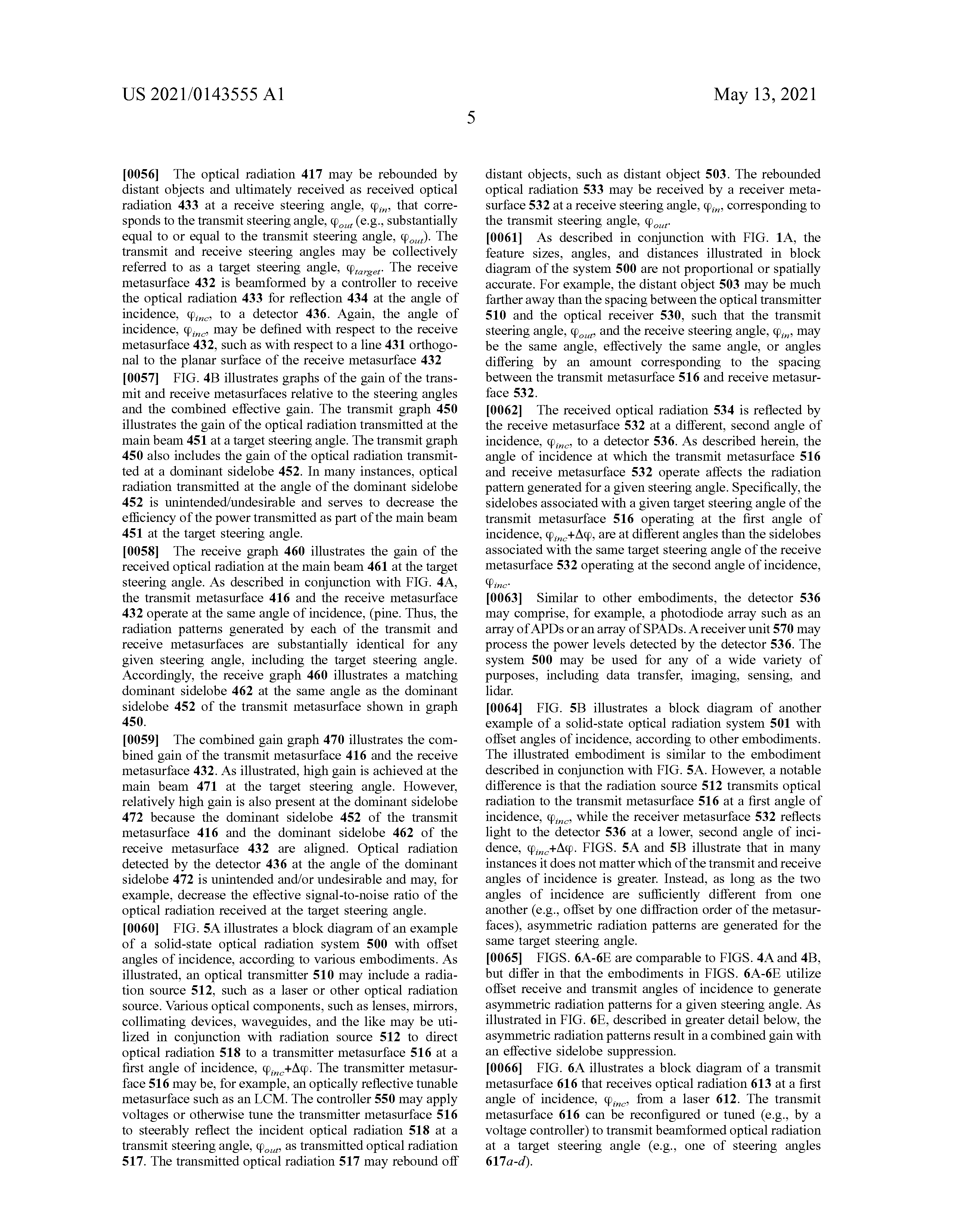
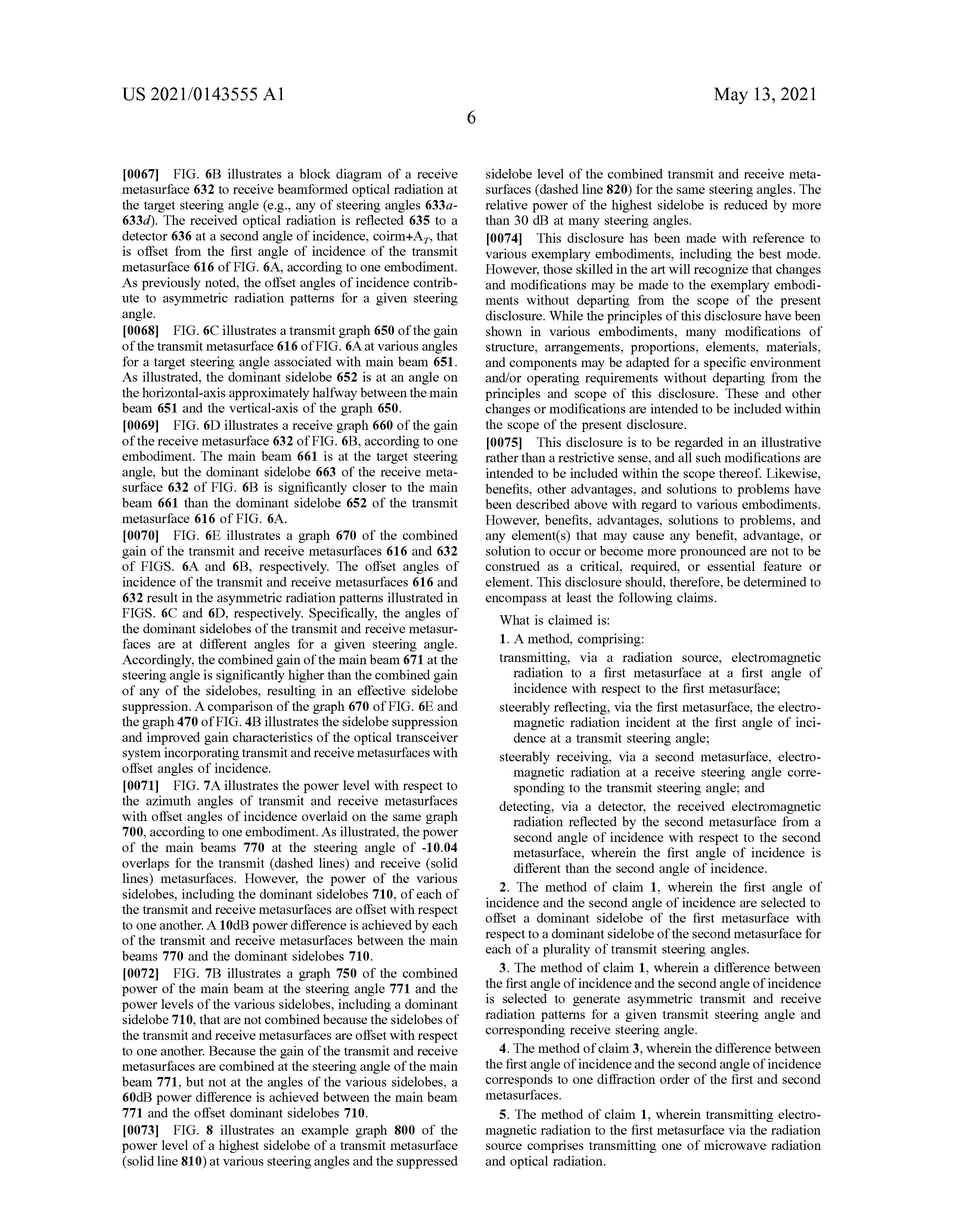
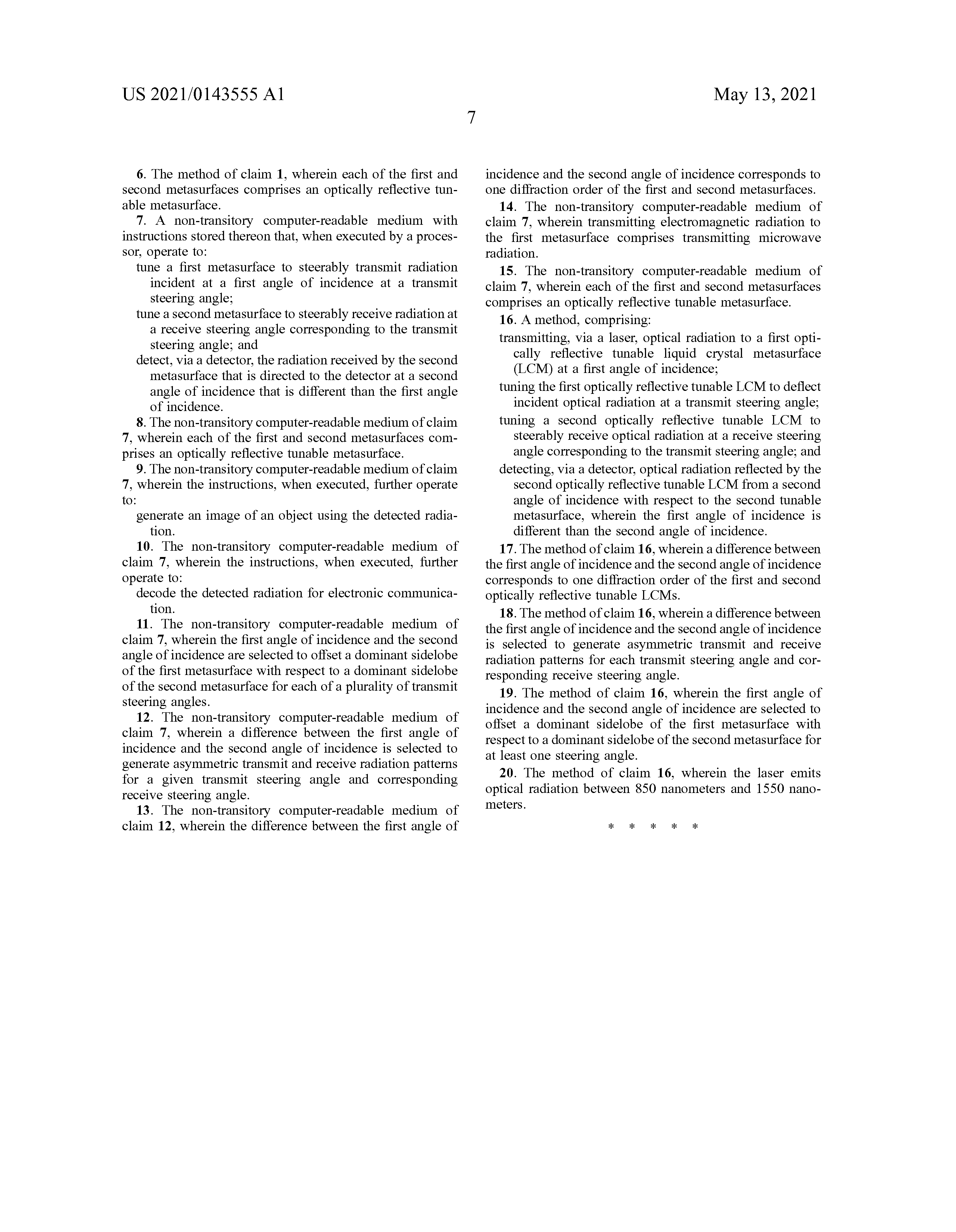
Abstract:
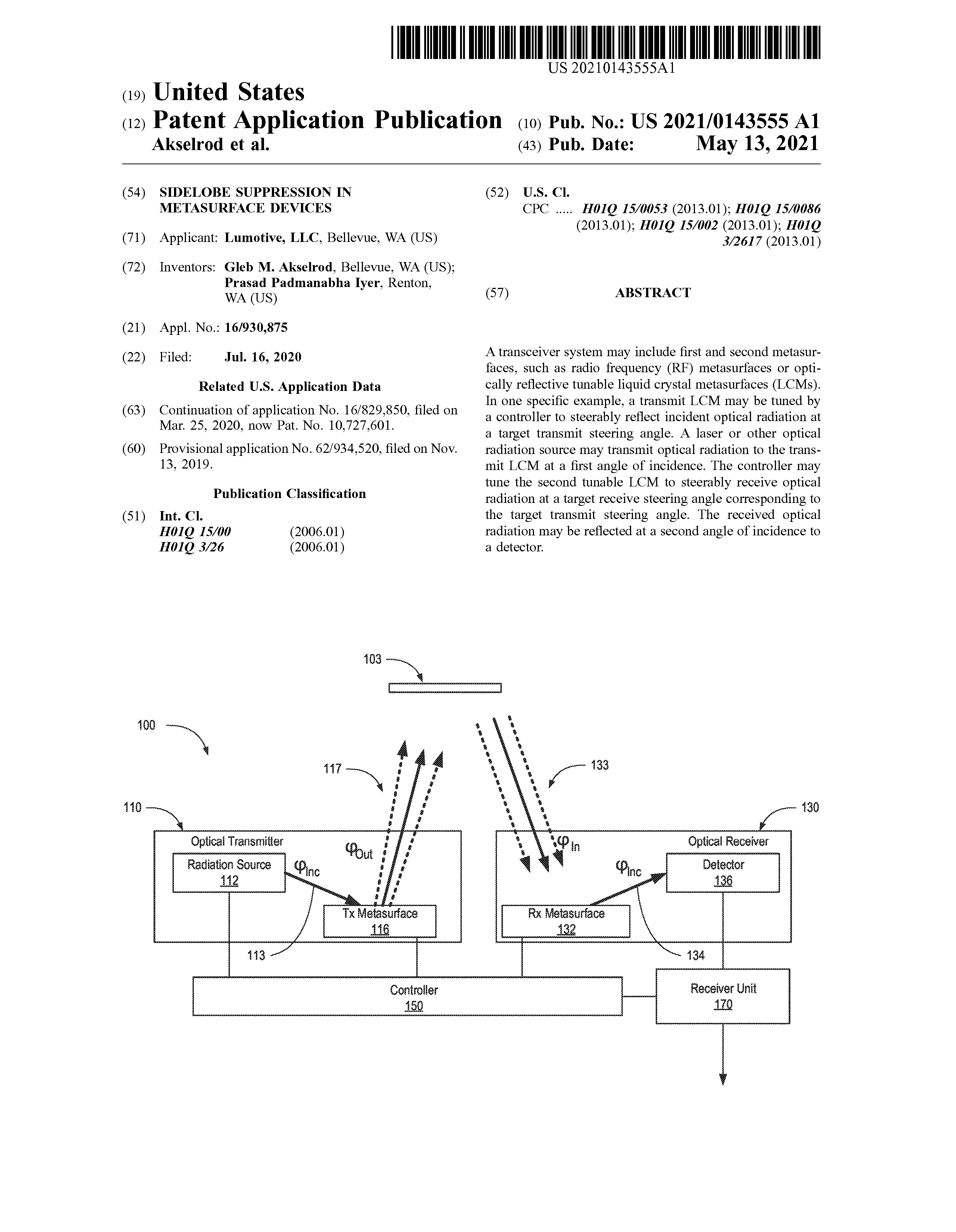
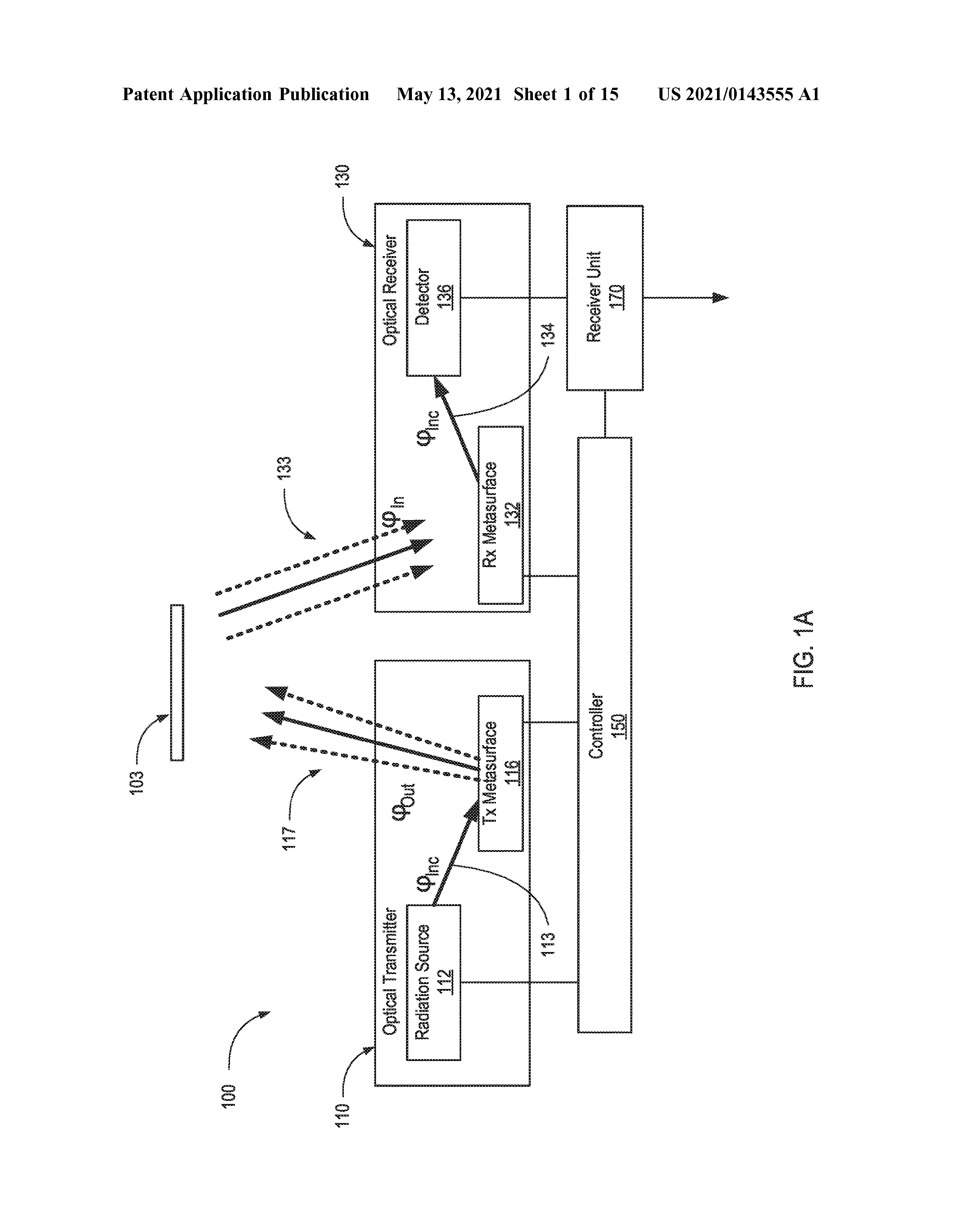
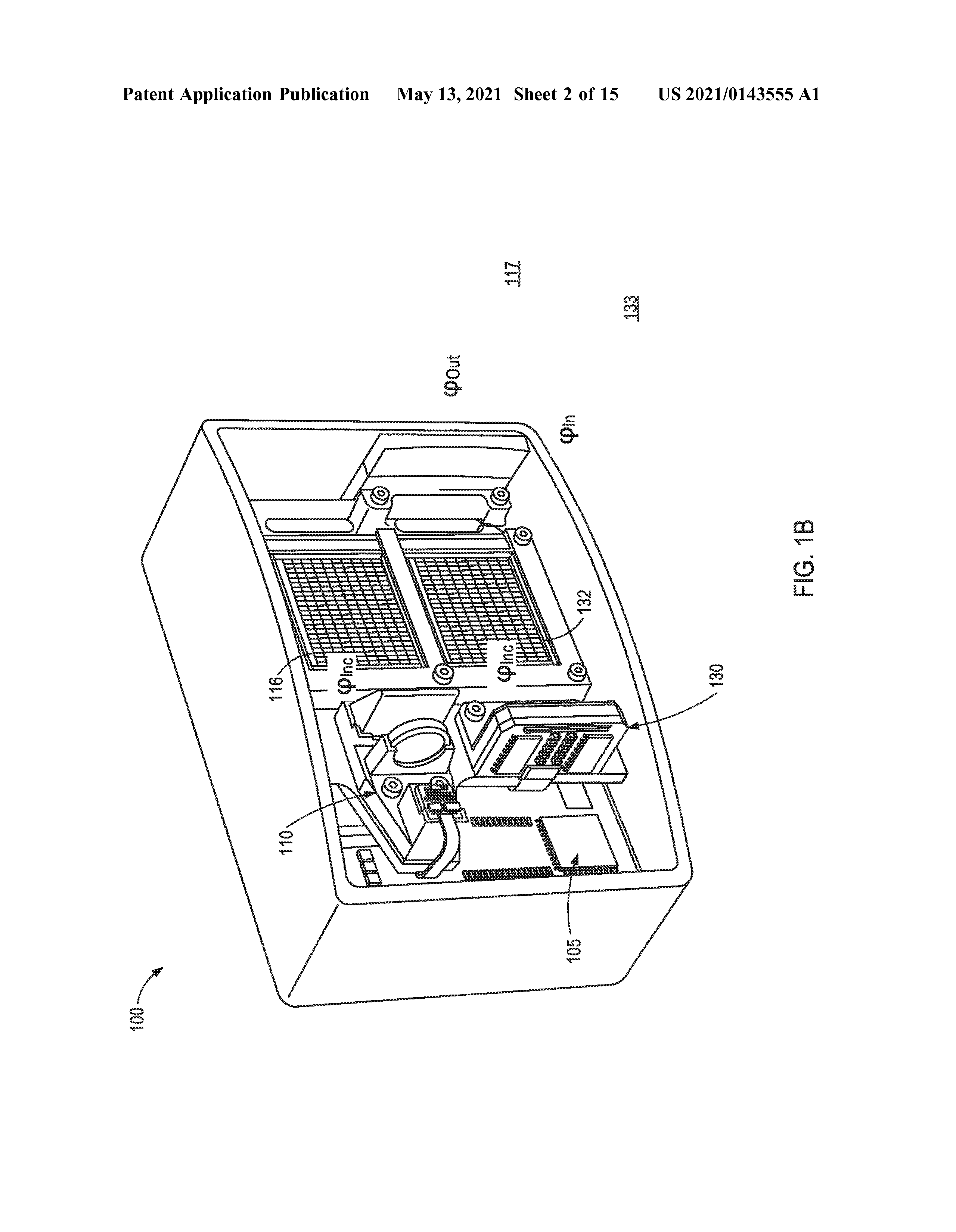
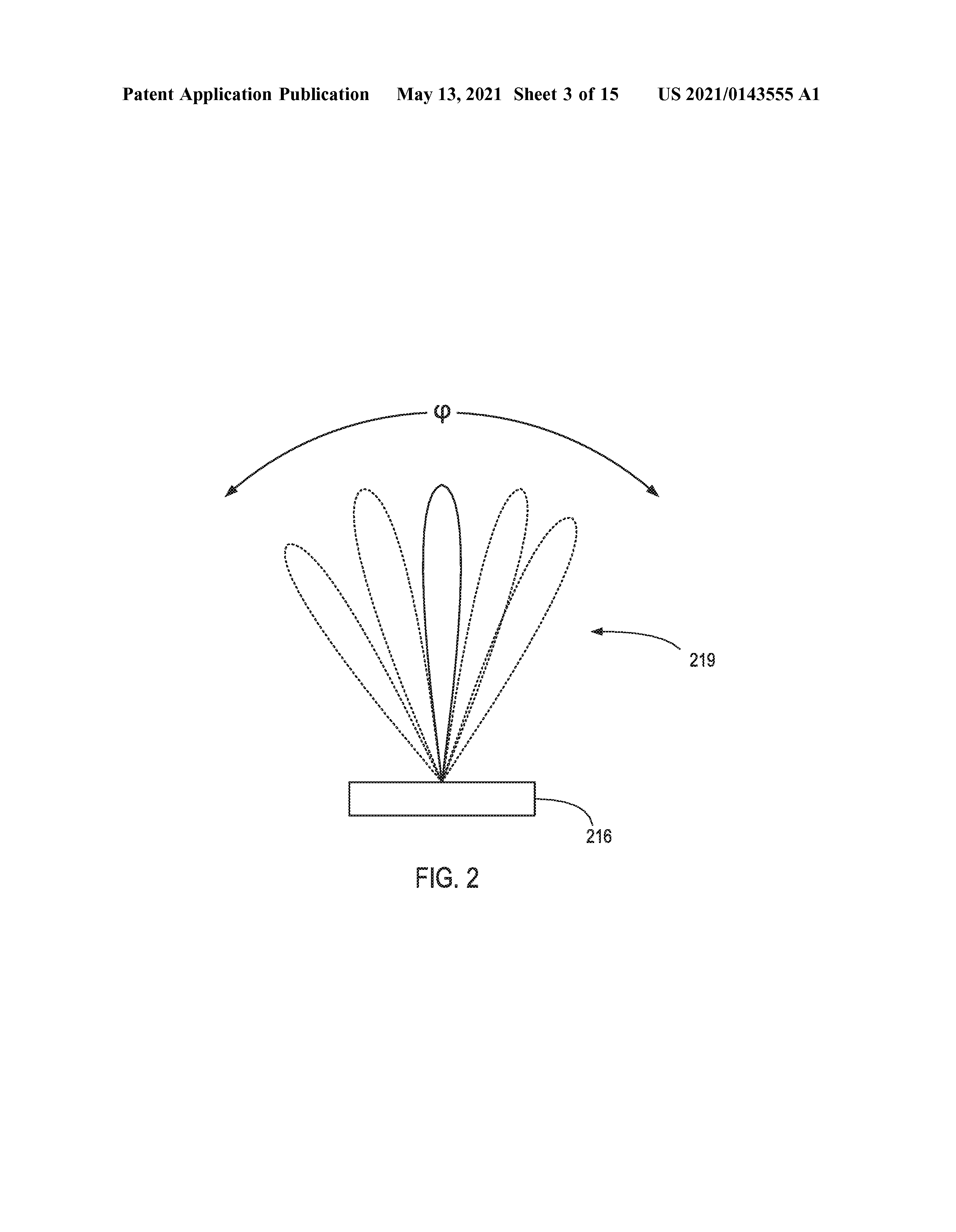
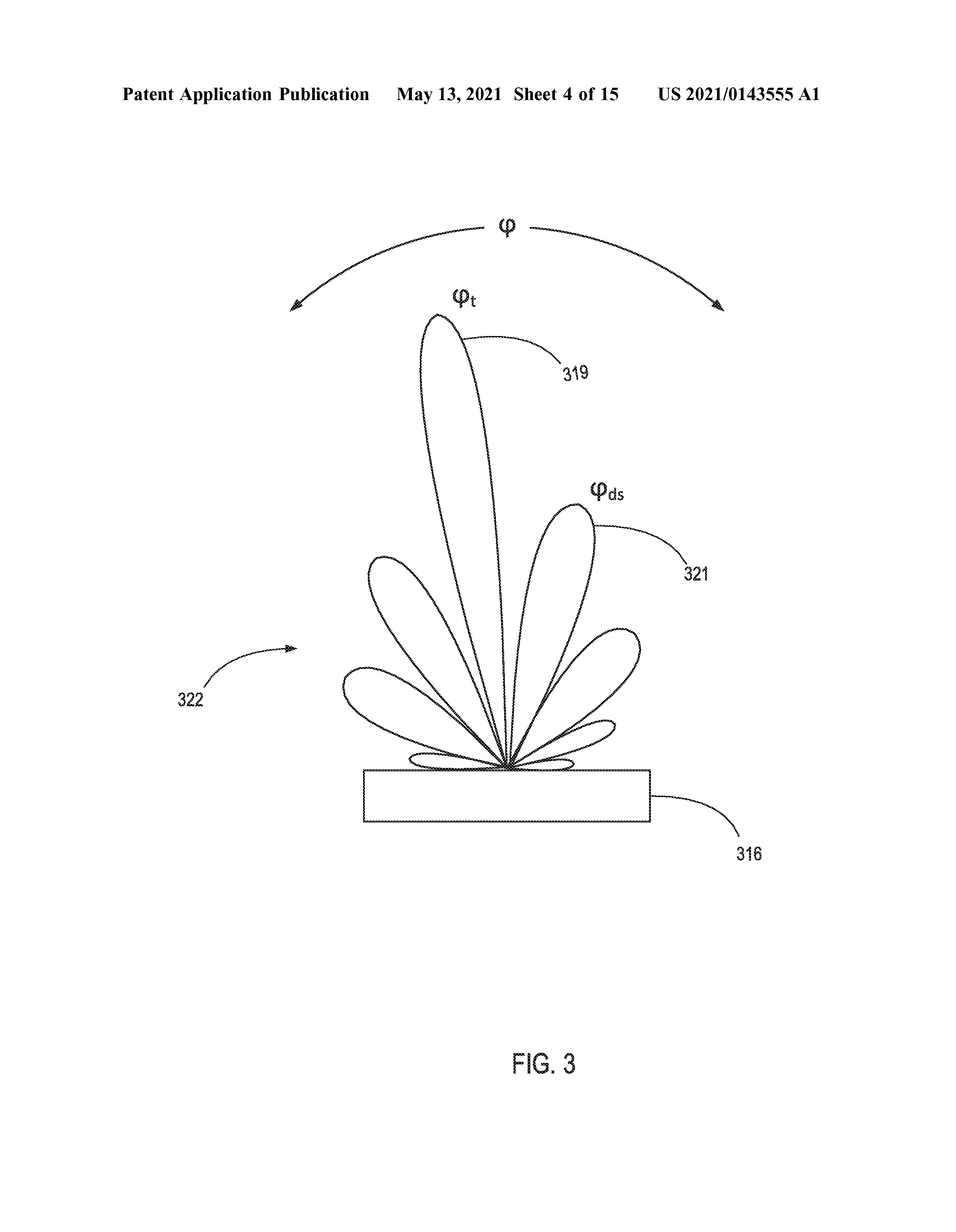
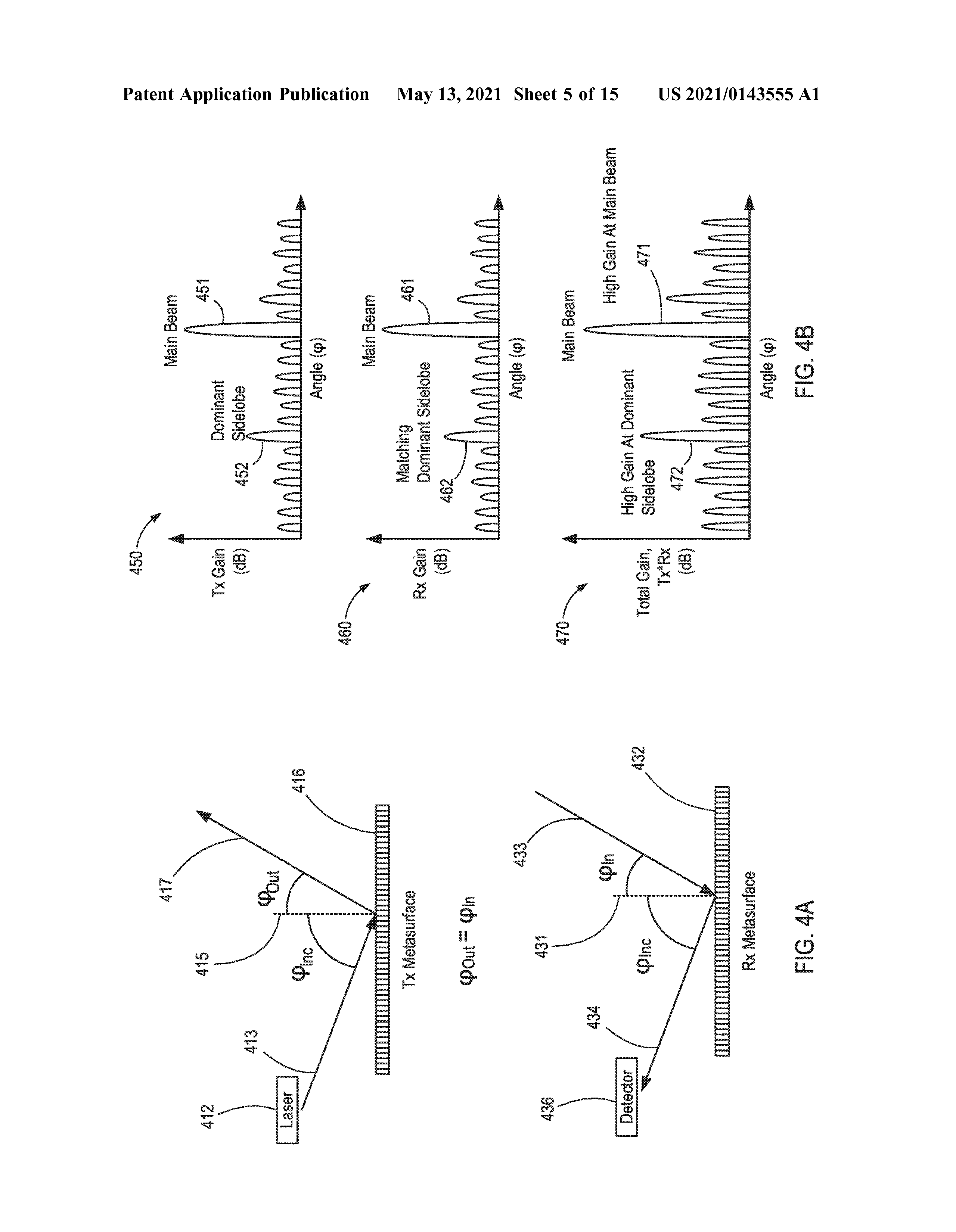
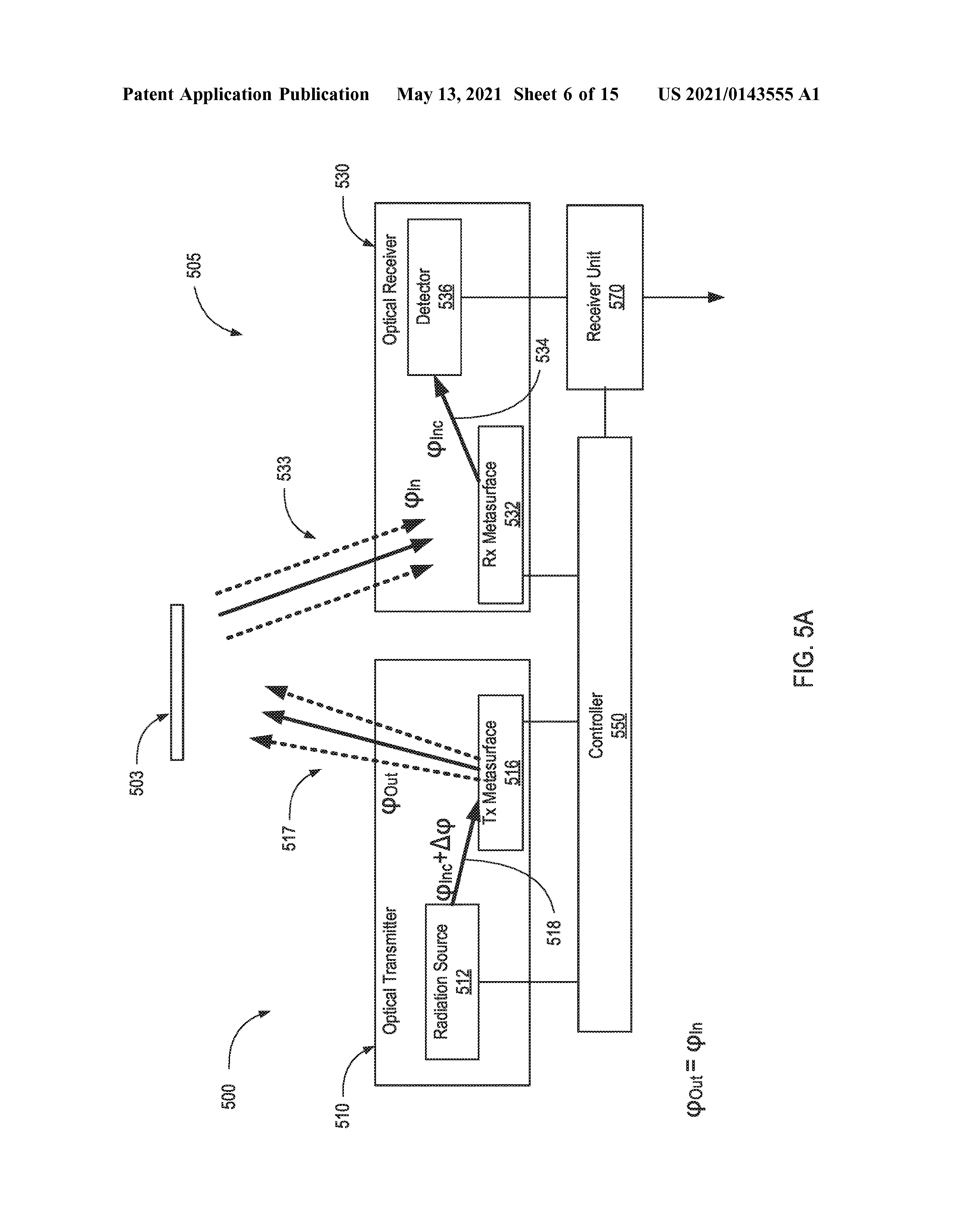
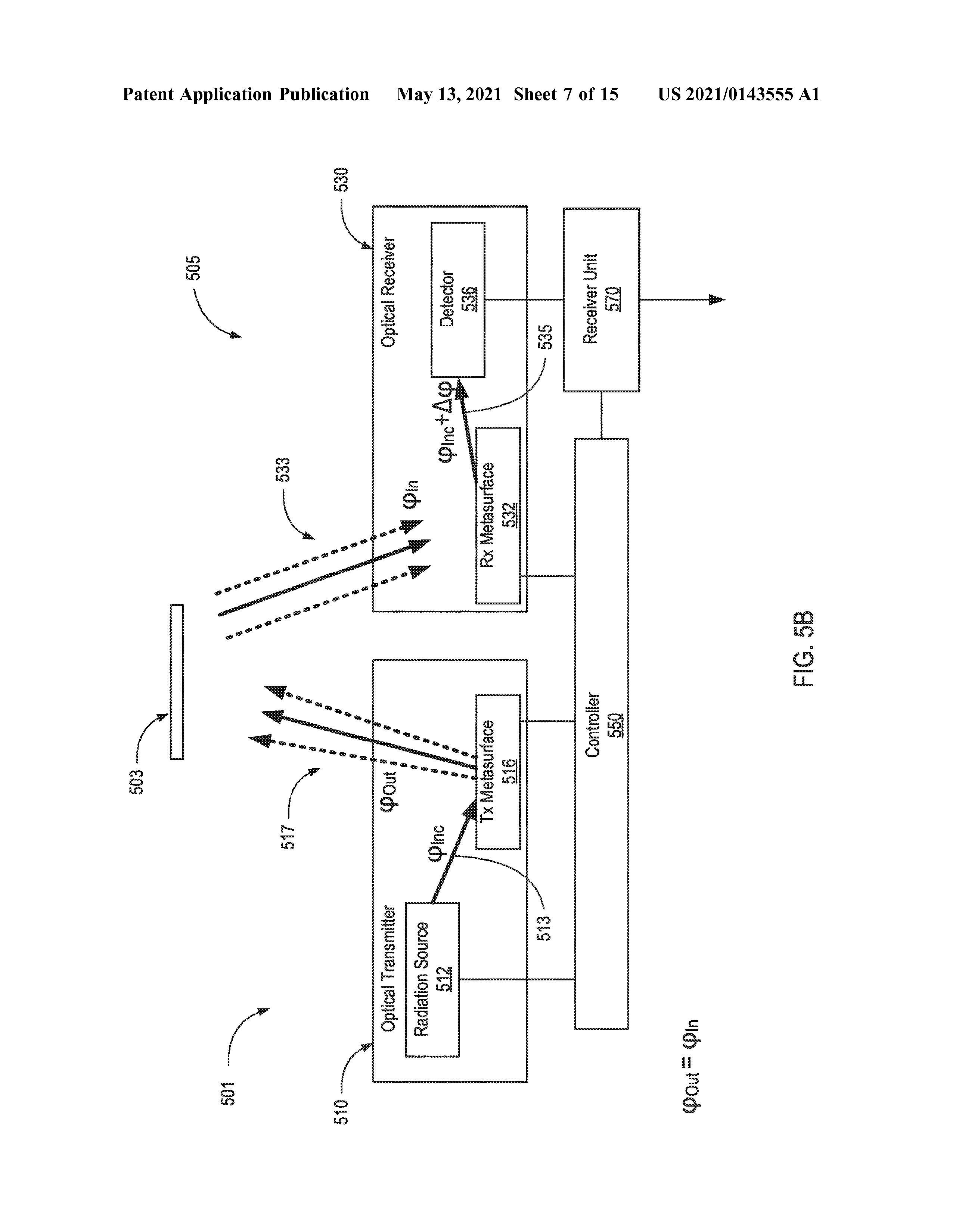
A transceiver system may include first and second metasurfaces, such as radio frequency (RF) metasurfaces or optically reflective tunable liquid crystal metasurfaces (LCMs). In one specific example, a transmit LCM may be tuned by a controller to steerably reflect incident optical radiation at a target transmit steering angle. A laser or other optical radiation source may transmit optical radiation to the transmit LCM at a first angle of incidence. The controller may tune the second tunable LCM to steerably receive optical radiation at a target receive steering angle corresponding to the target transmit steering angle. The received optical radiation may be reflected at a second angle of incidence to a detector.
Liquid crystal metasurfaces with cross-backplane optical reflectors
Published:
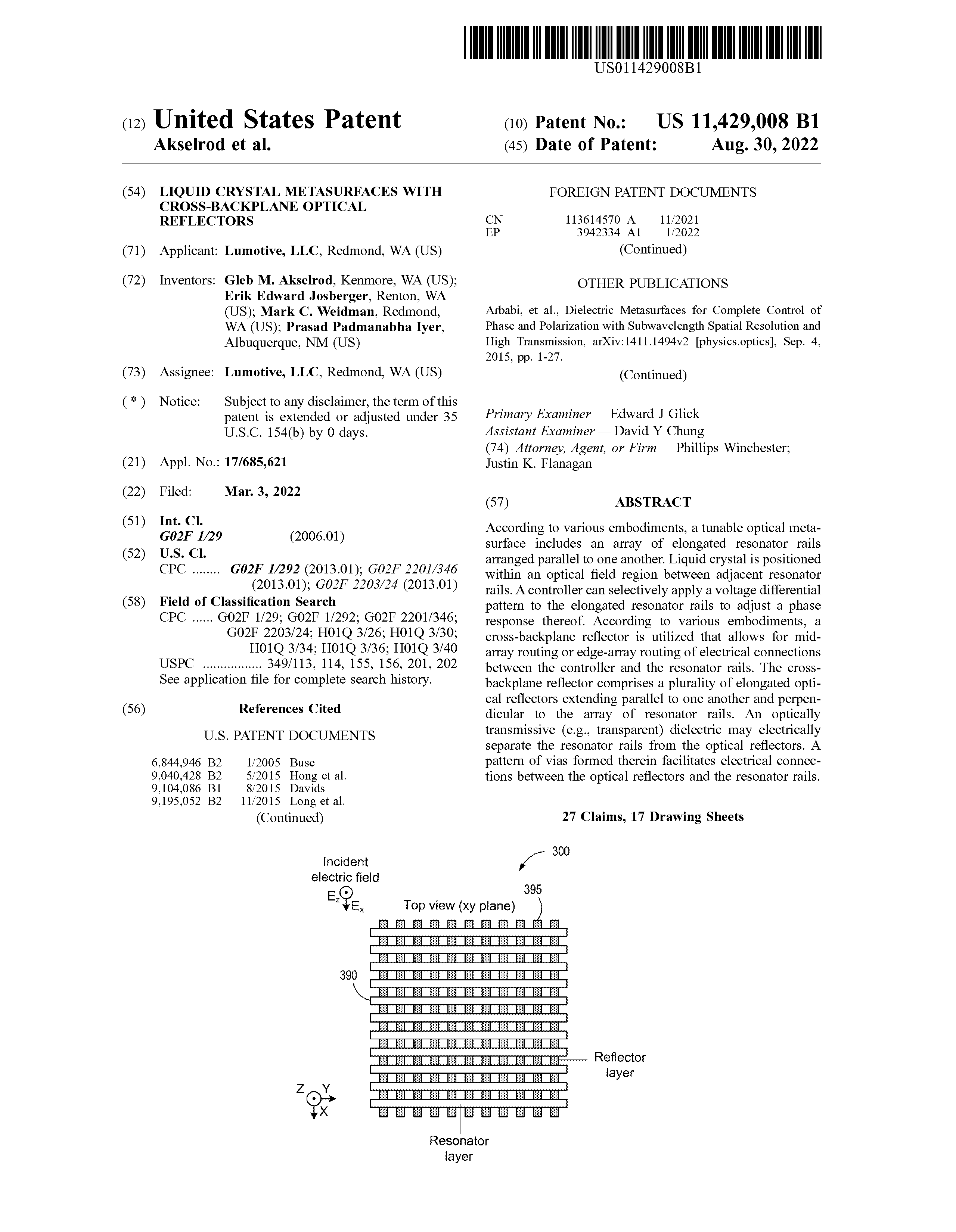
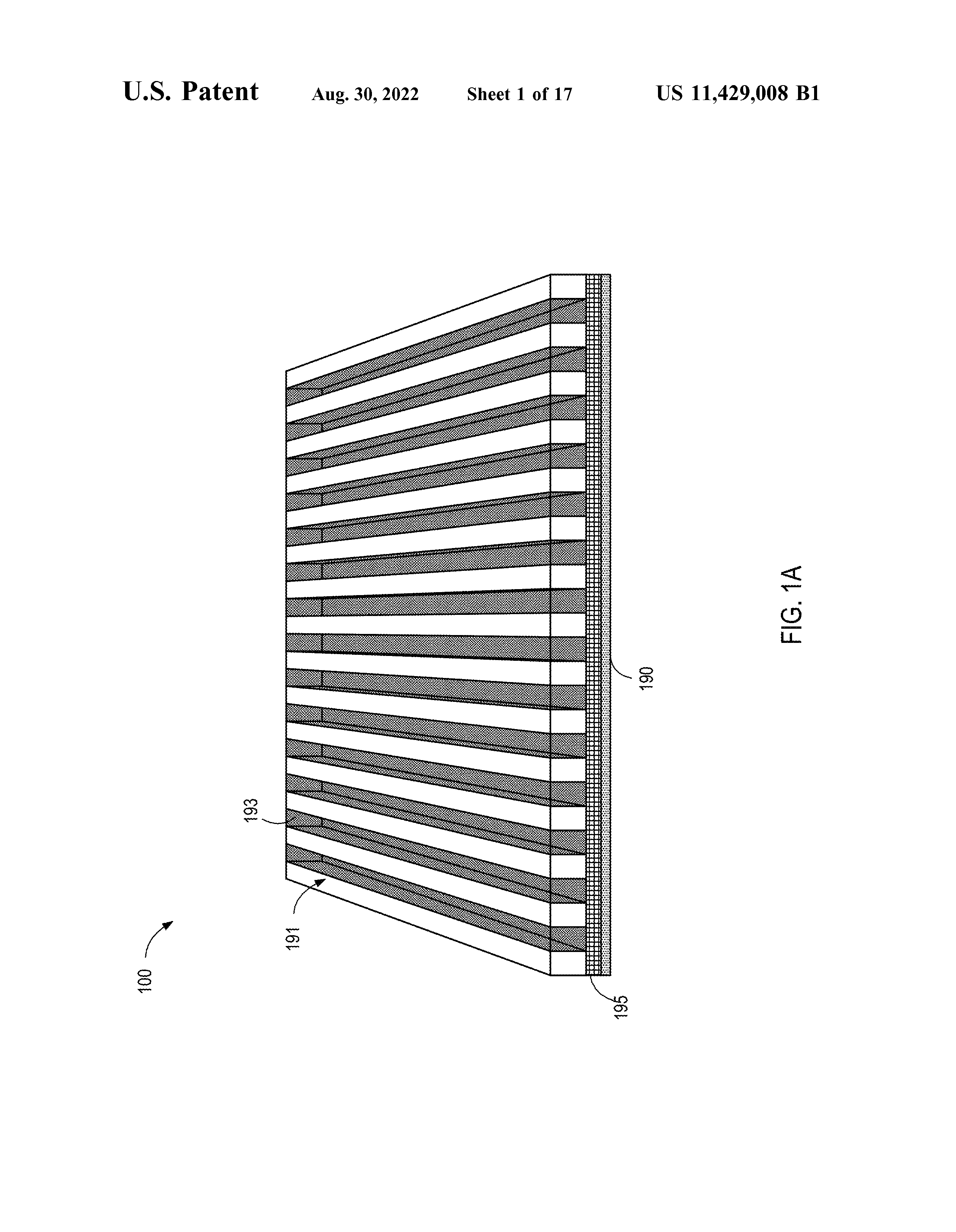
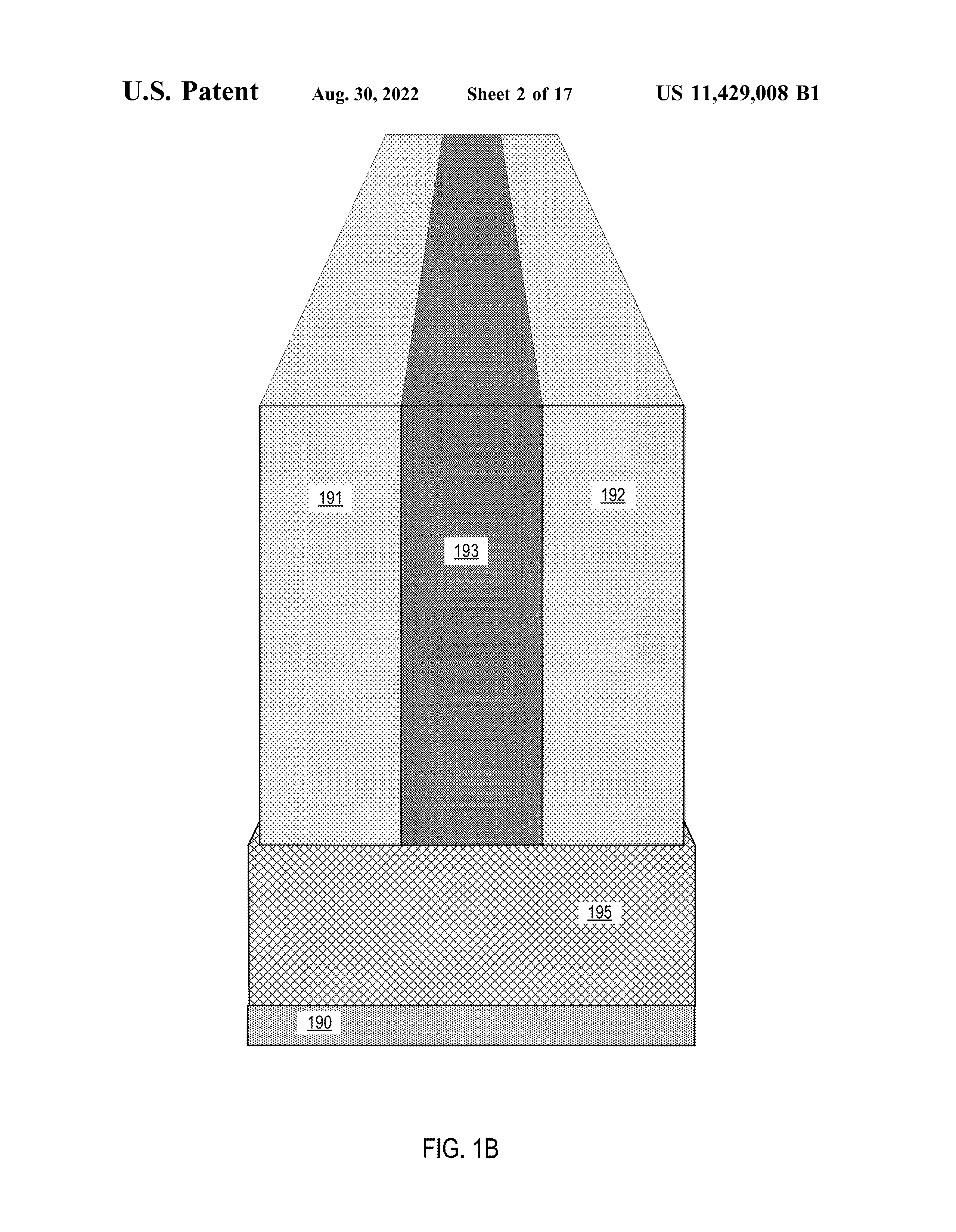
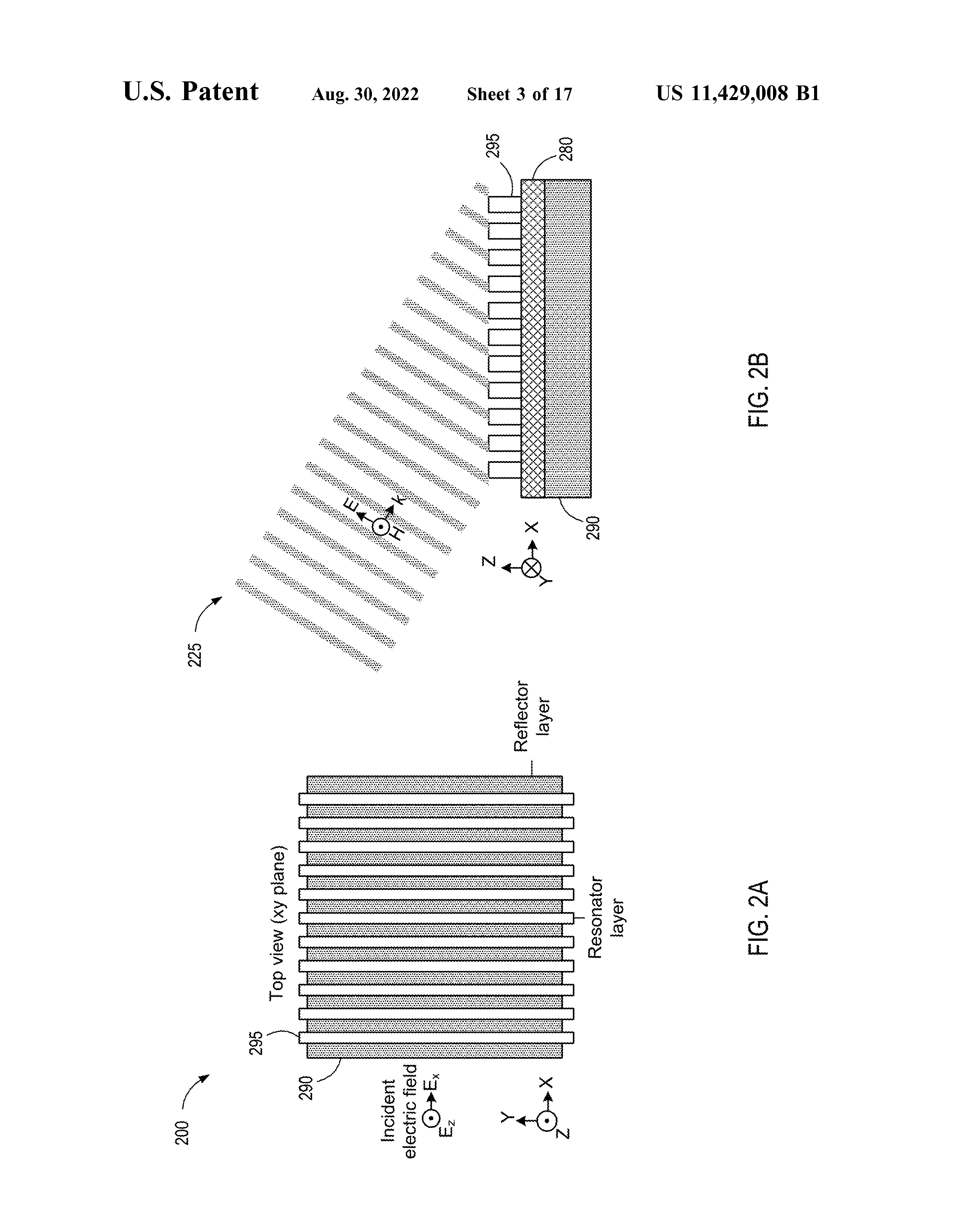
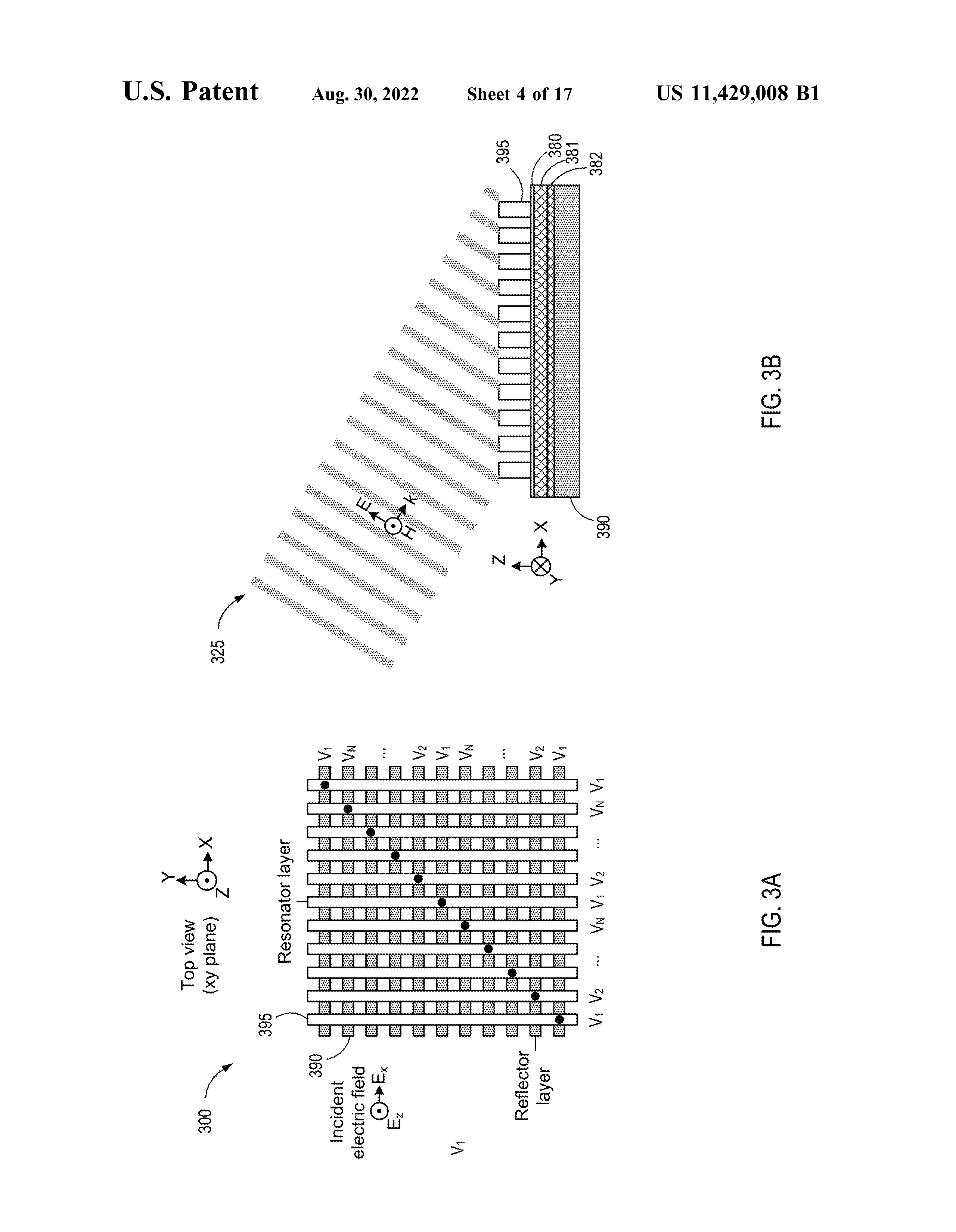
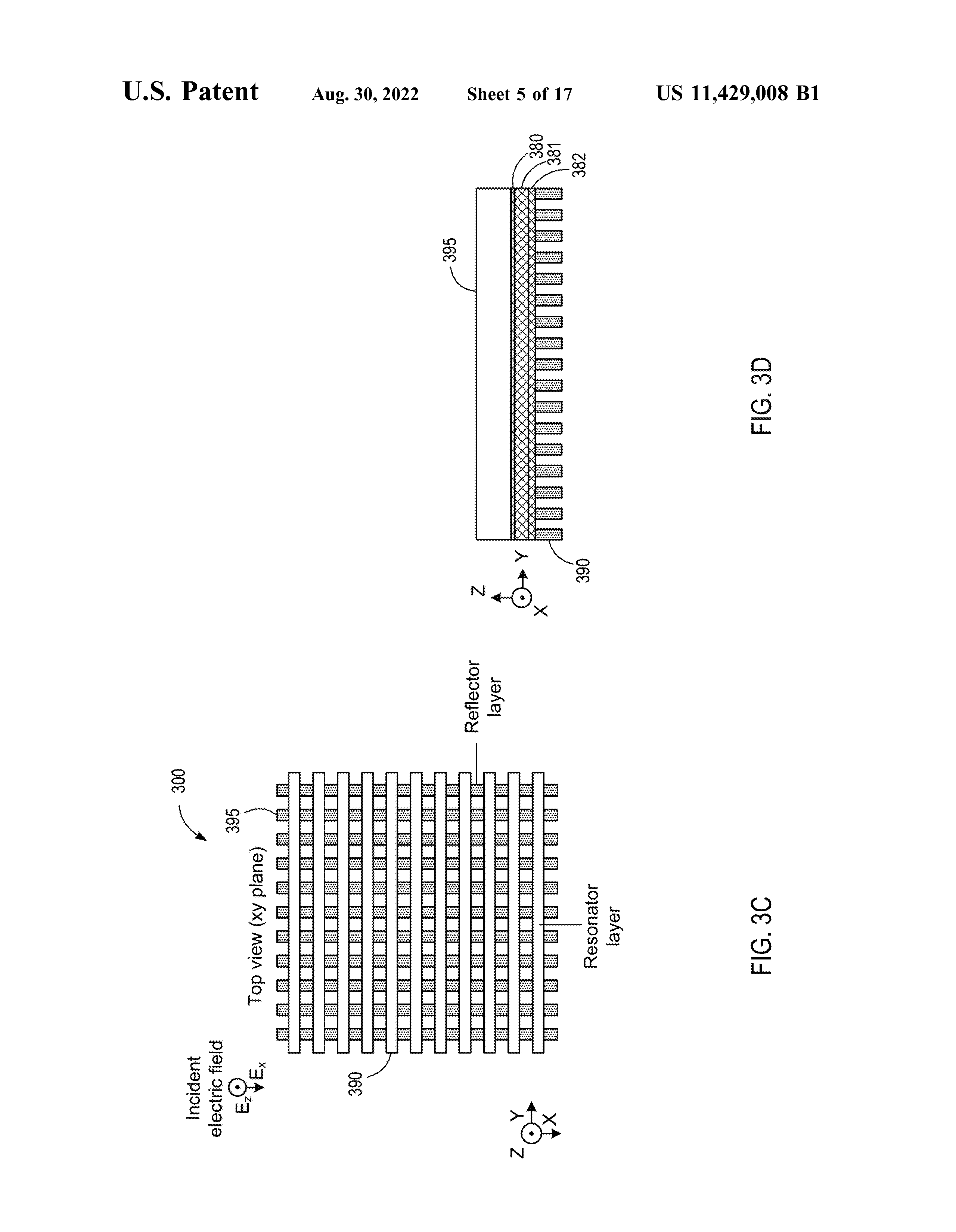
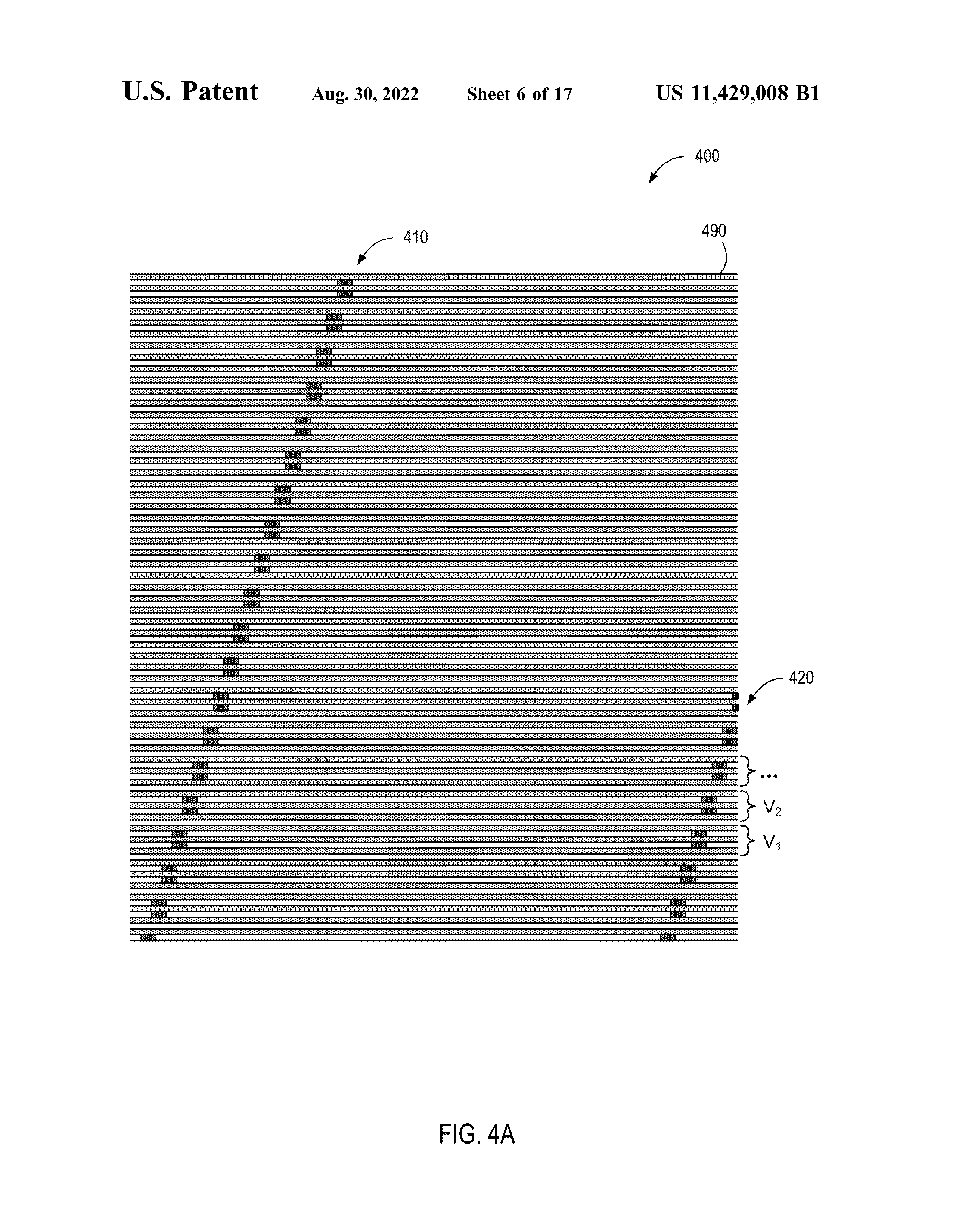
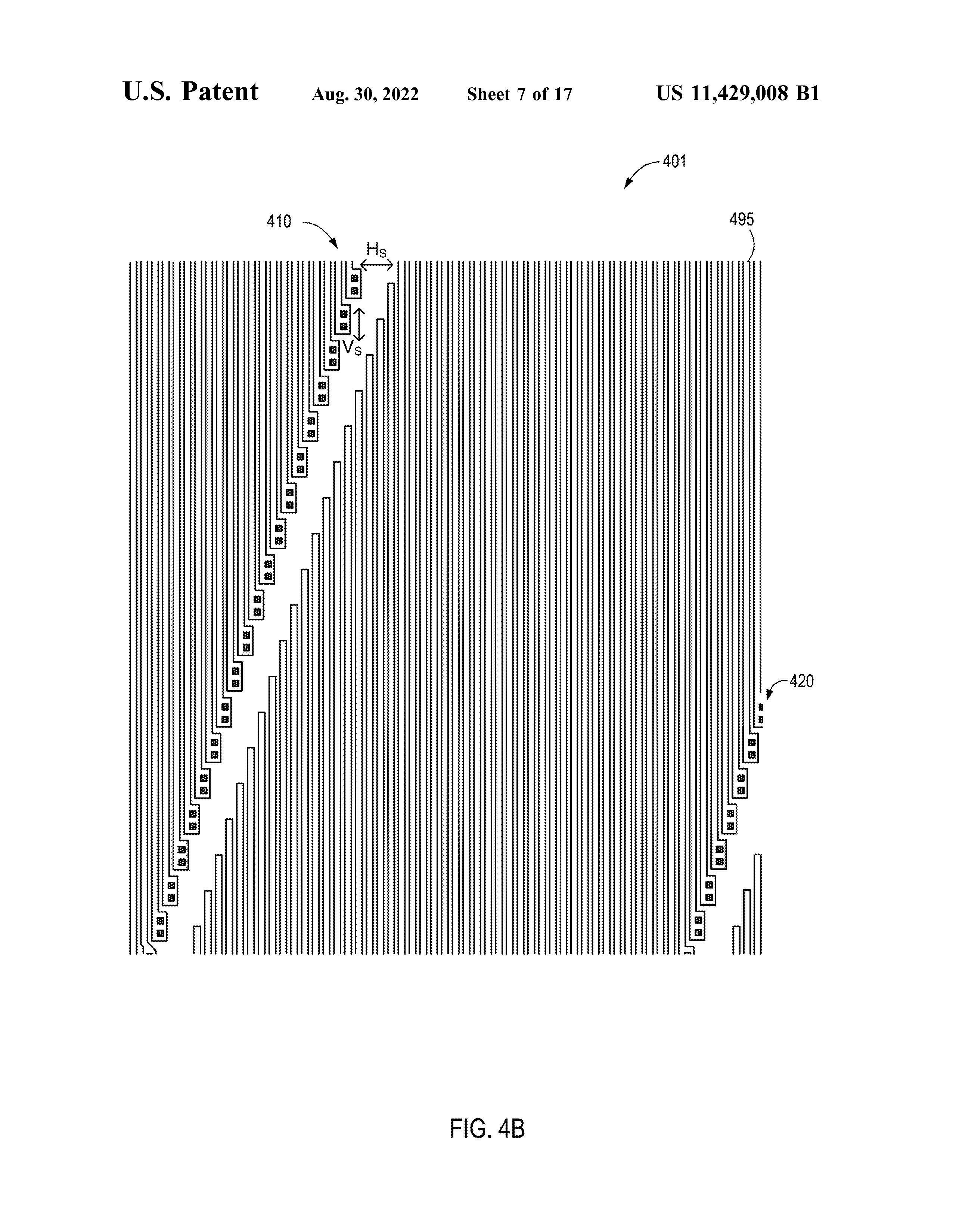
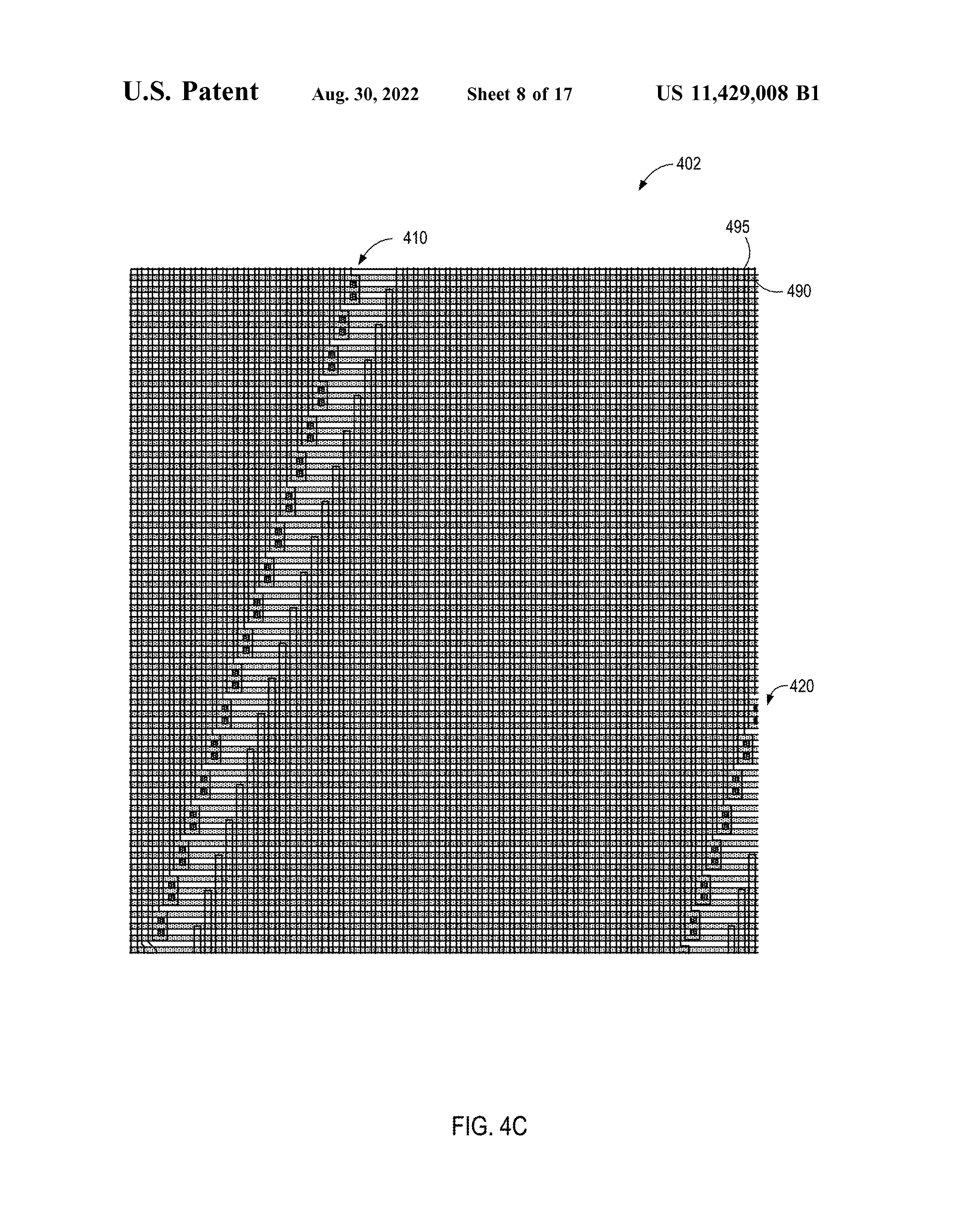
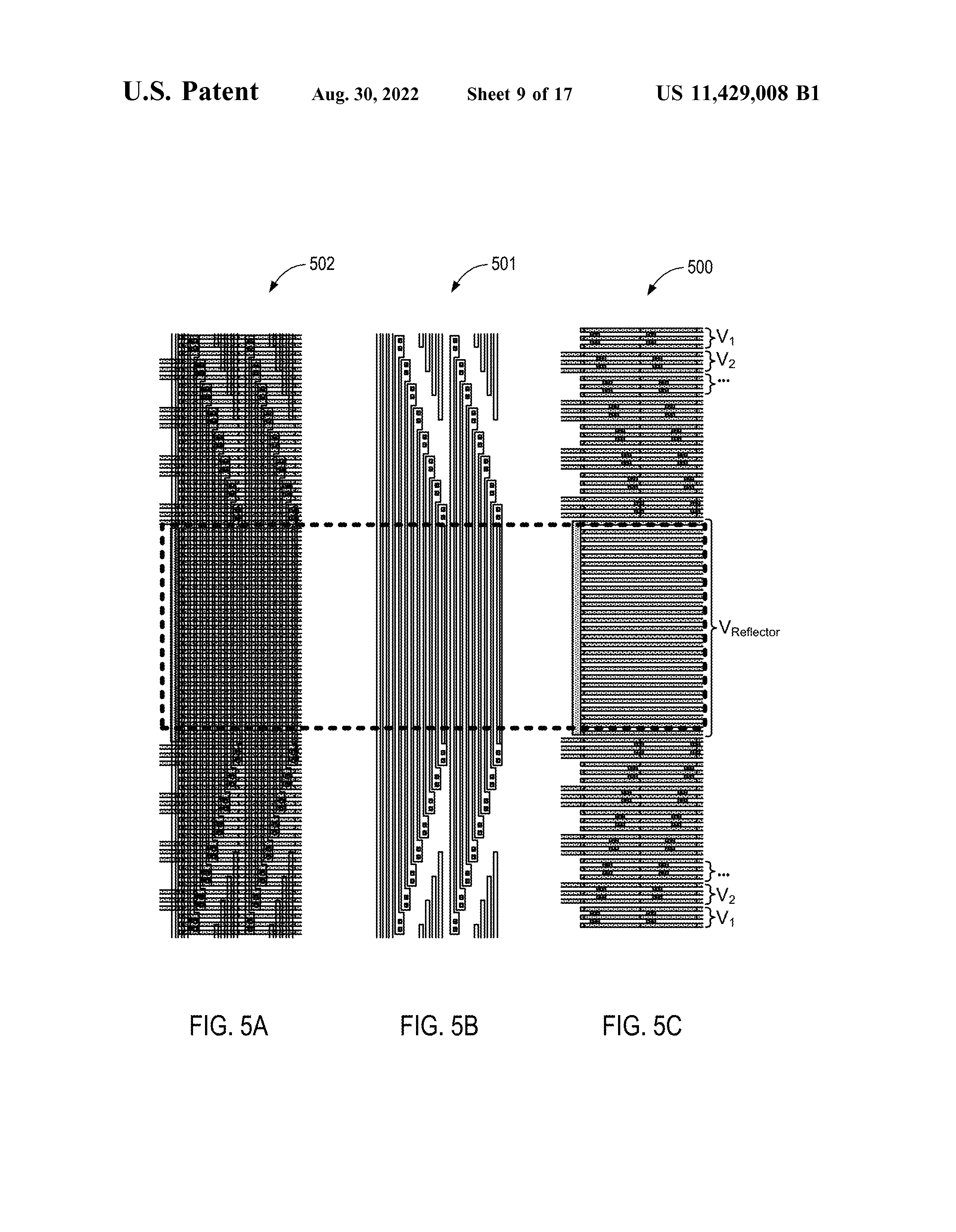
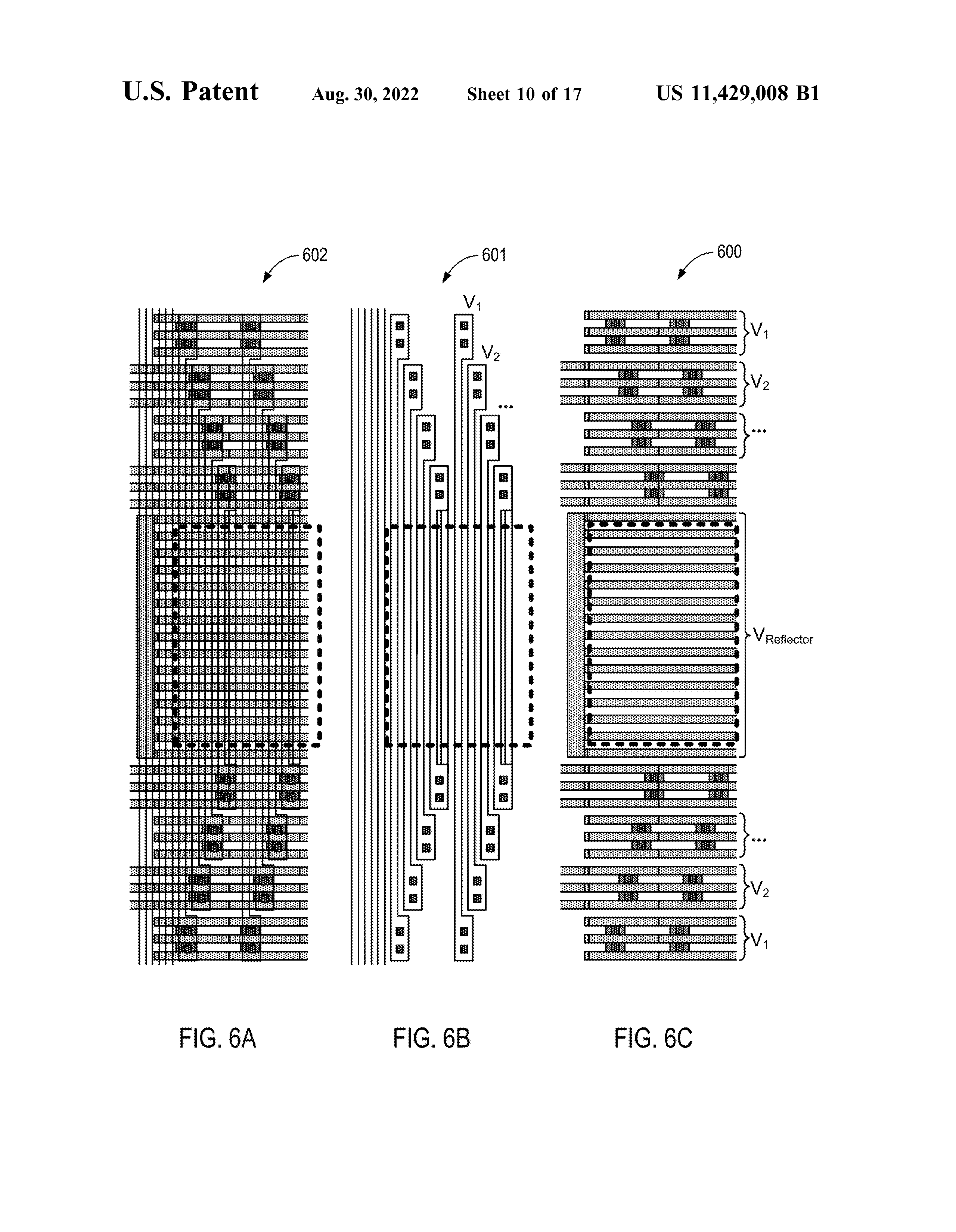
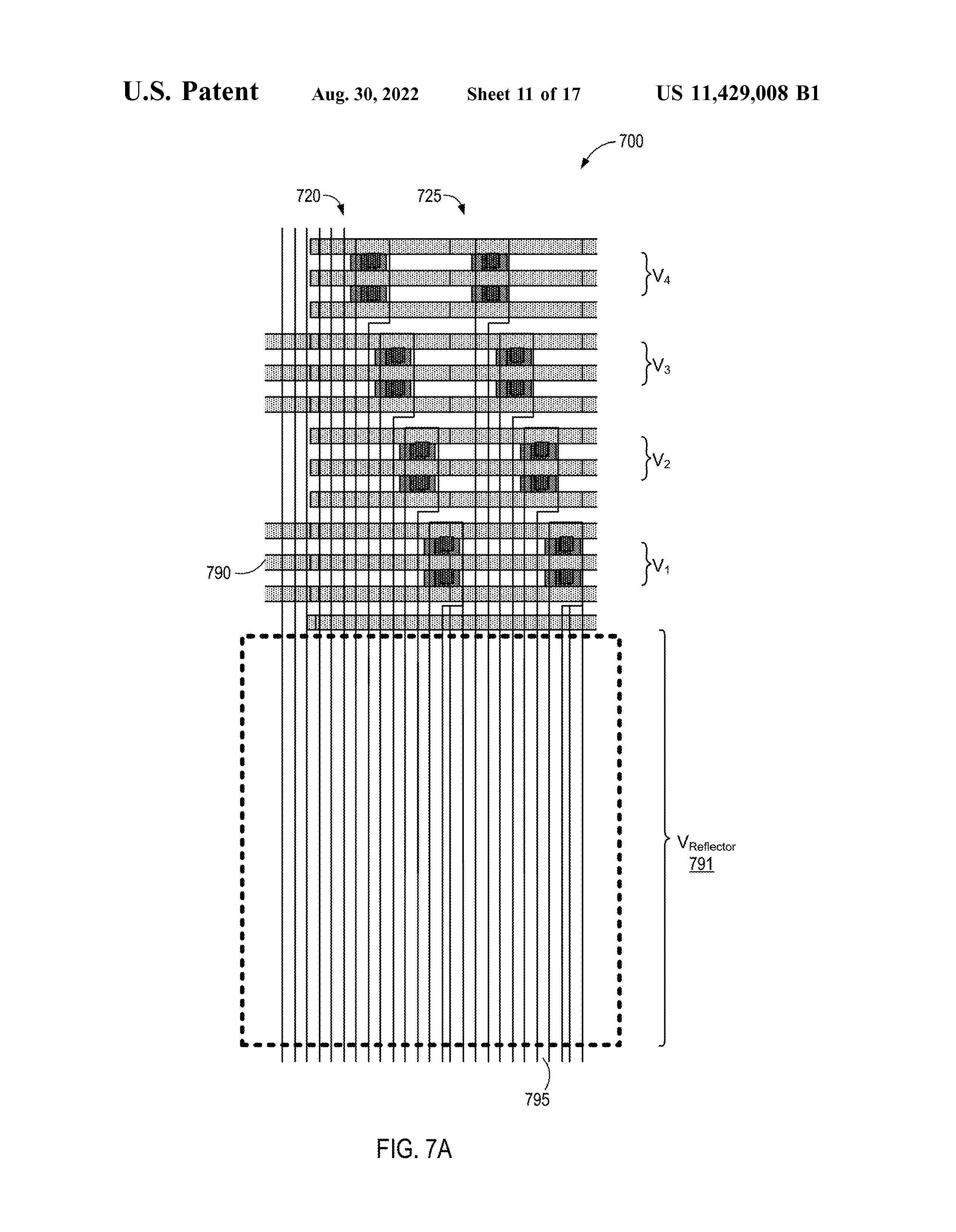
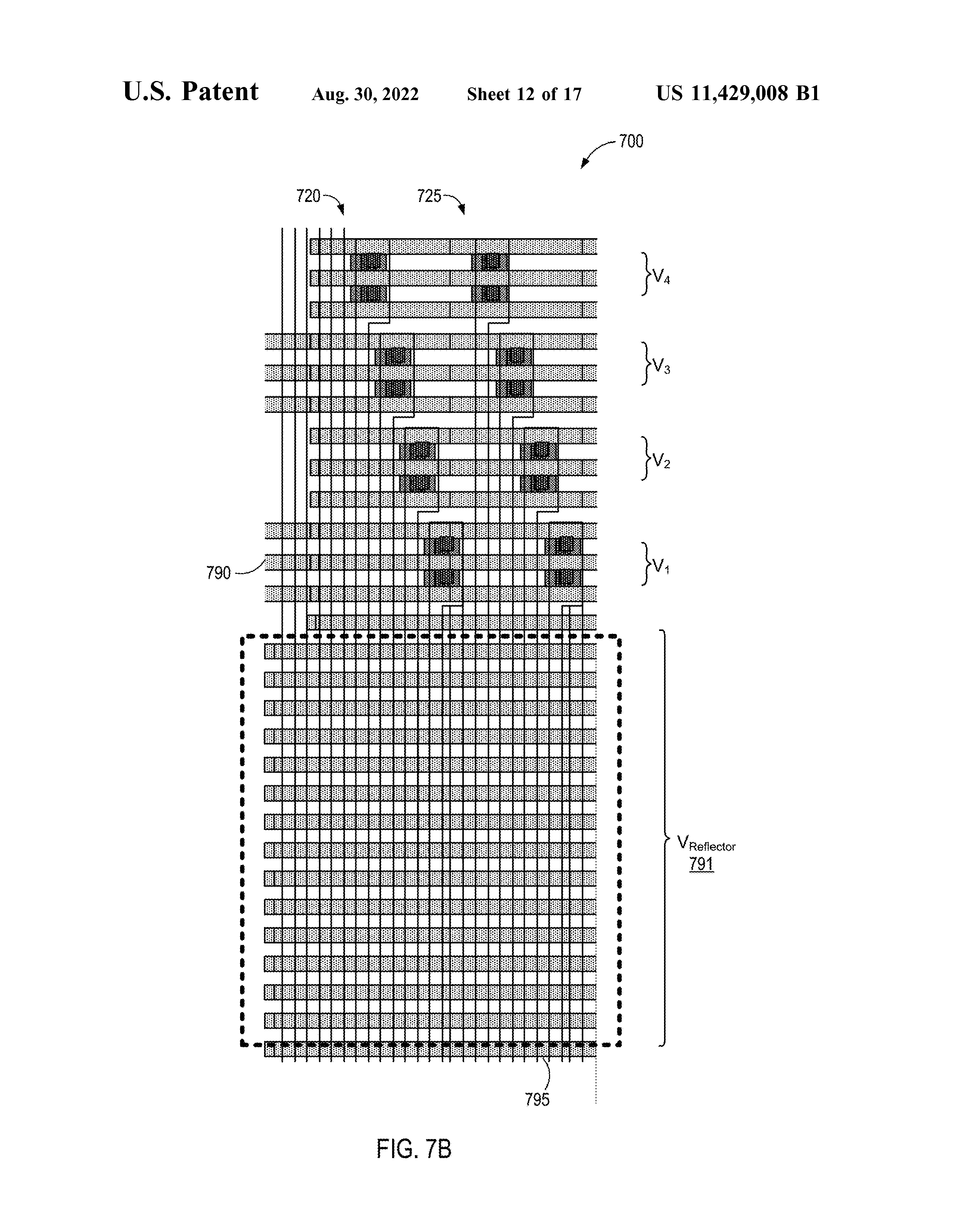
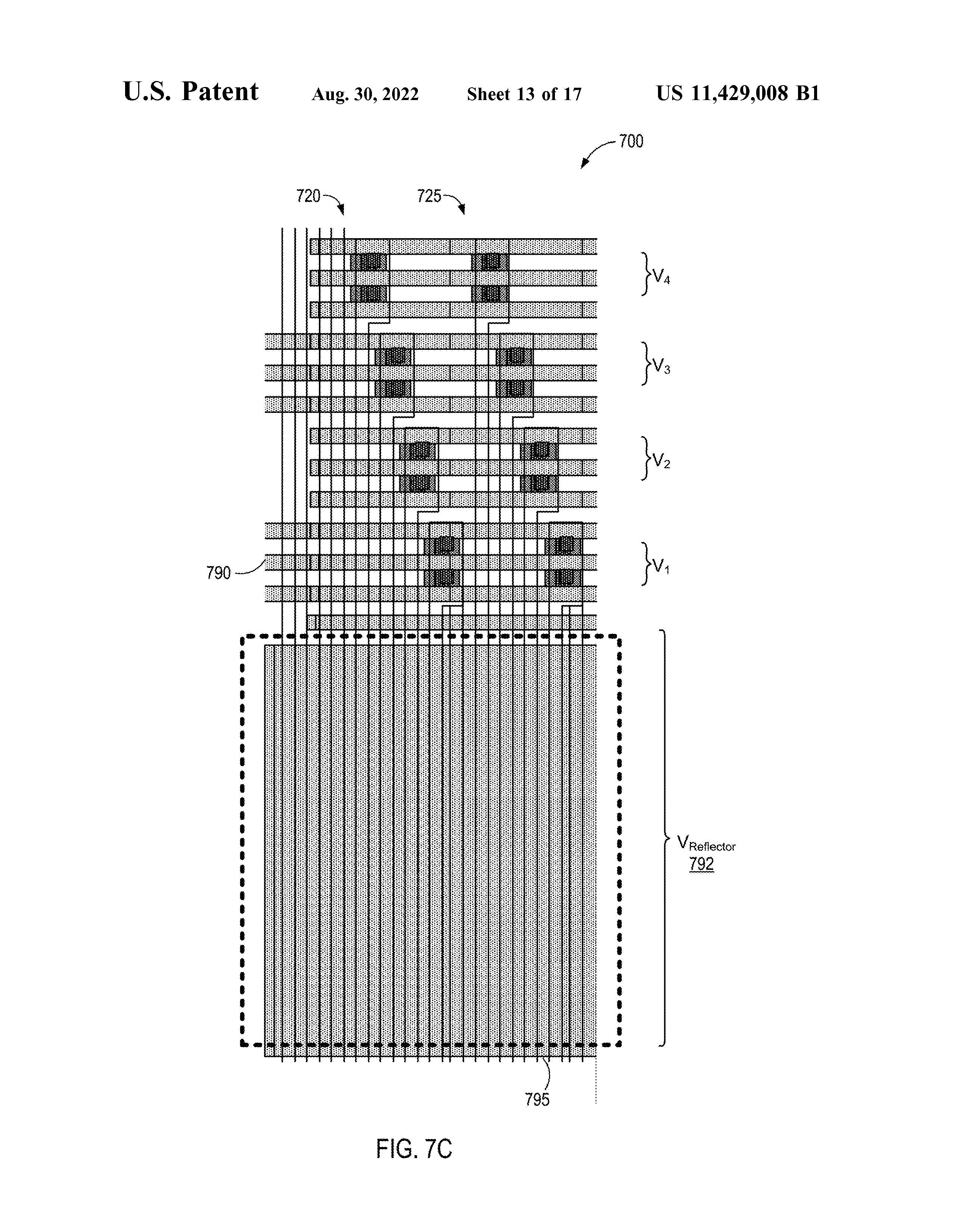
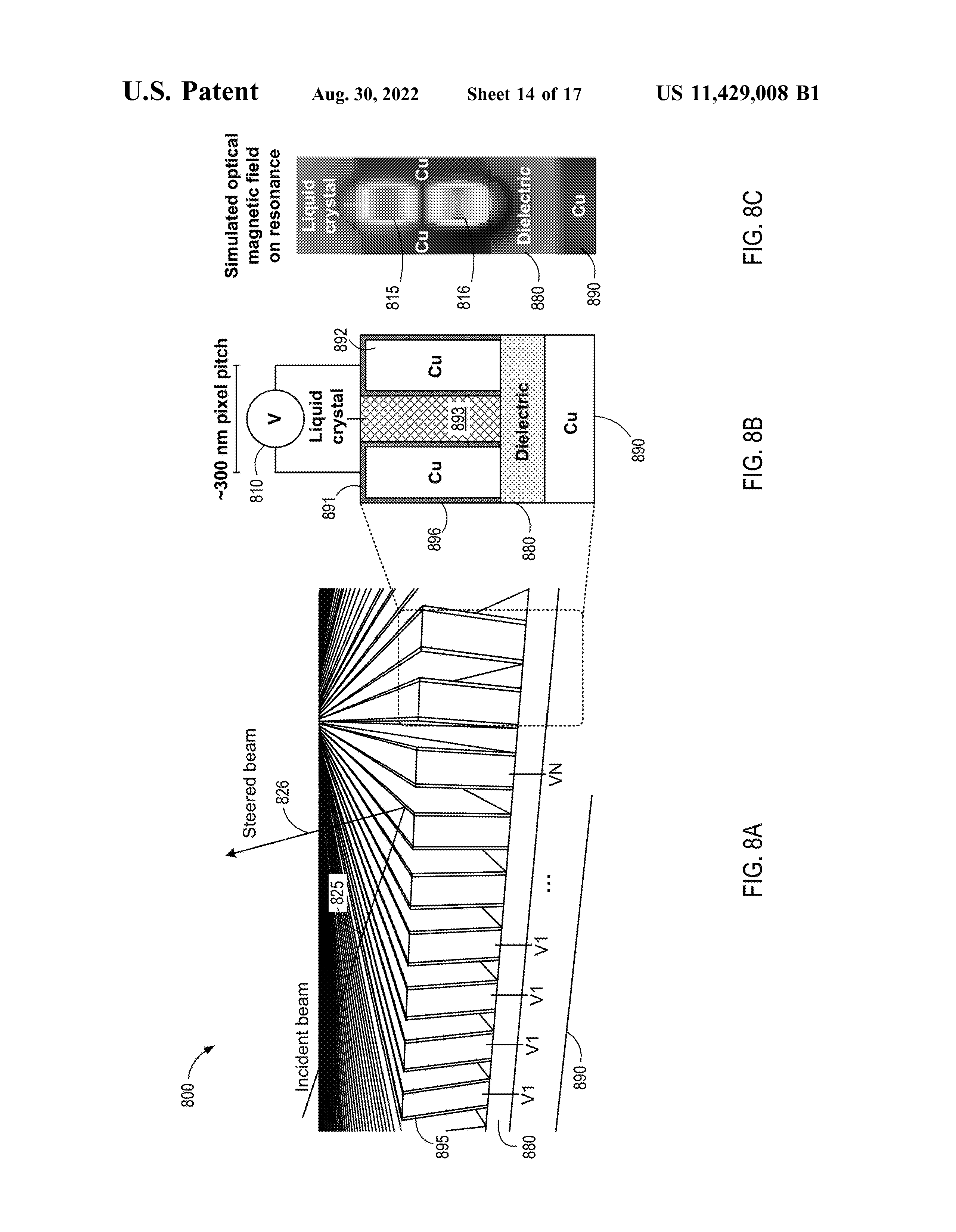
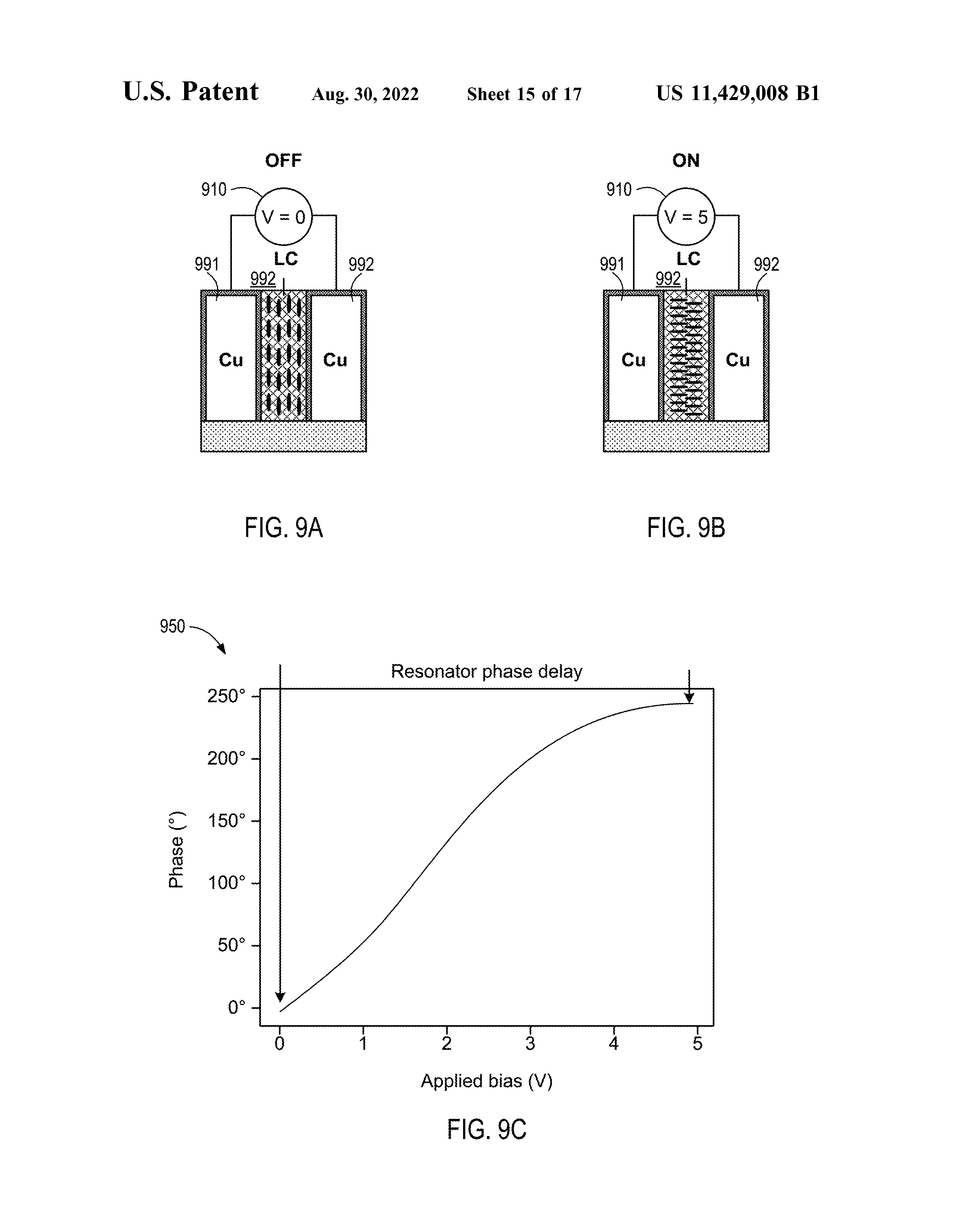
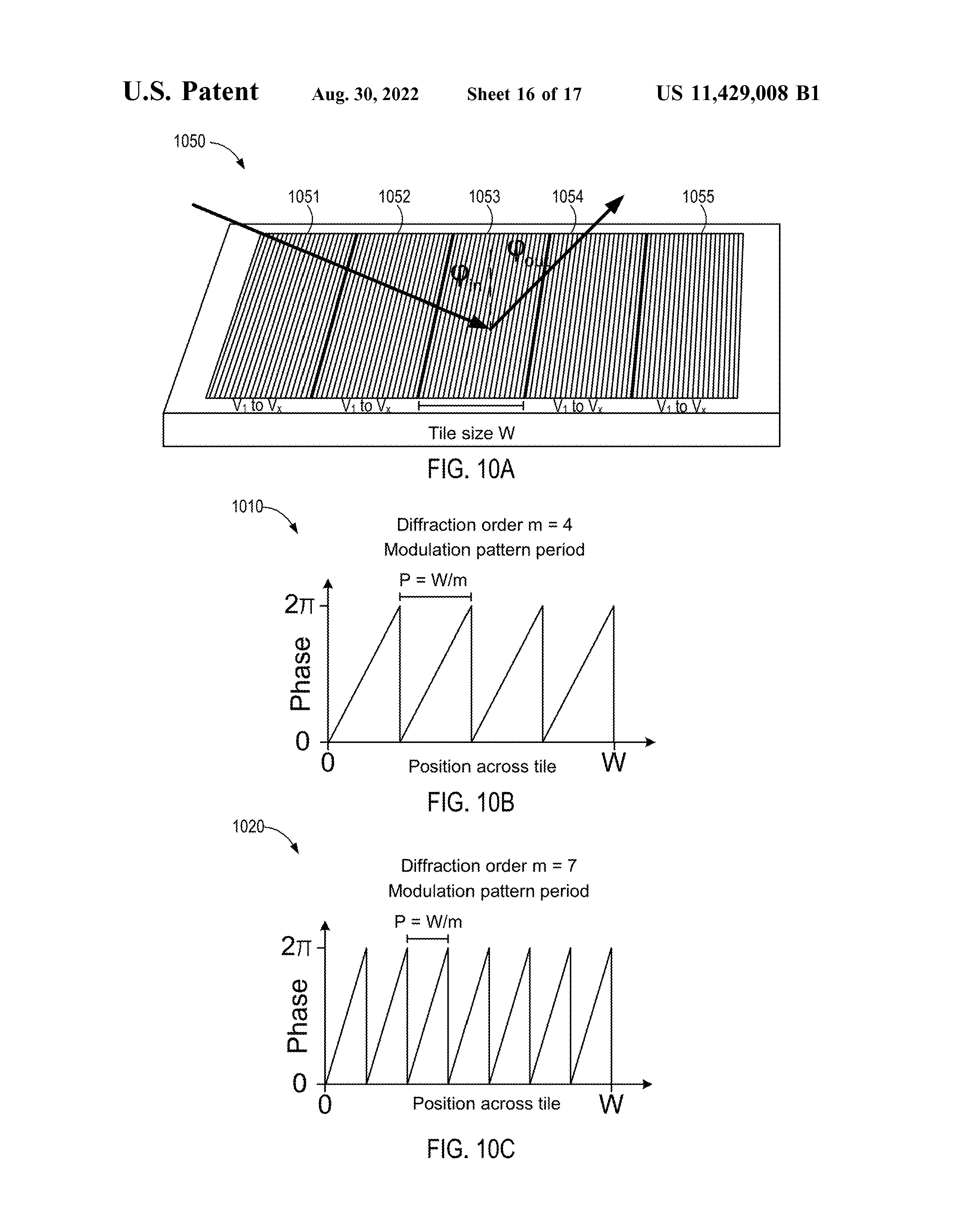
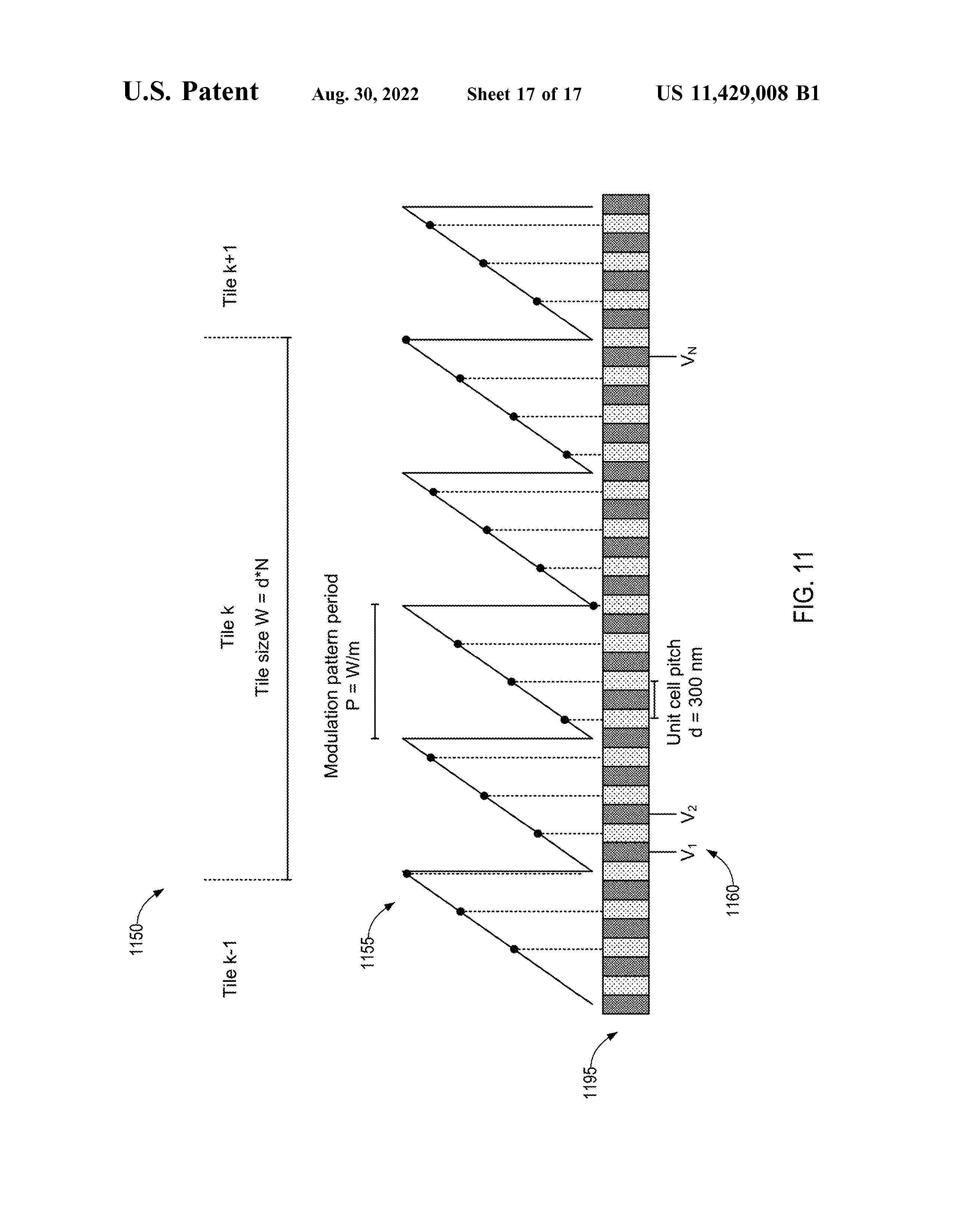
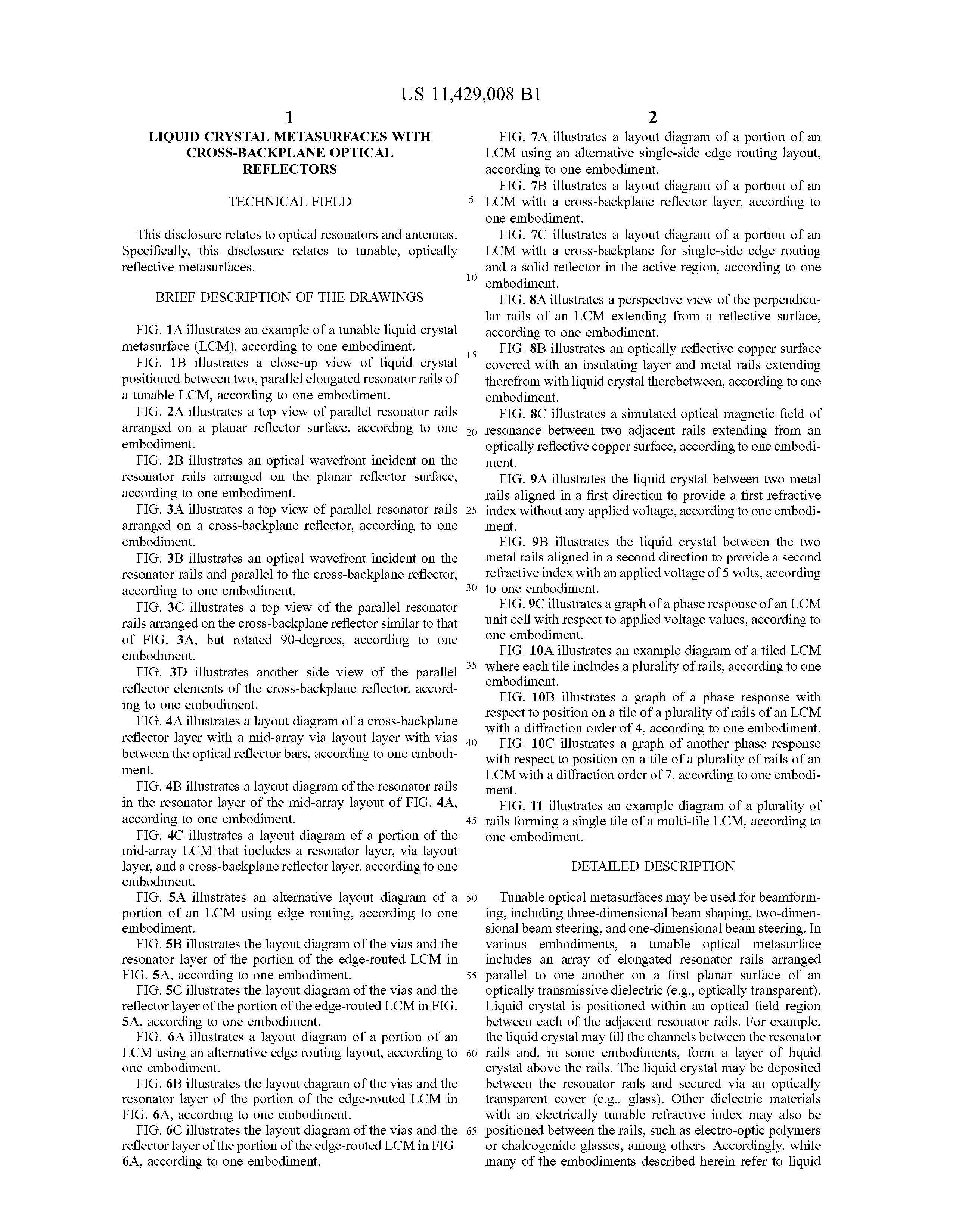
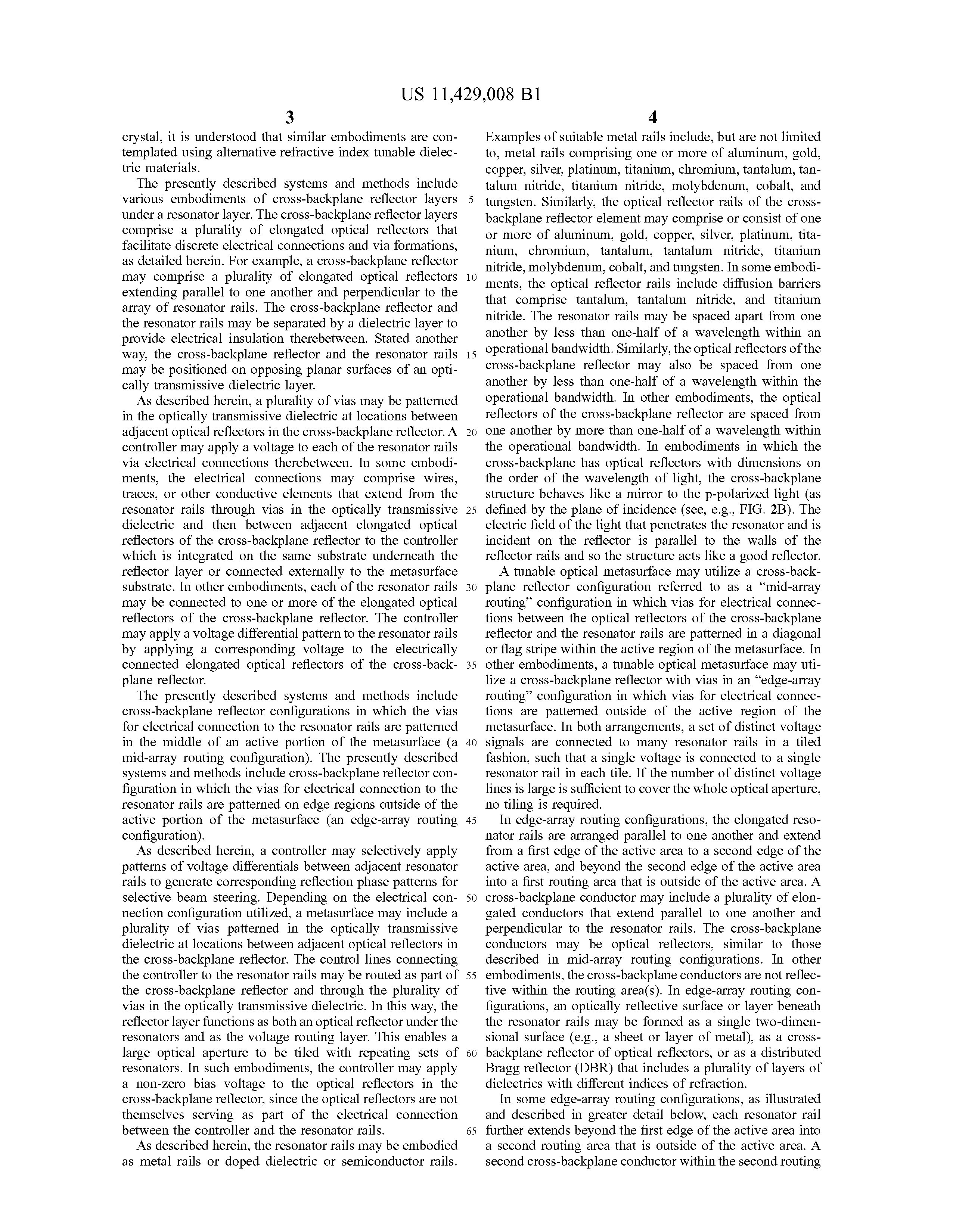
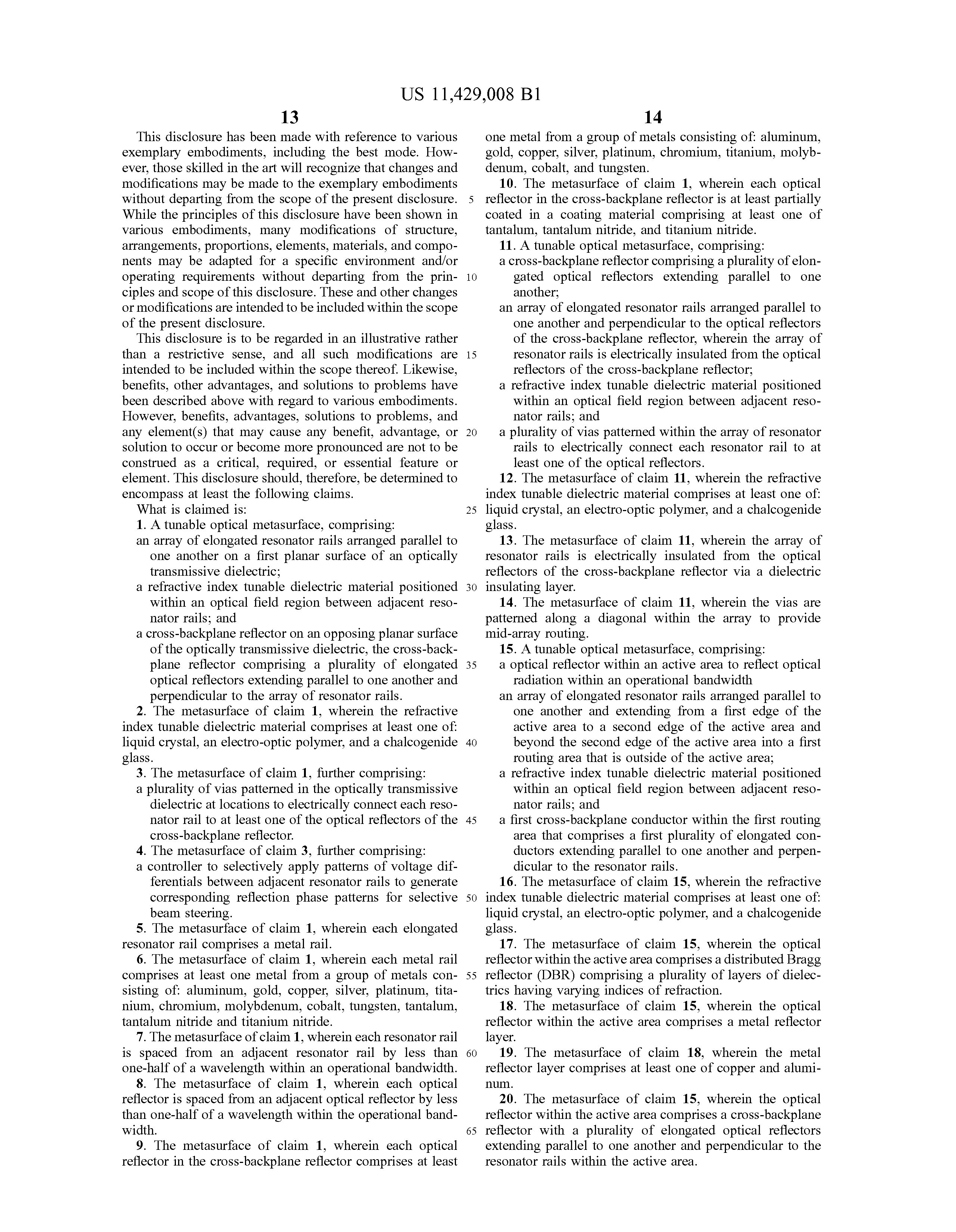
Abstract:
This patent describes a novel design for liquid crystal metasurfaces that incorporate cross-backplane optical reflectors, enabling enhanced control over light manipulation and improved device performance for advanced photonic applications.
Tunable optical device configurations and packaging
Published:
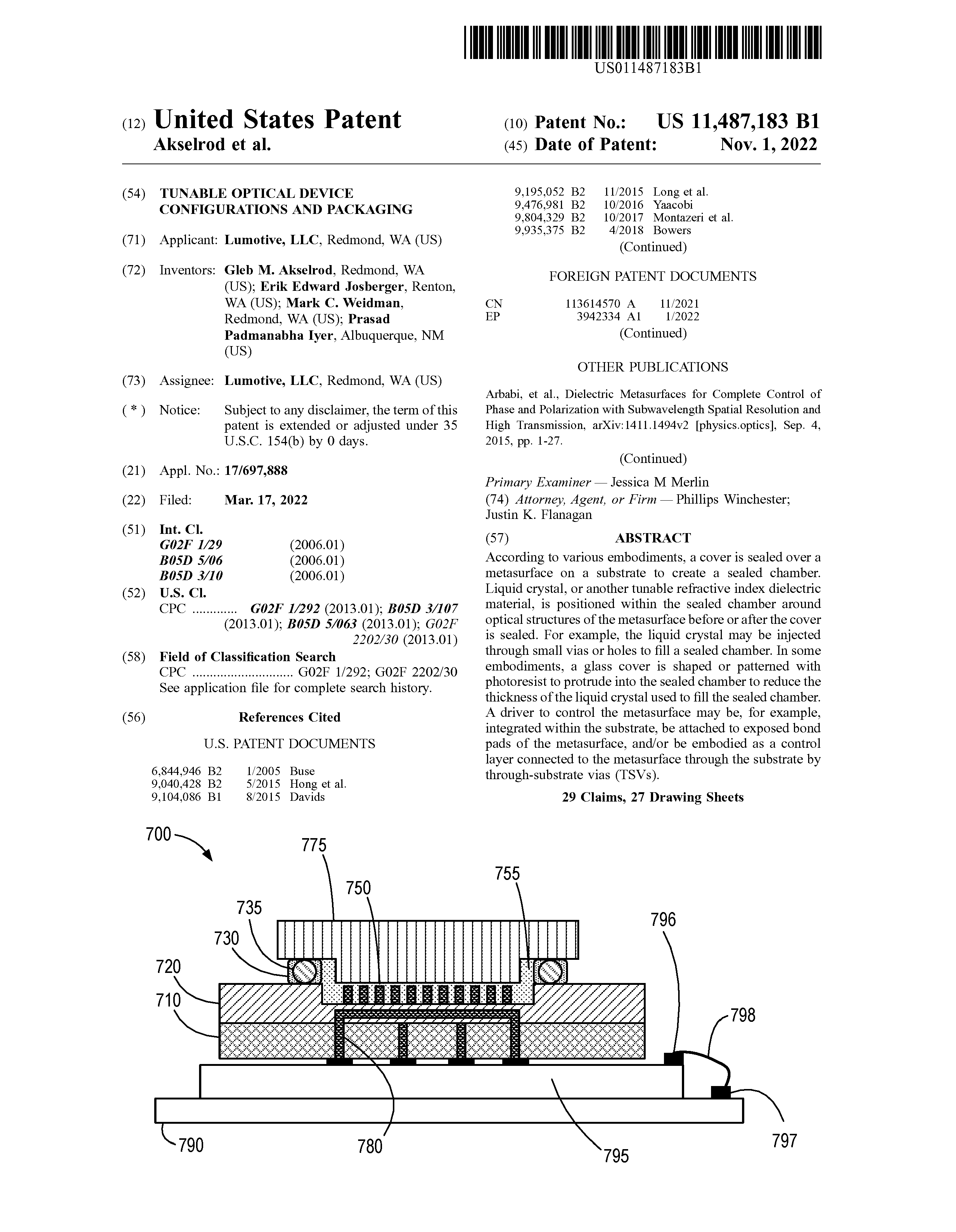
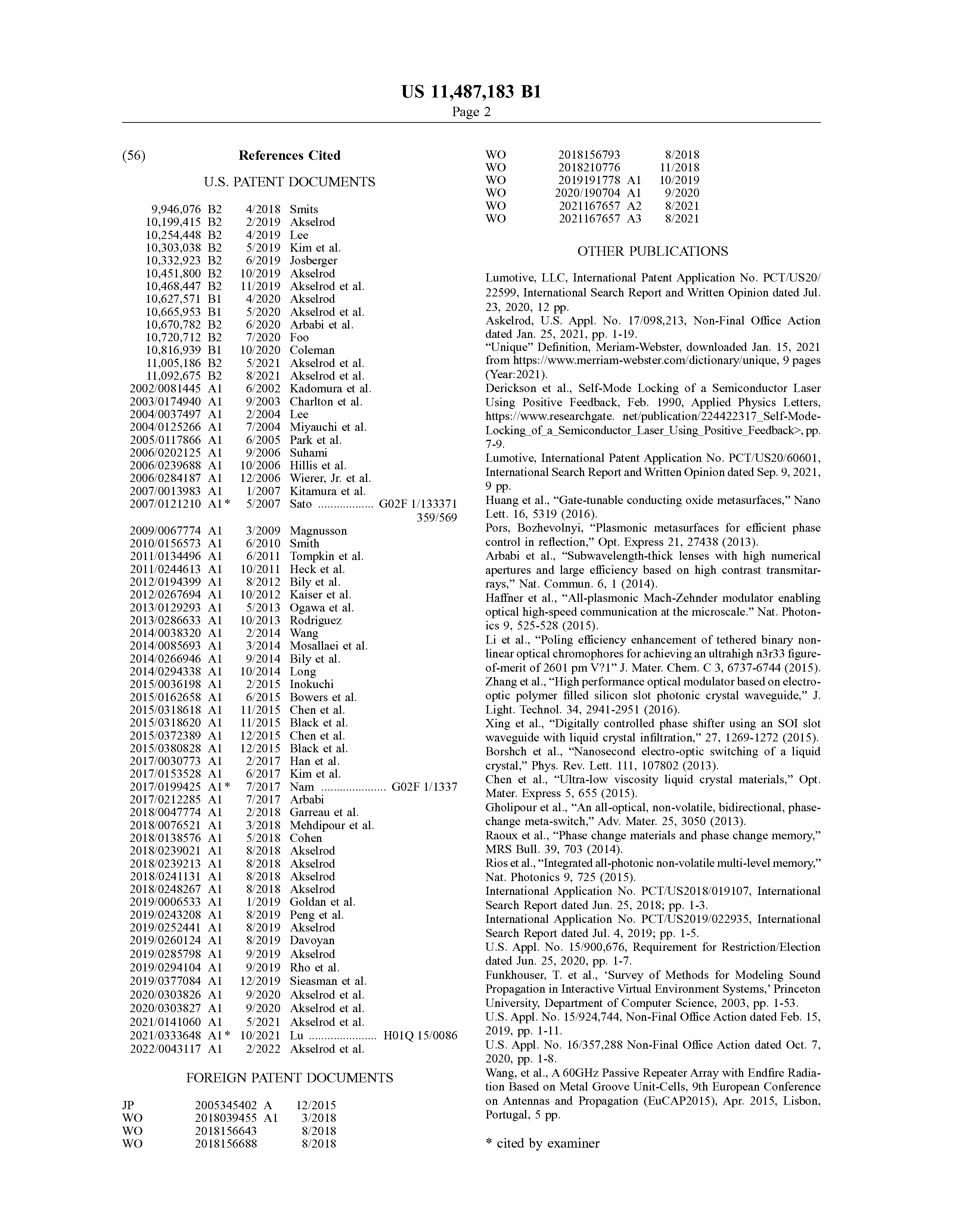
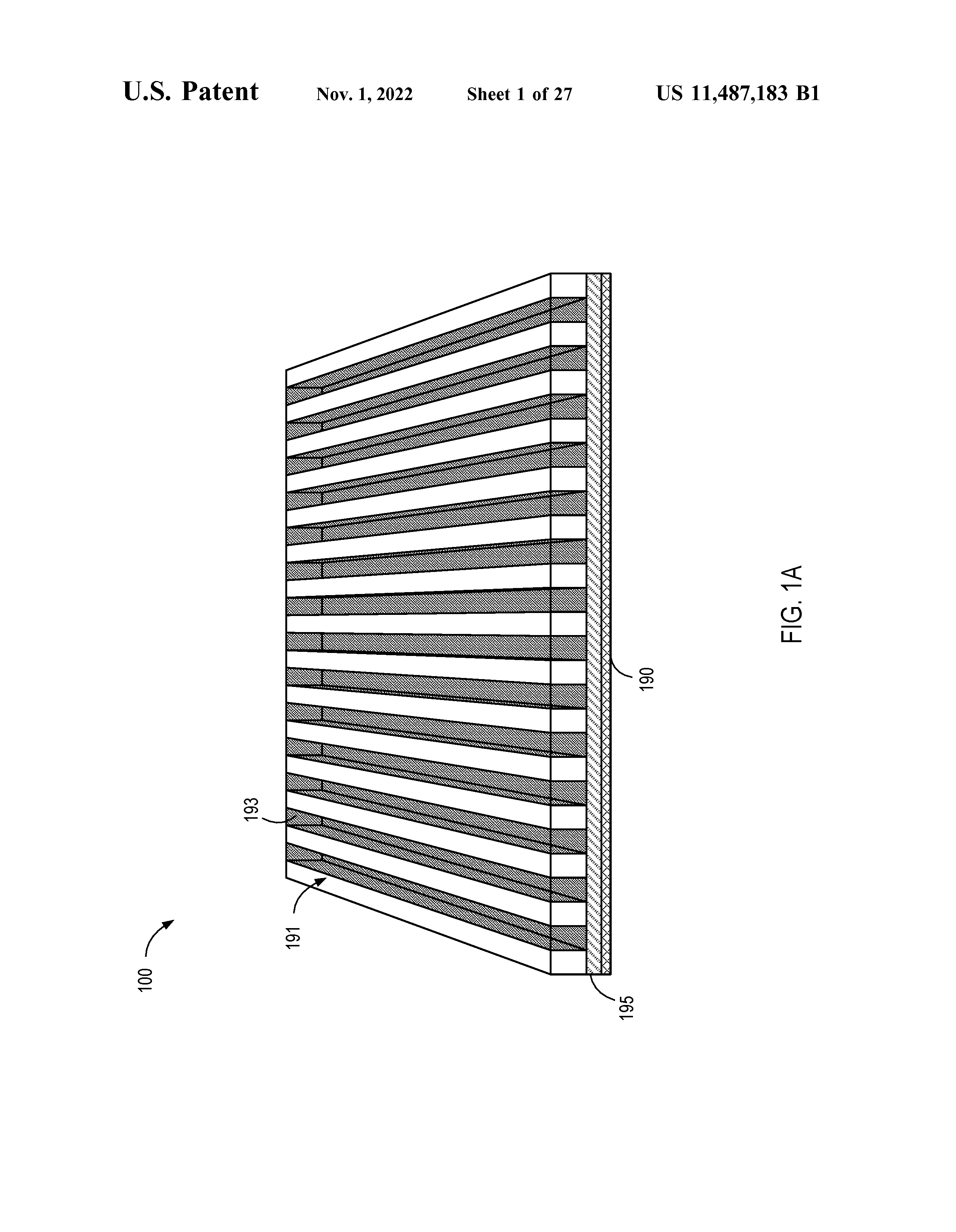
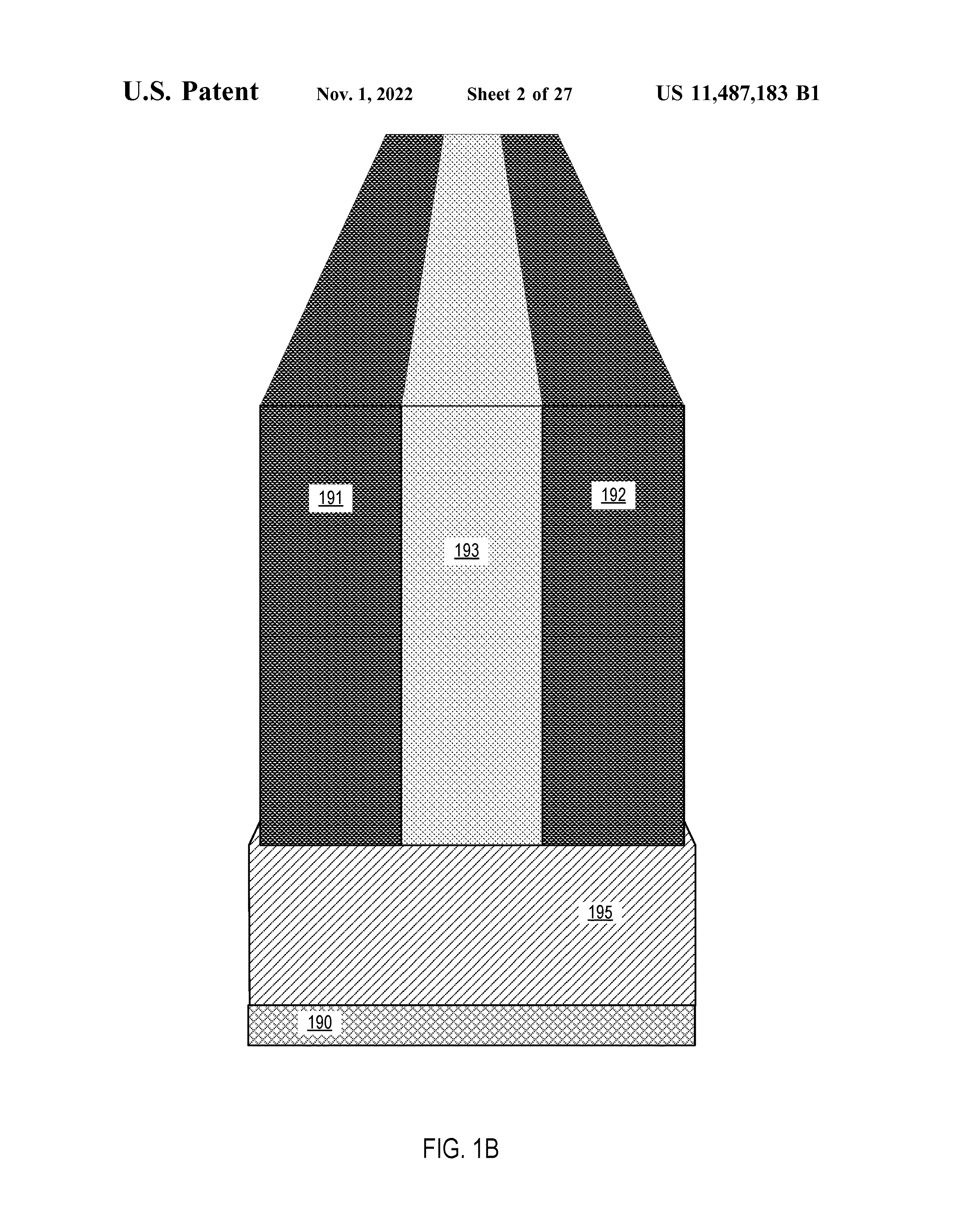
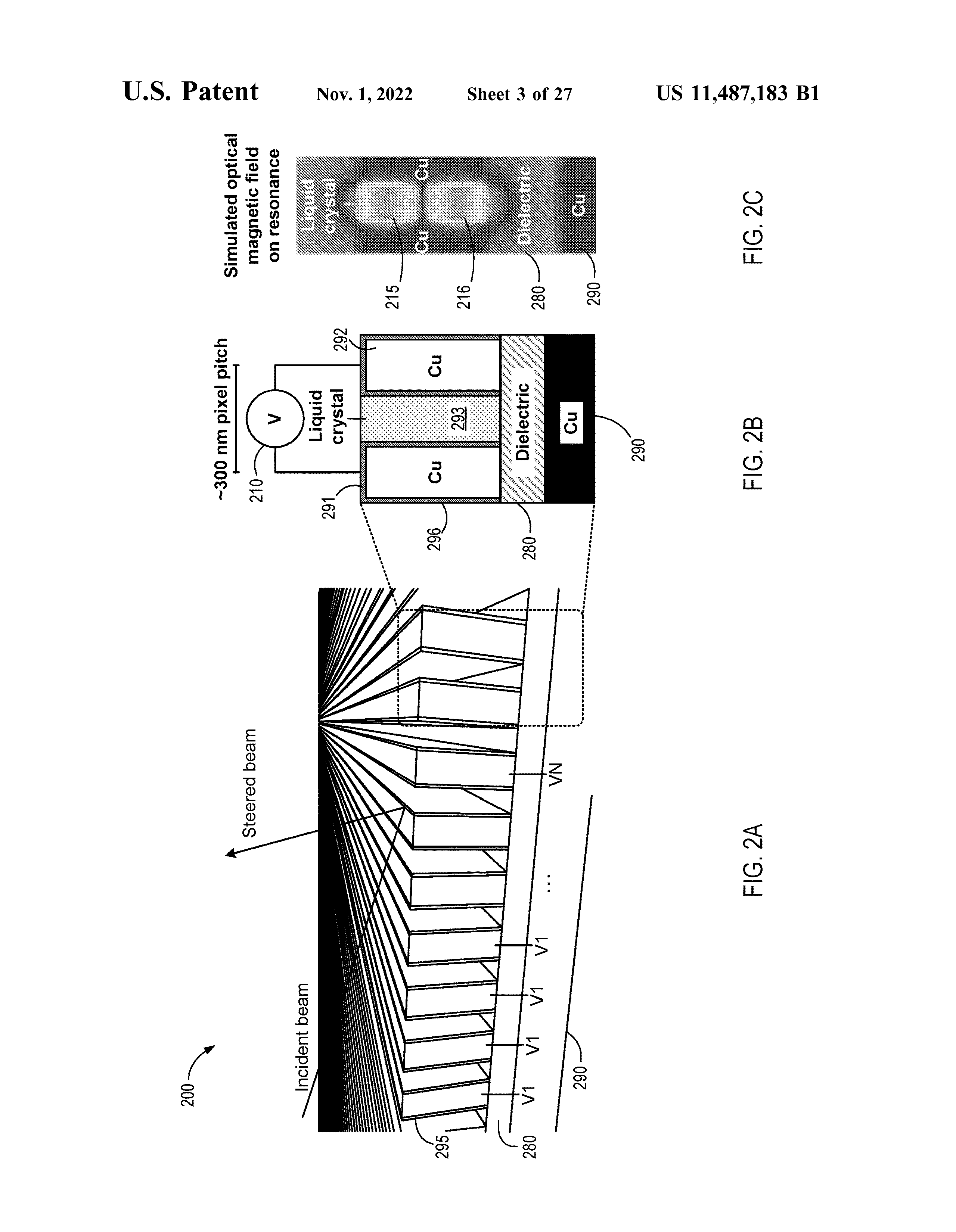
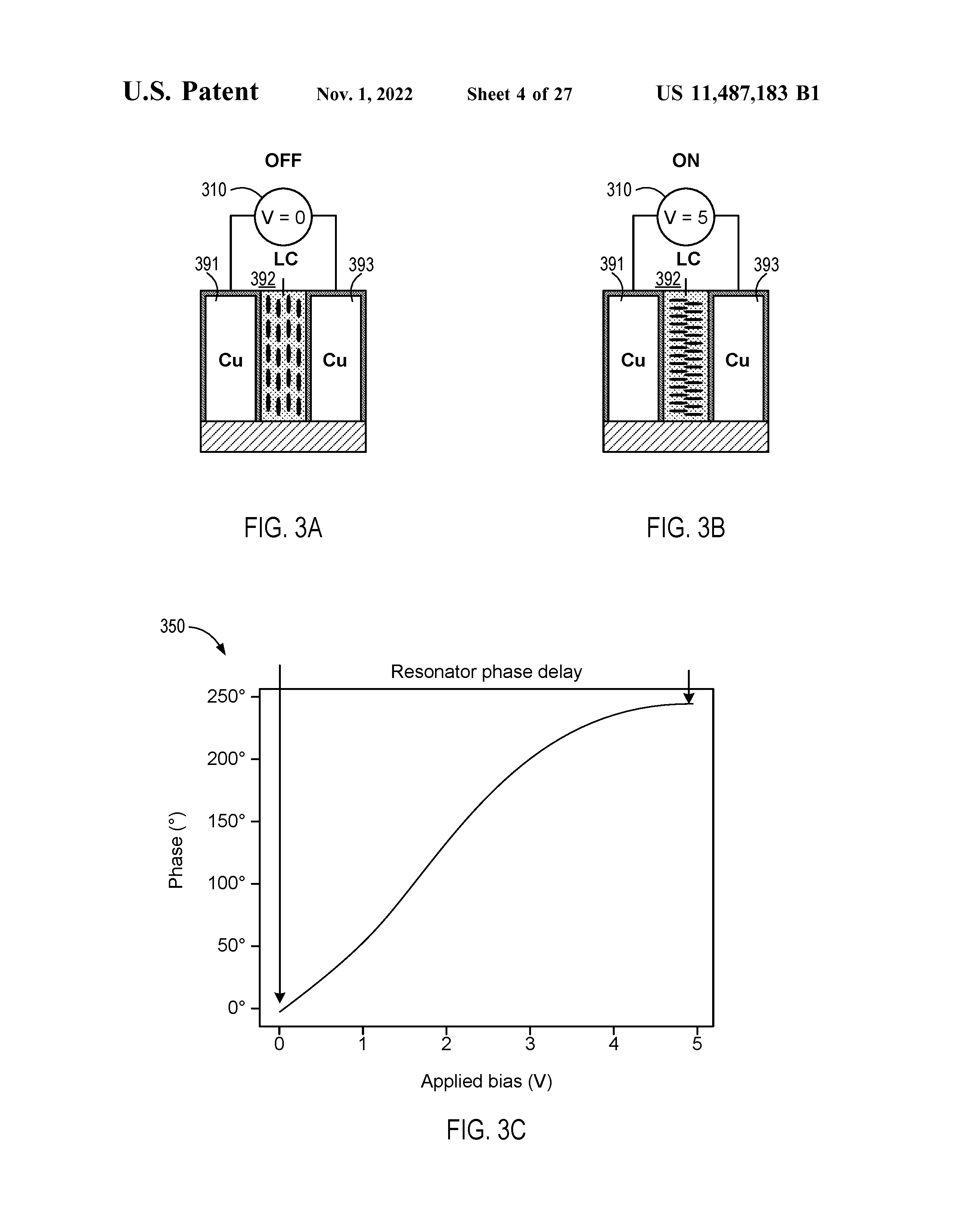
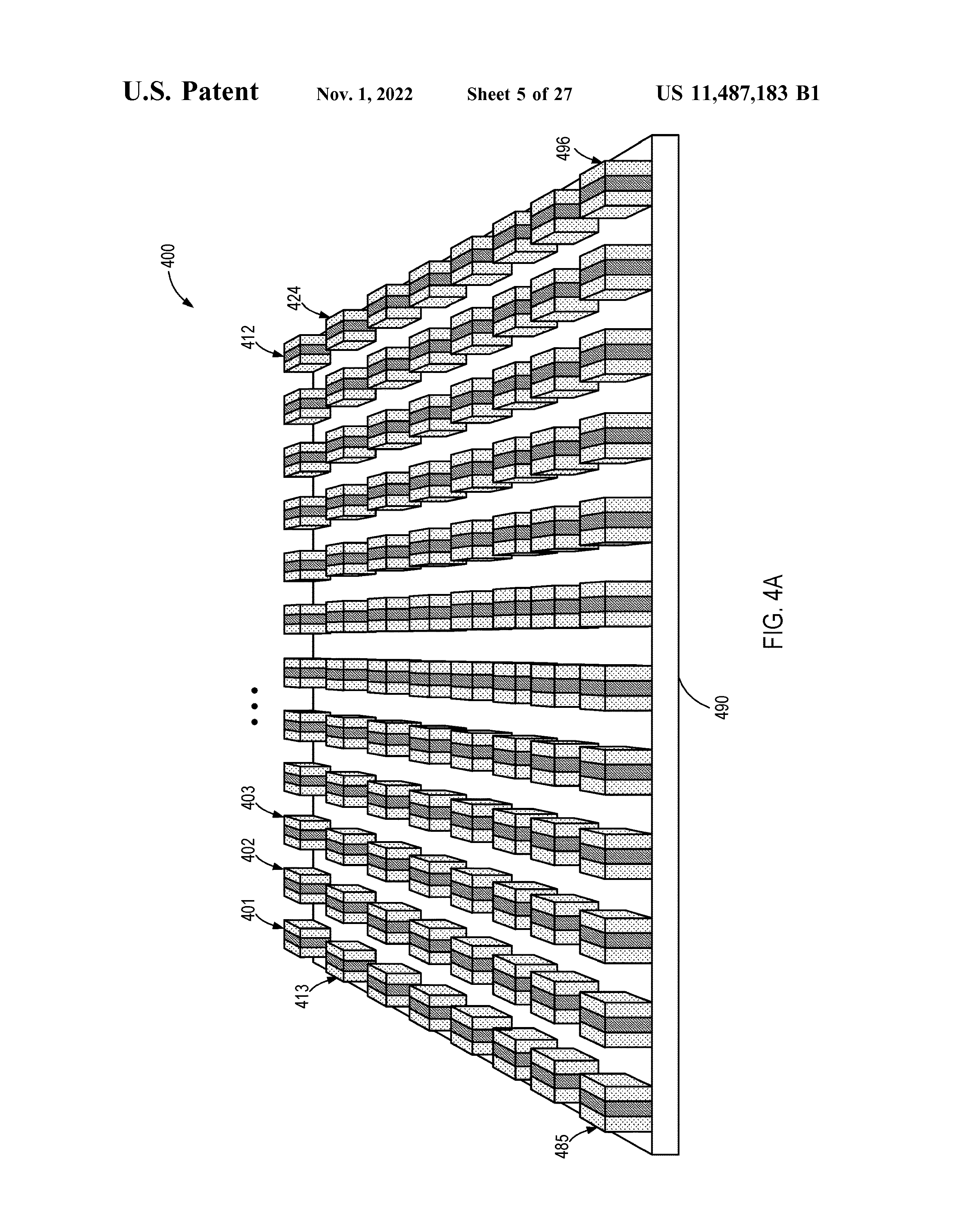
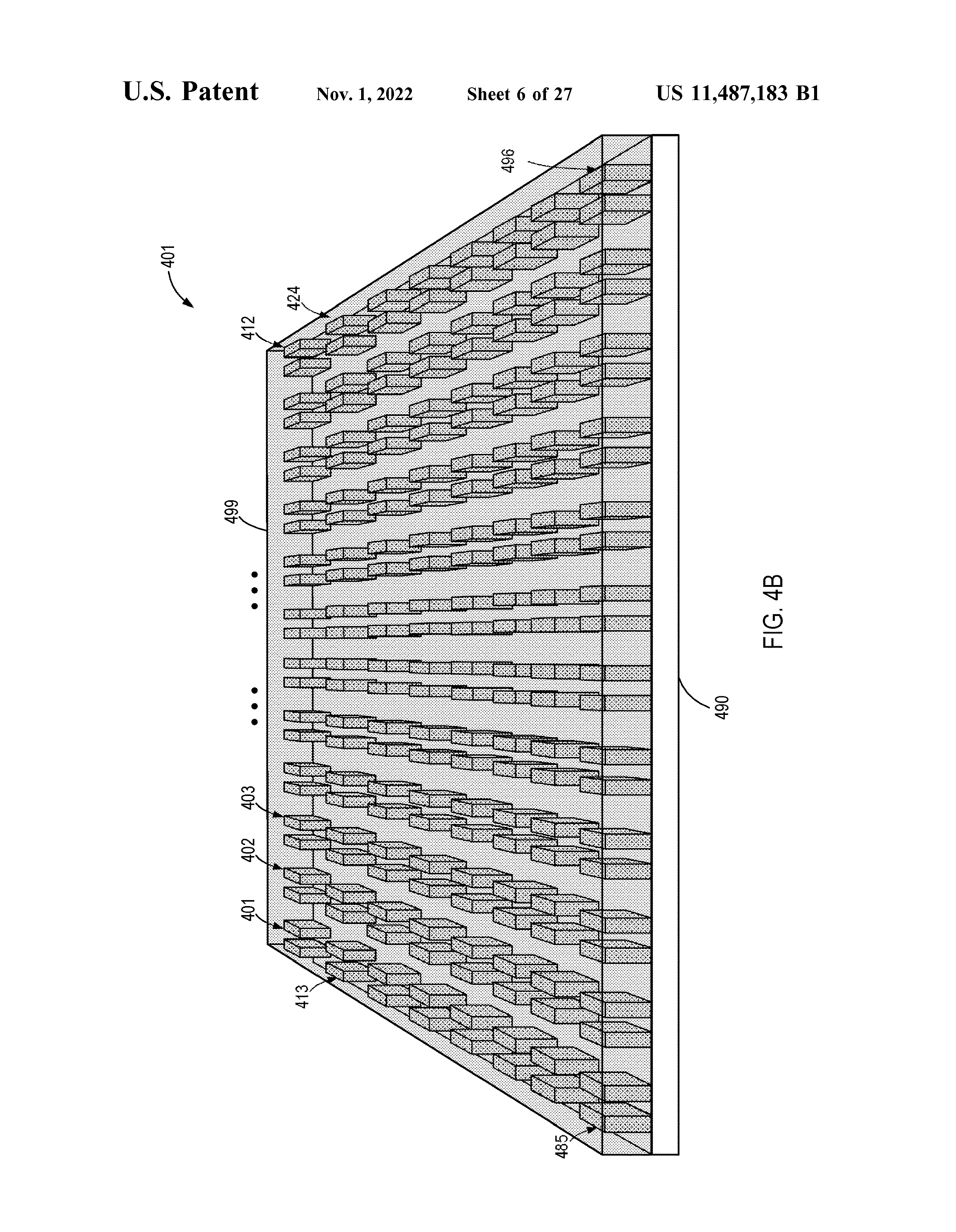
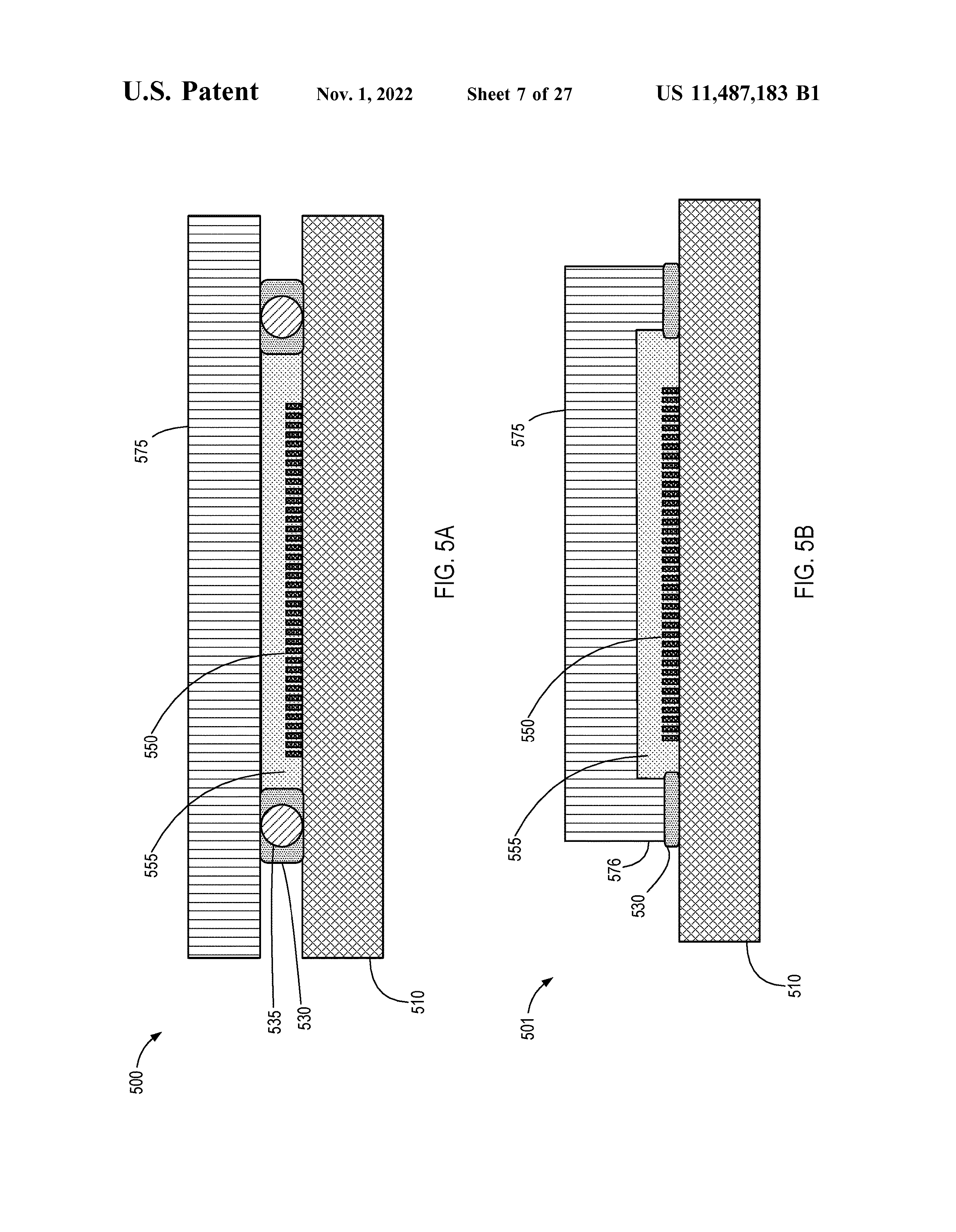
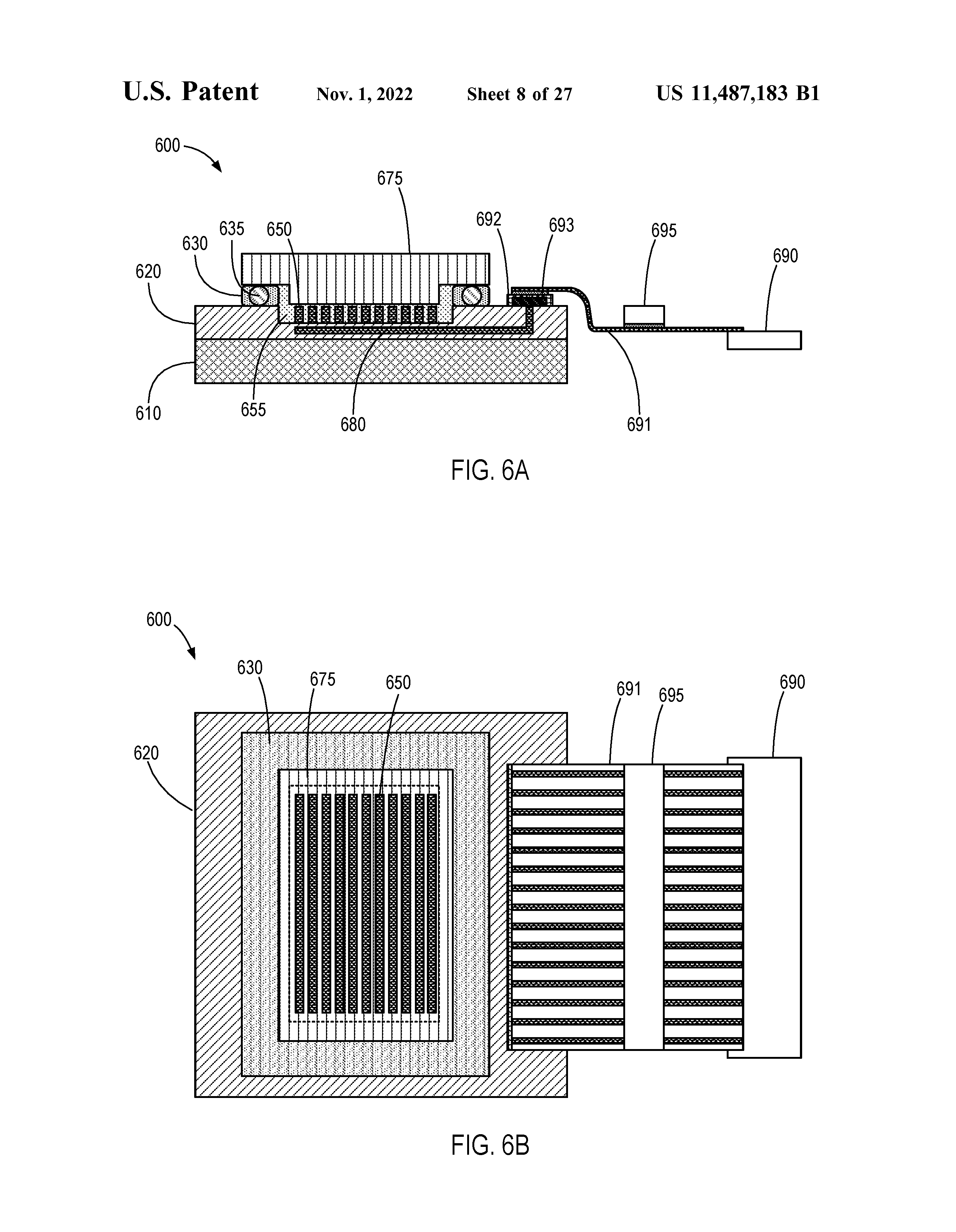
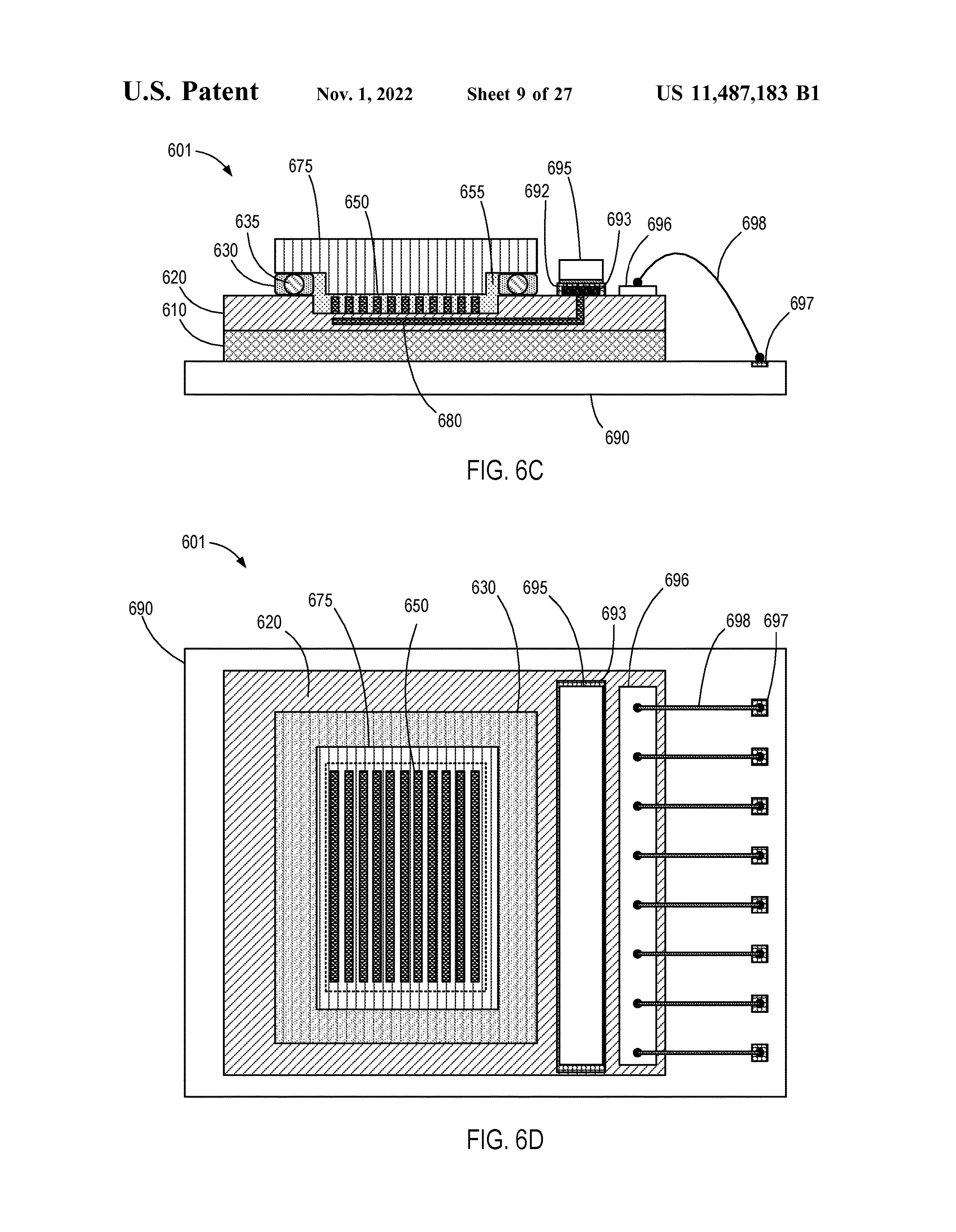
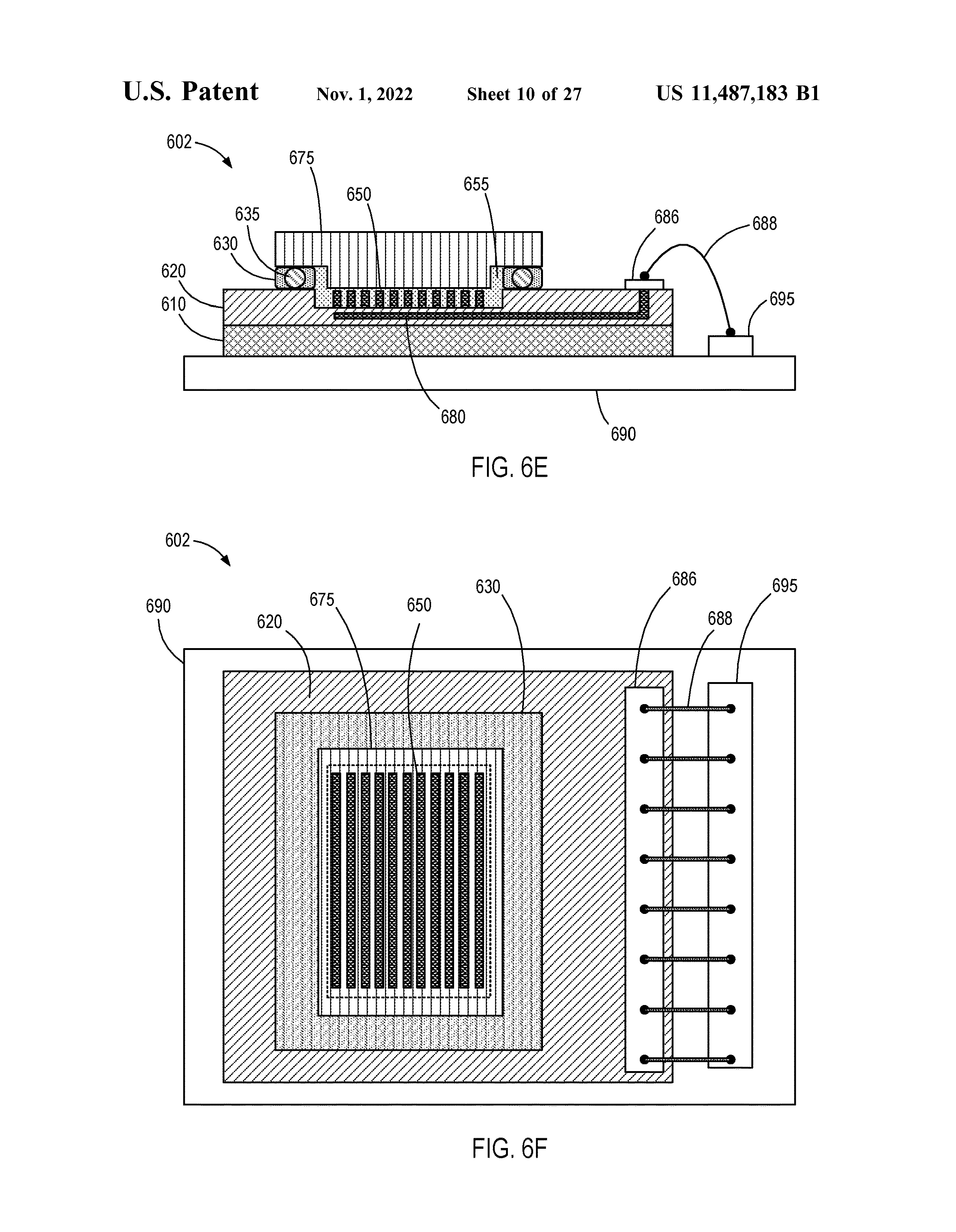
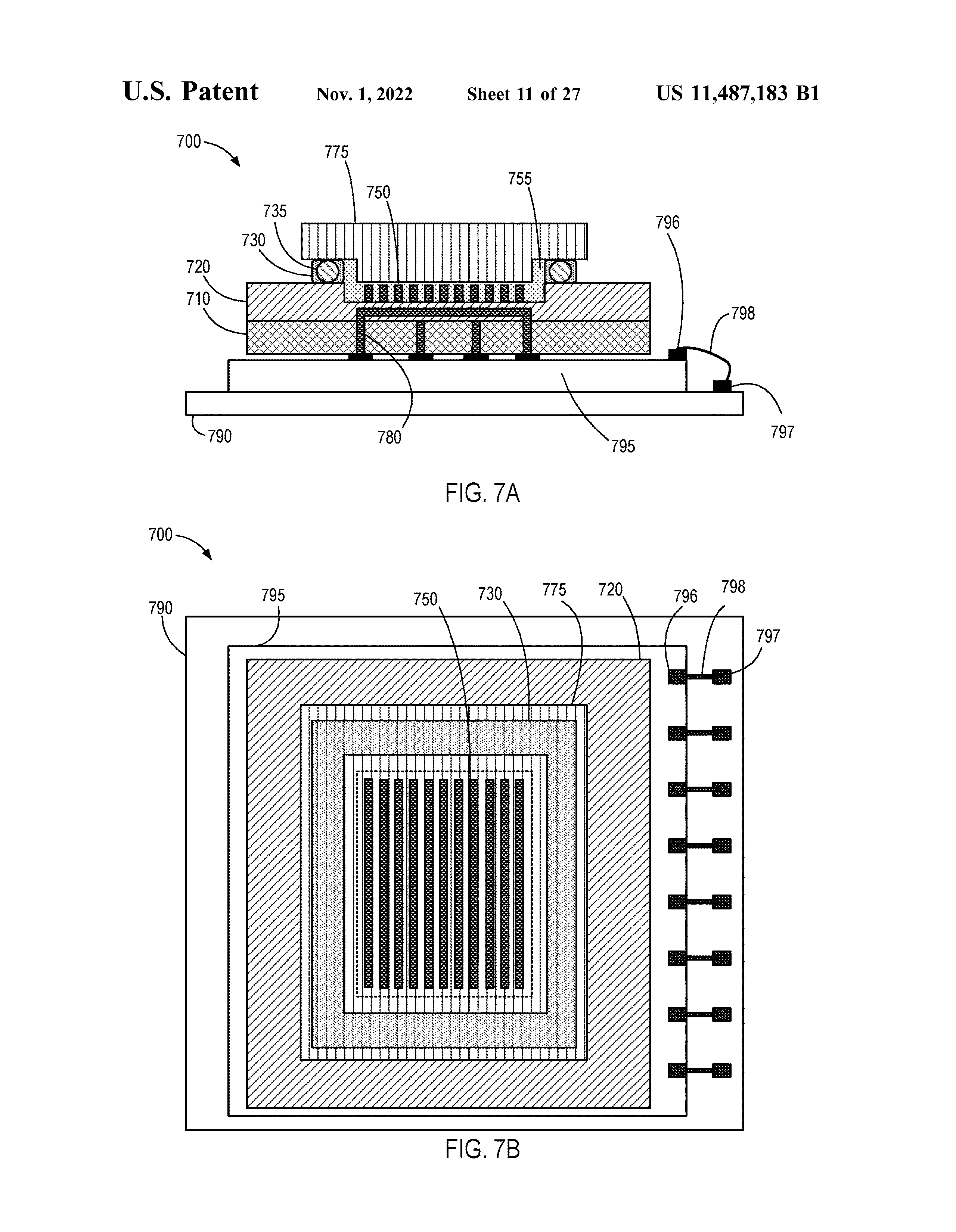
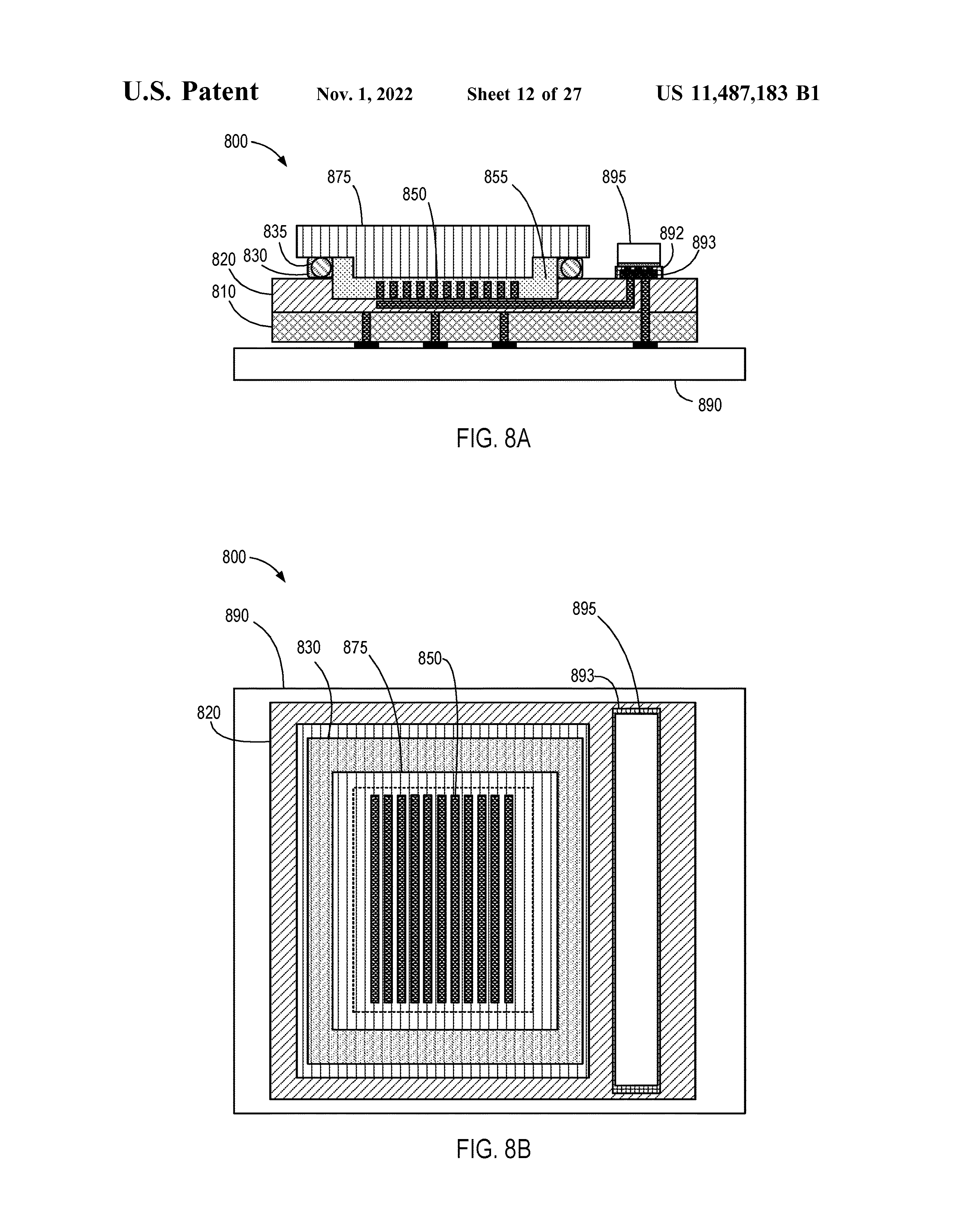
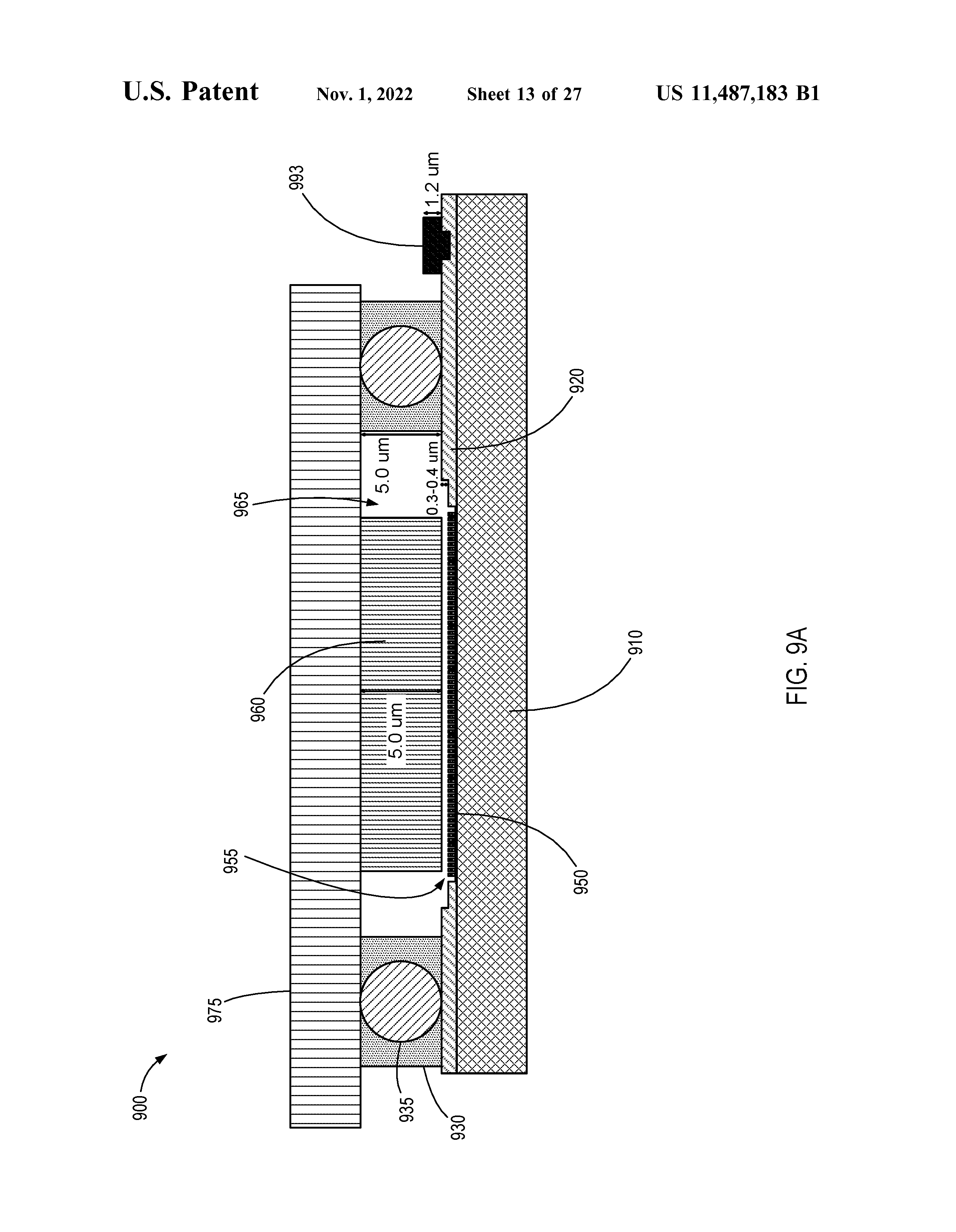
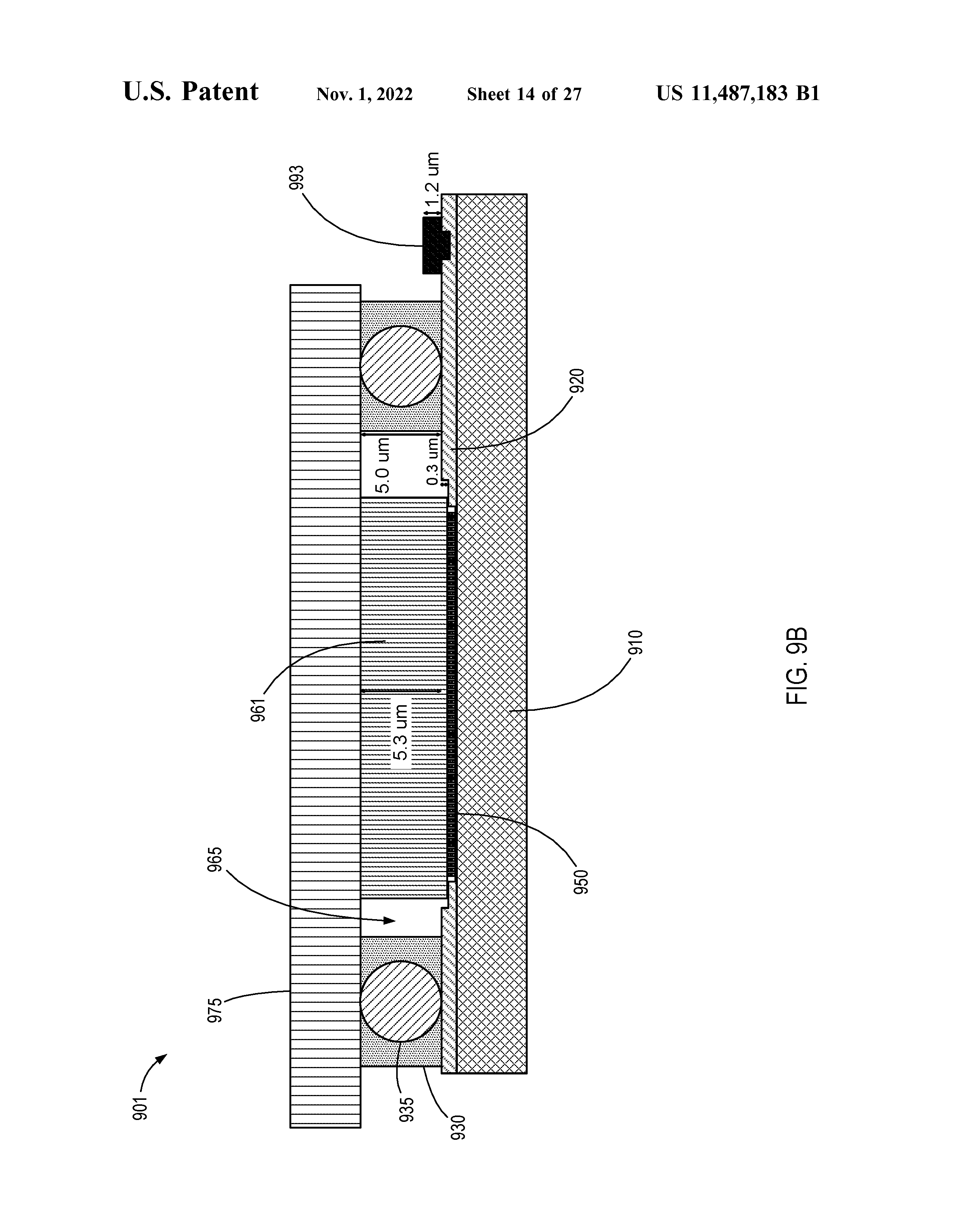
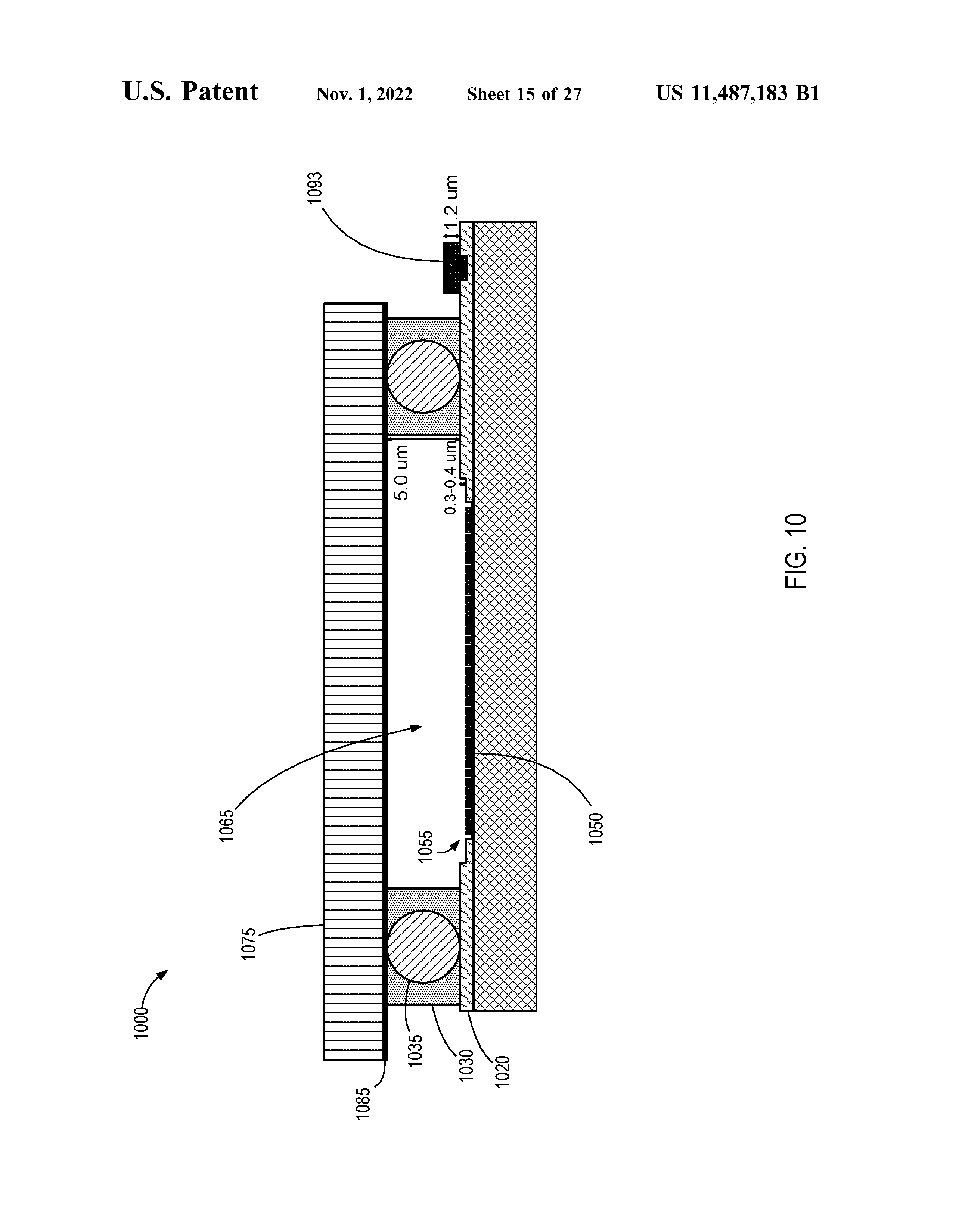
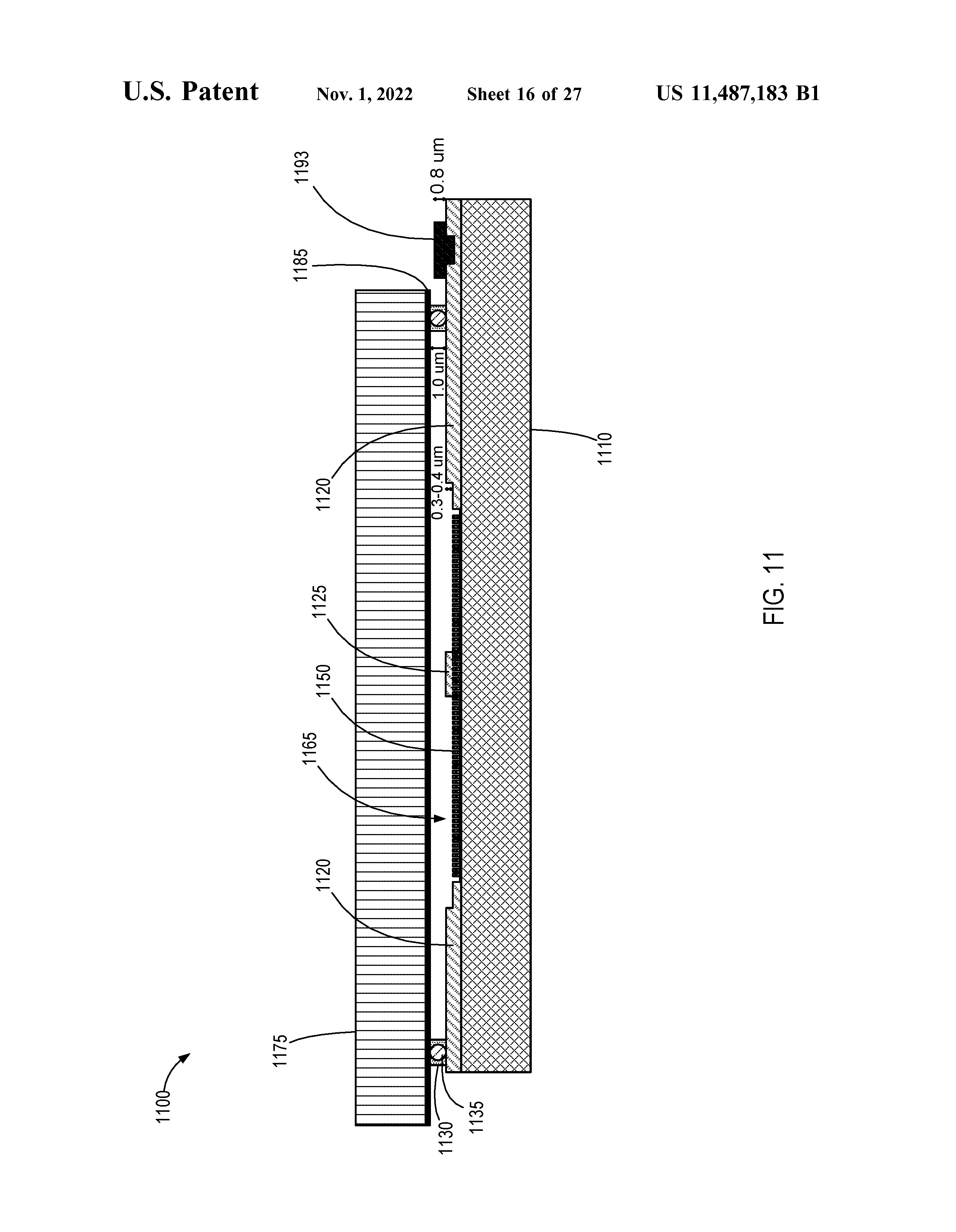
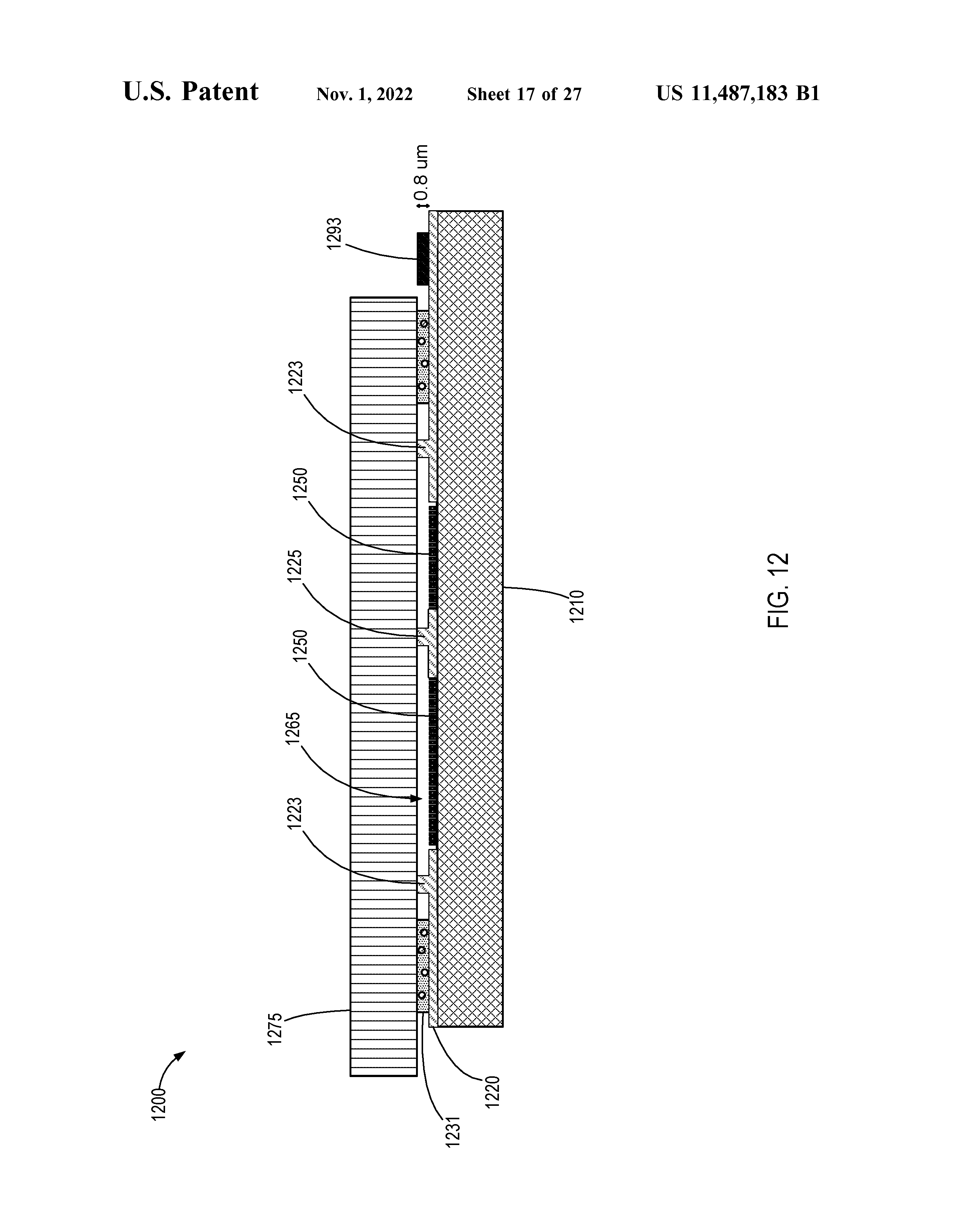
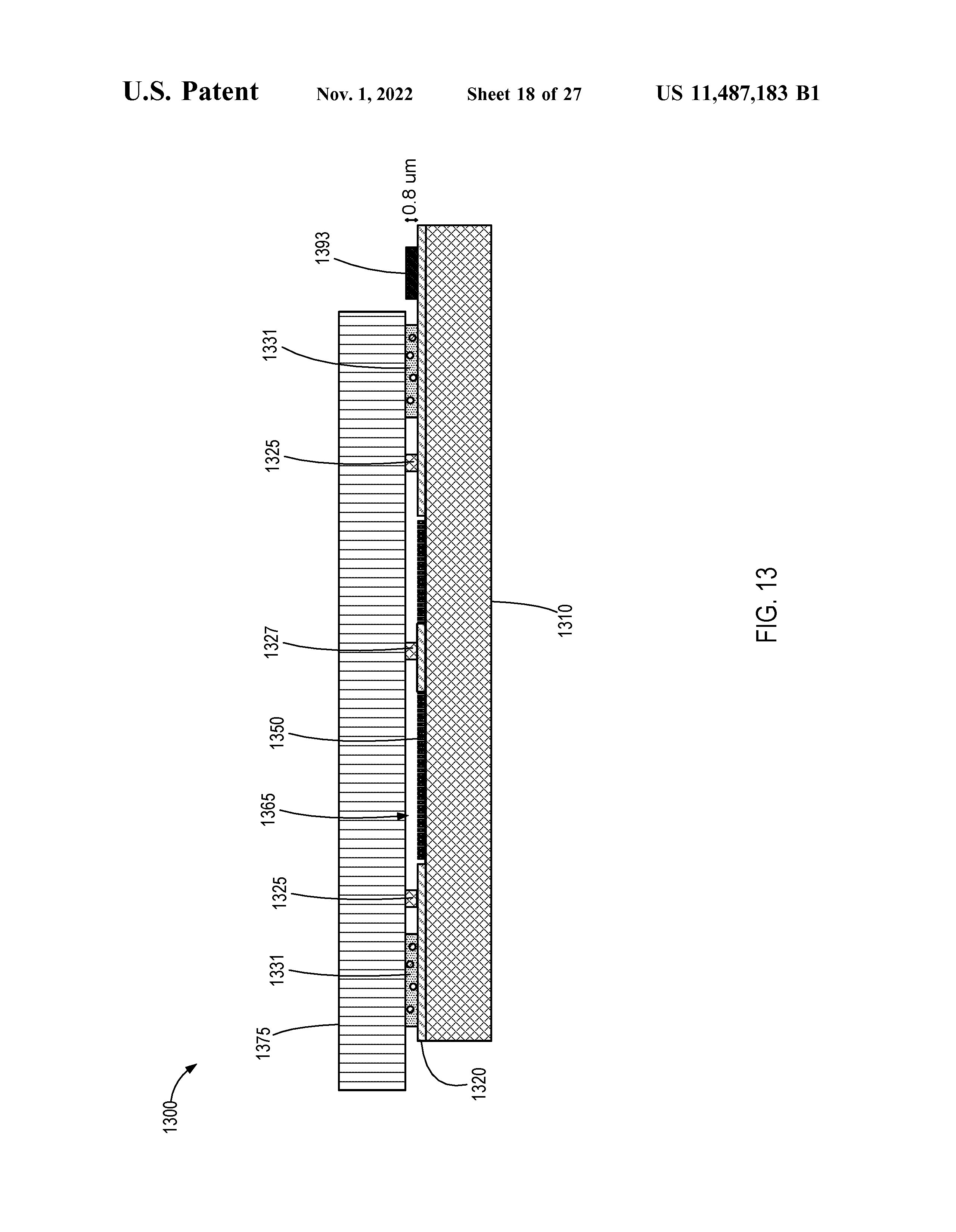
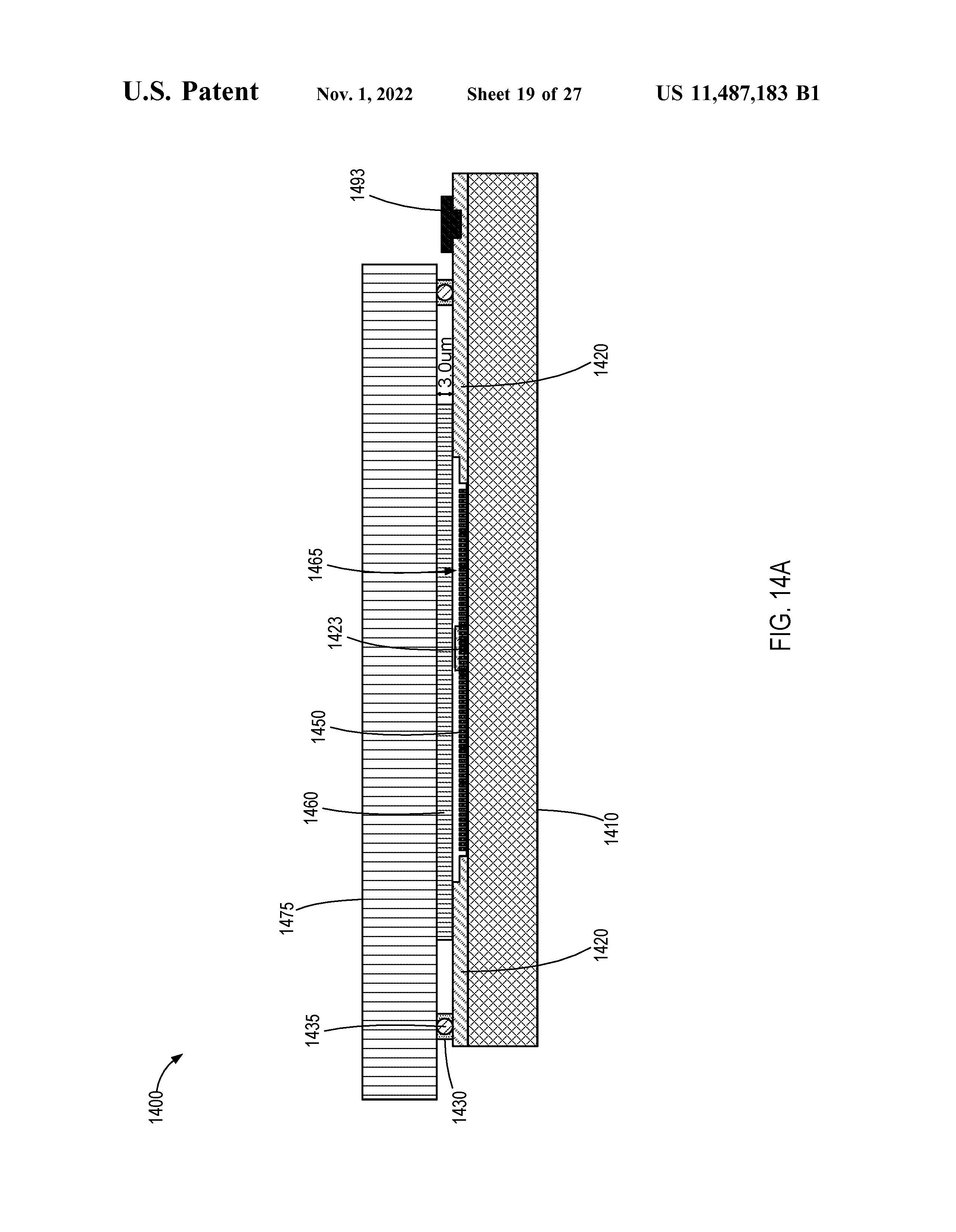
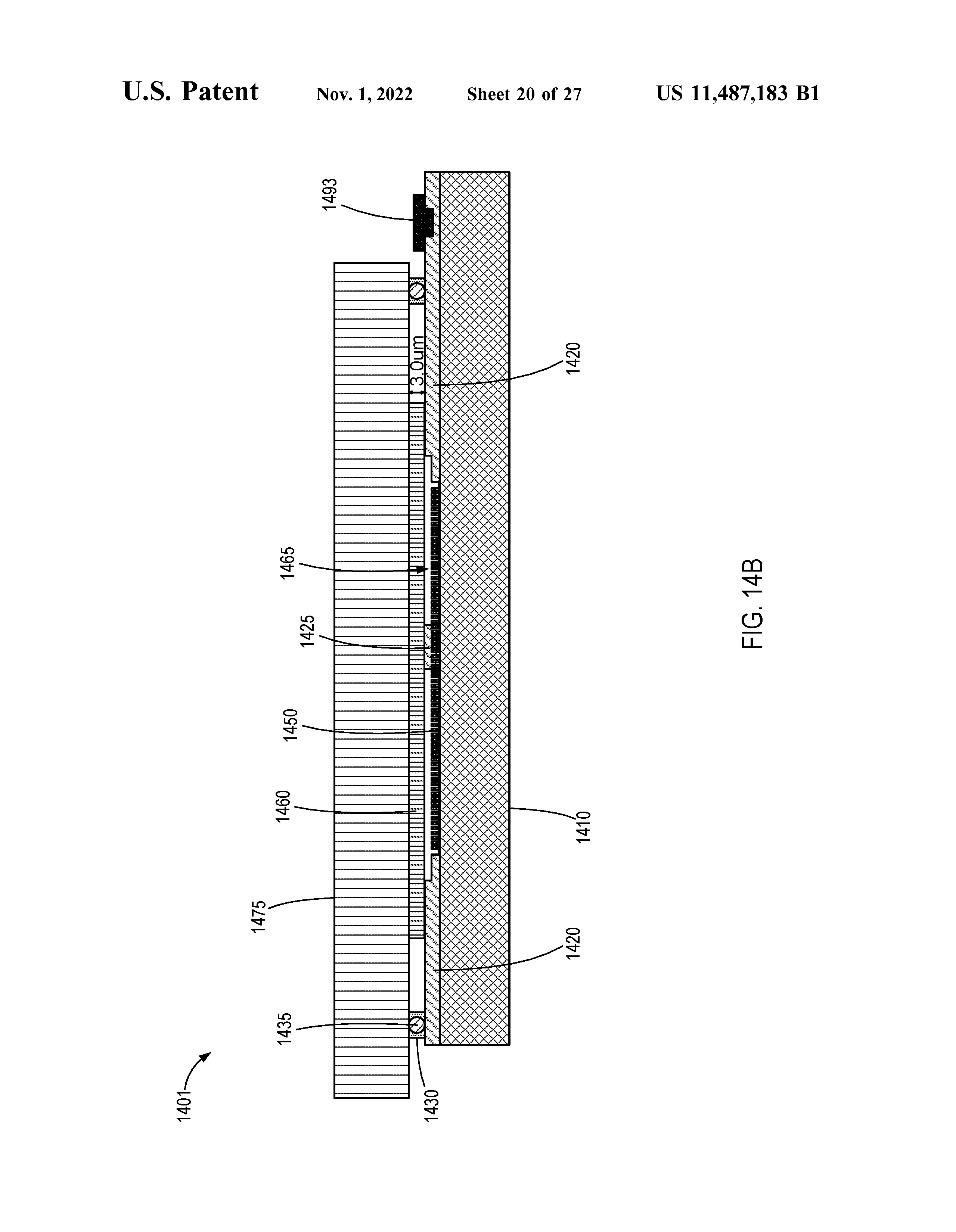
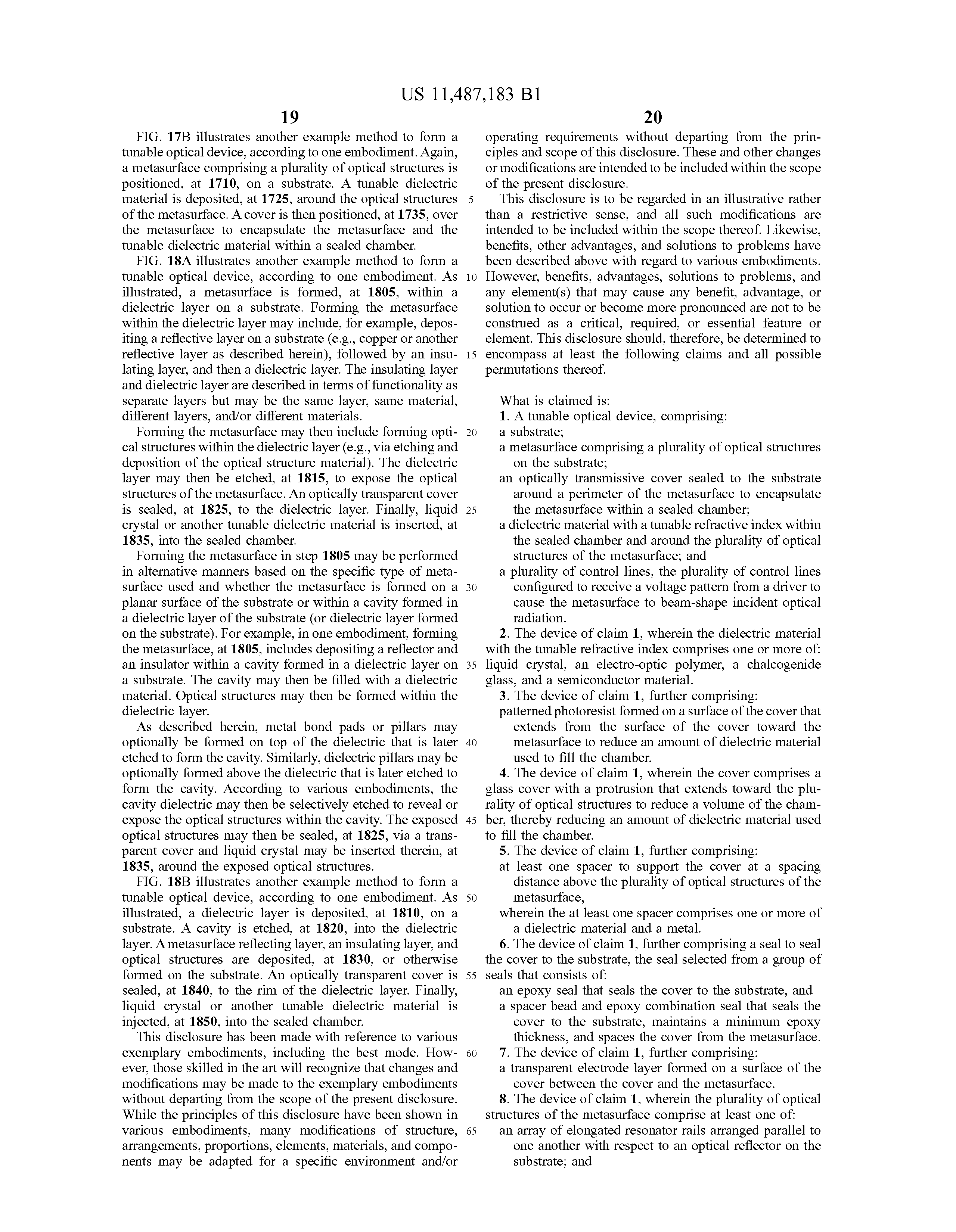
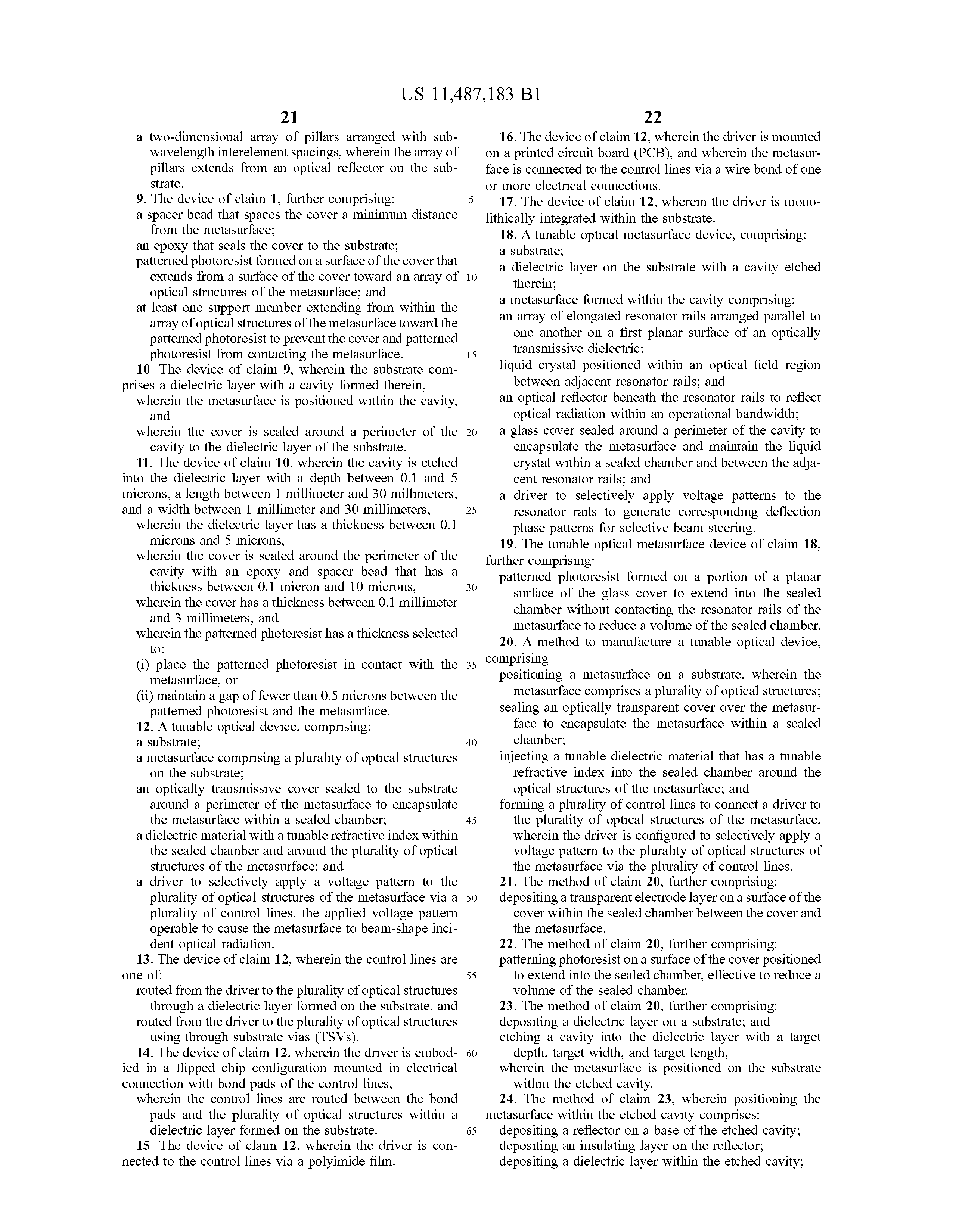
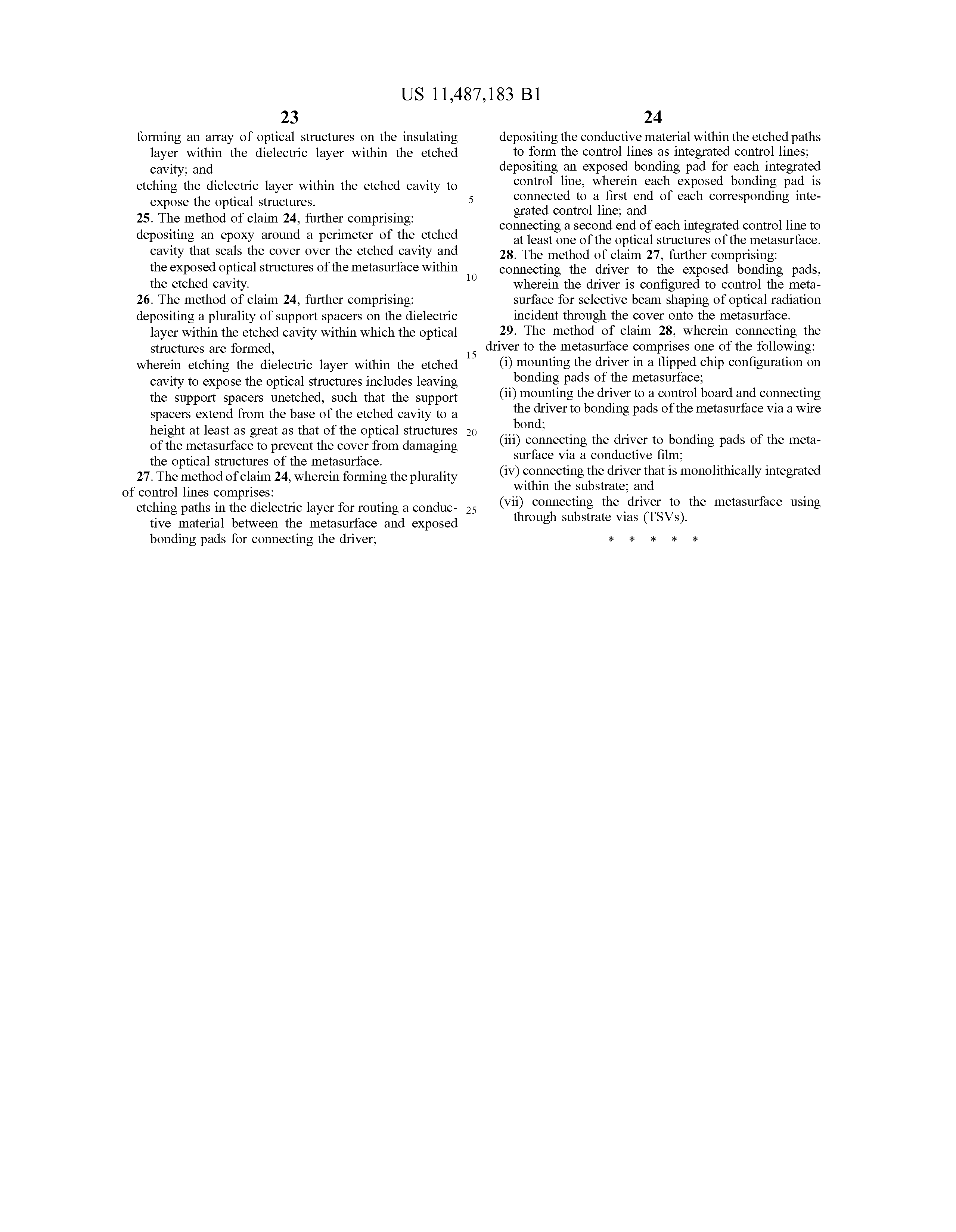
Abstract:
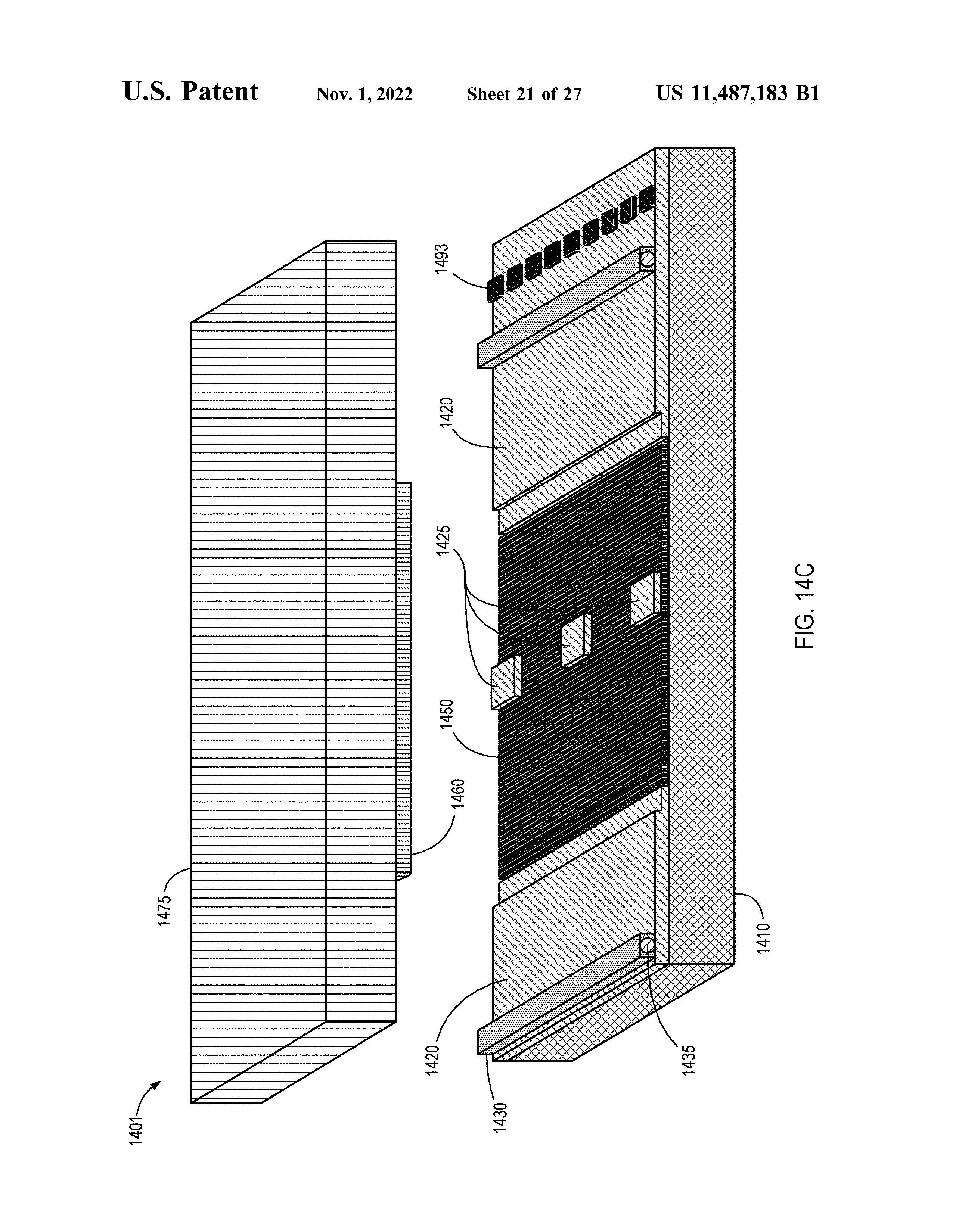
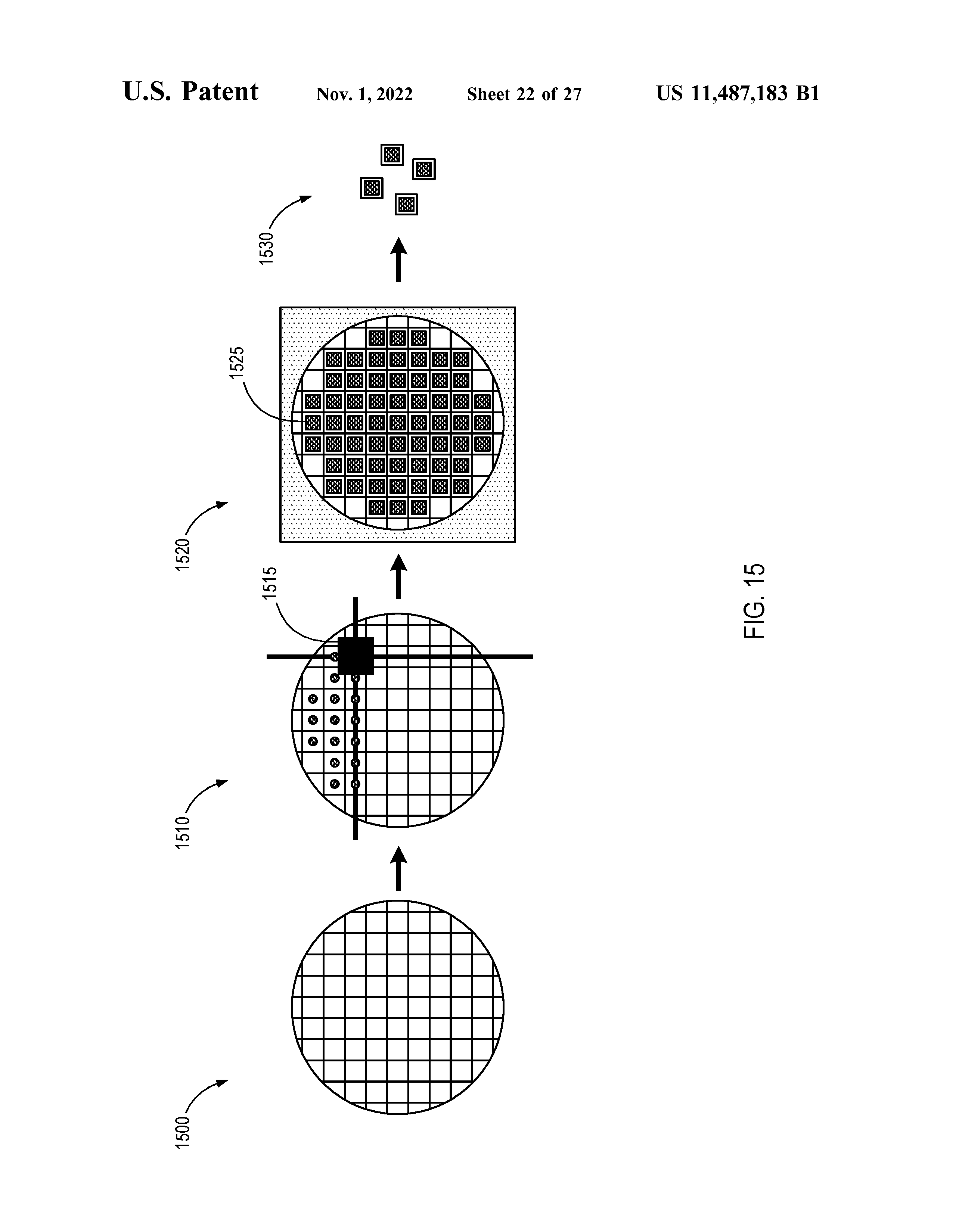
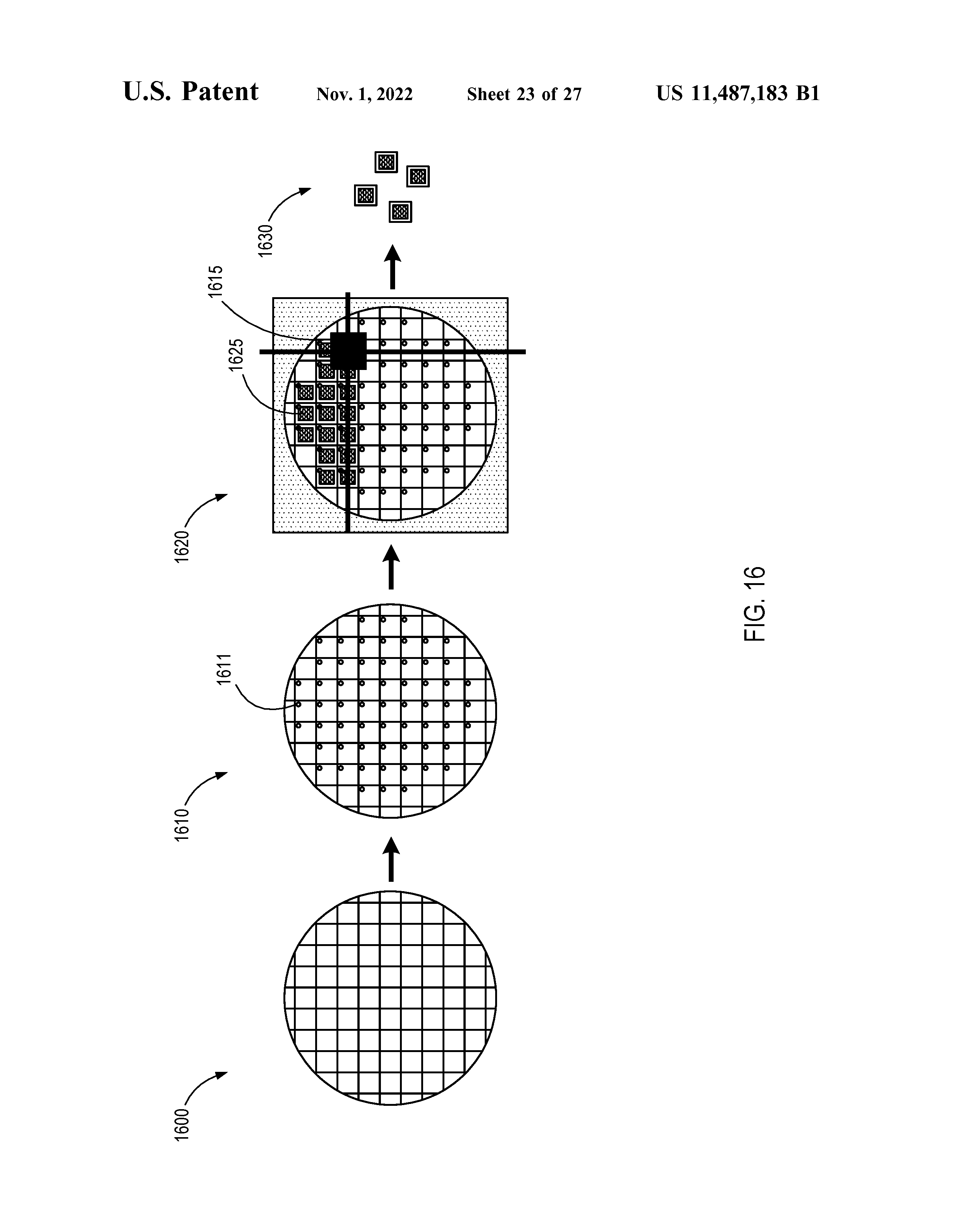
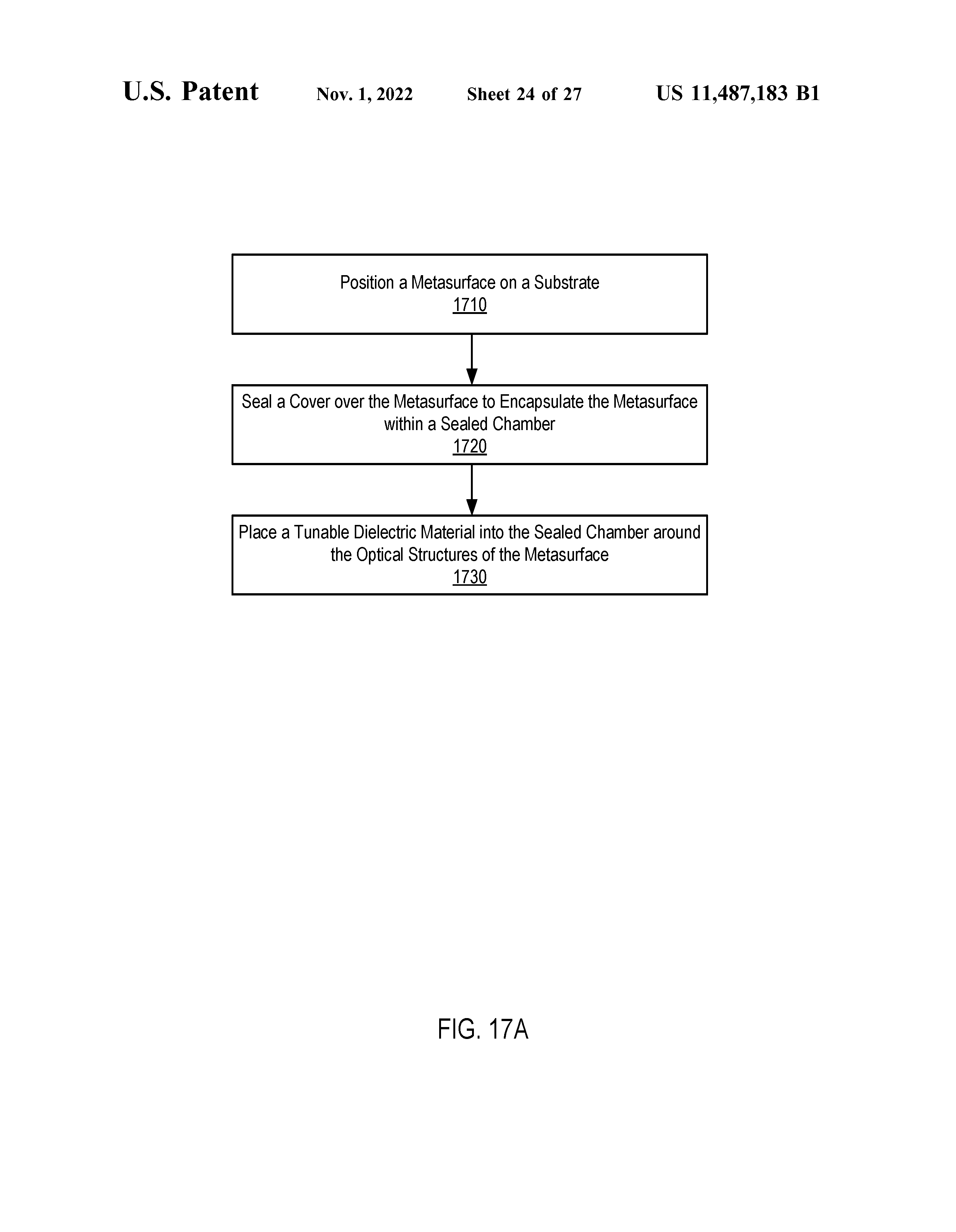
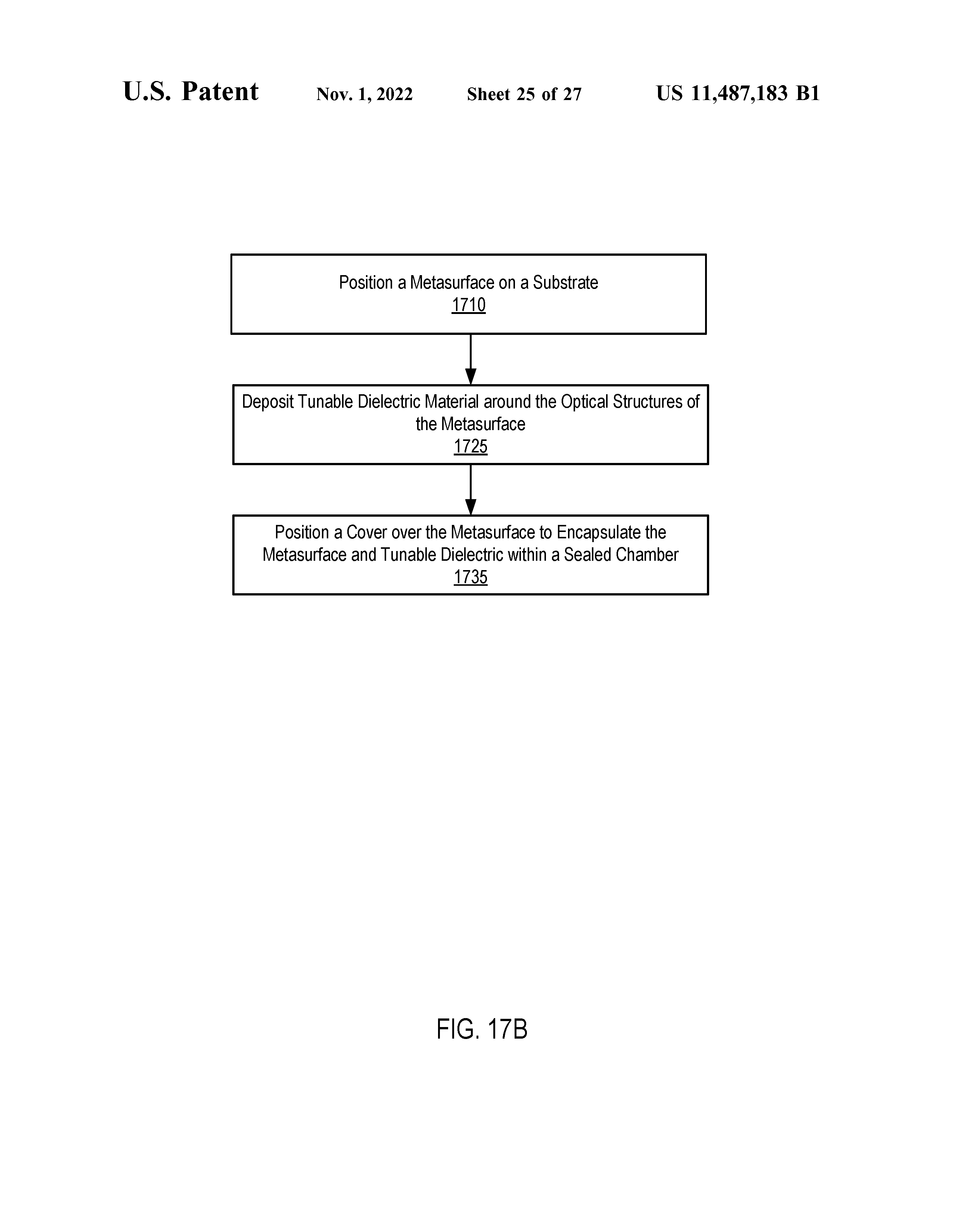
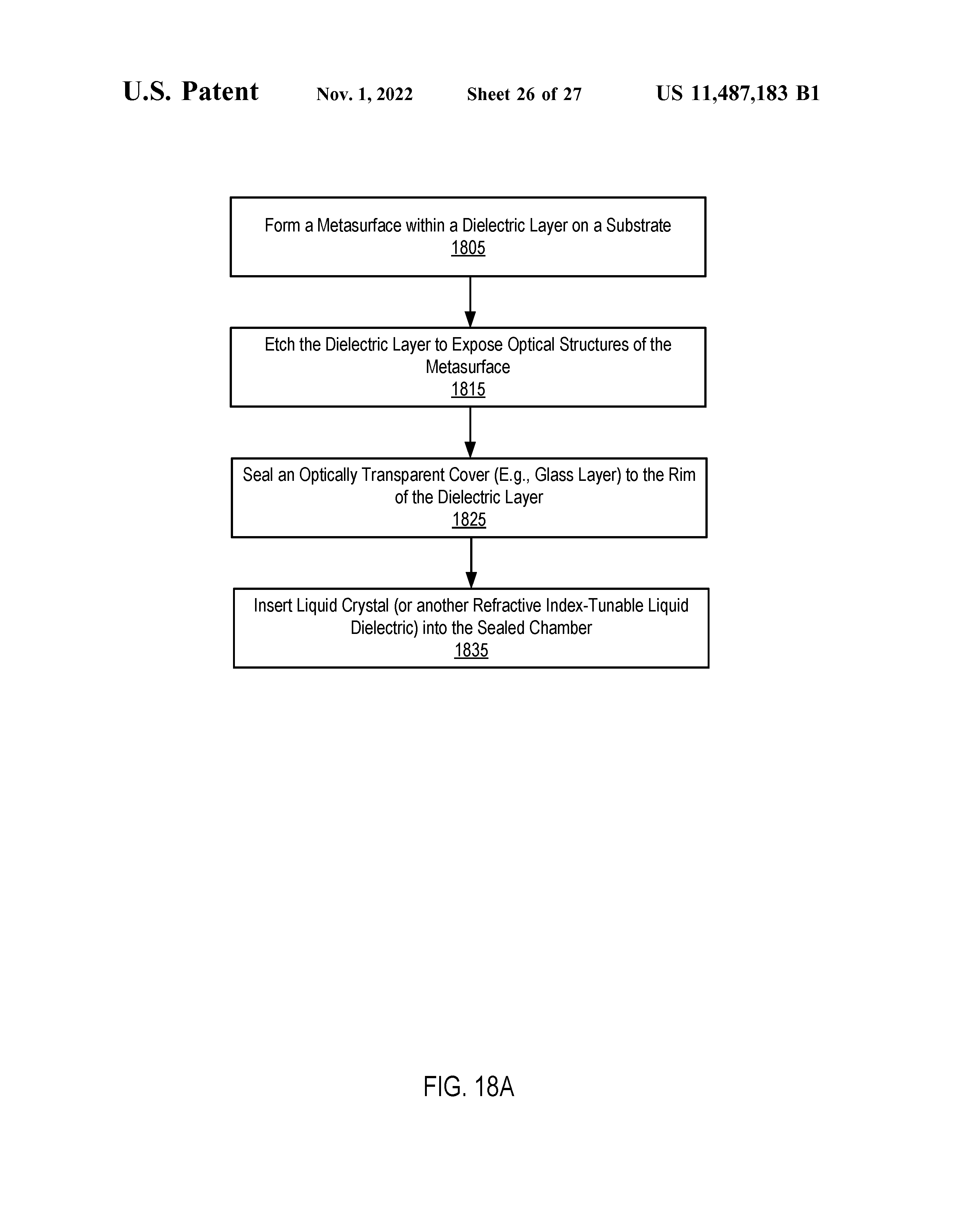
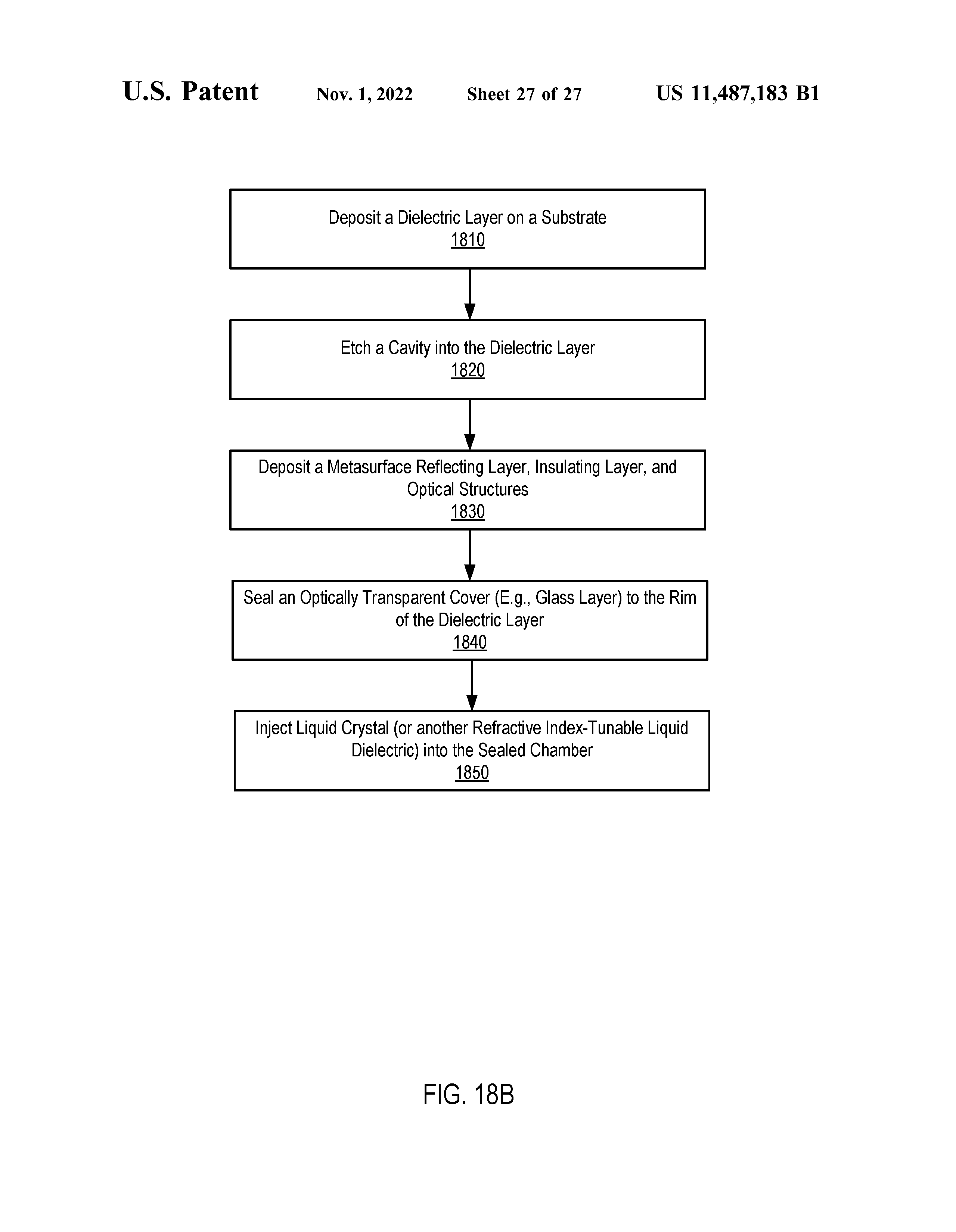
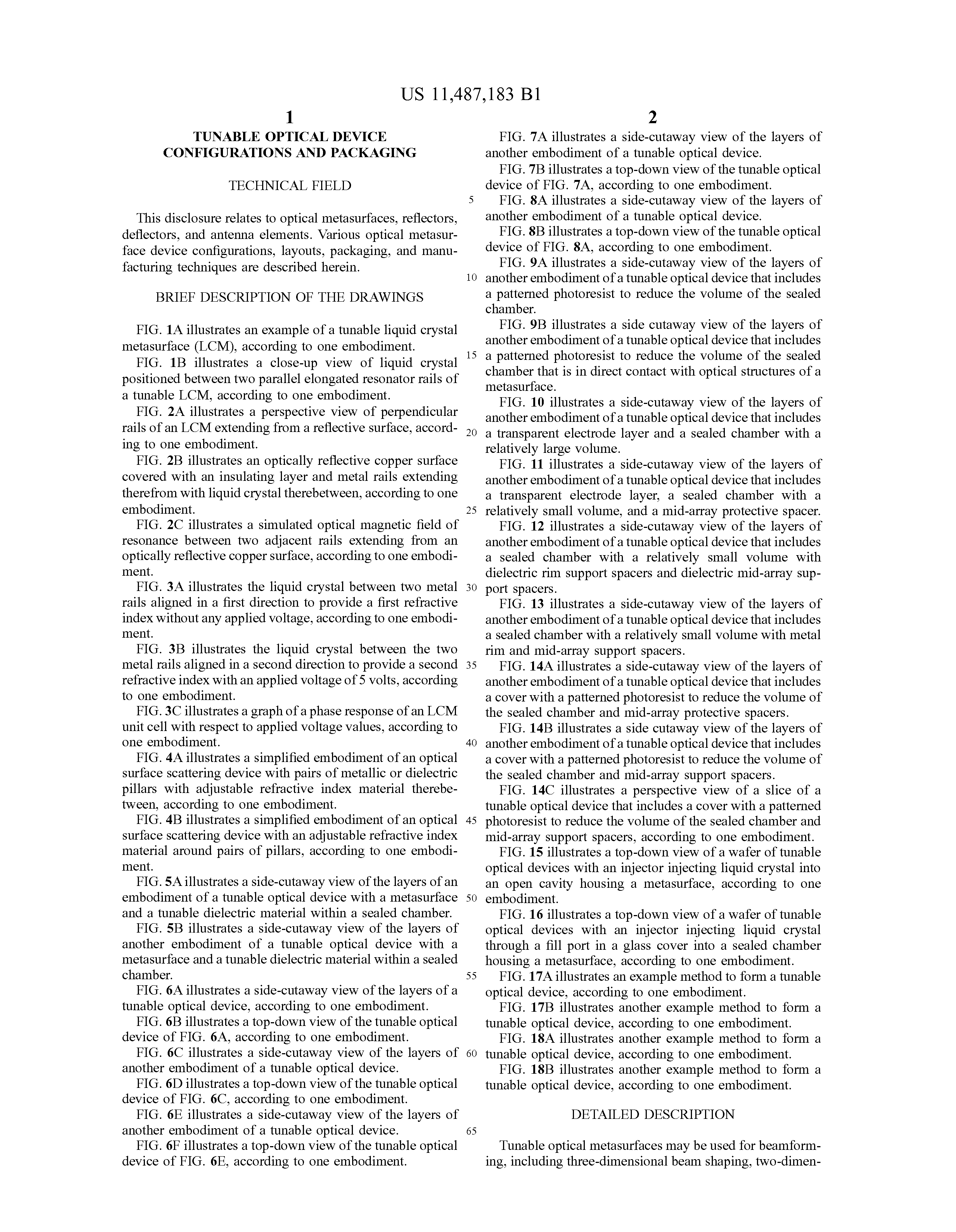
According to various embodiments, a cover is sealed over a metasurface on a substrate to create a sealed chamber. Liquid crystal, or another tunable refractive index dielectric material, is positioned within the sealed chamber around optical structures of the metasurface before or after the cover is sealed. For example, the liquid crystal may be injected through small vias or holes to fill a sealed chamber. In some embodiments, a glass cover is shaped or patterned with photoresist to protrude into the sealed chamber to reduce the thickness of the liquid crystal used to fill the sealed chamber. A driver to control the metasurface may be, for example, integrated within the substrate, be attached to exposed bond pads of the metasurface, and/or be embodied as a control layer connected to the metasurface through the substrate by through-substrate vias (TSVs).
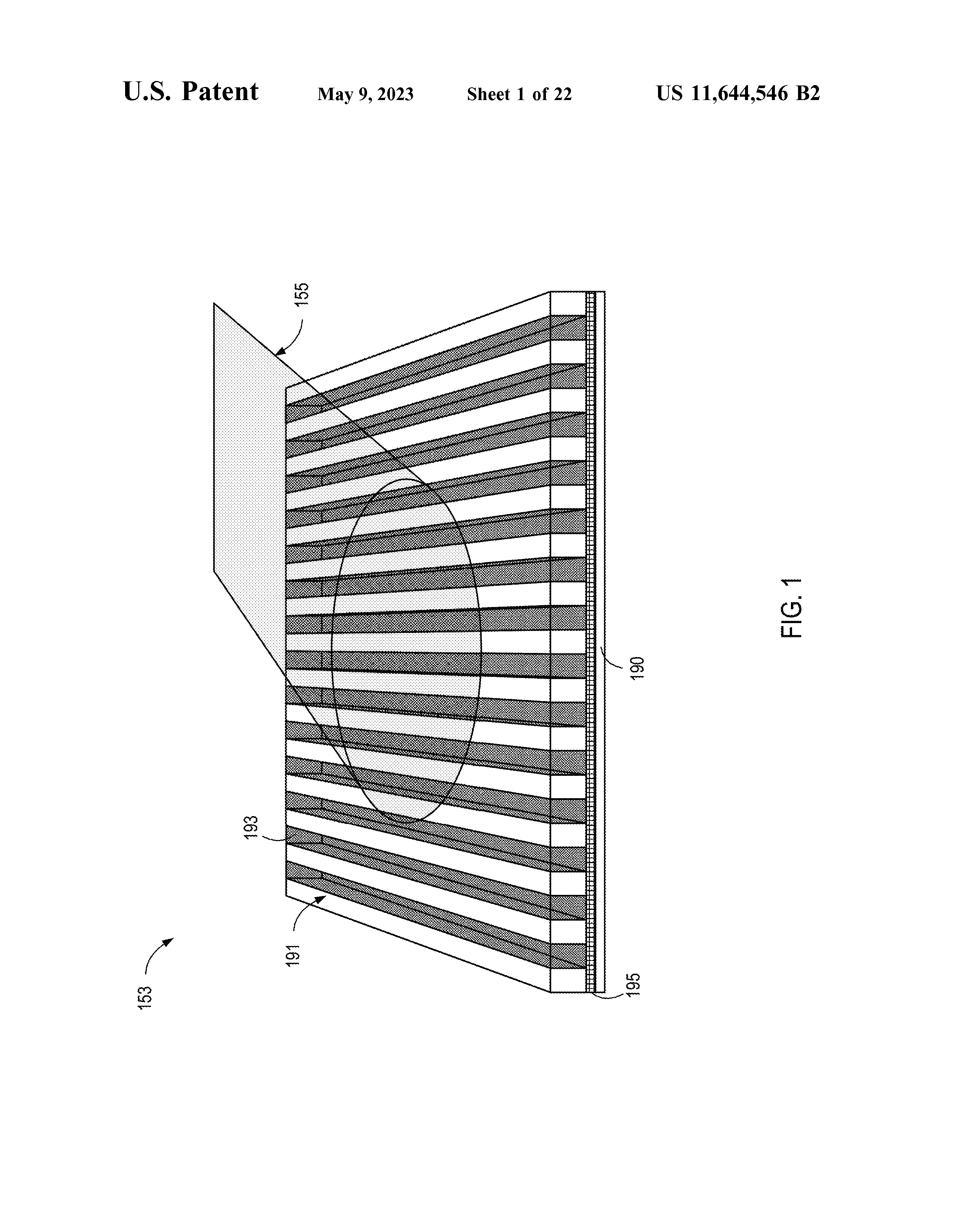
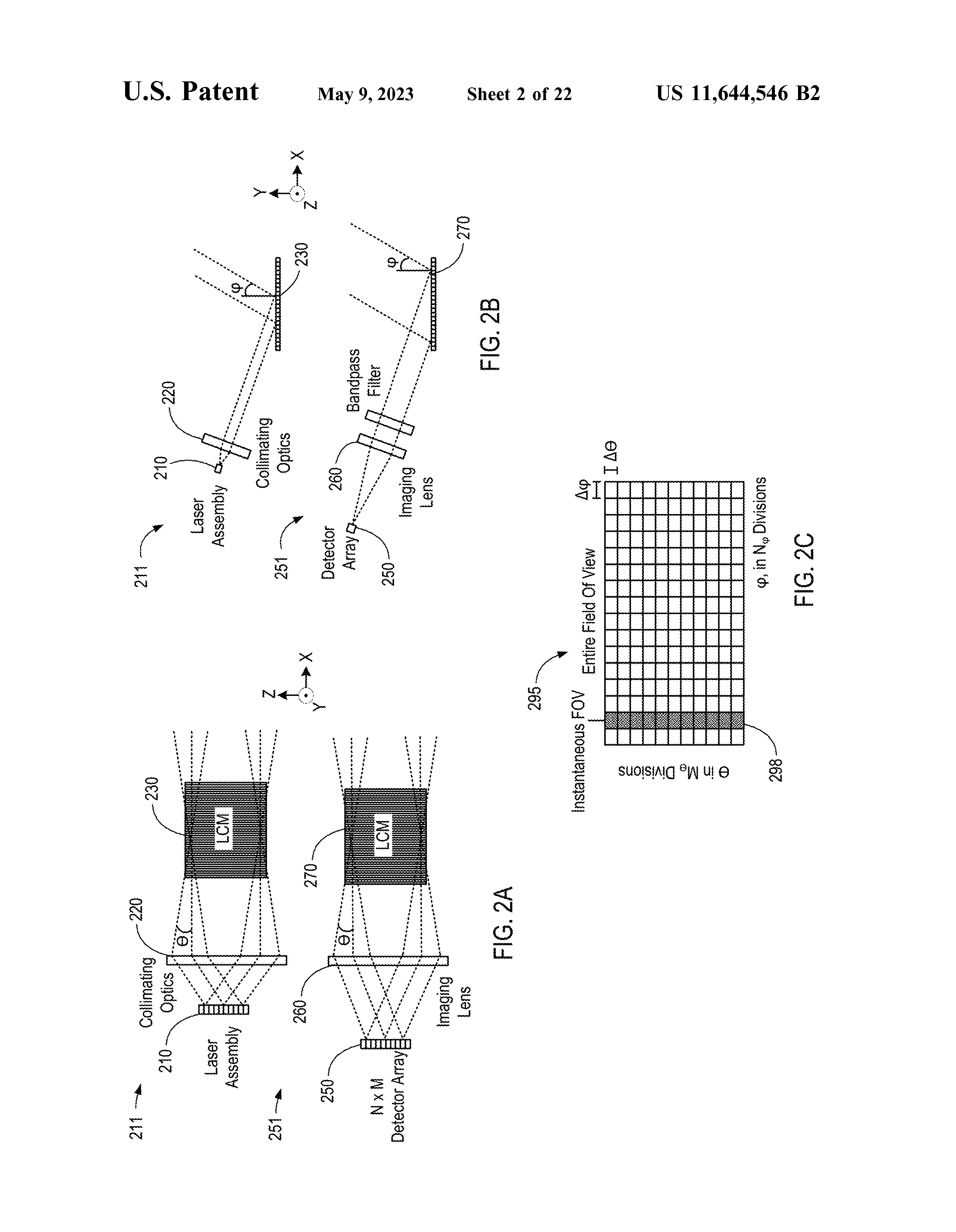
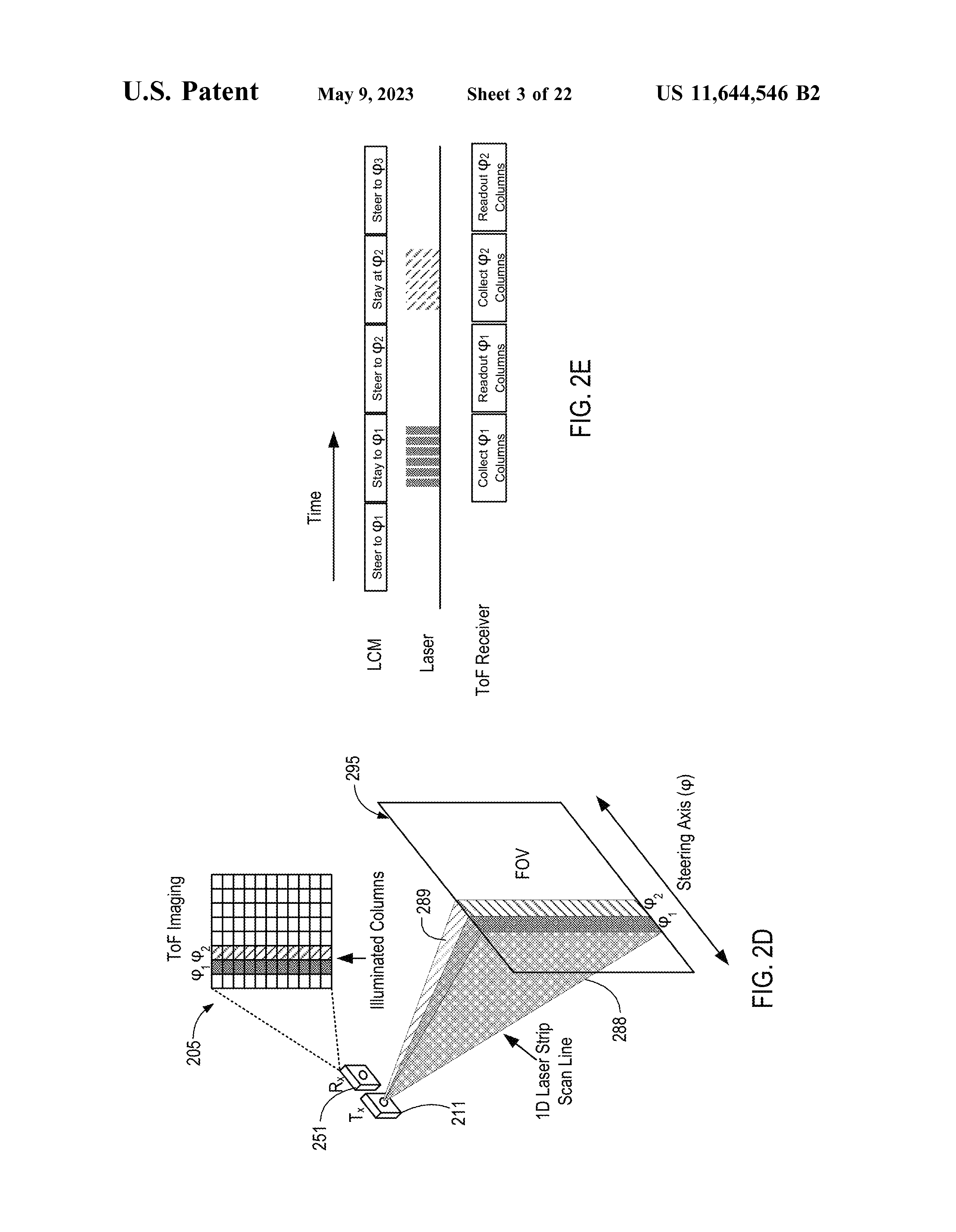
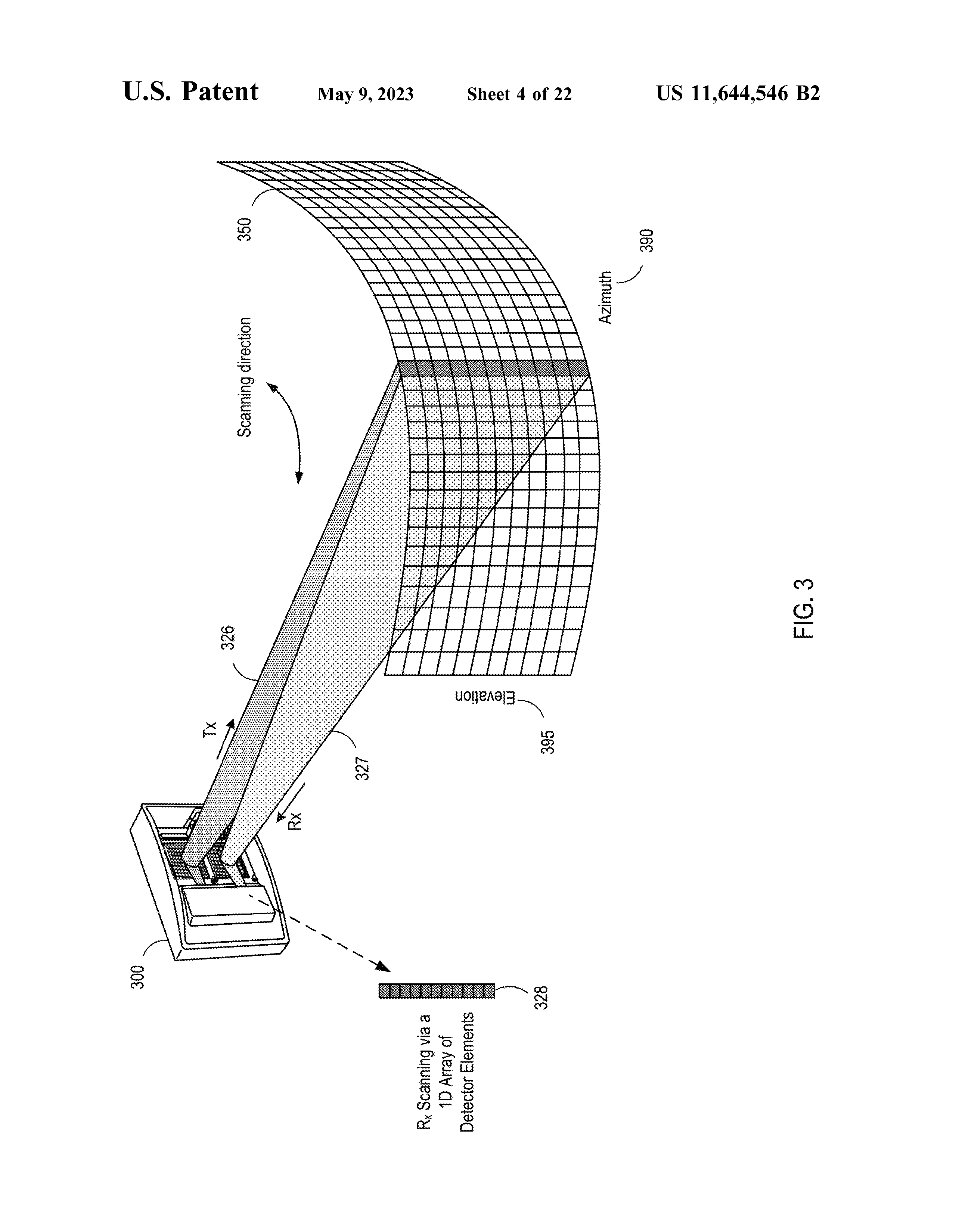
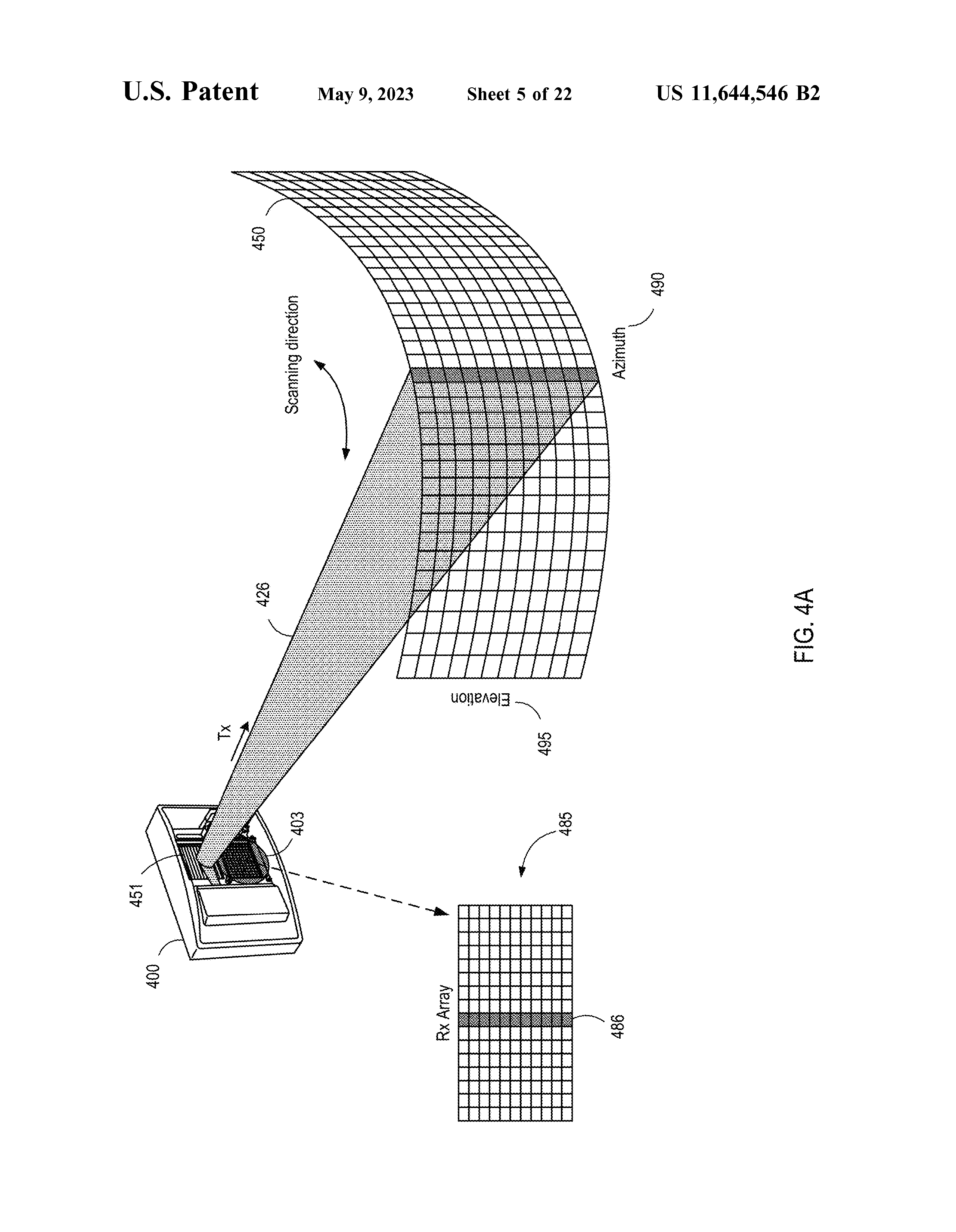
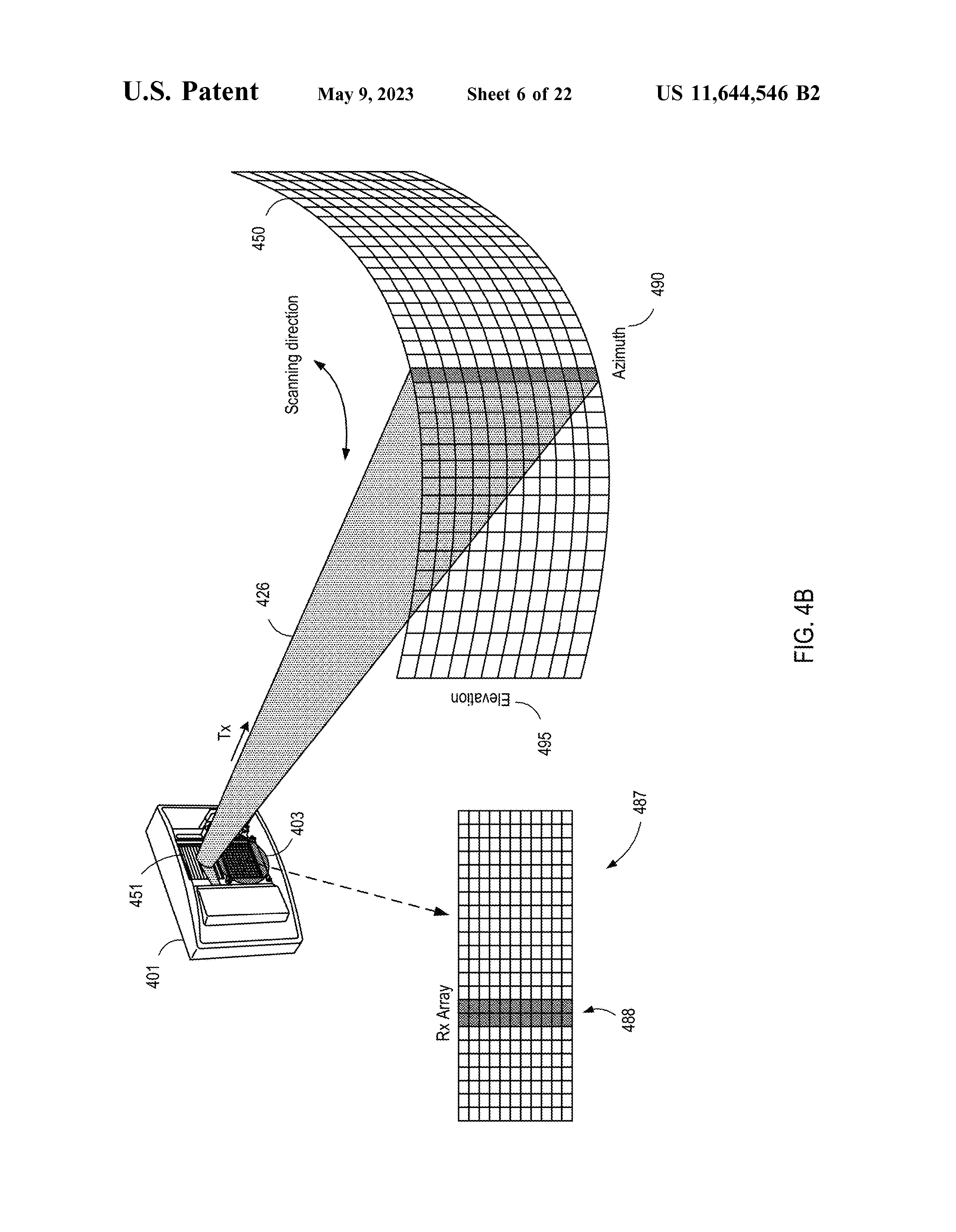
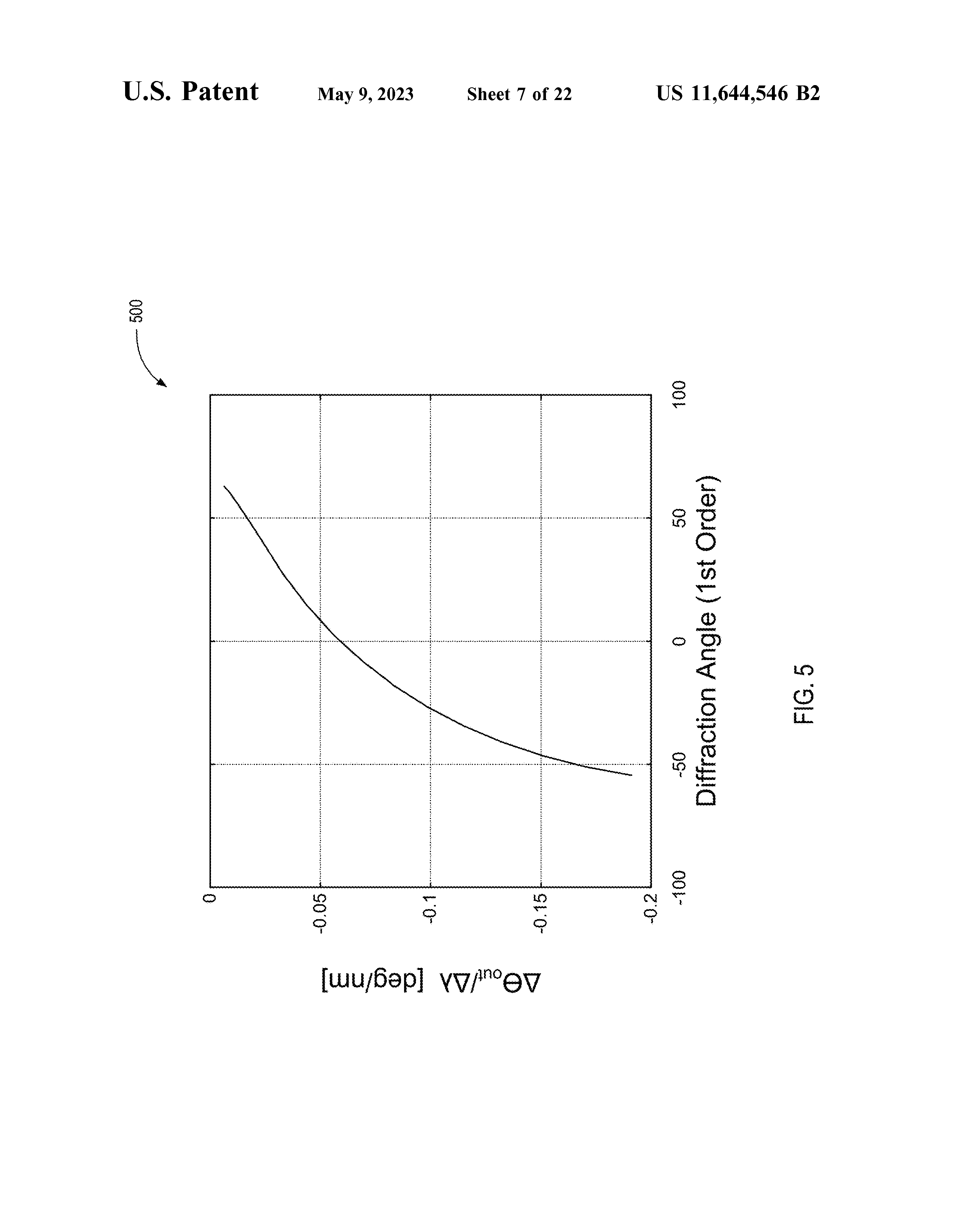
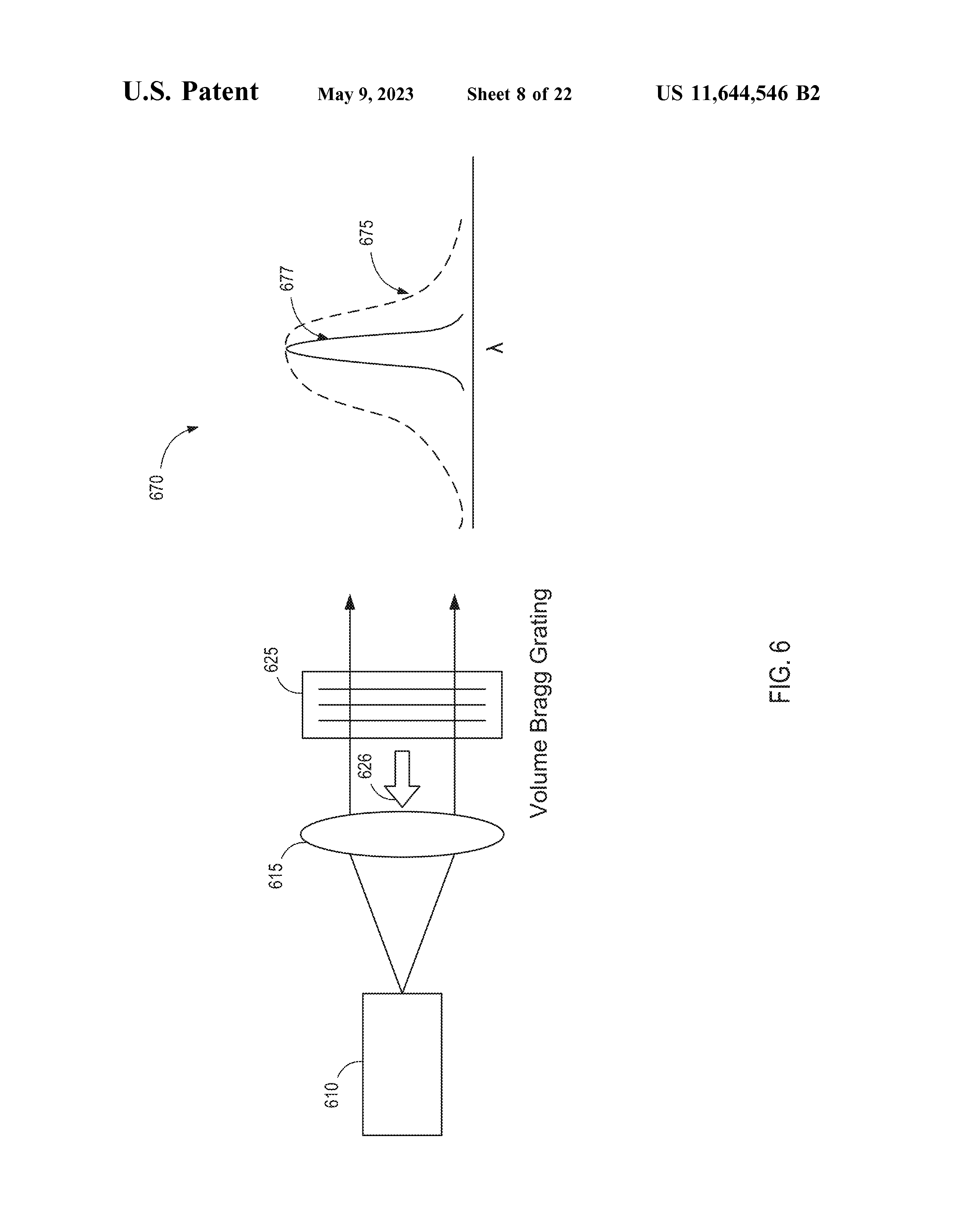
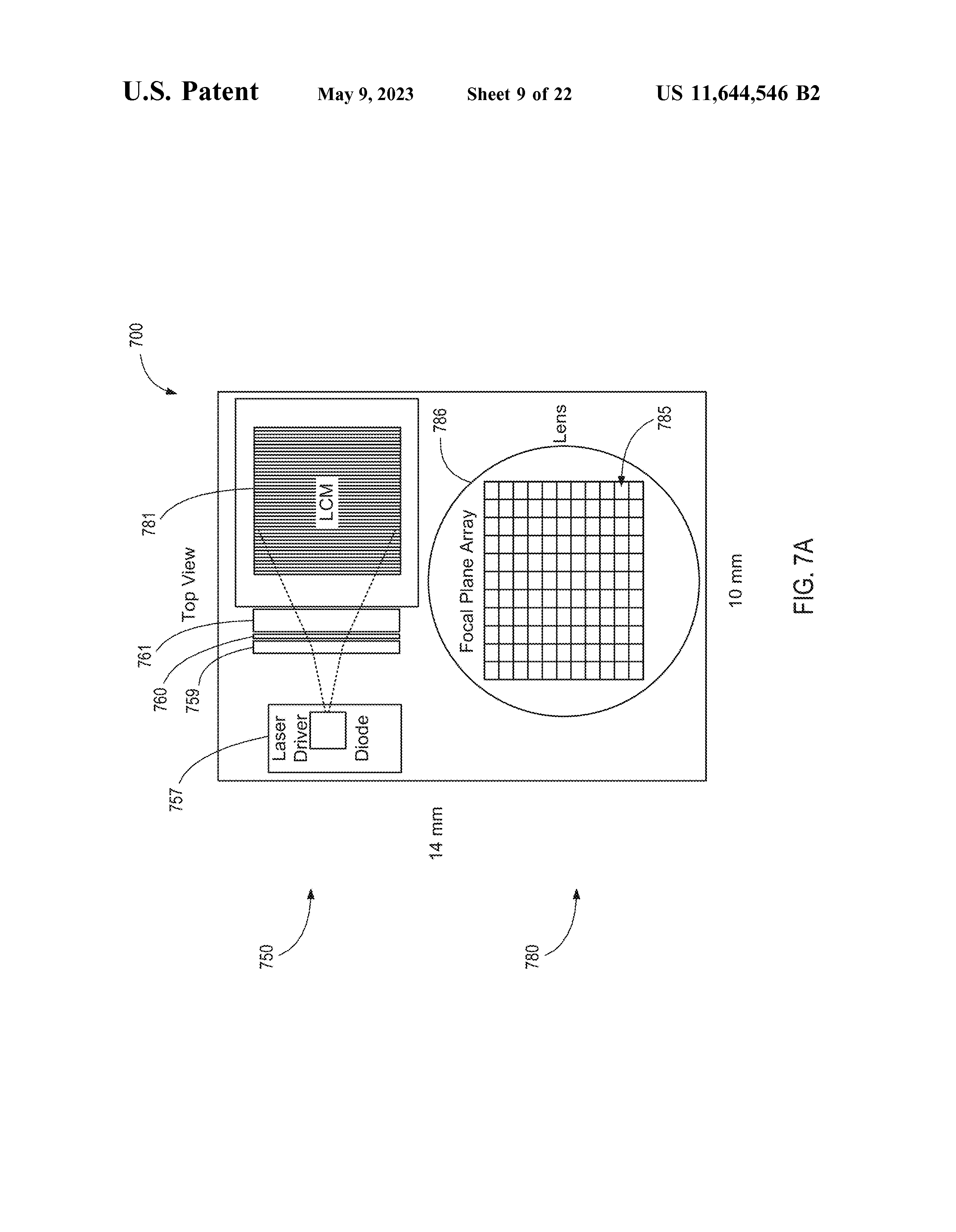
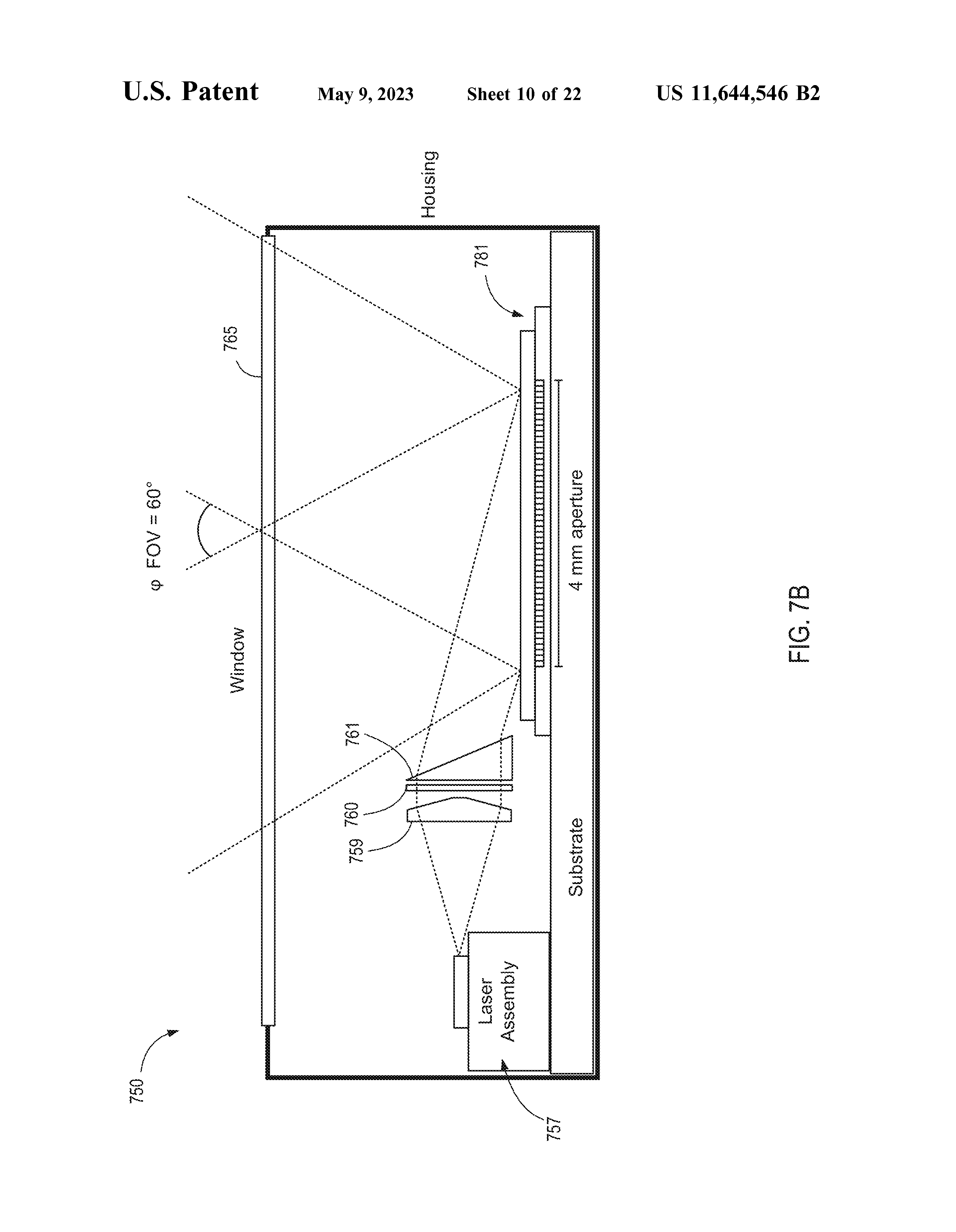
Lidar systems based on tunable optical metasurfaces
Published:
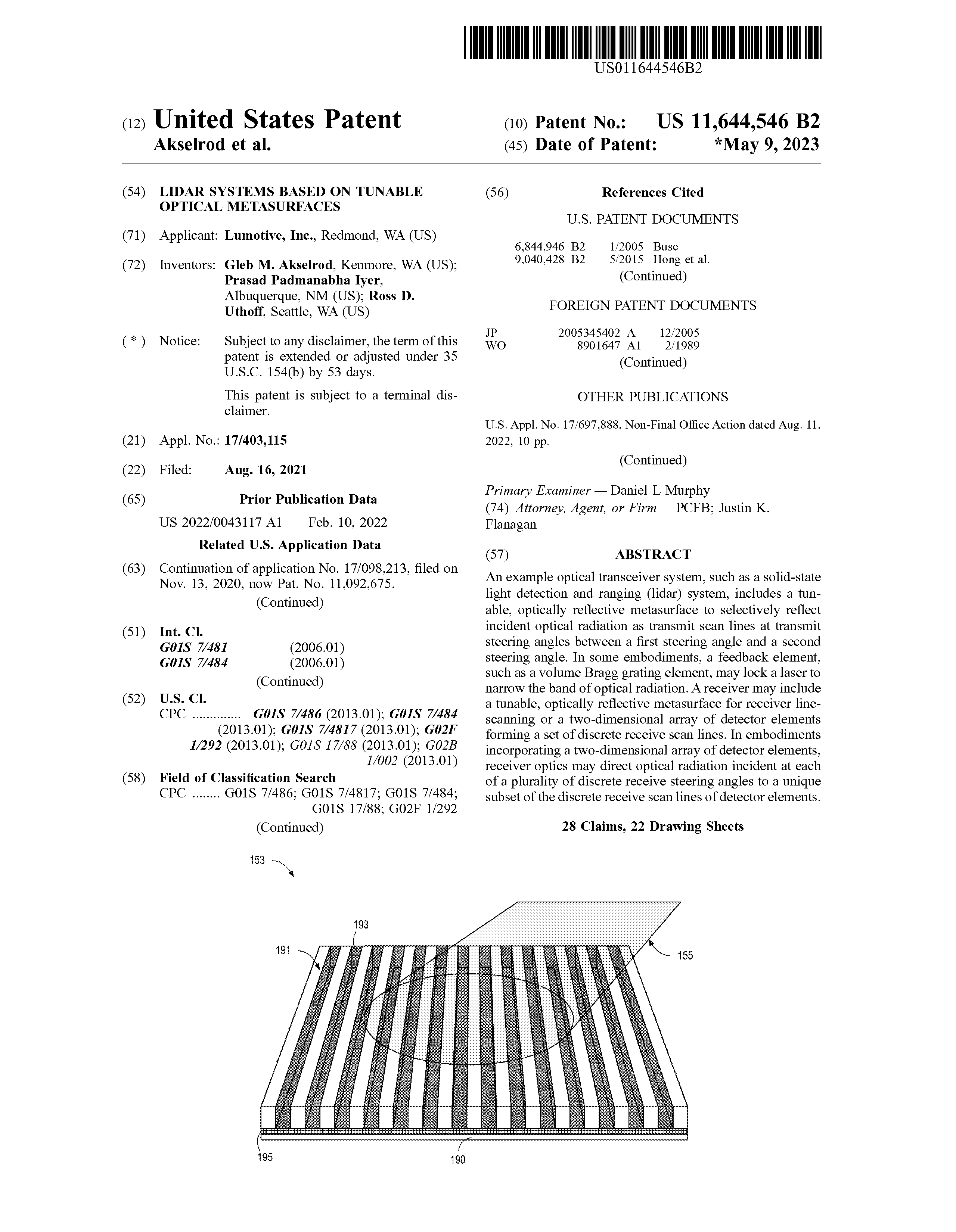
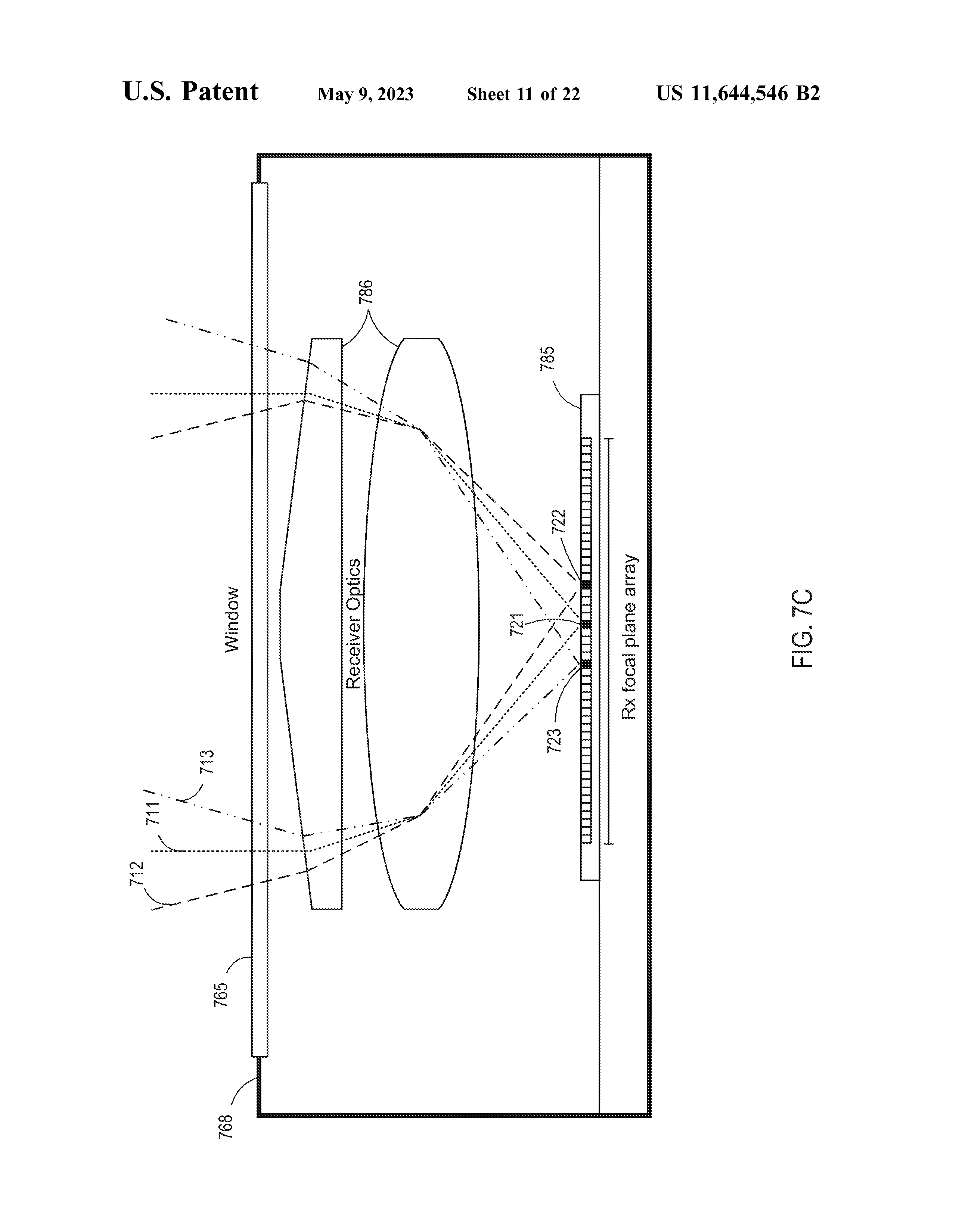
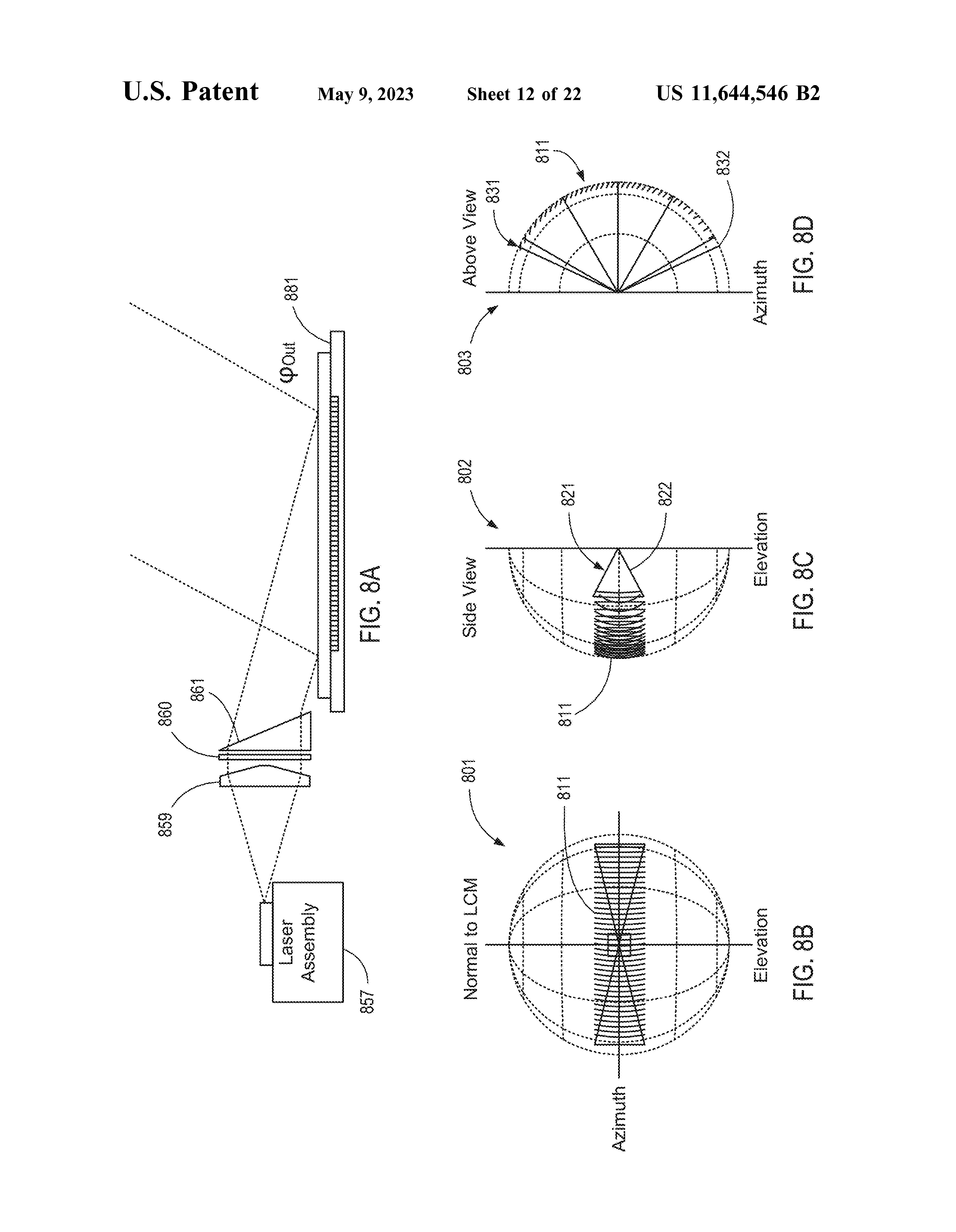
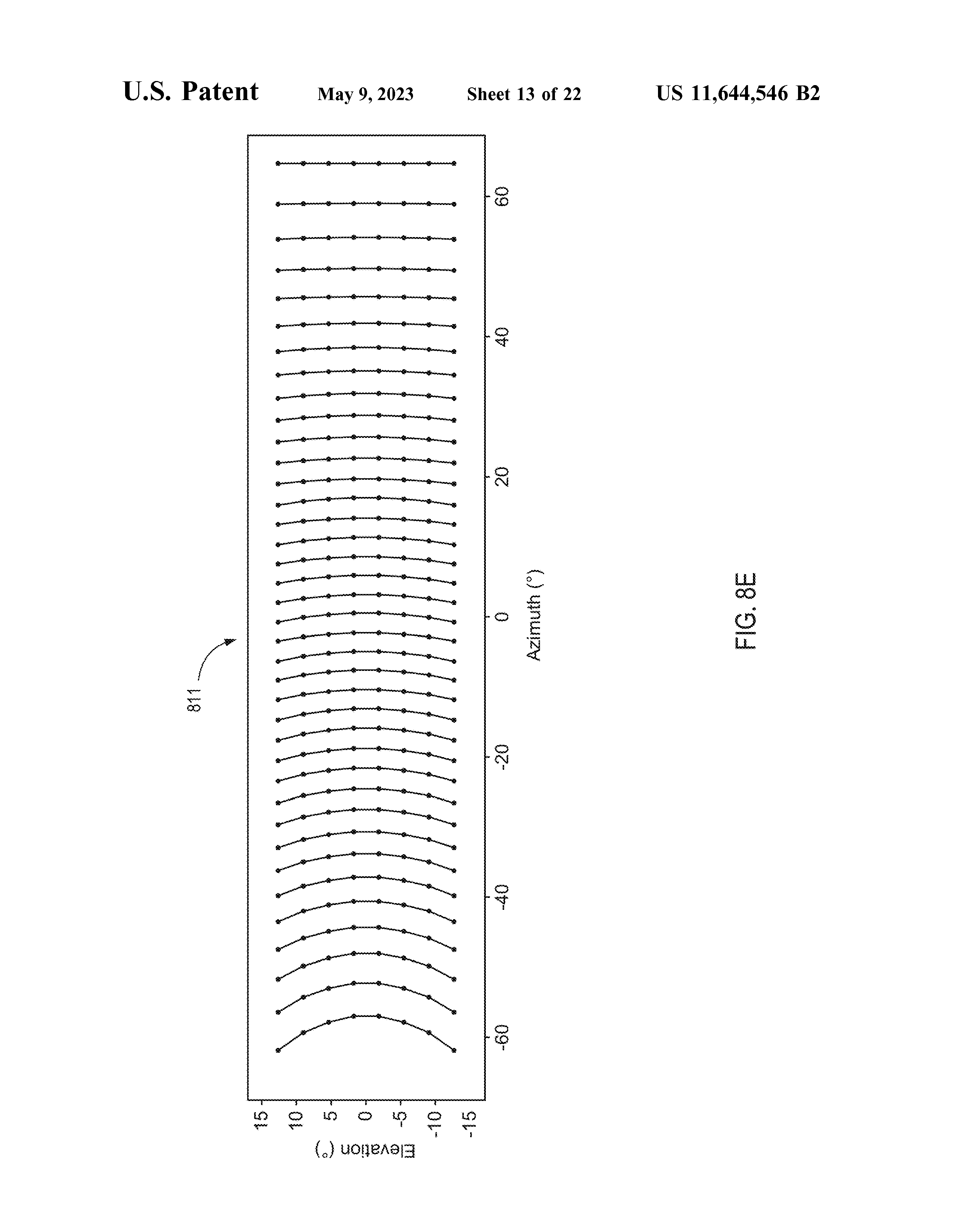
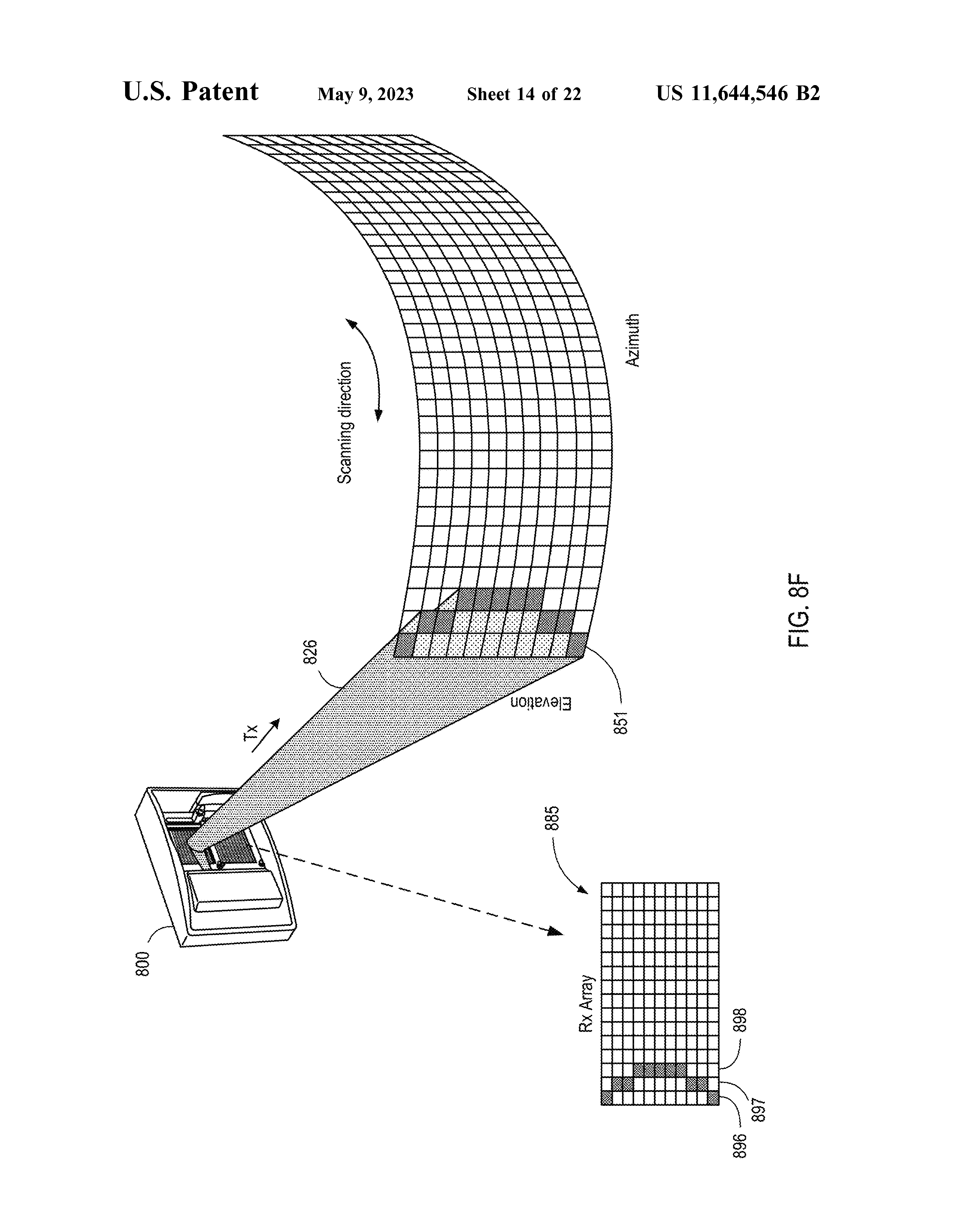
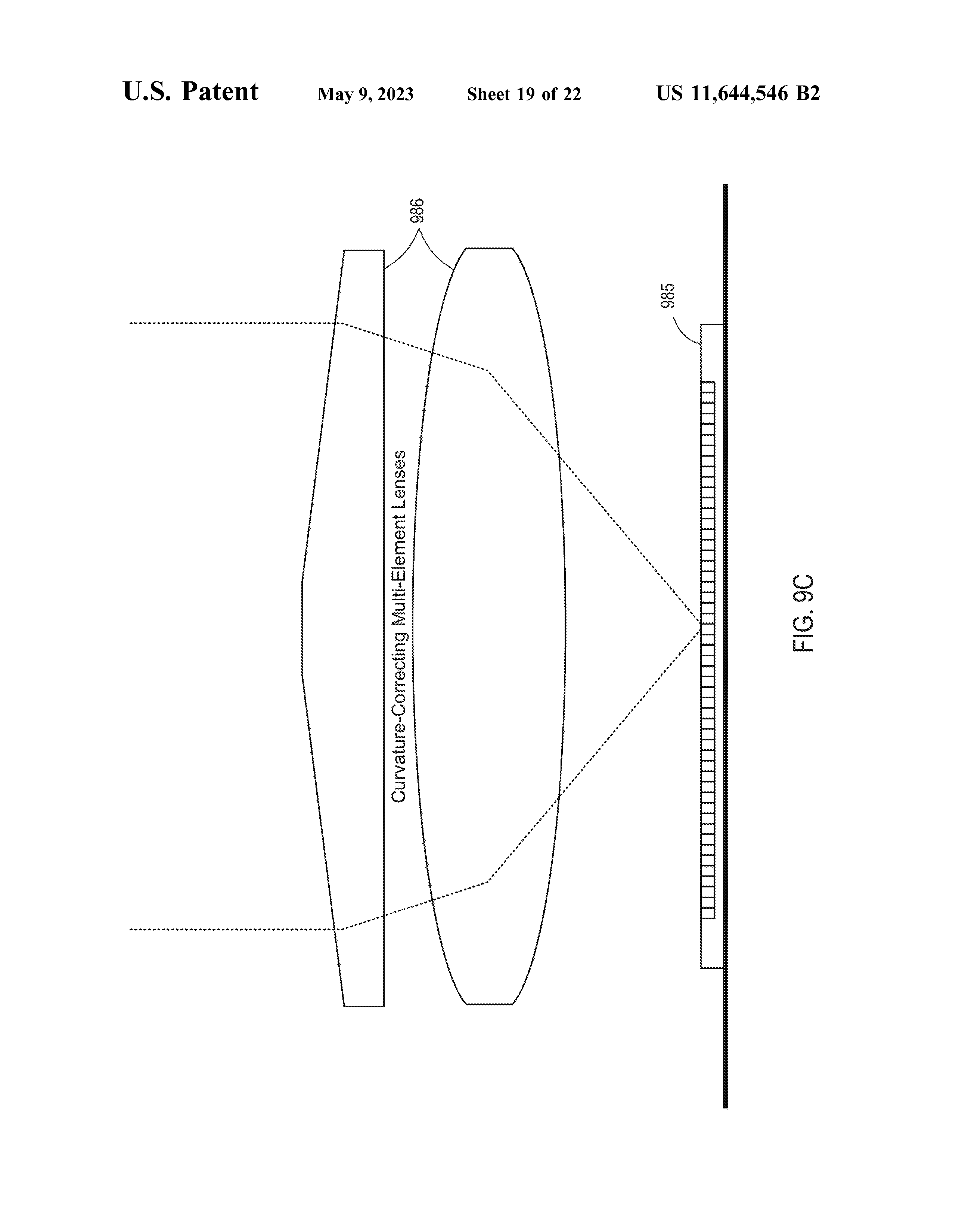
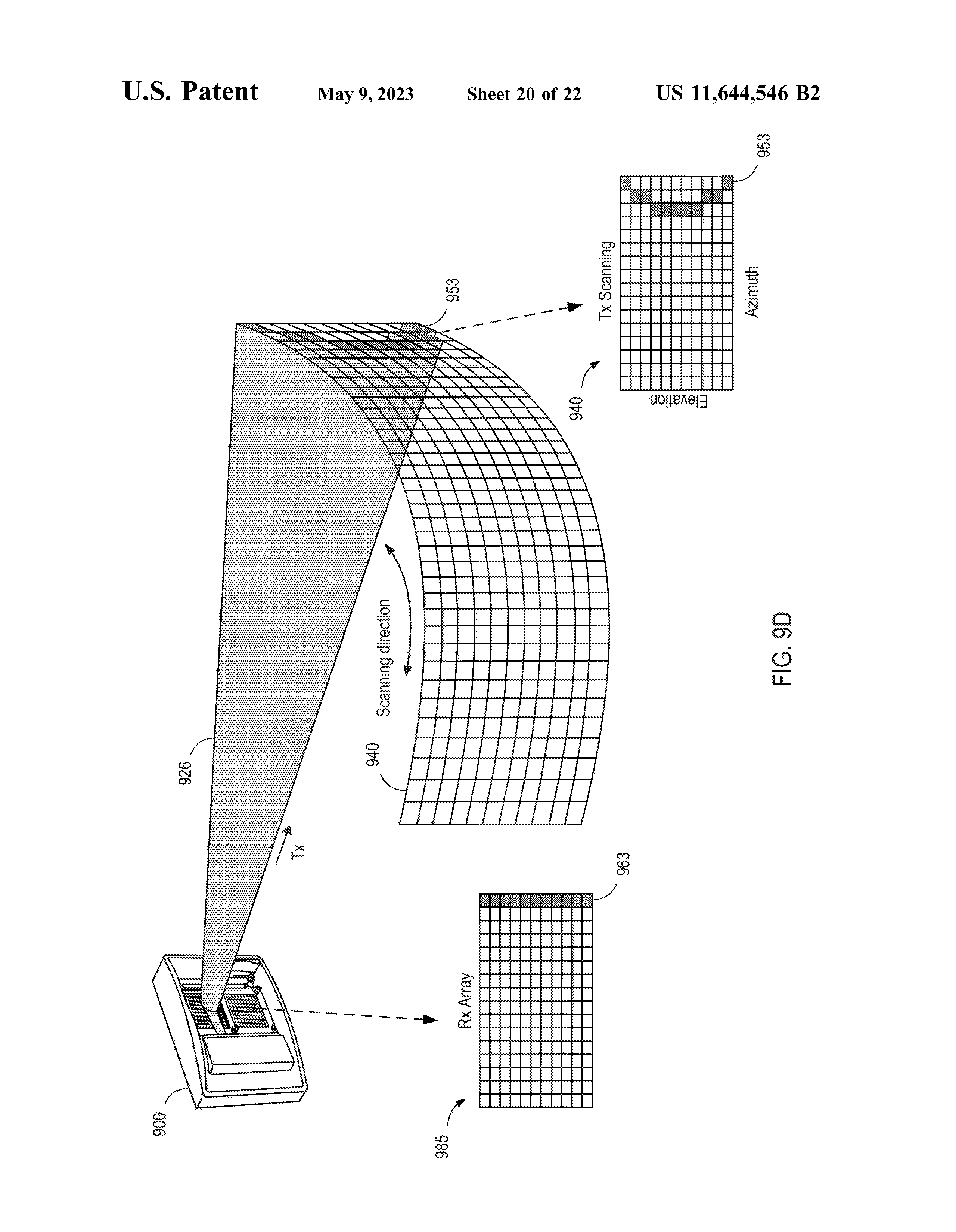
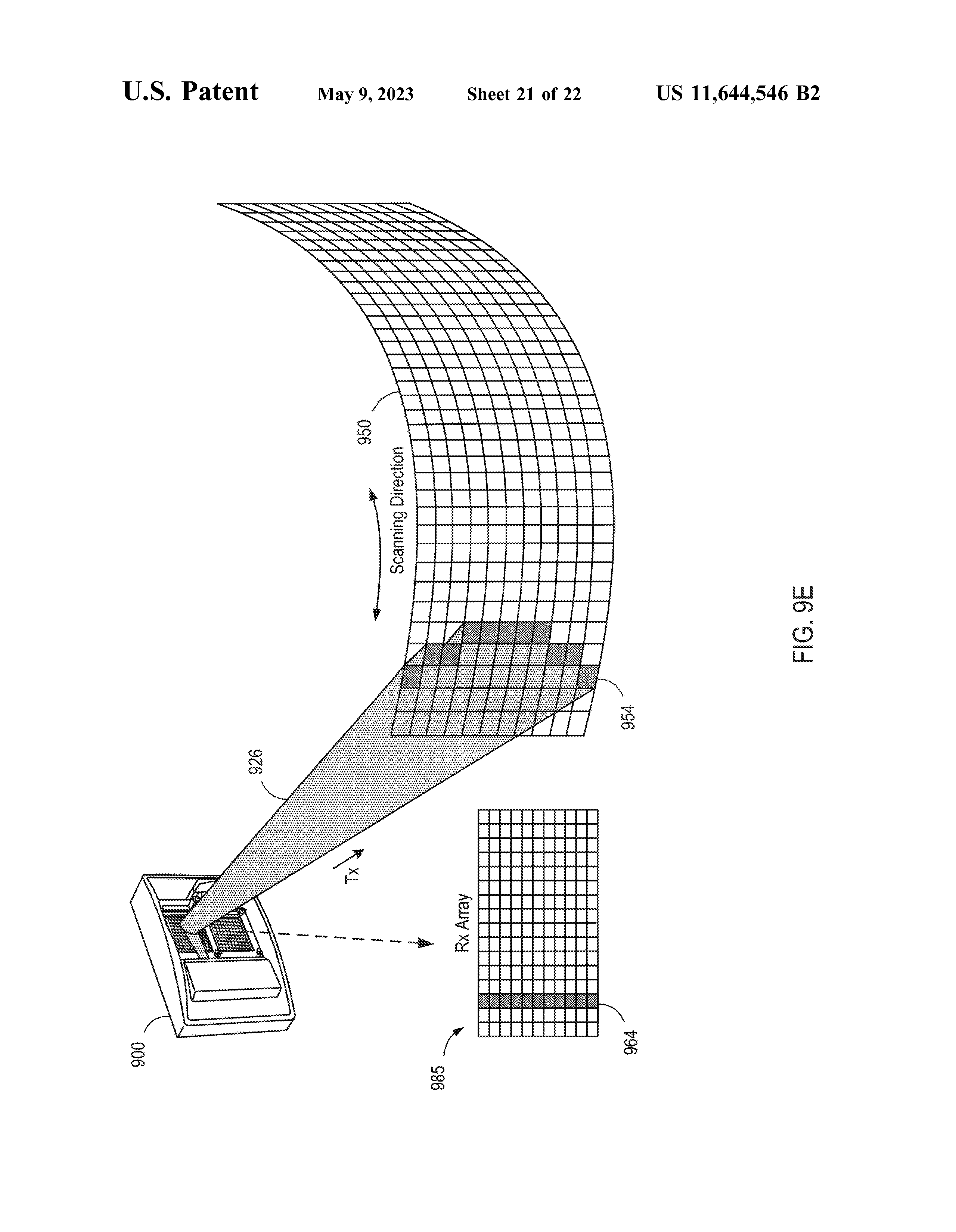
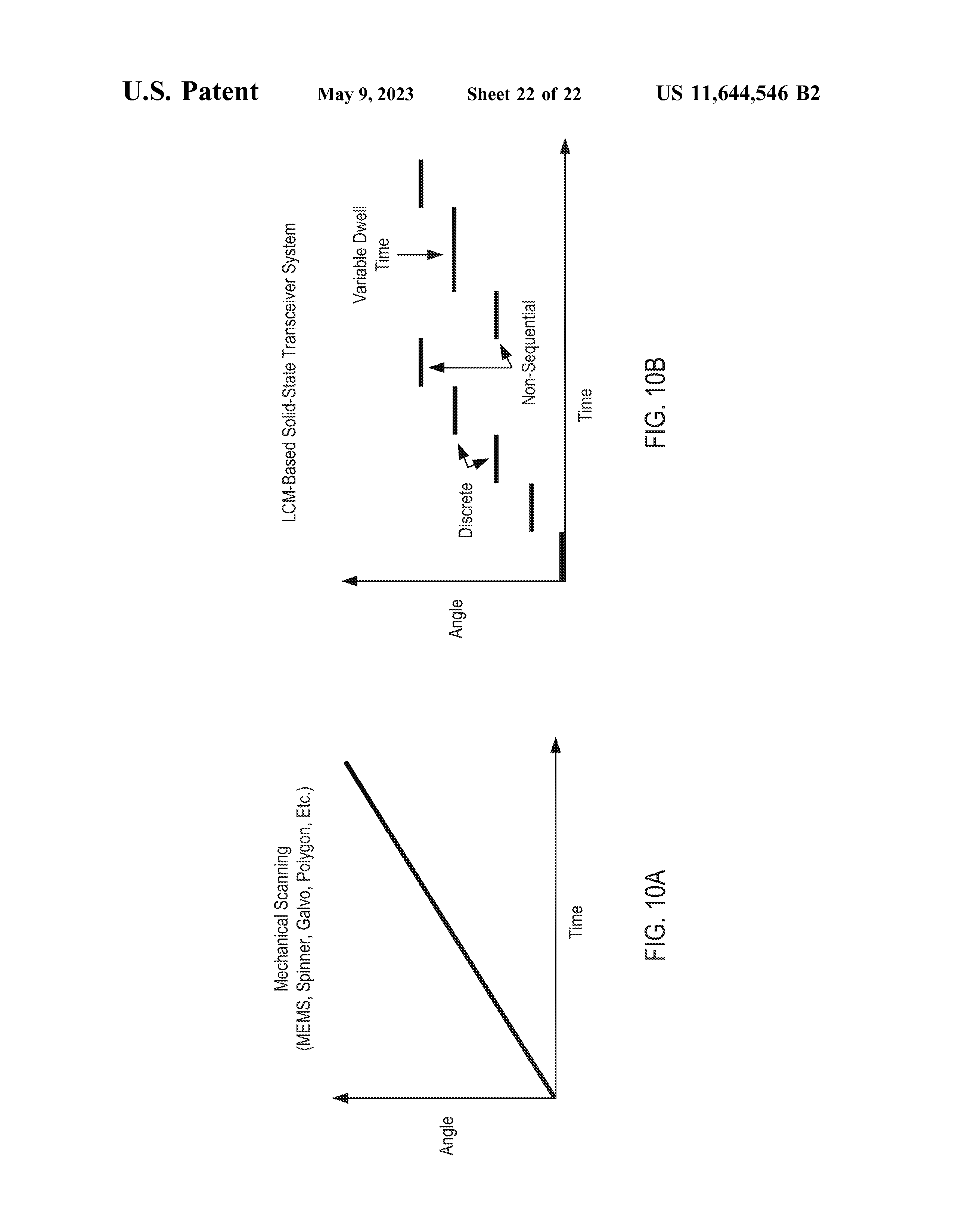
Abstract:
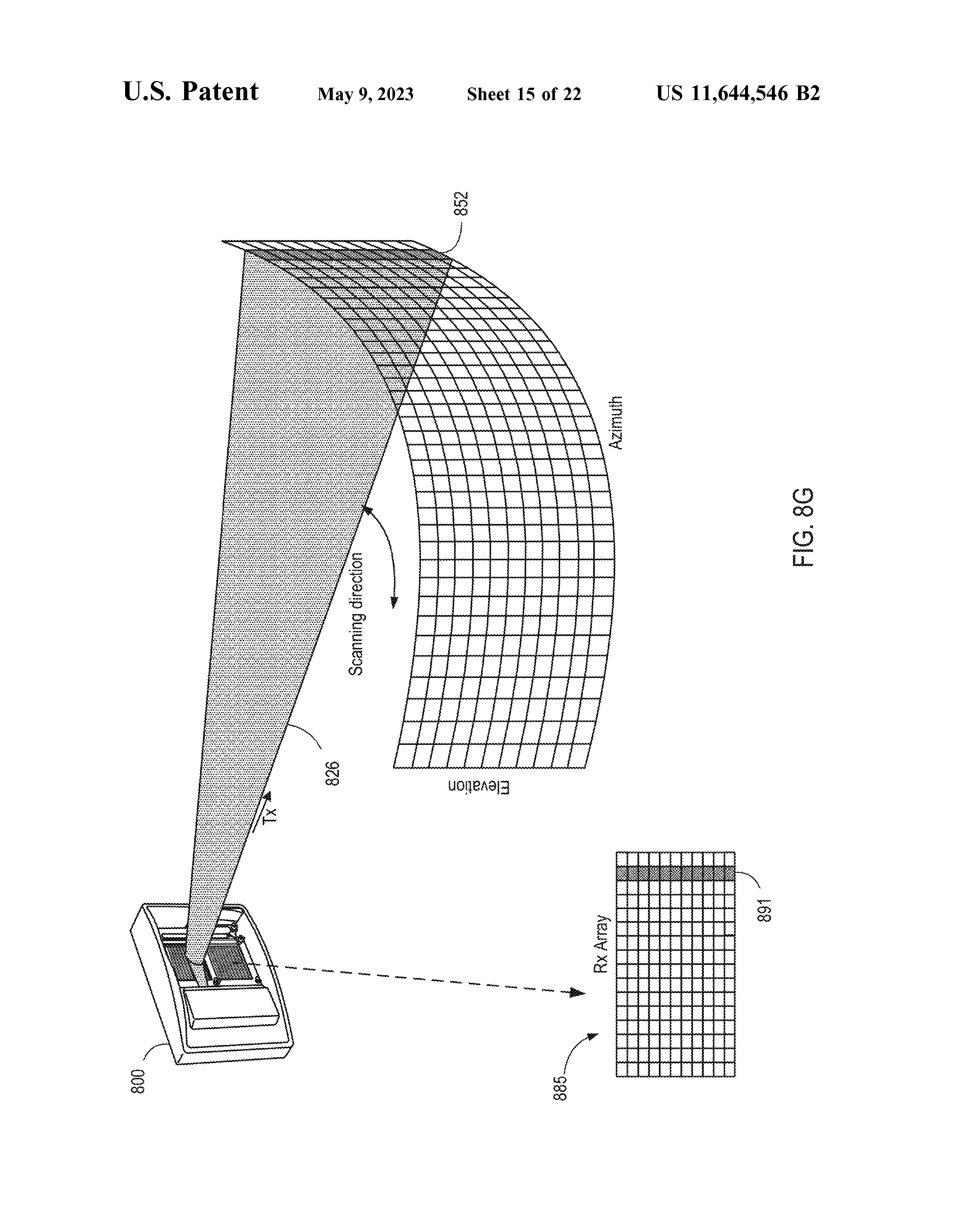
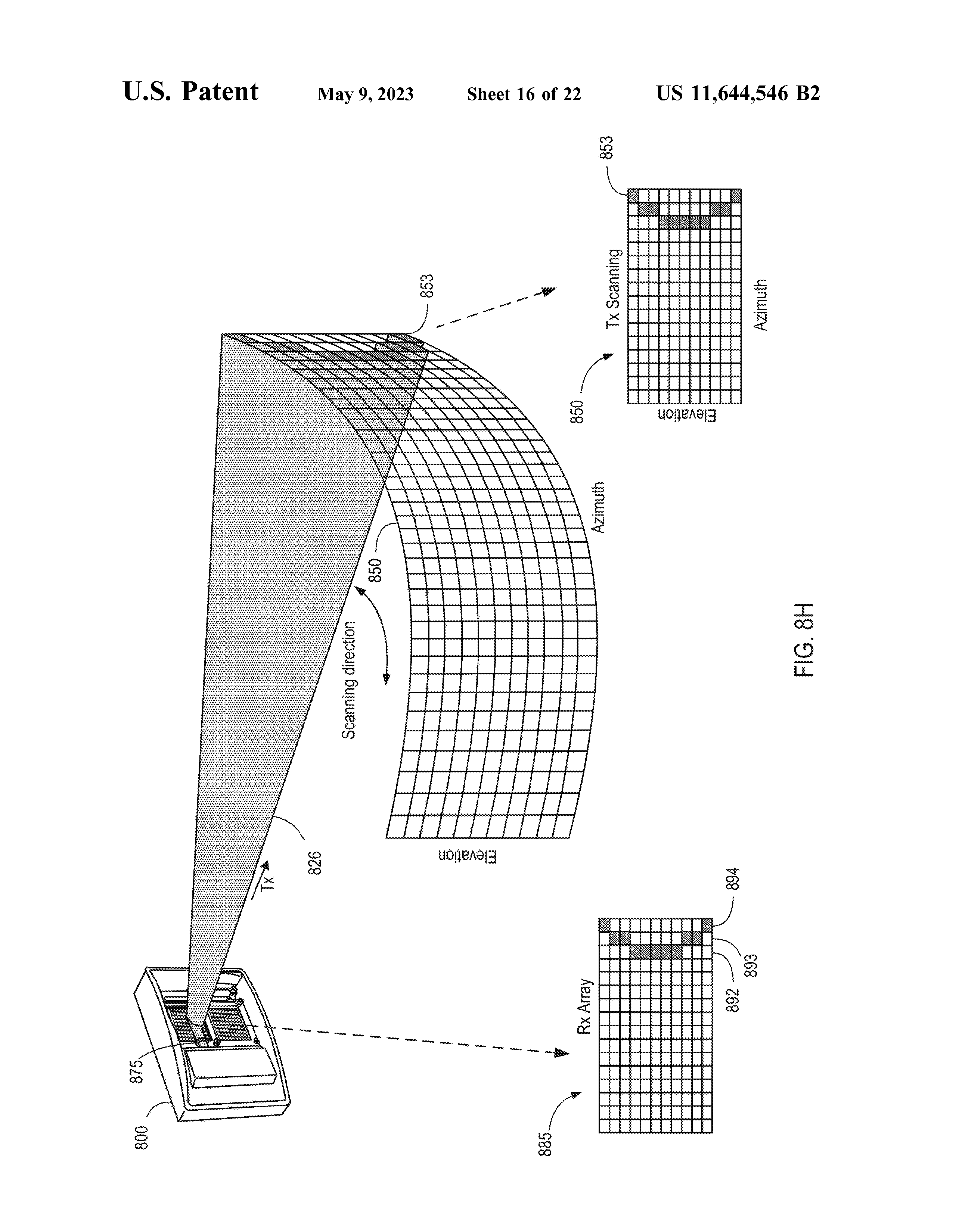
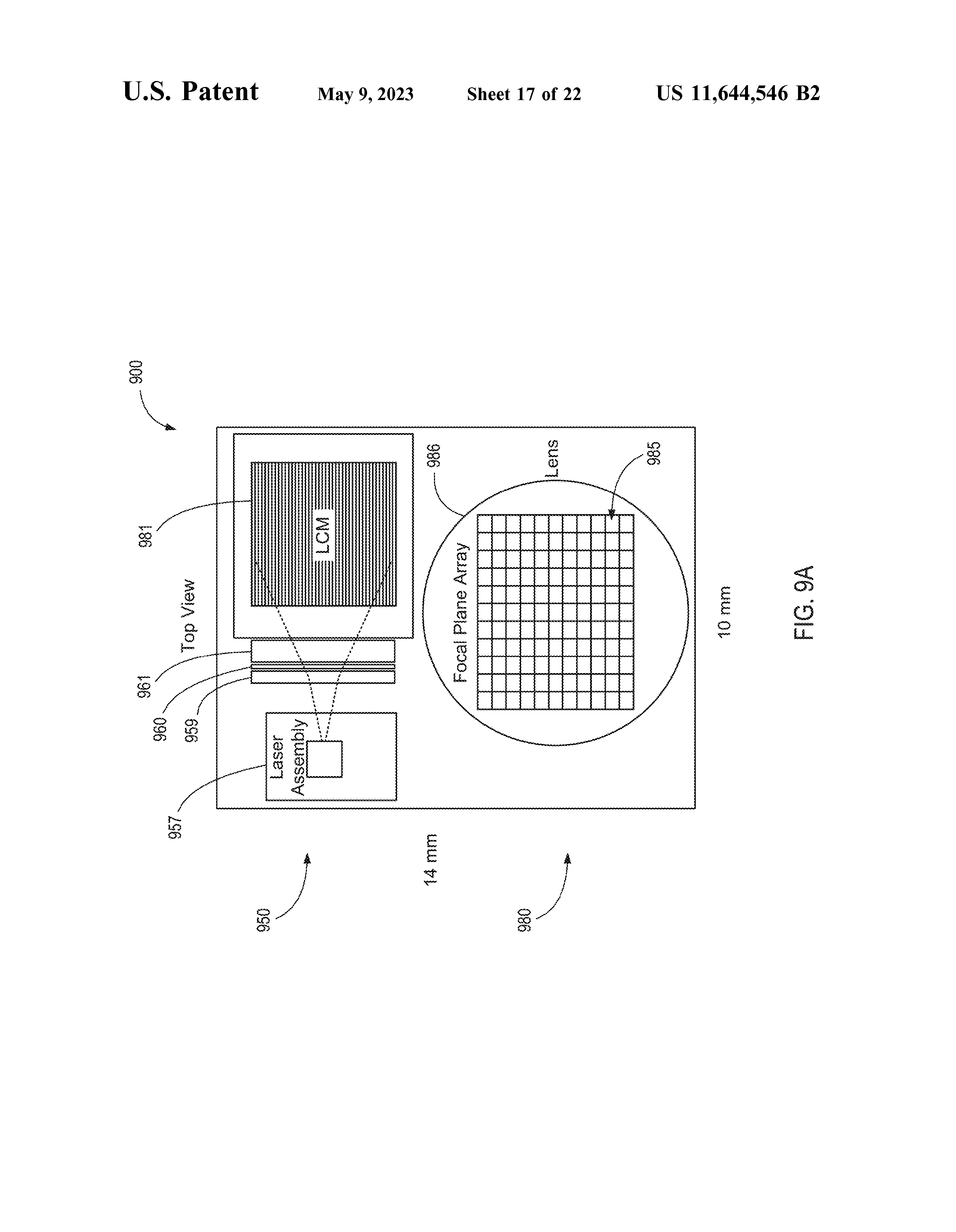
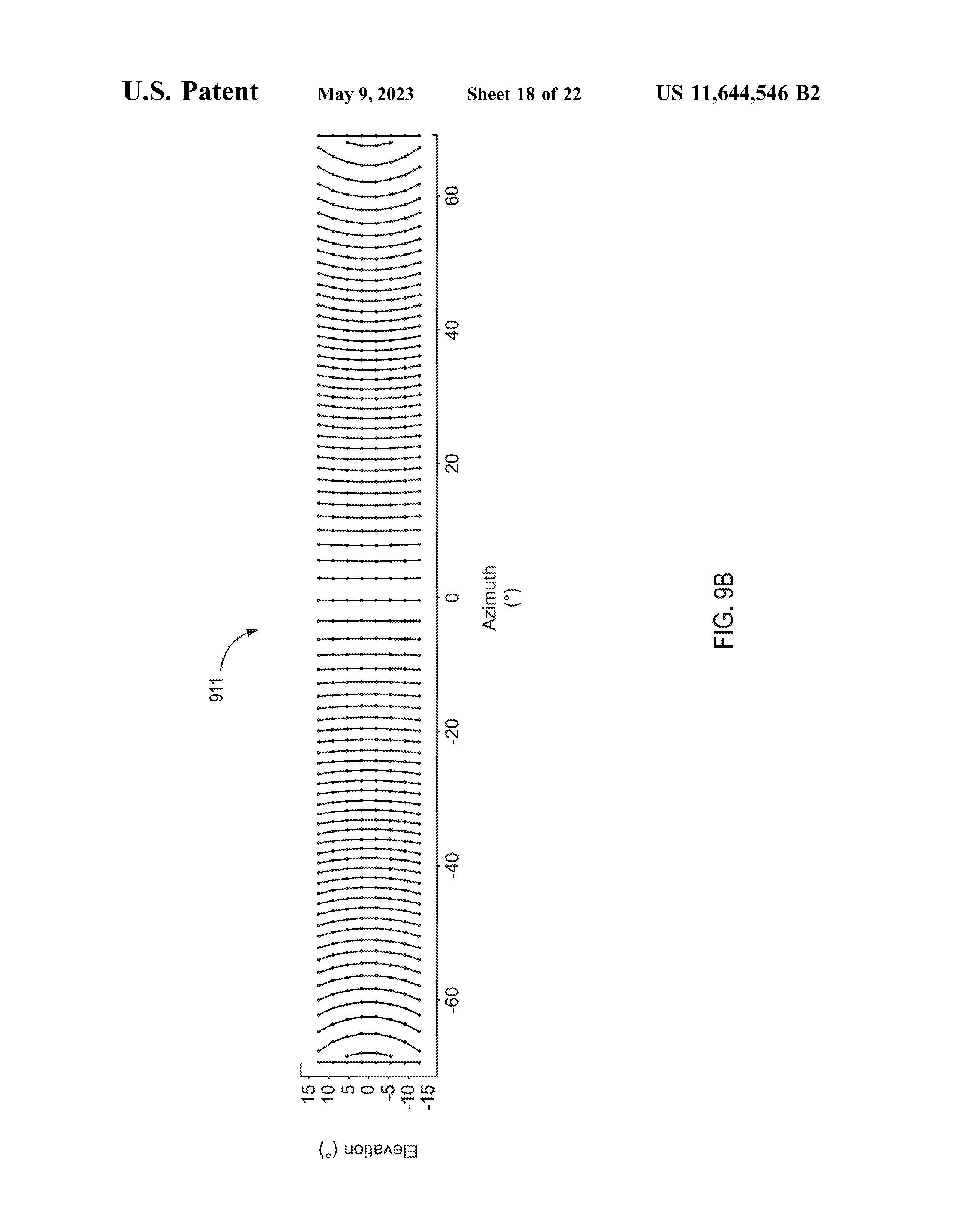
This patent discloses lidar systems based on tunable optical metasurfaces, enabling dynamic beam steering and improved performance for advanced remote sensing and autonomous navigation applications.
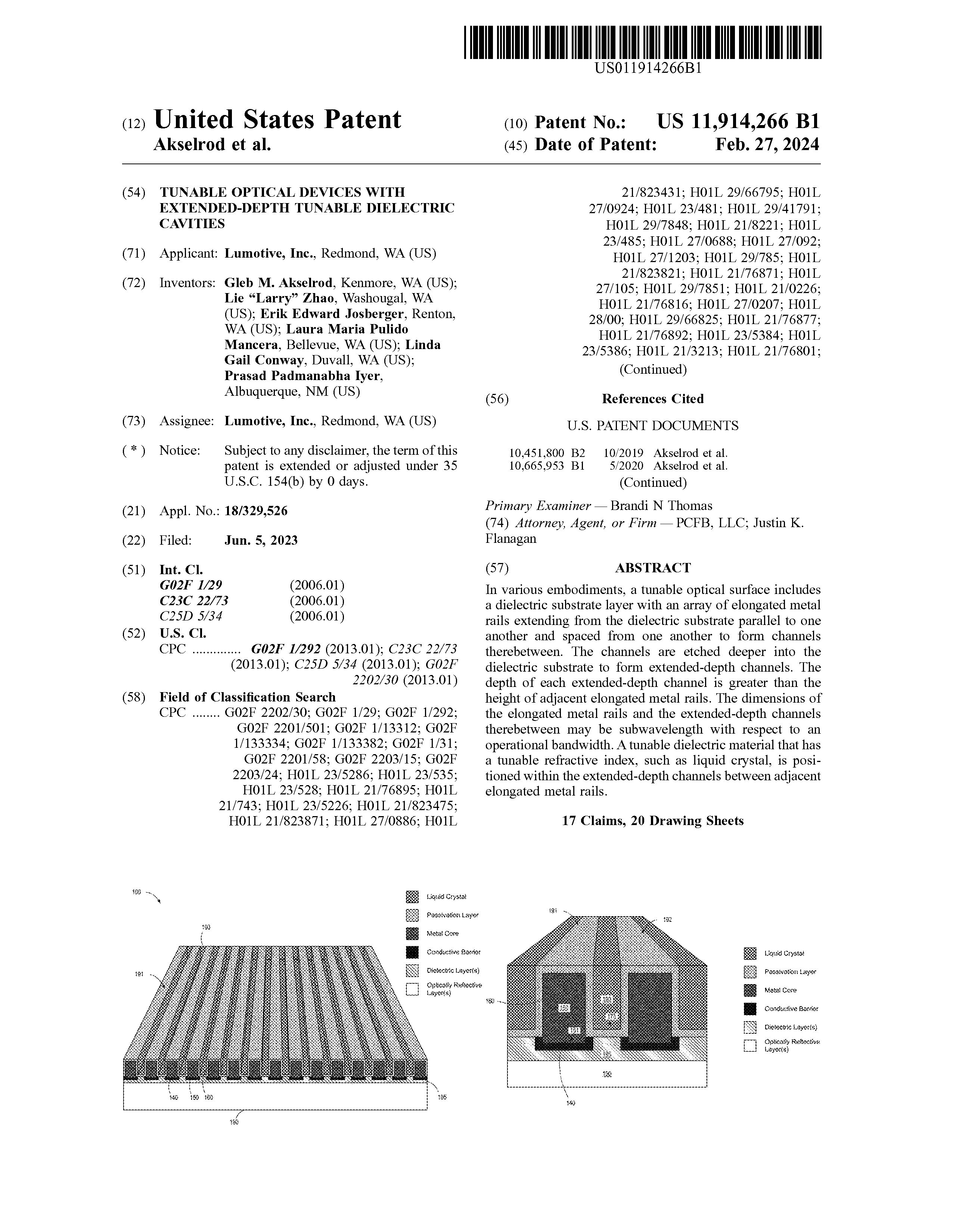
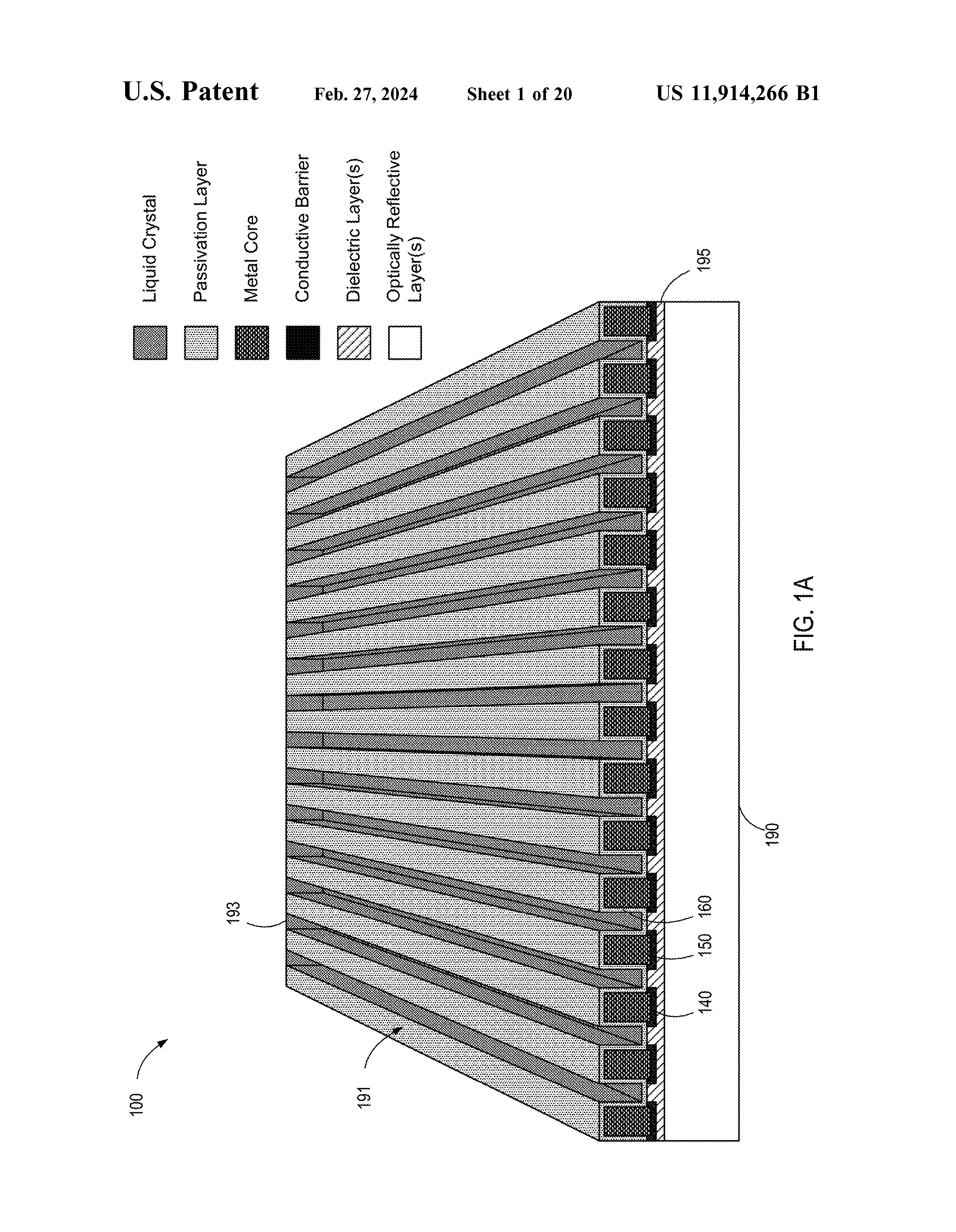
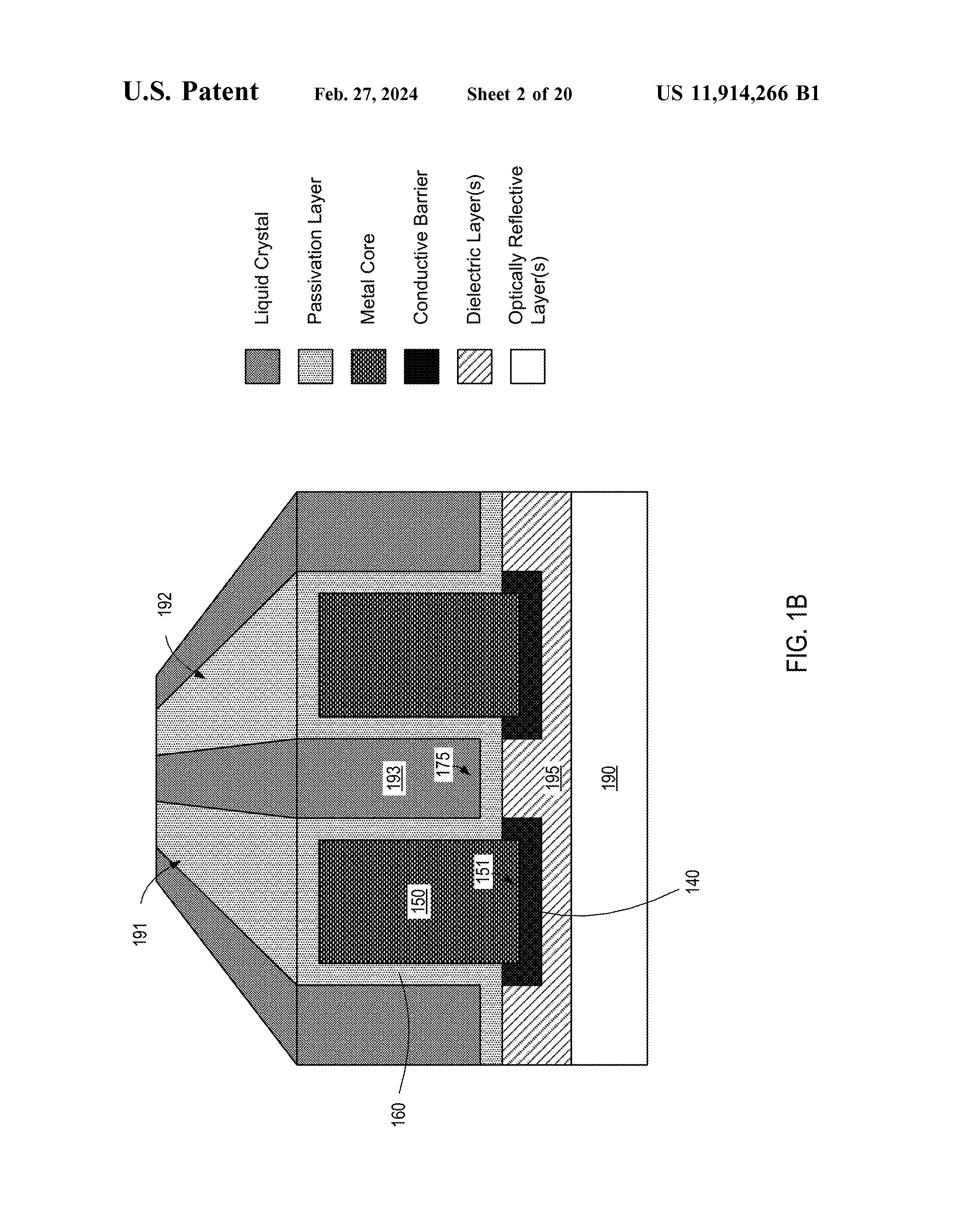
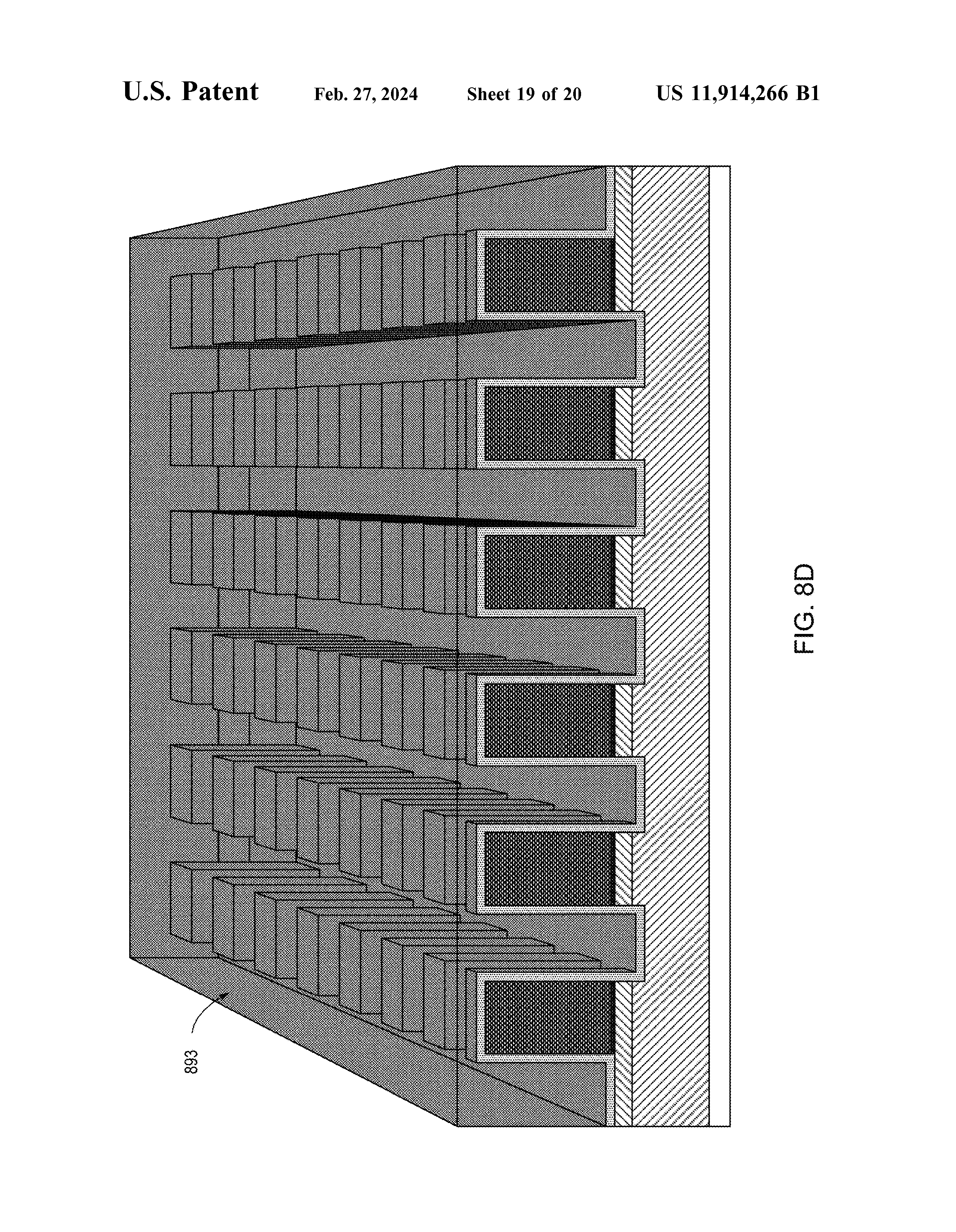
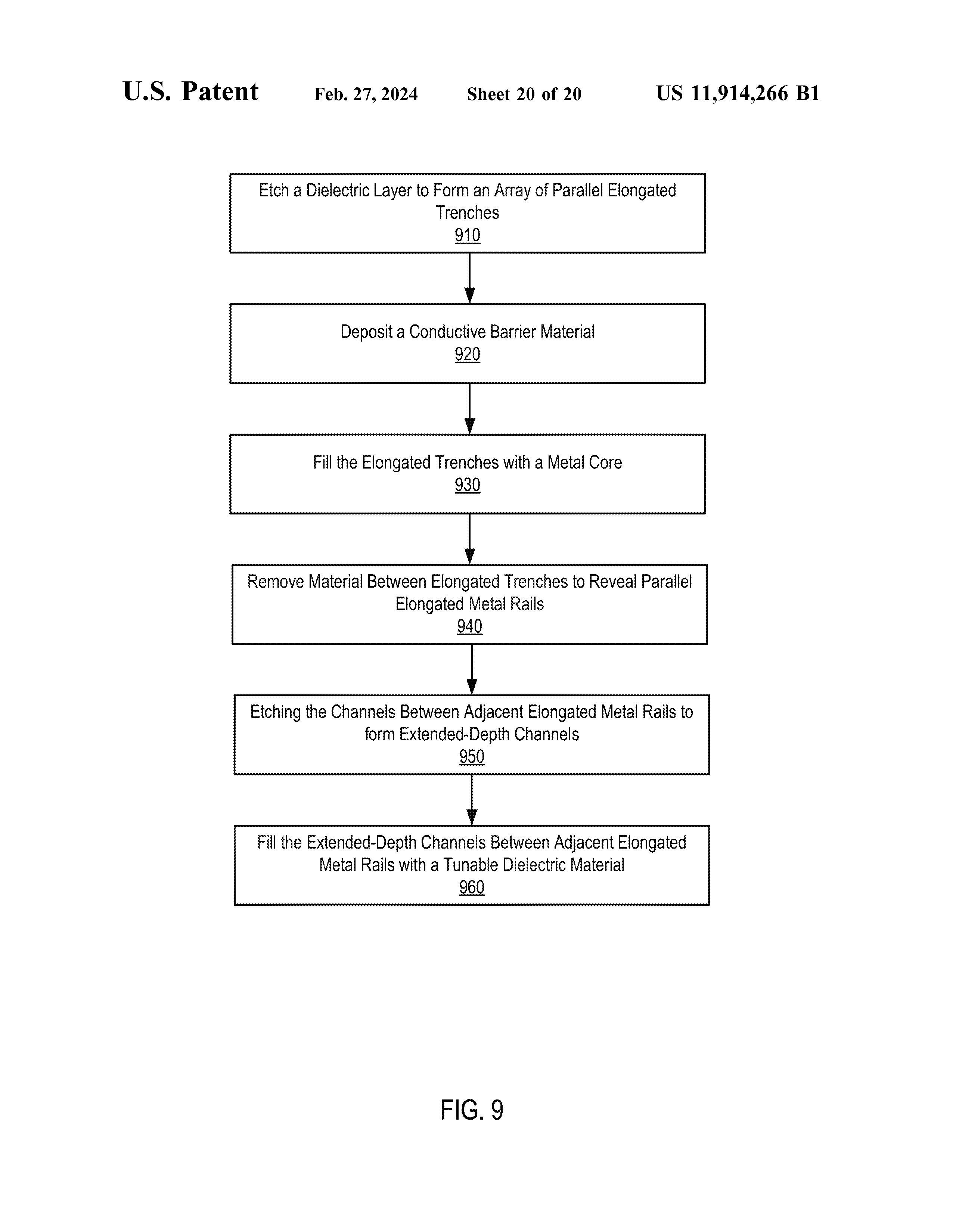
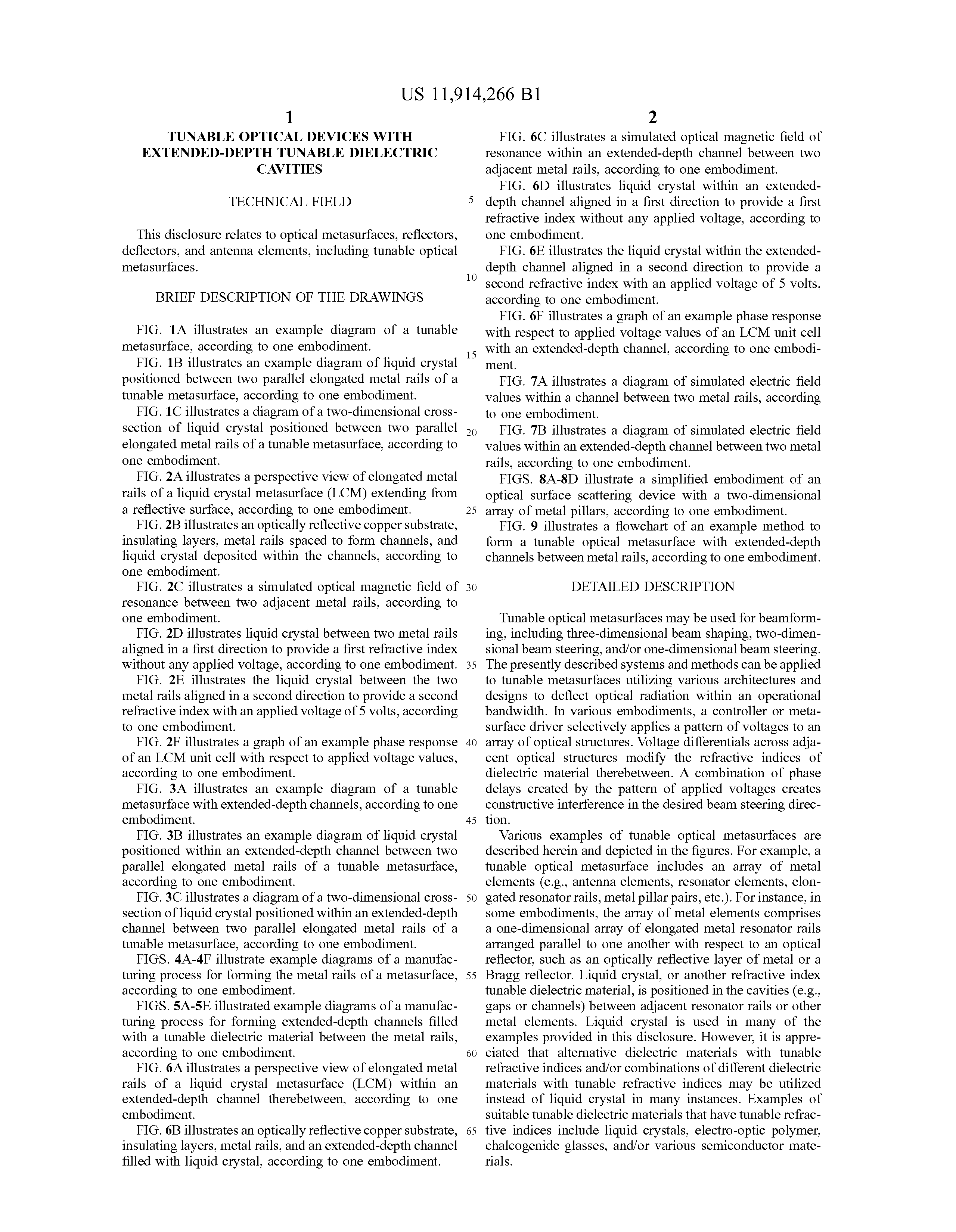
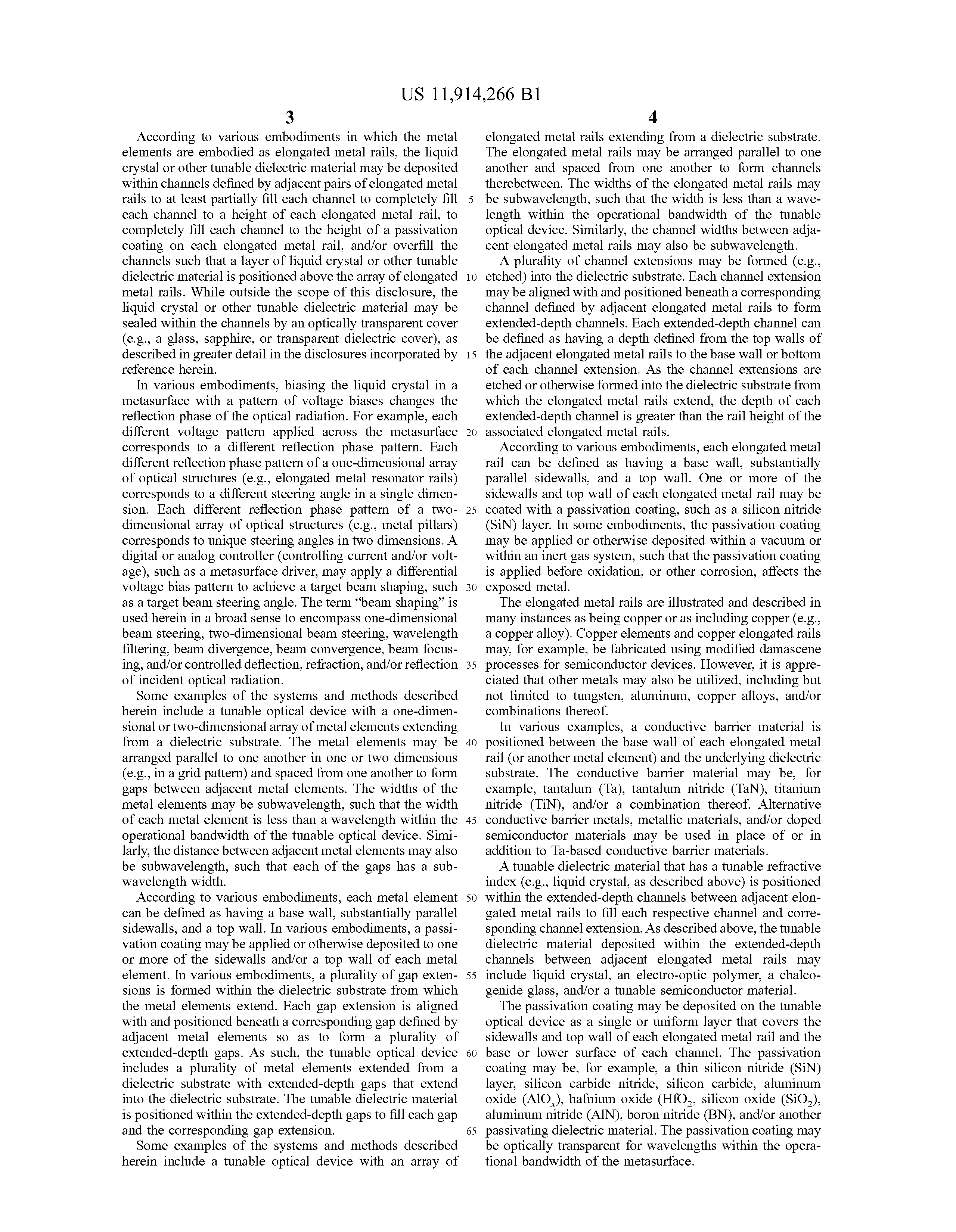
Tunable optical devices with extended-depth tunable dielectric cavities
Published:
Abstract:
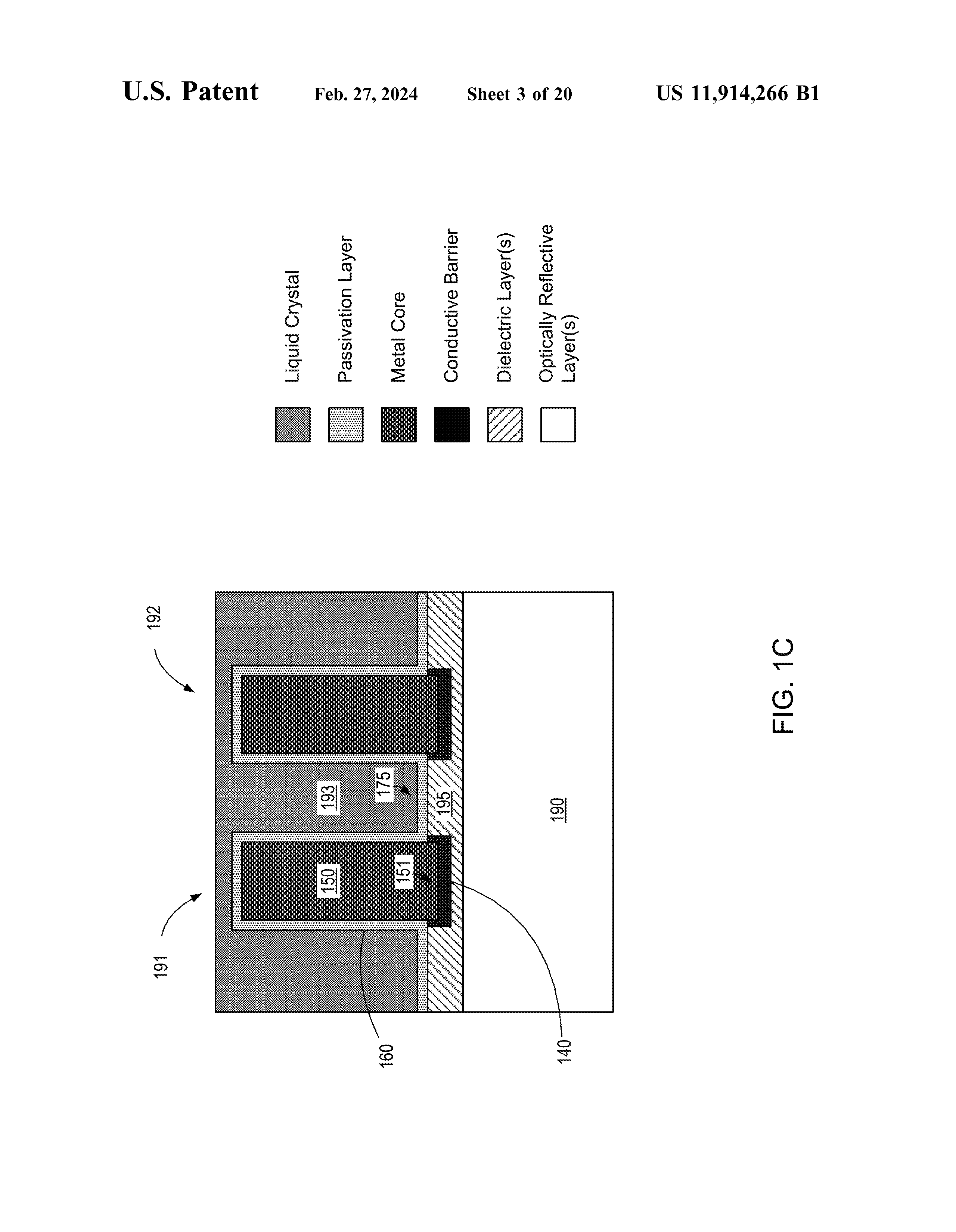
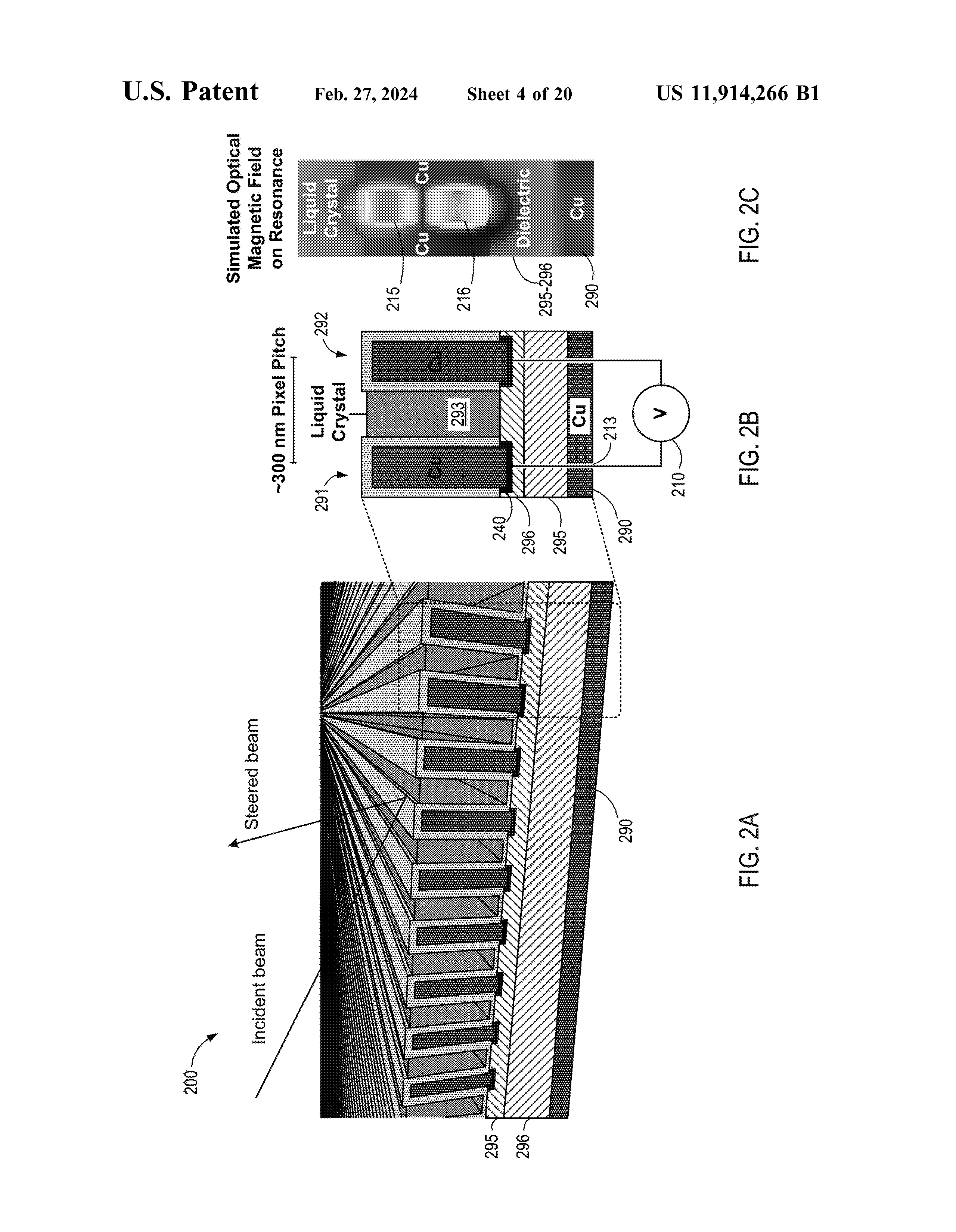
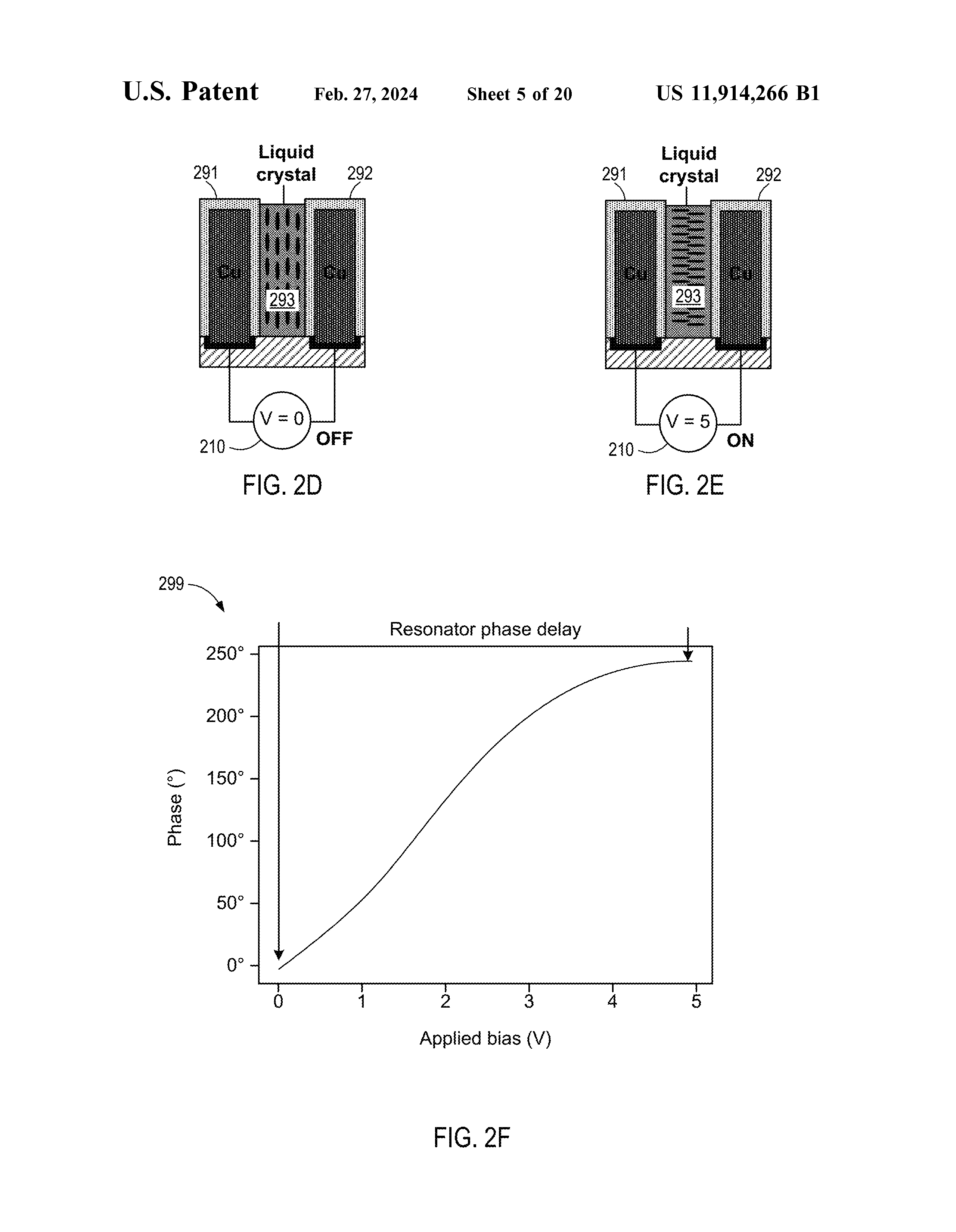
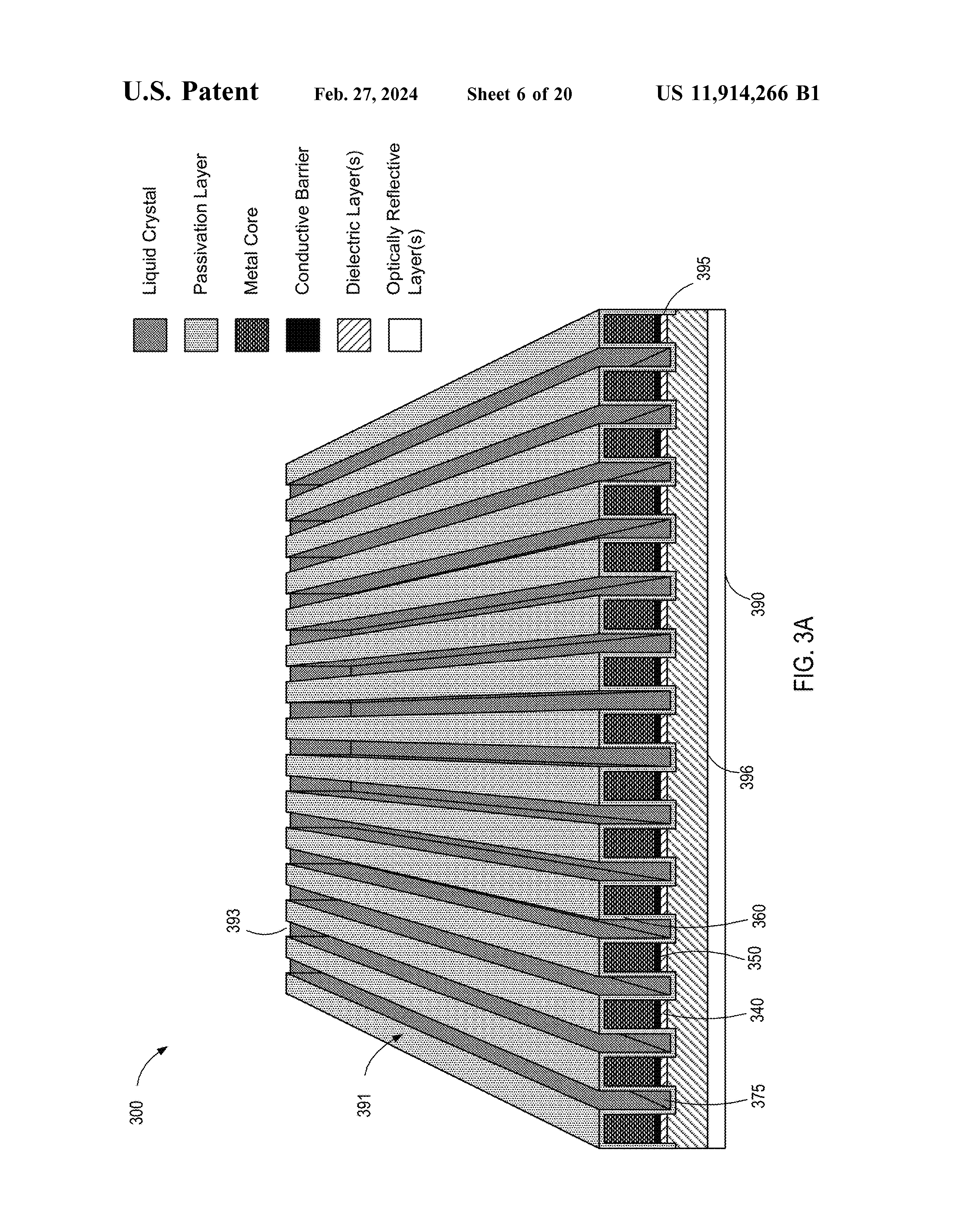
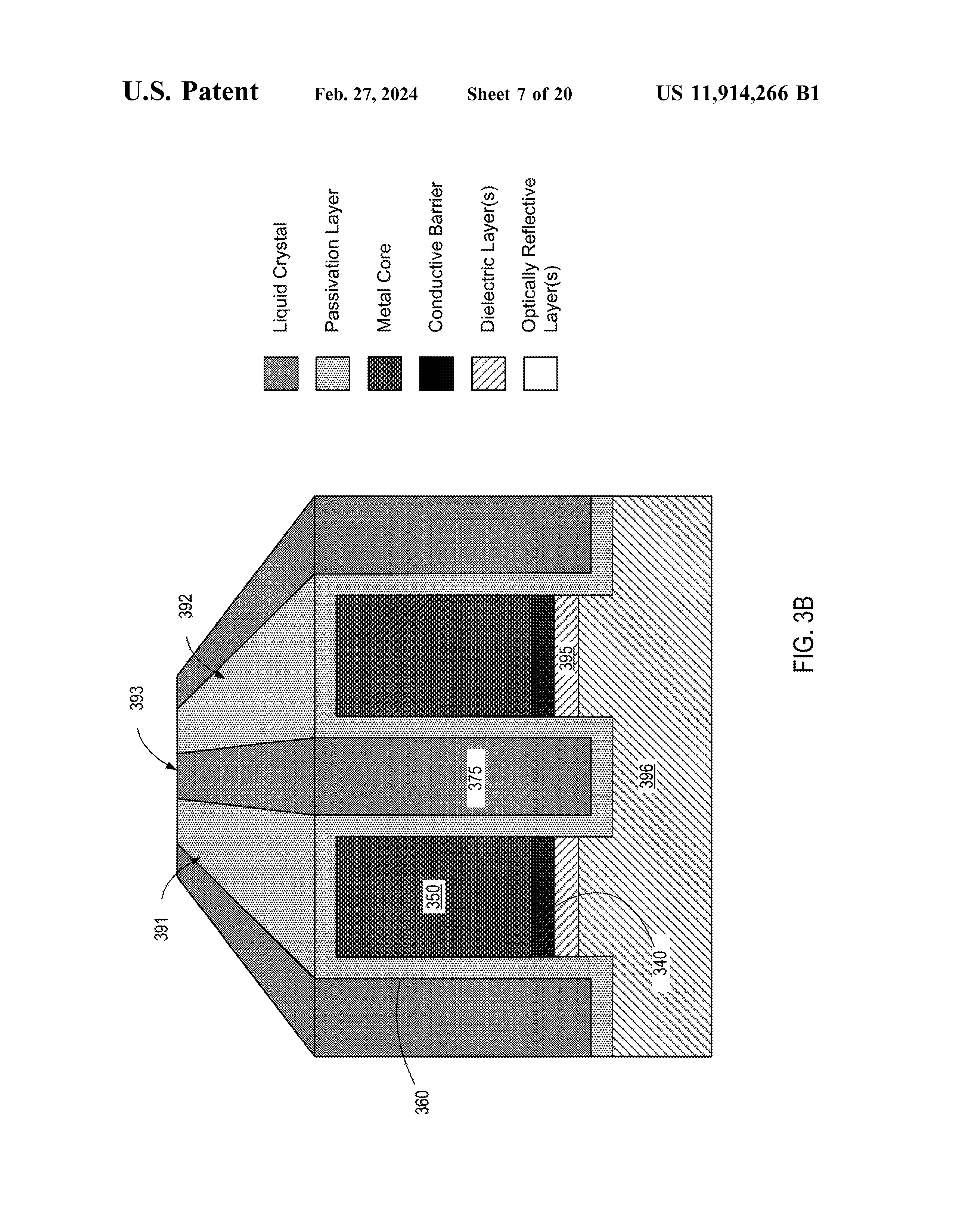
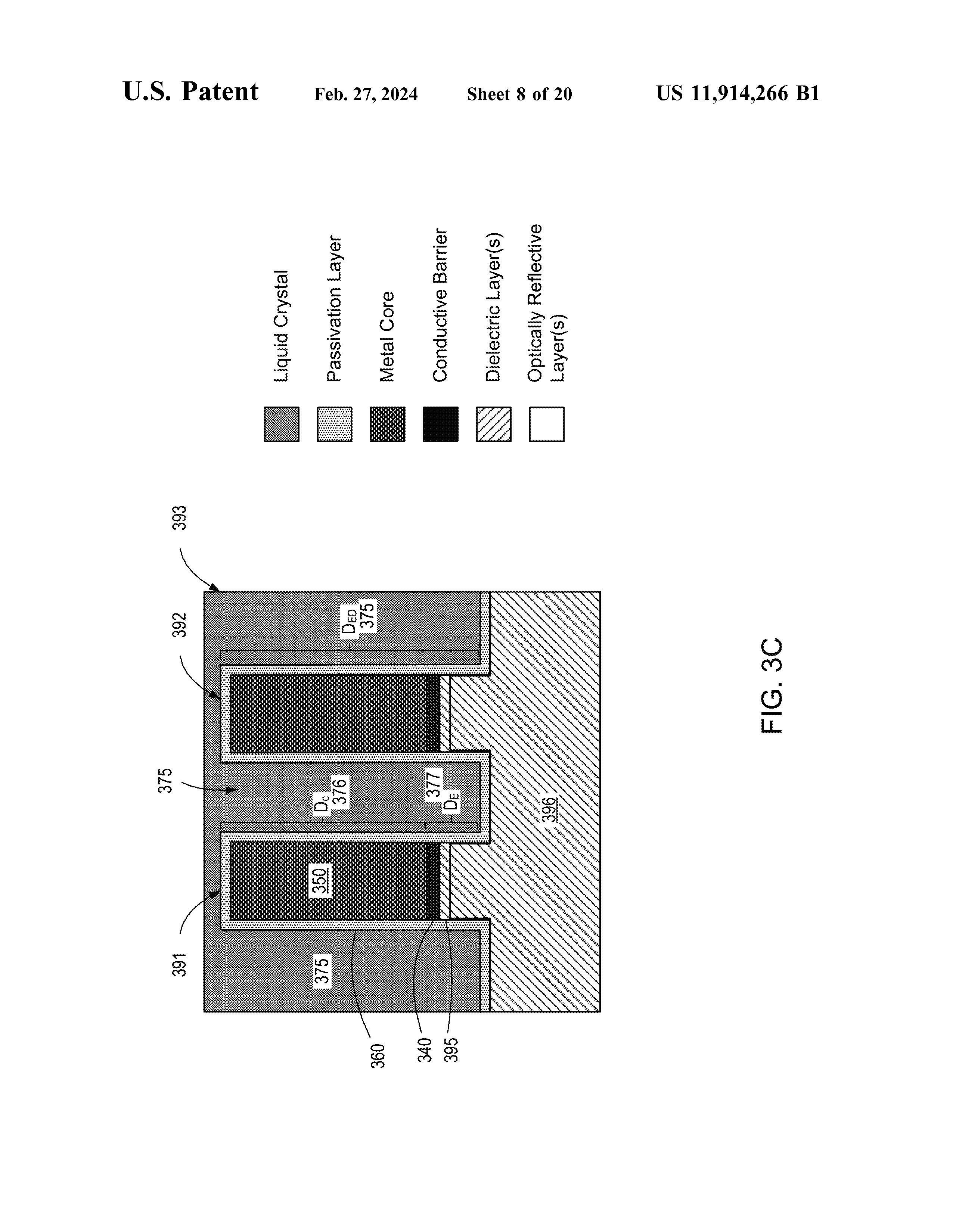
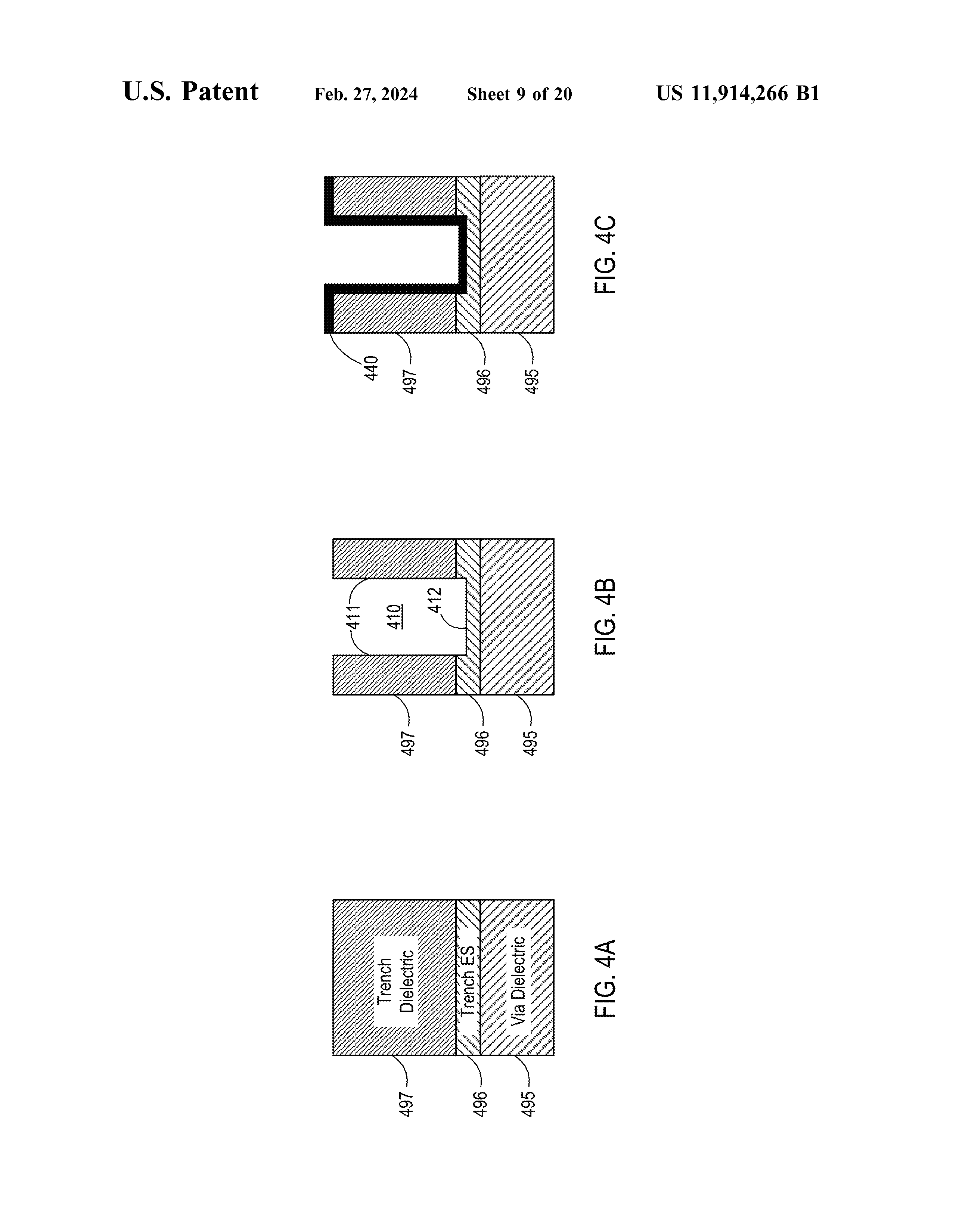
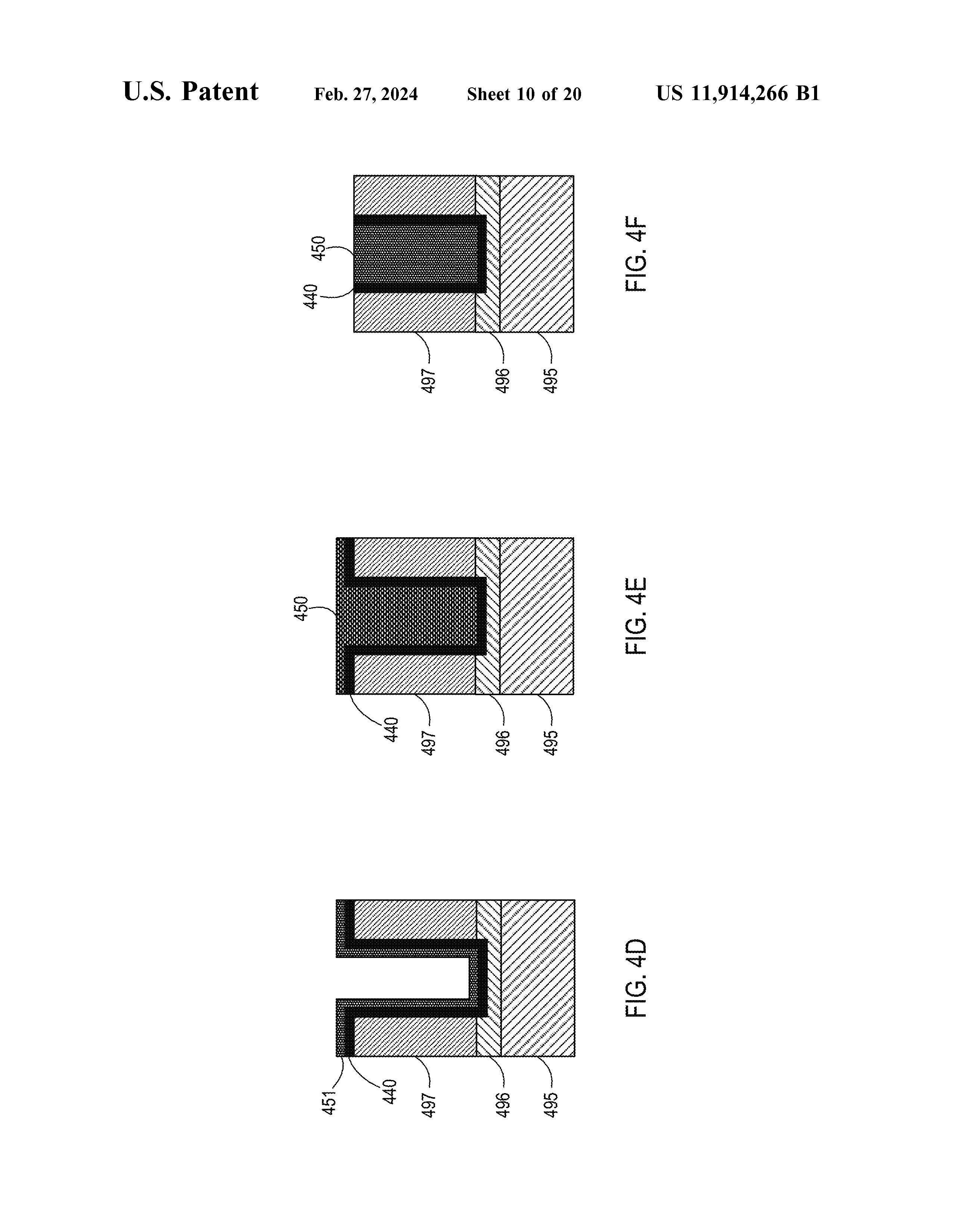
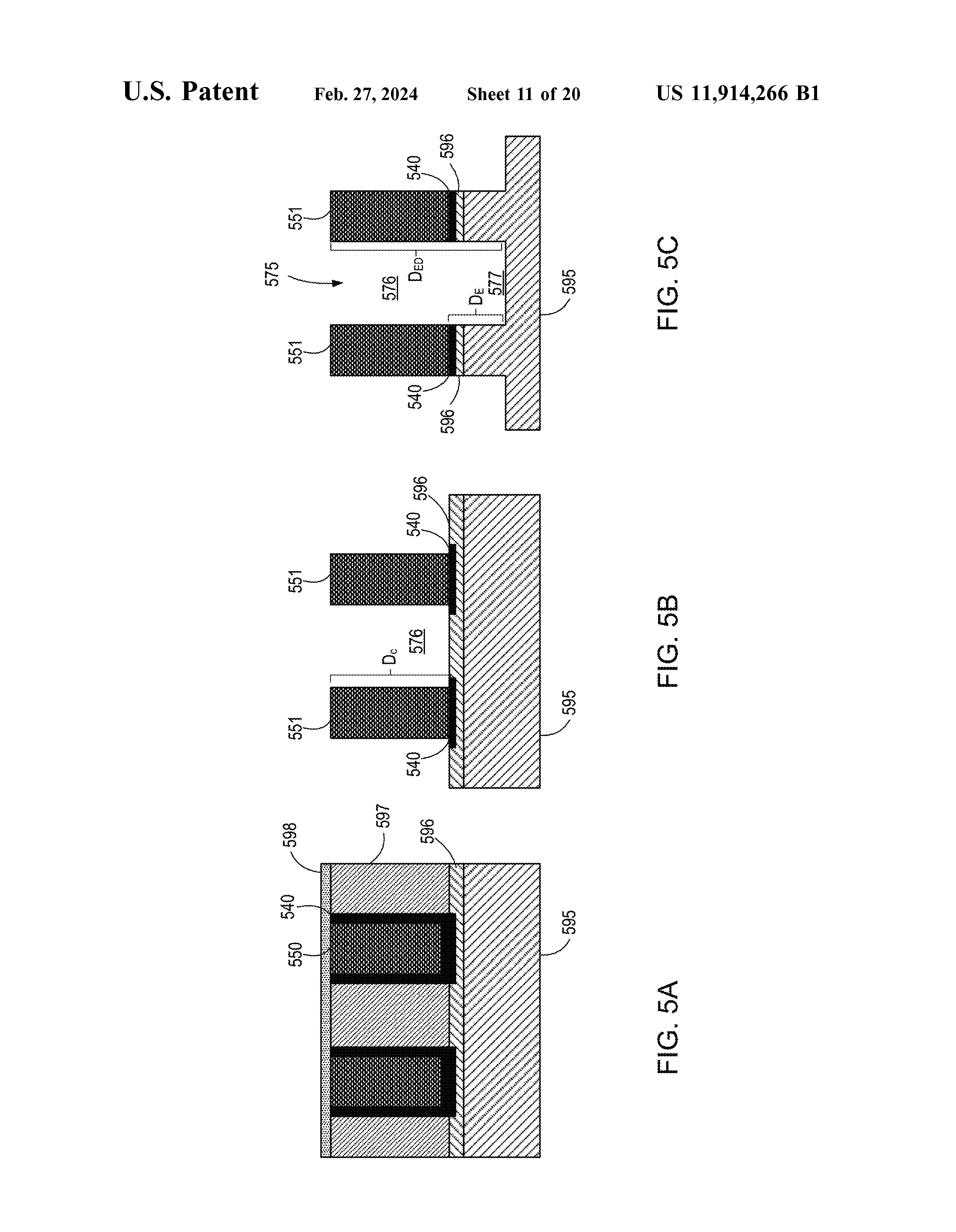
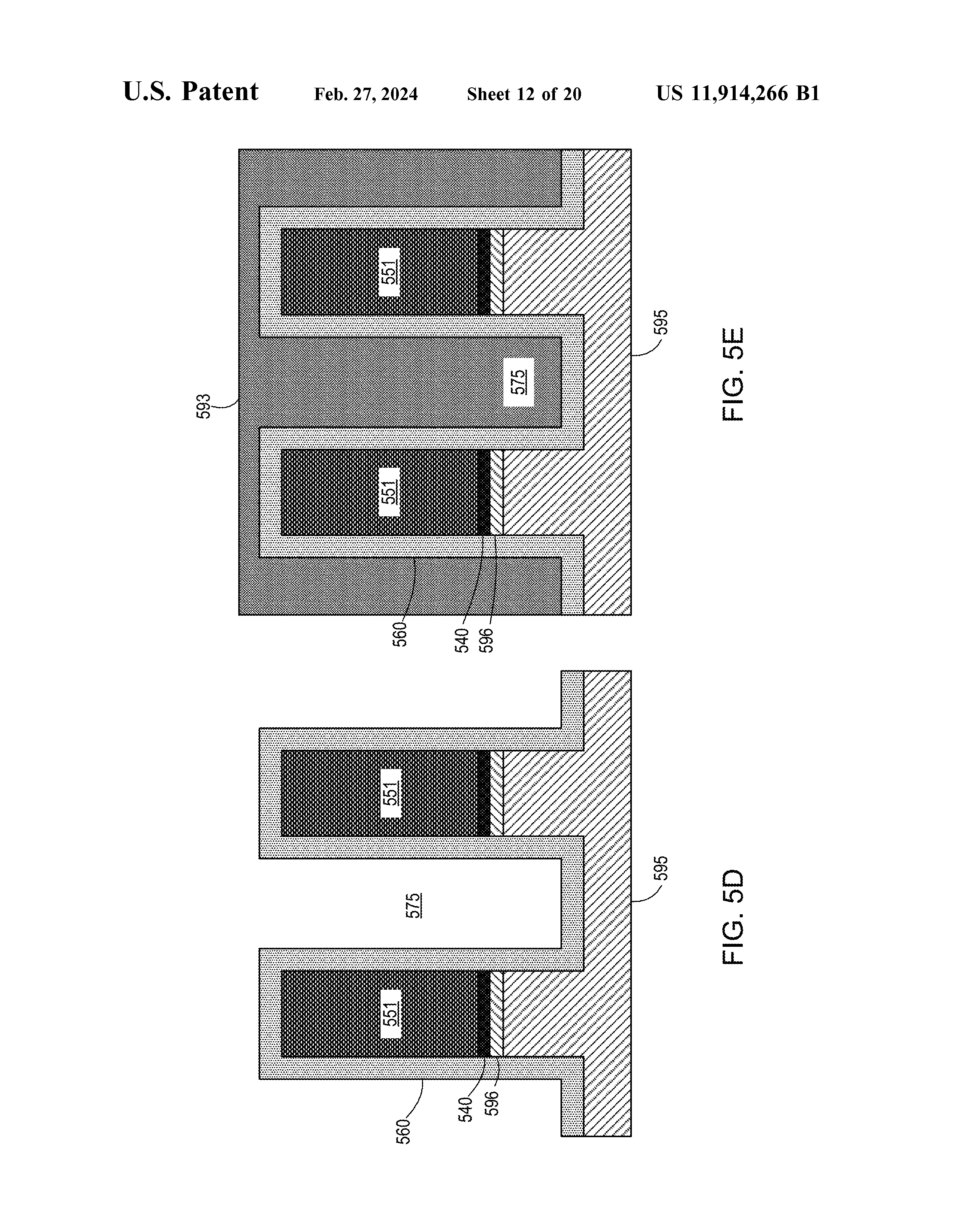
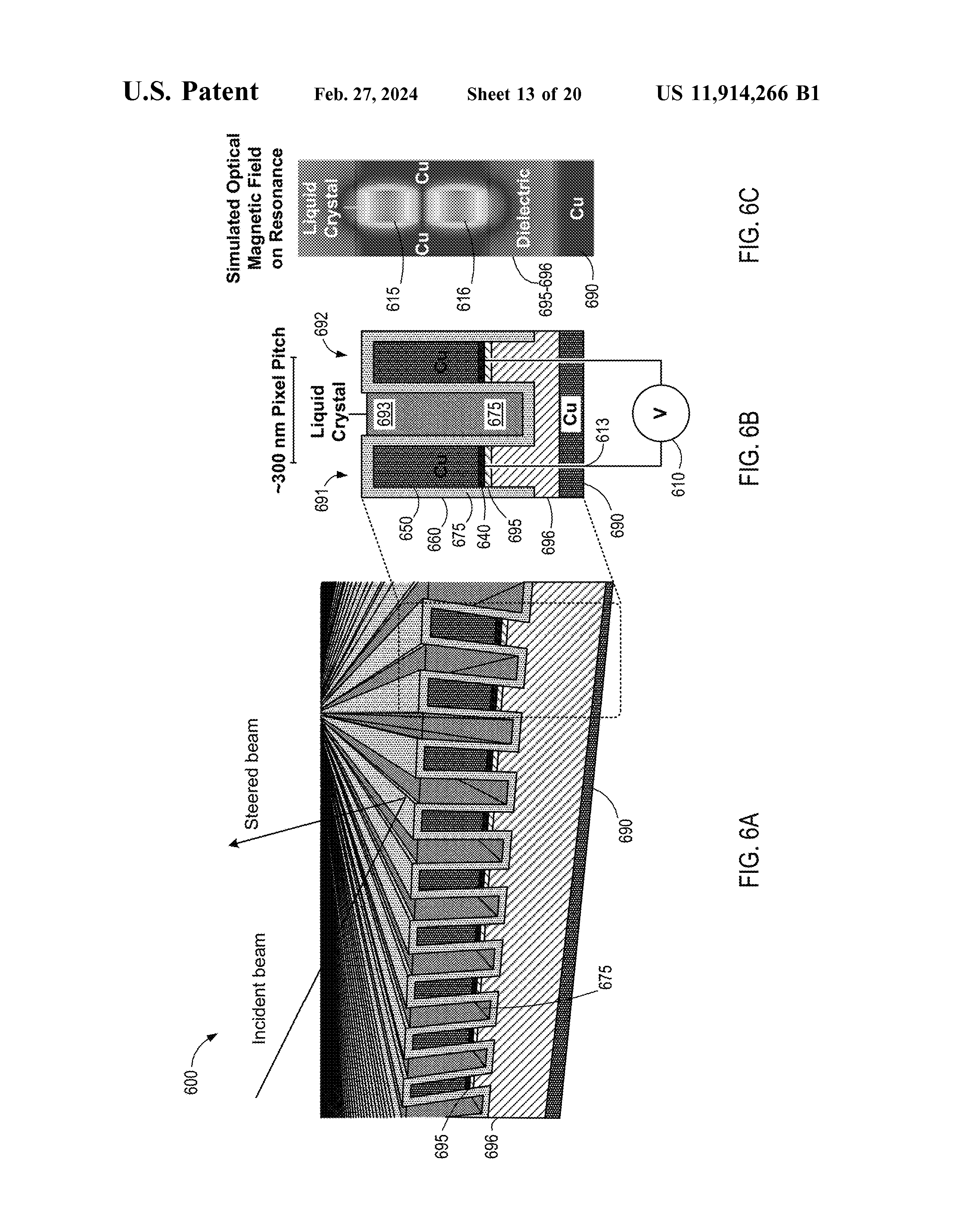
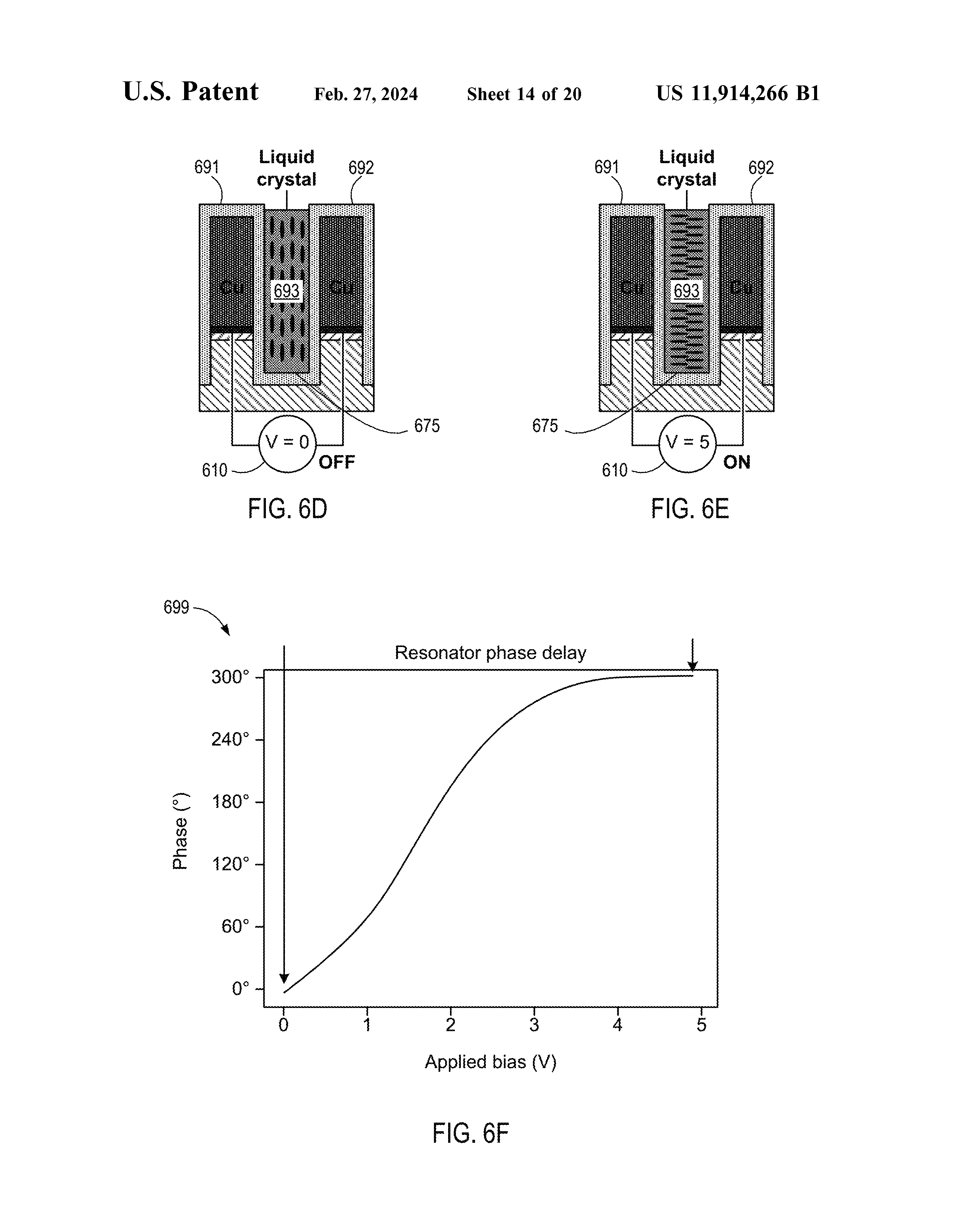
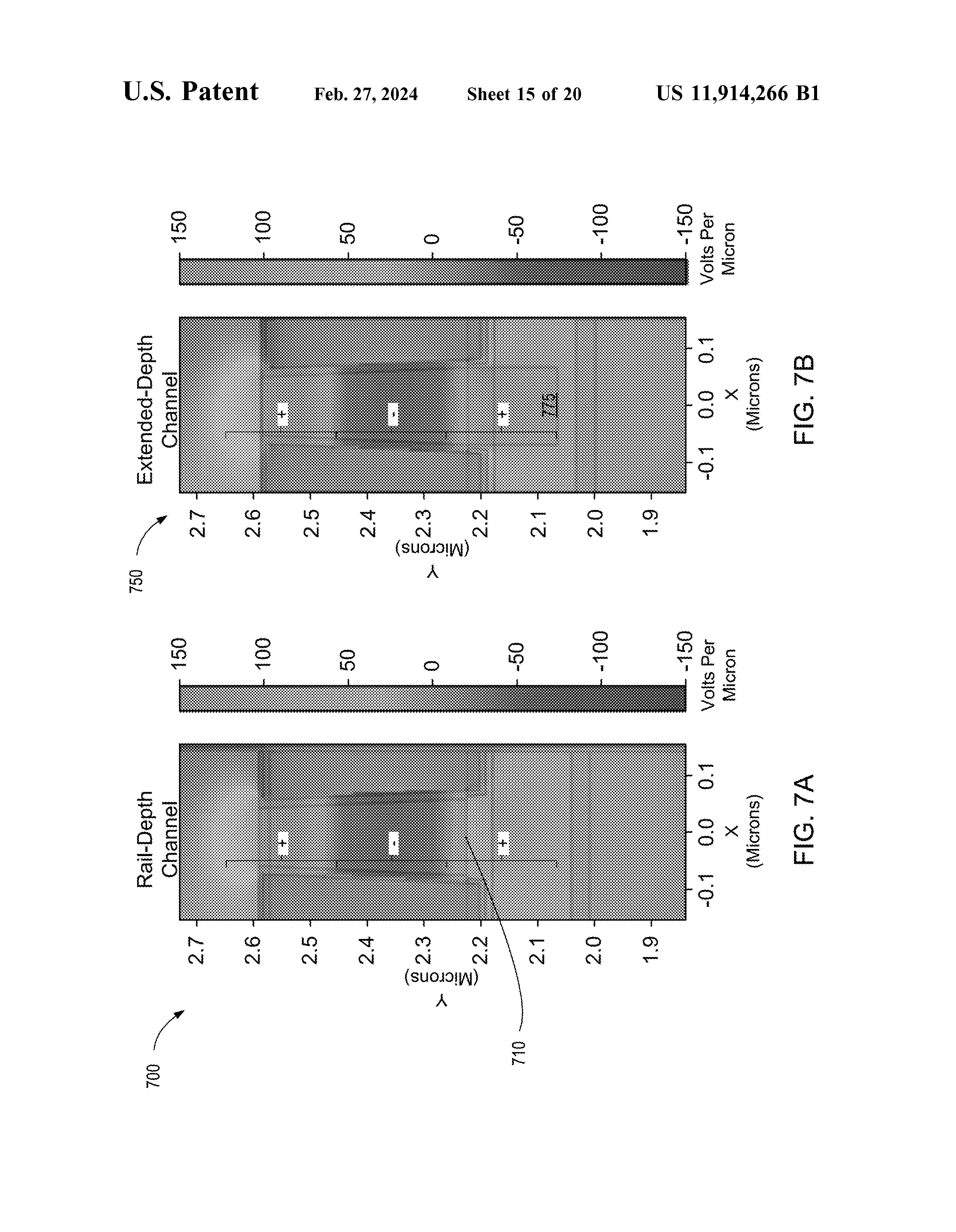
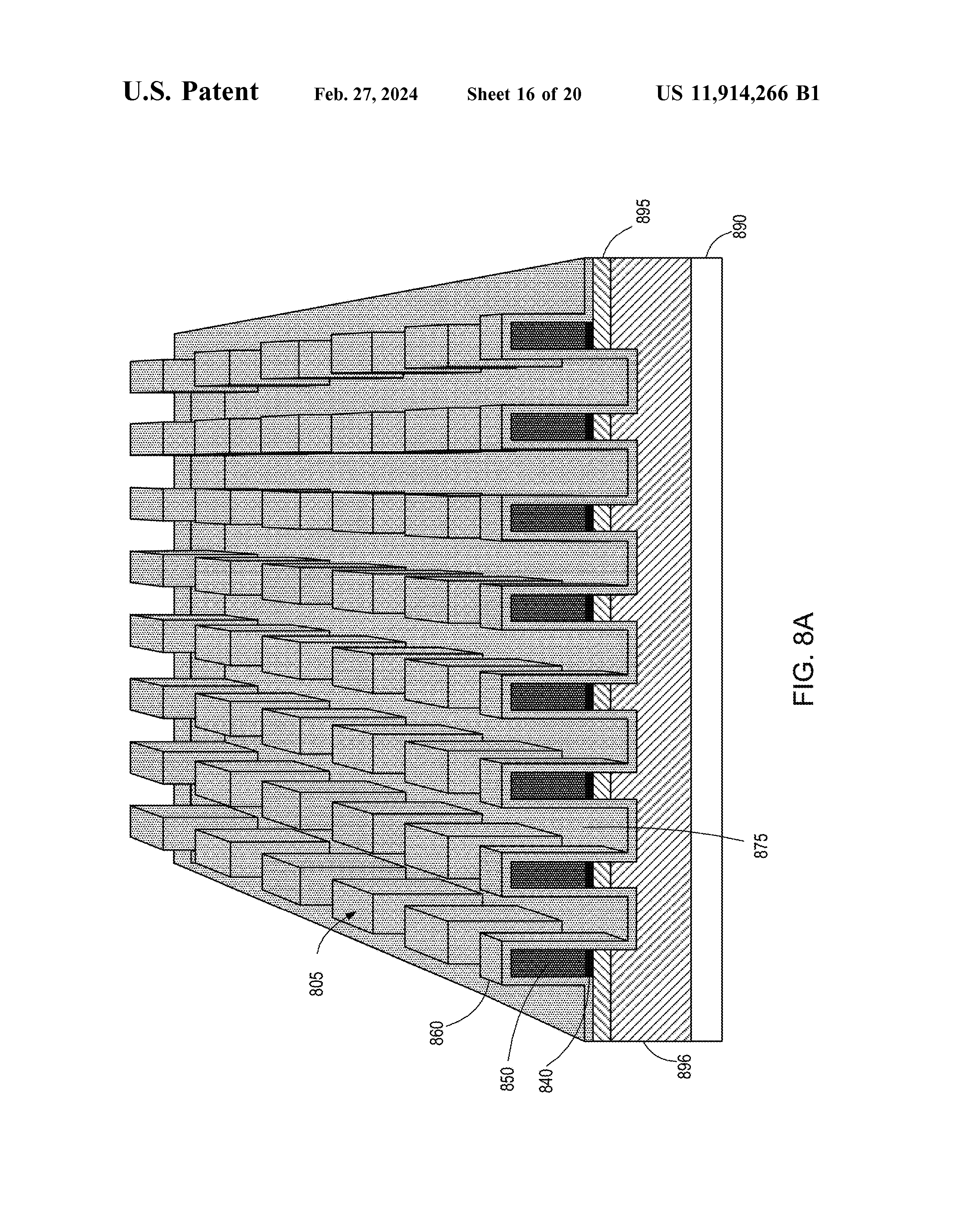
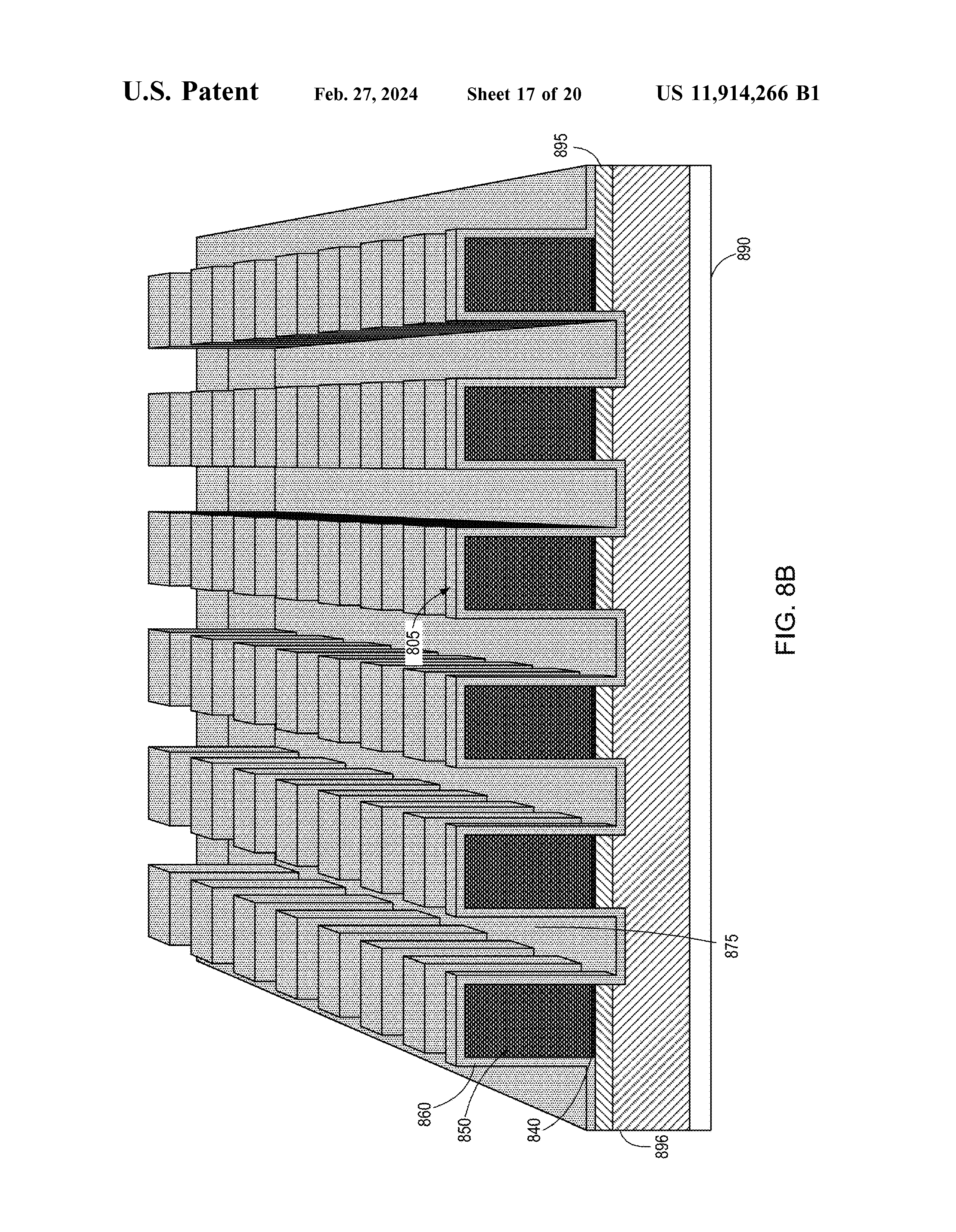
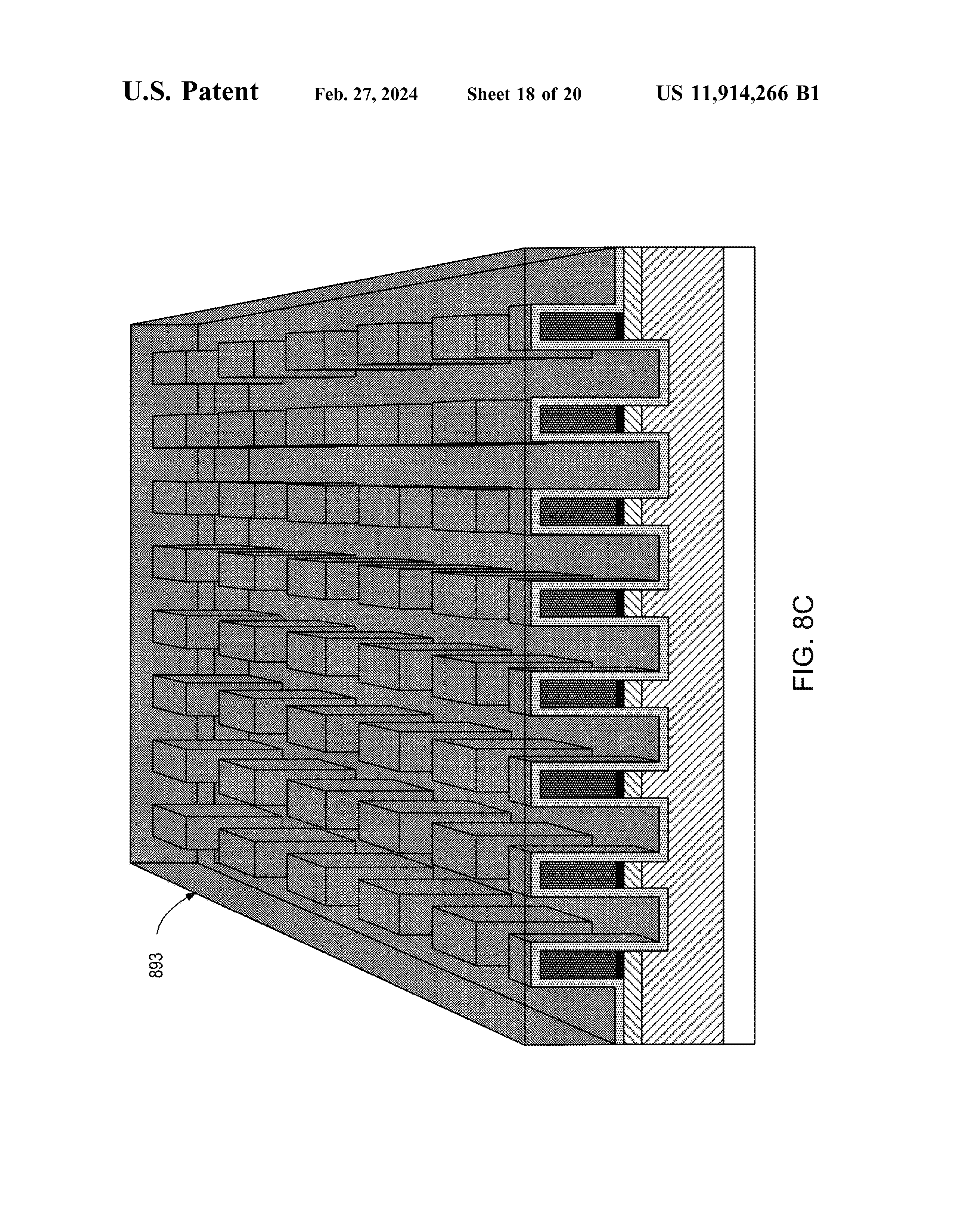
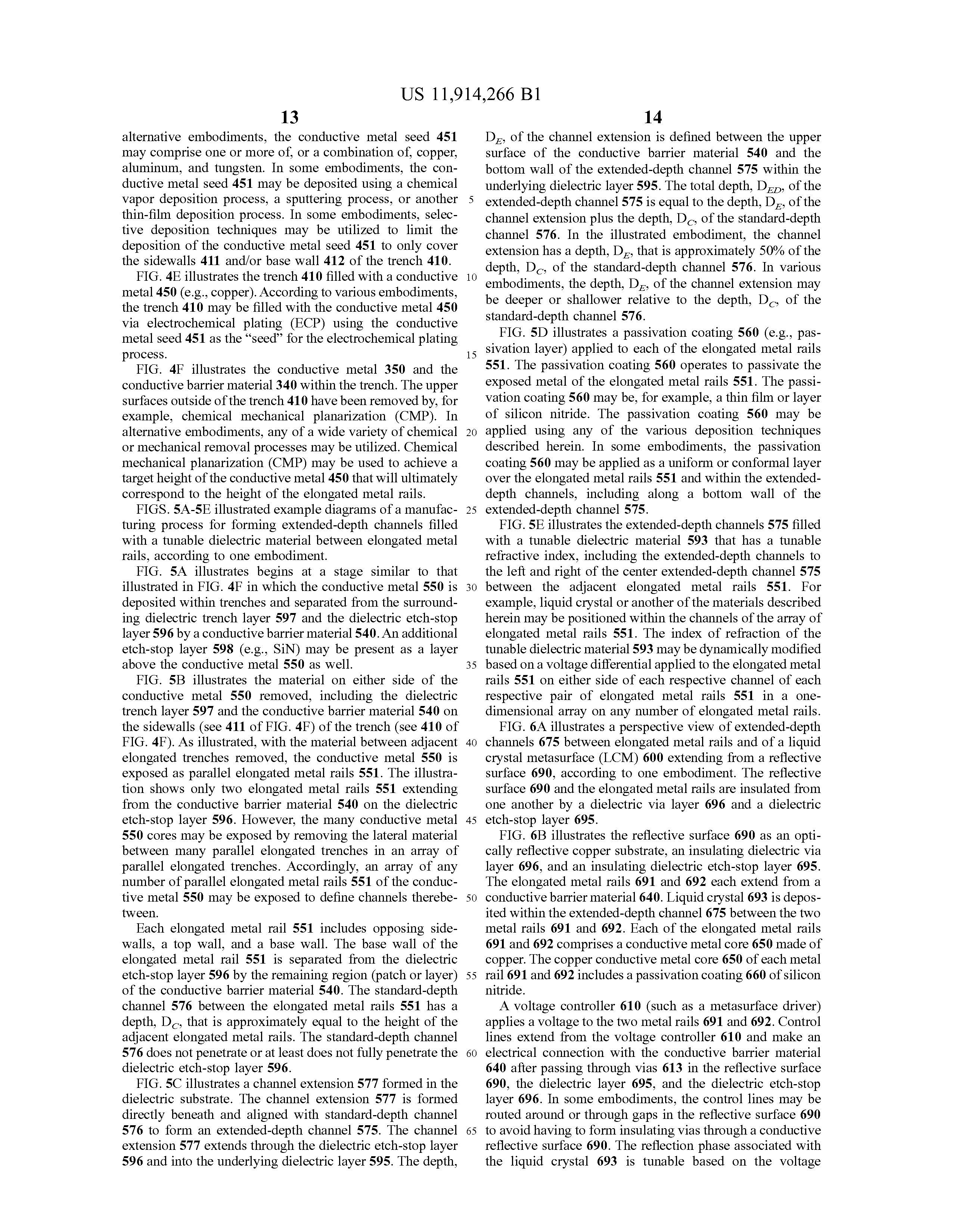
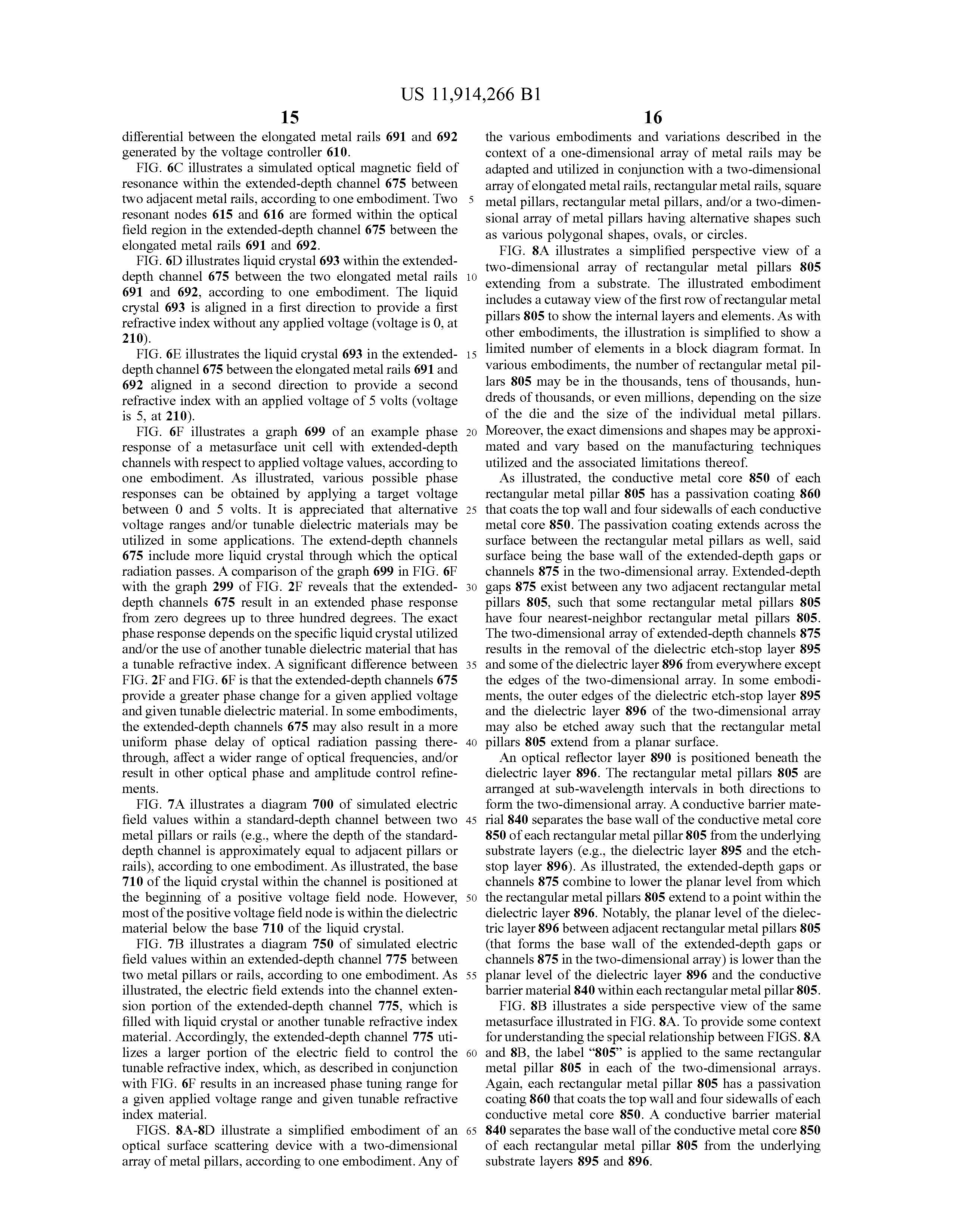
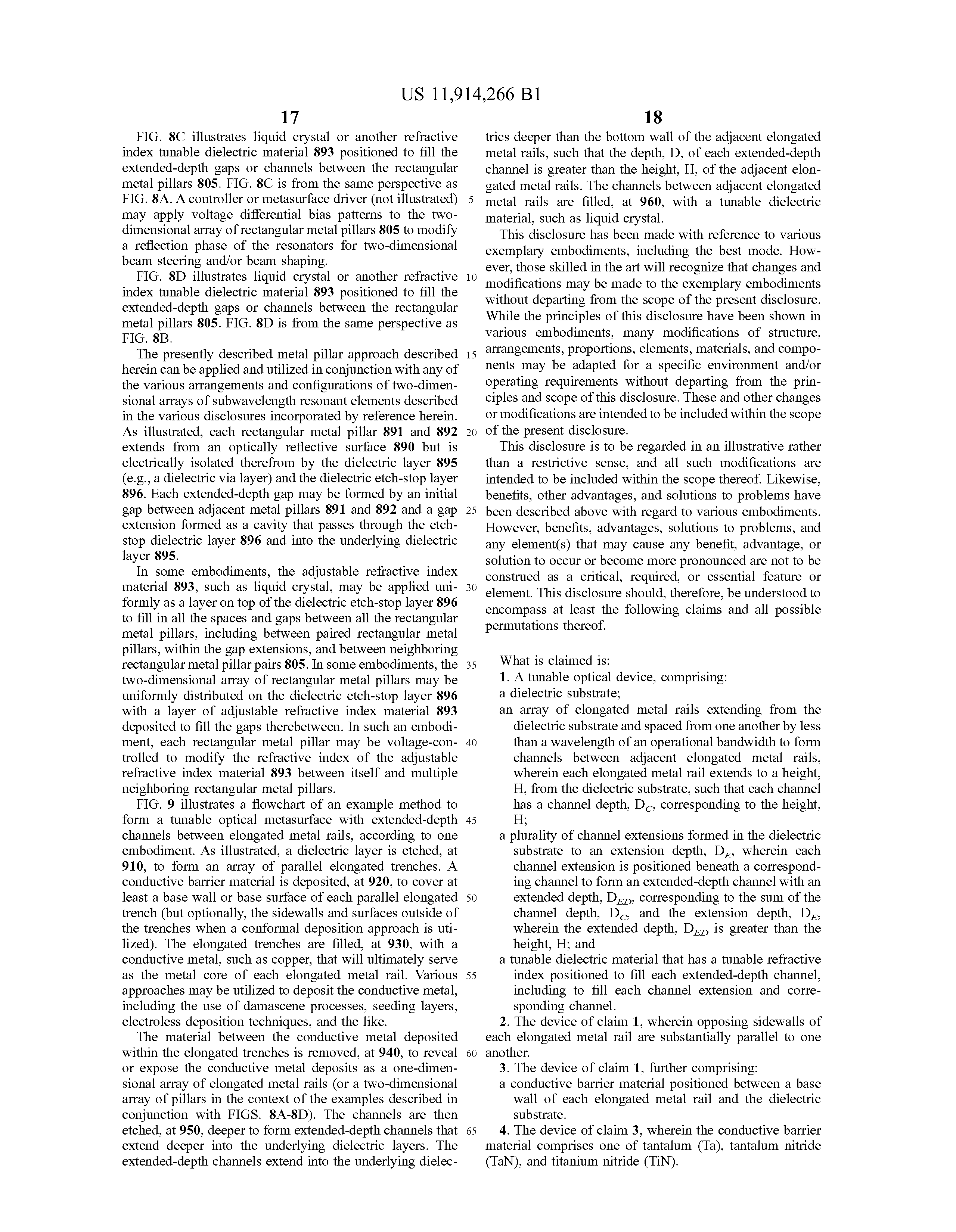
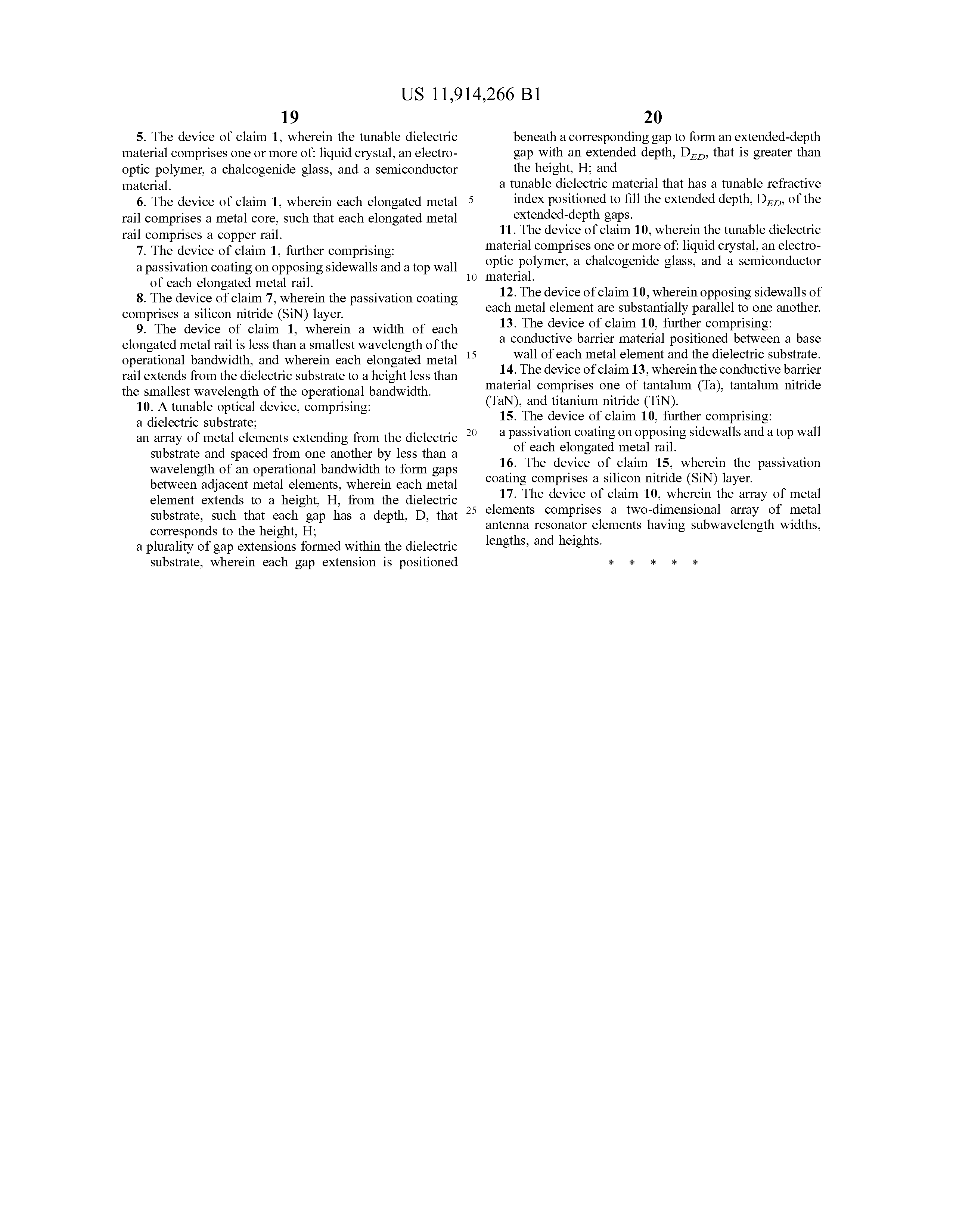
In various embodiments, a tunable optical surface includes a dielectric substrate layer with an array of elongated metal rails extending from the dielectric substrate parallel to one another and spaced from one another to form channels therebetween. The channels are etched deeper into the dielectric substrate to form extended-depth channels. The depth of each extended-depth channel is greater than the height of adjacent elongated metal rails. The dimensions of the elongated metal rails and the extended-depth channels therebetween may be subwavelength with respect to an operational bandwidth. A tunable dielectric material that has a tunable refractive index, such as liquid crystal, is positioned within the extended-depth channels between adjacent elongated metal rails.
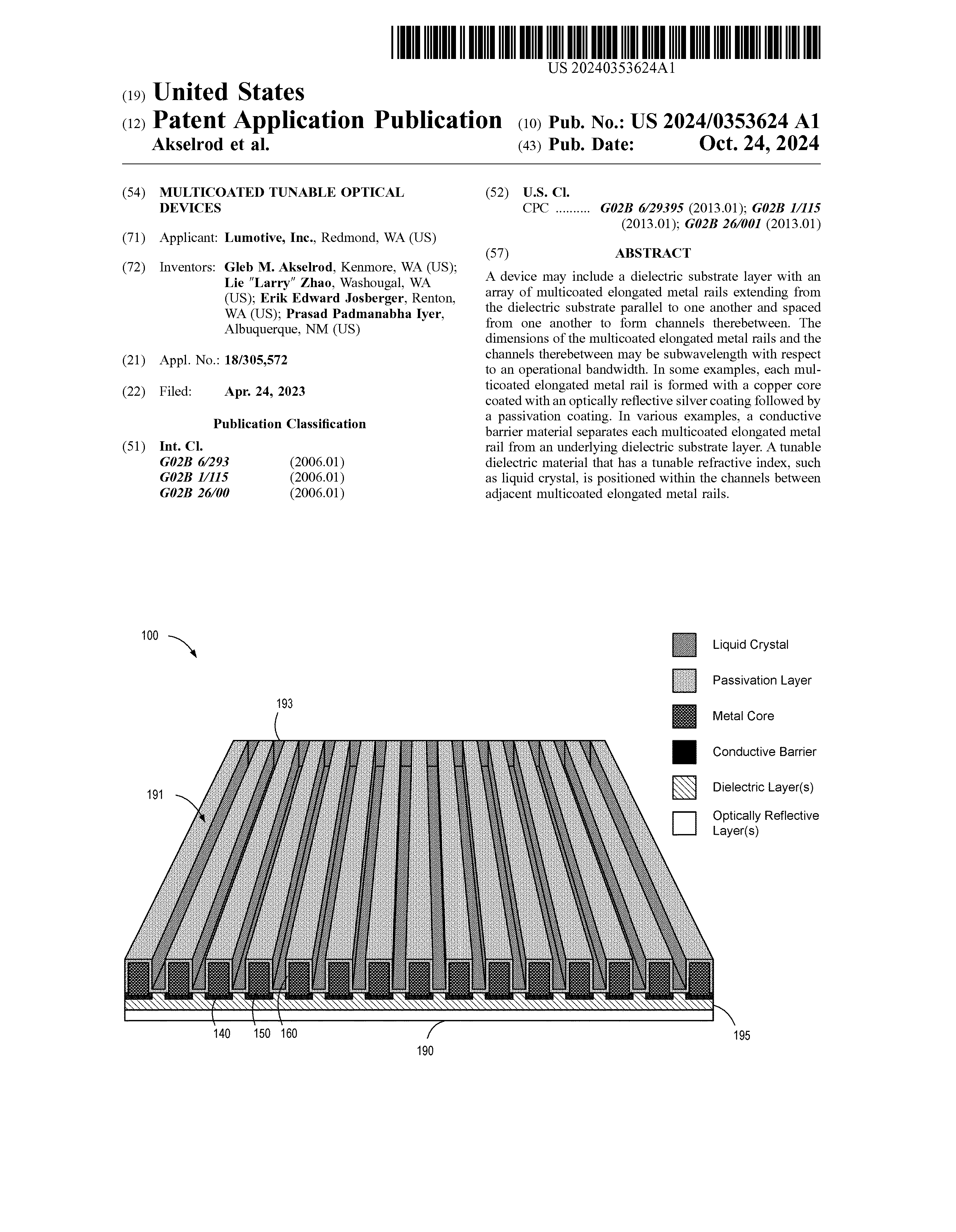
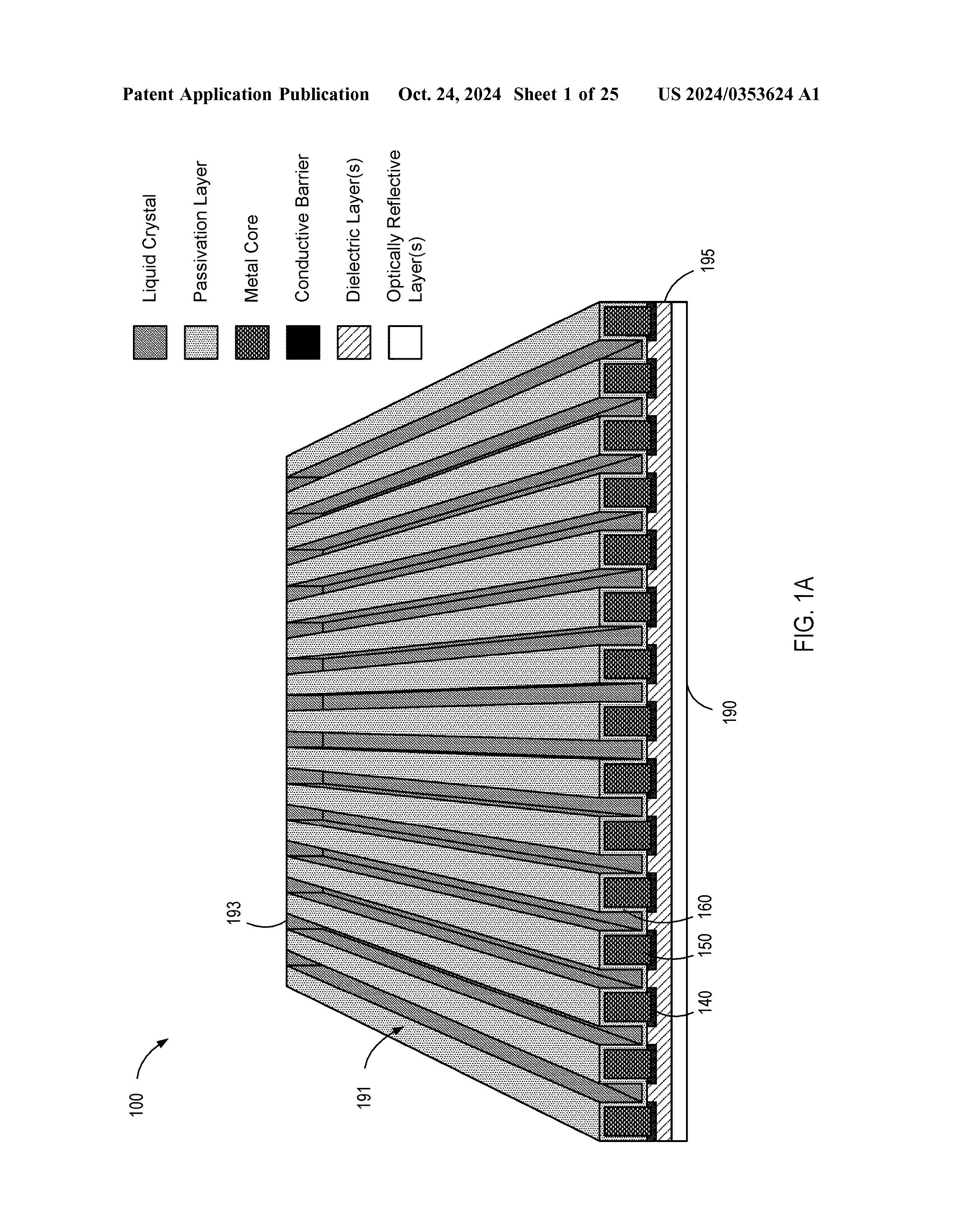
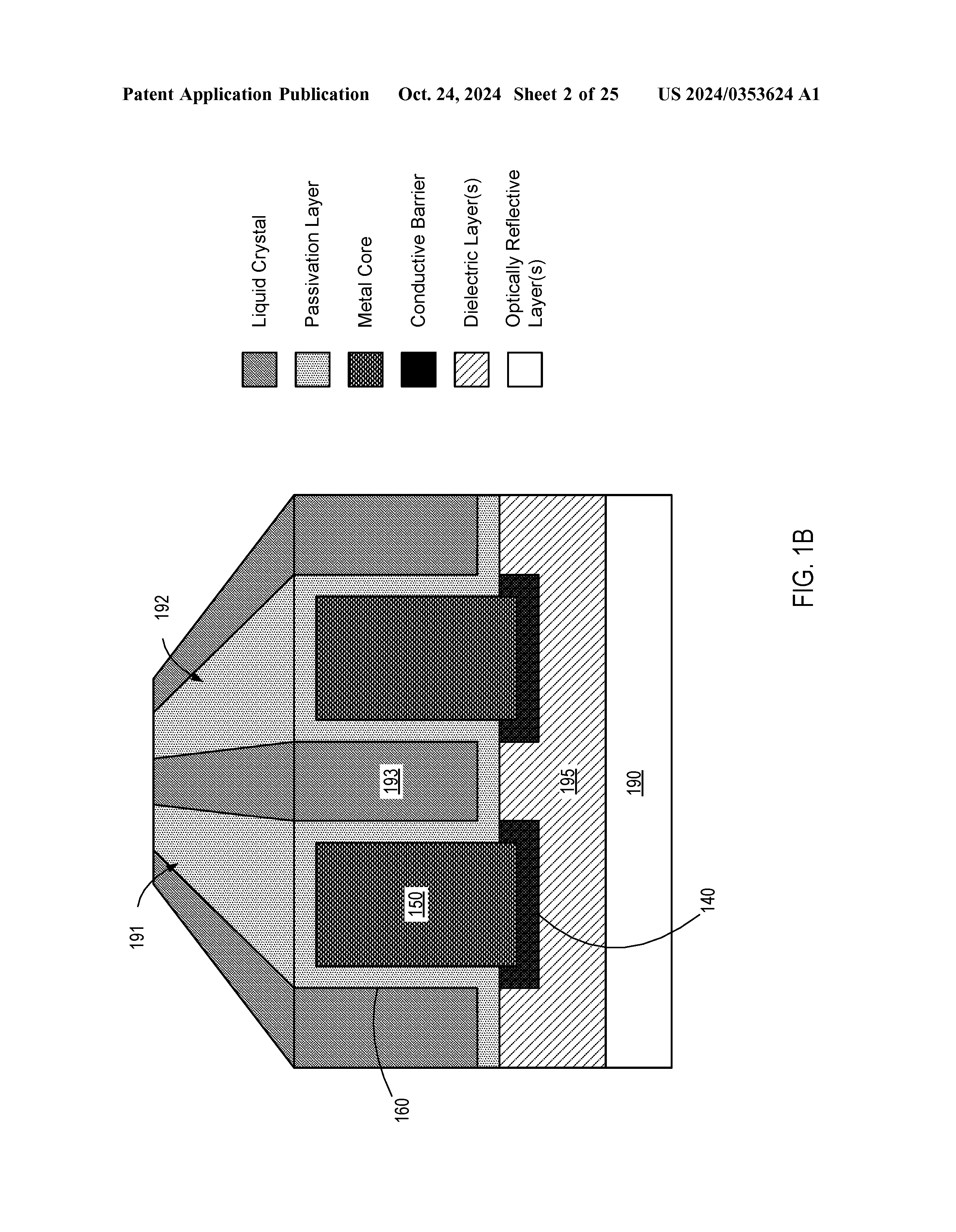
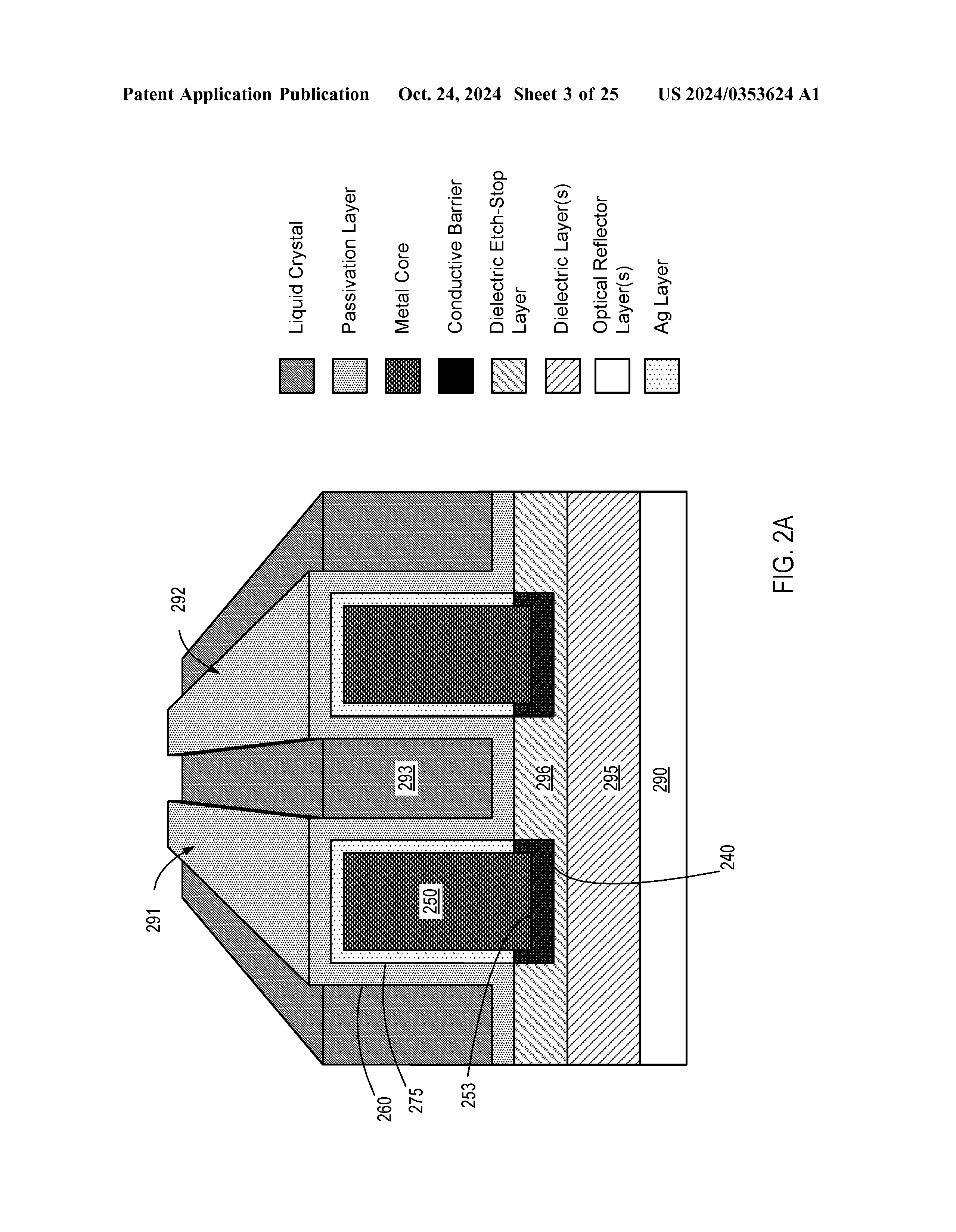
Multicoated tunable optical devices
Published:
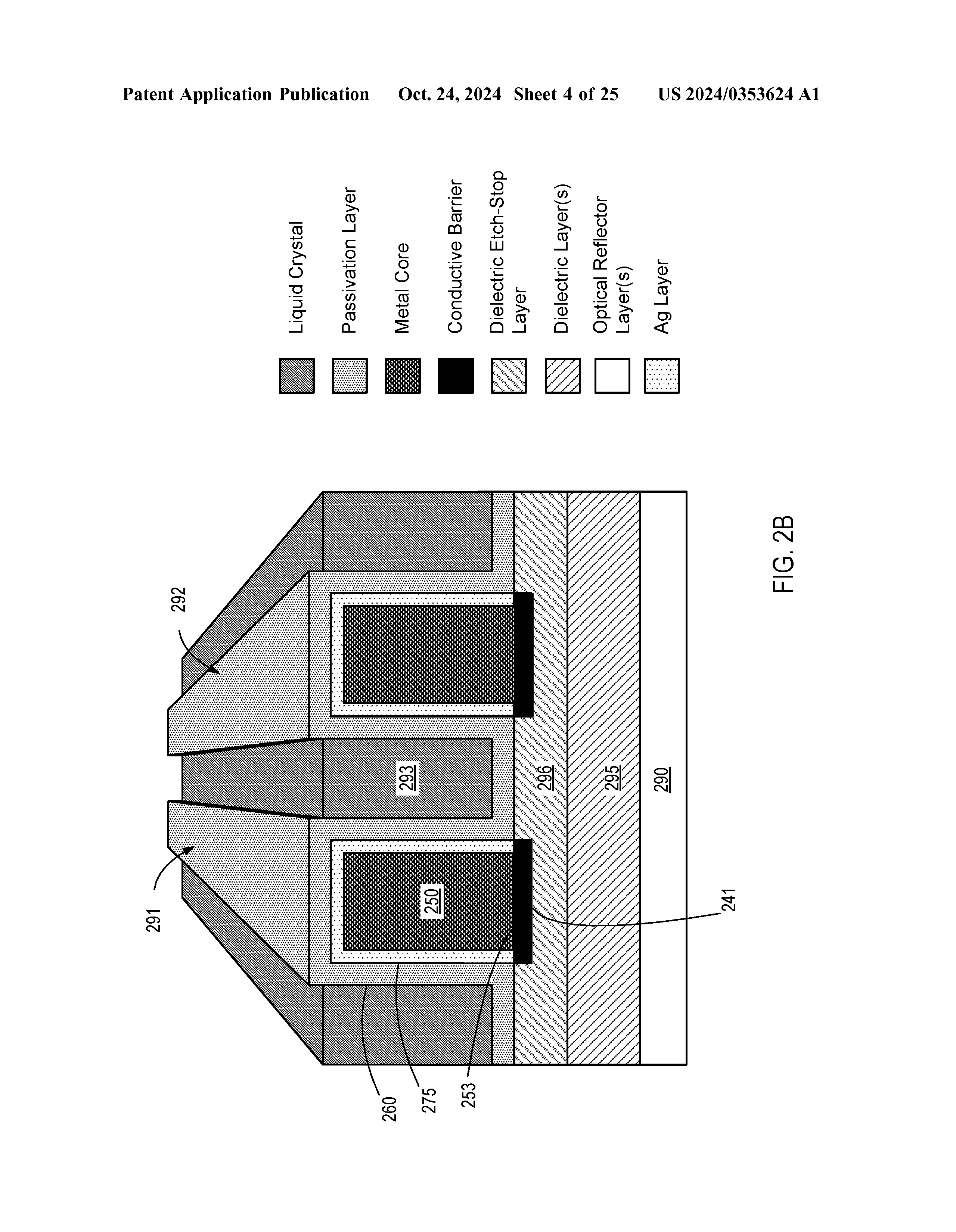
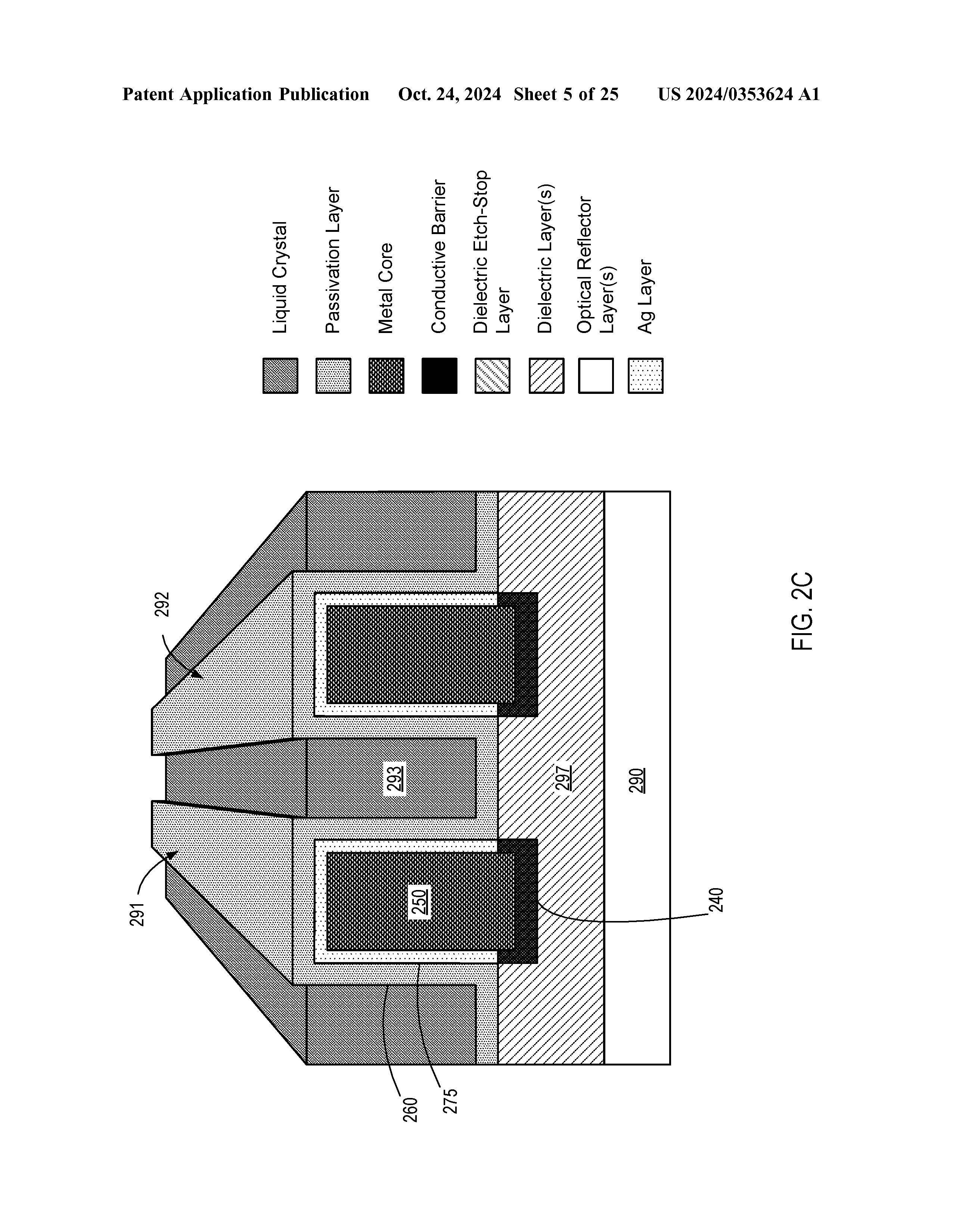
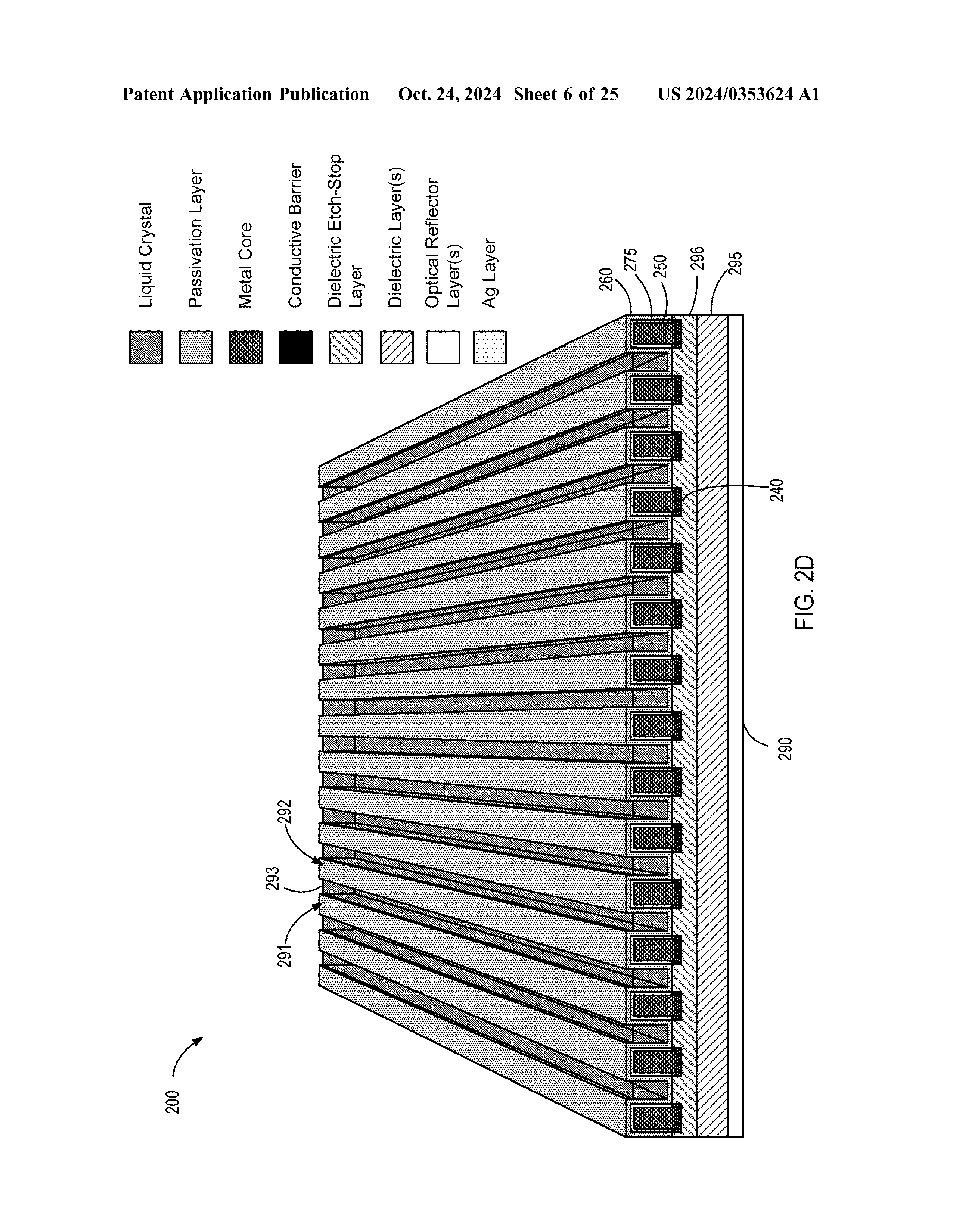
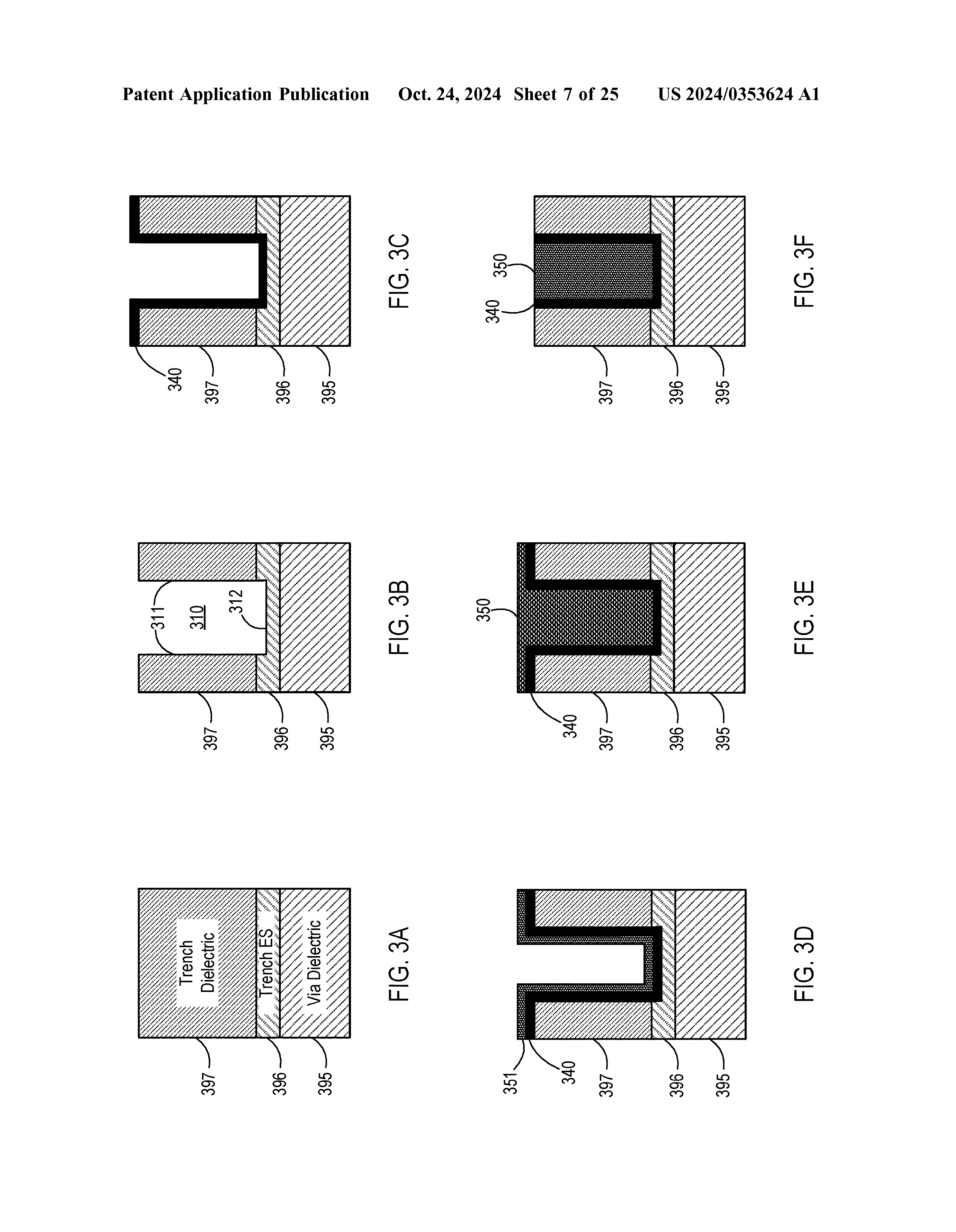
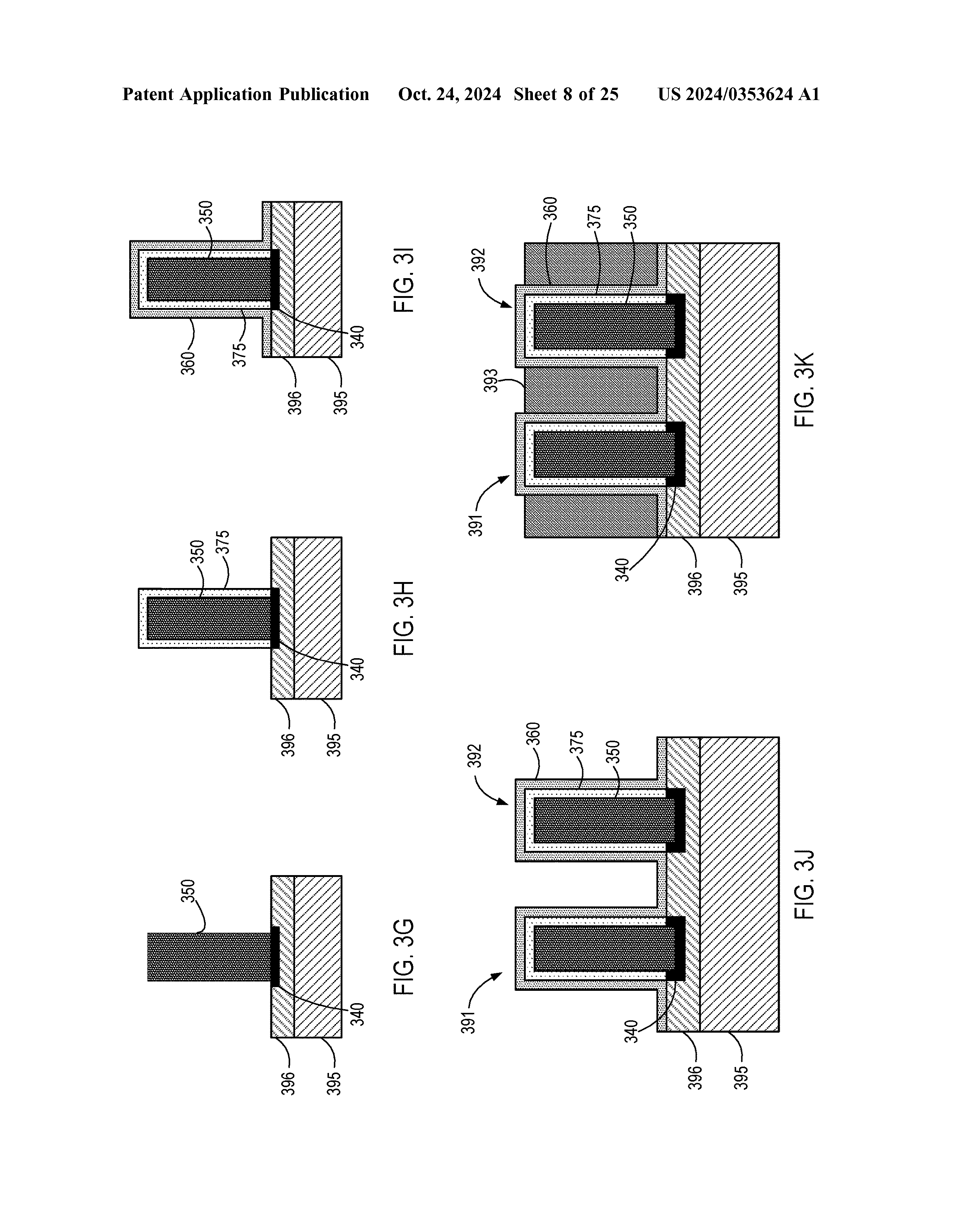
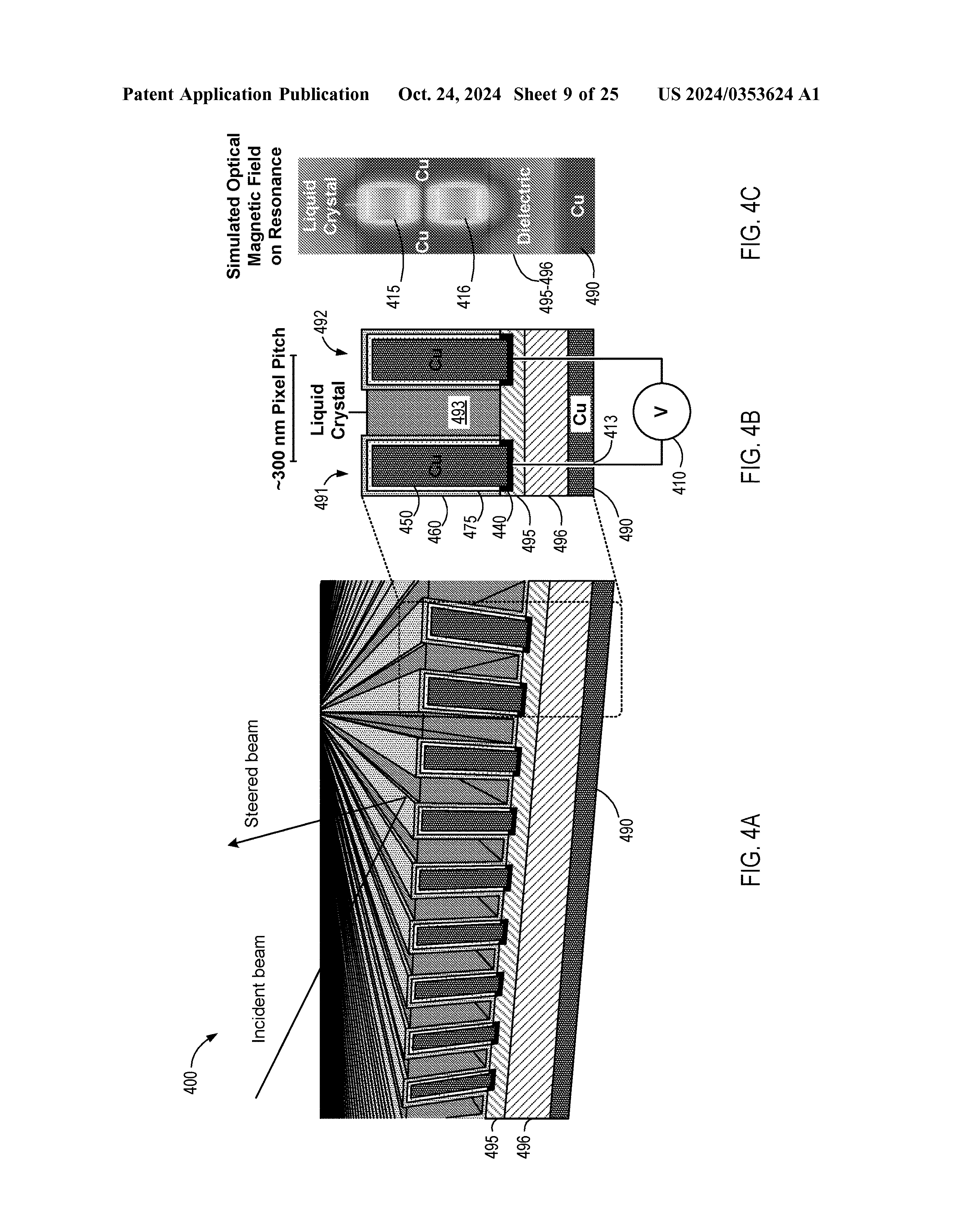
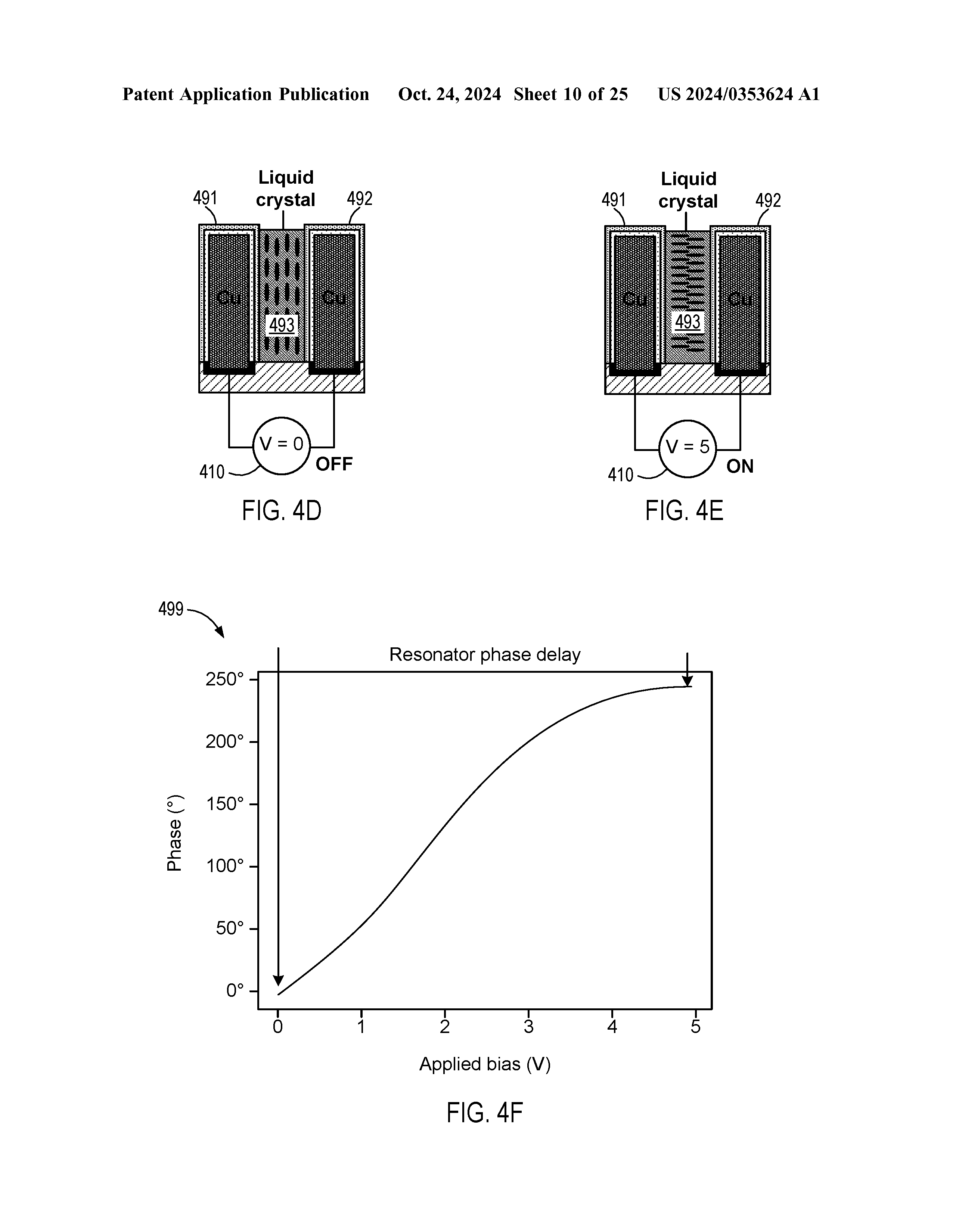
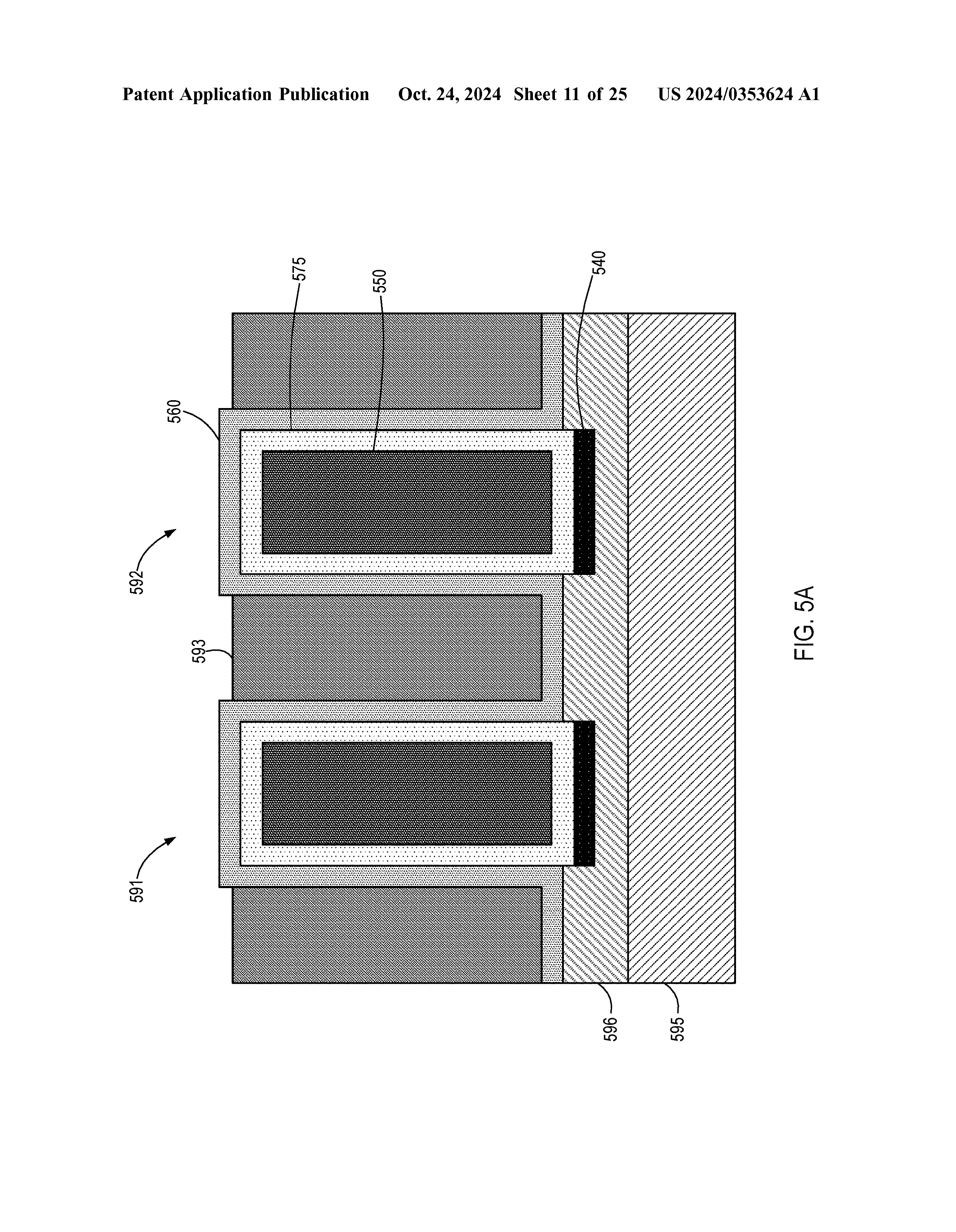
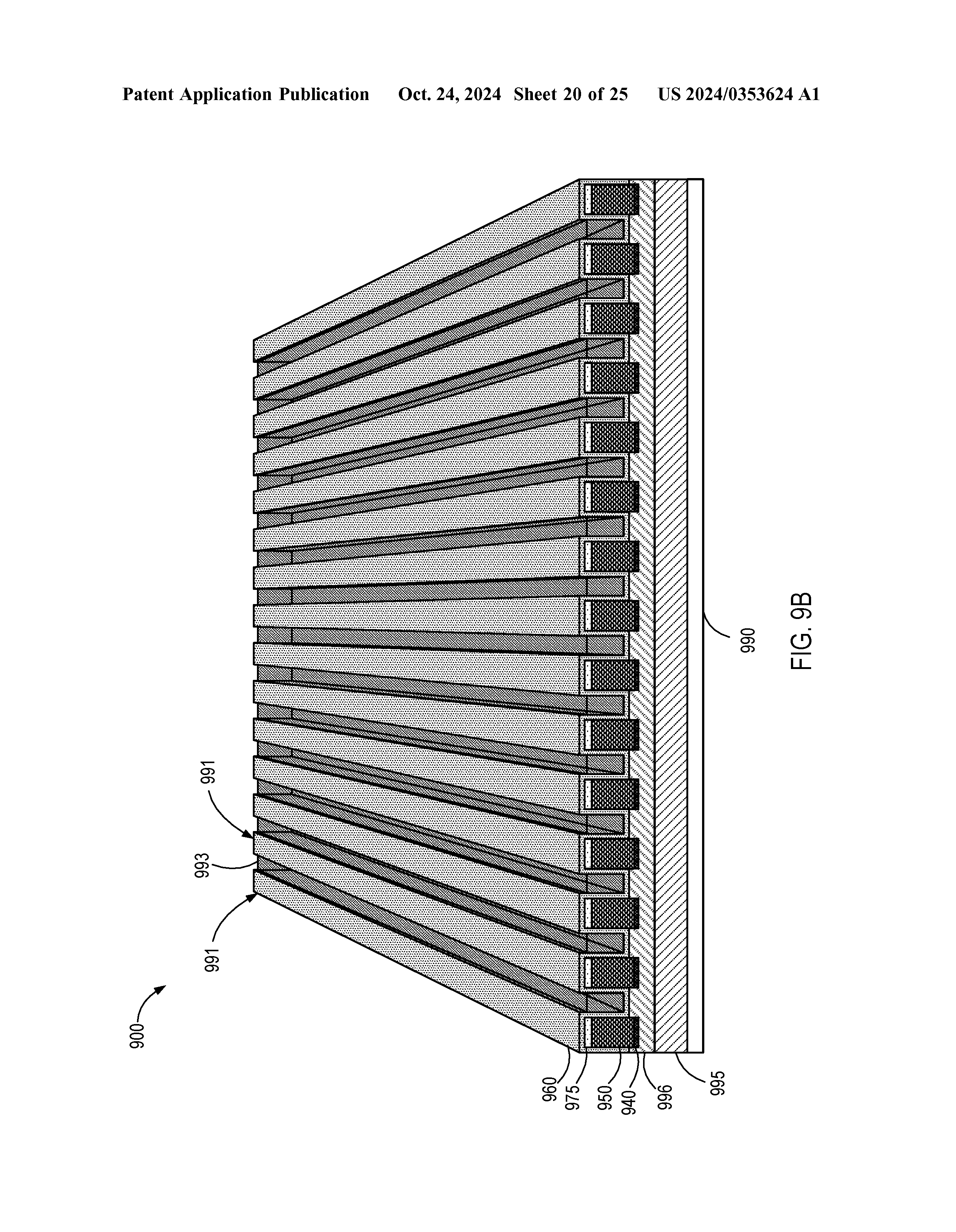
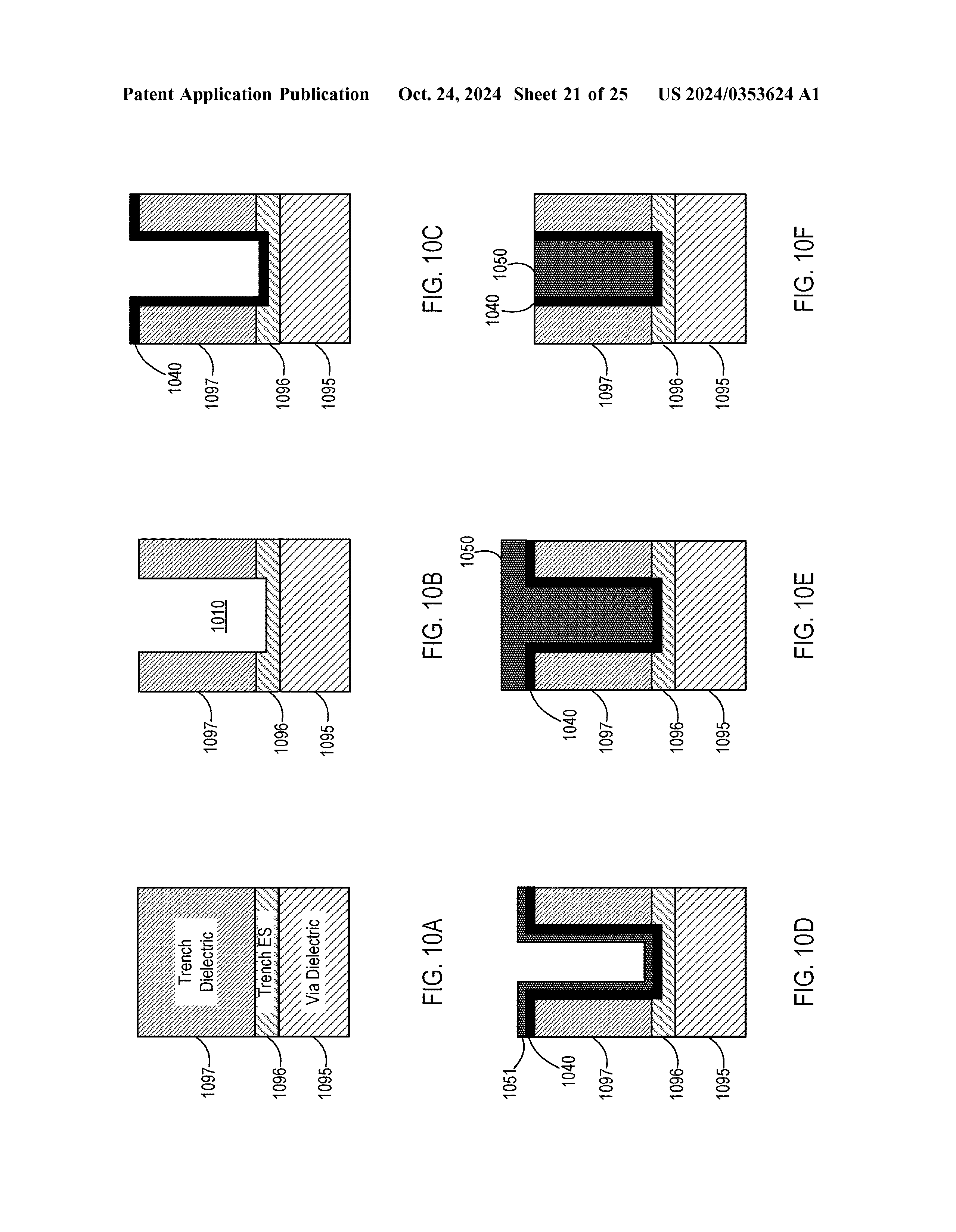
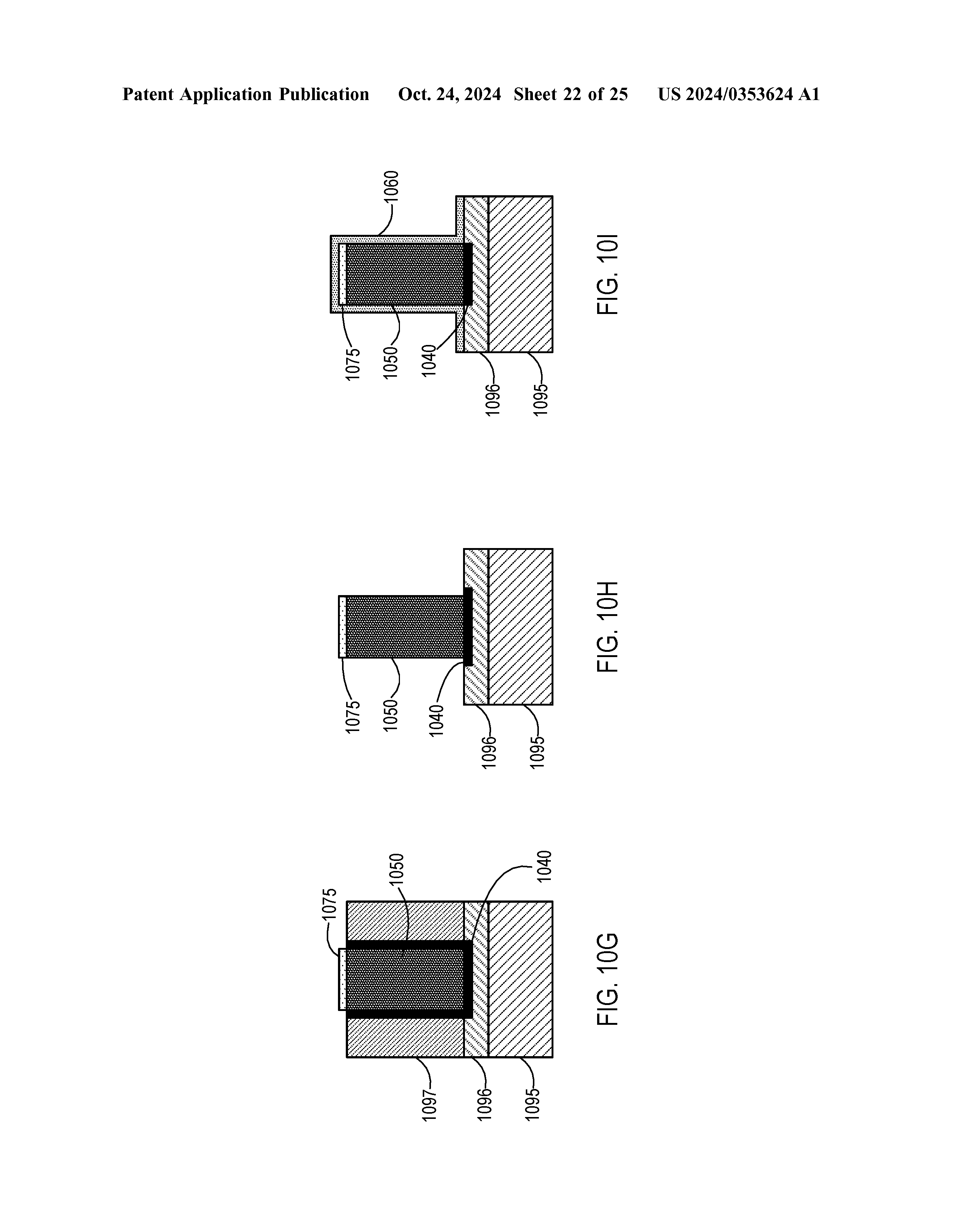
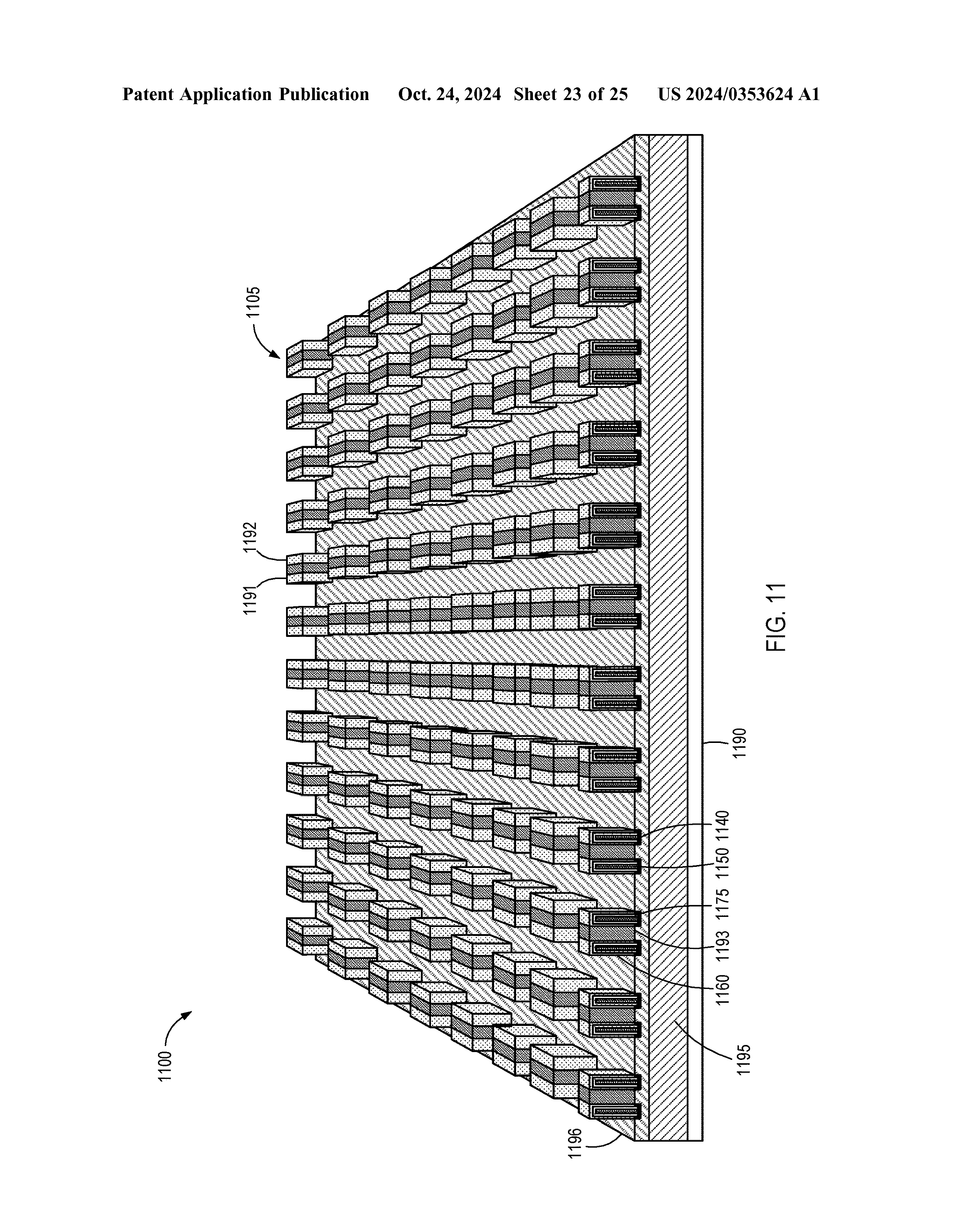
Abstract:
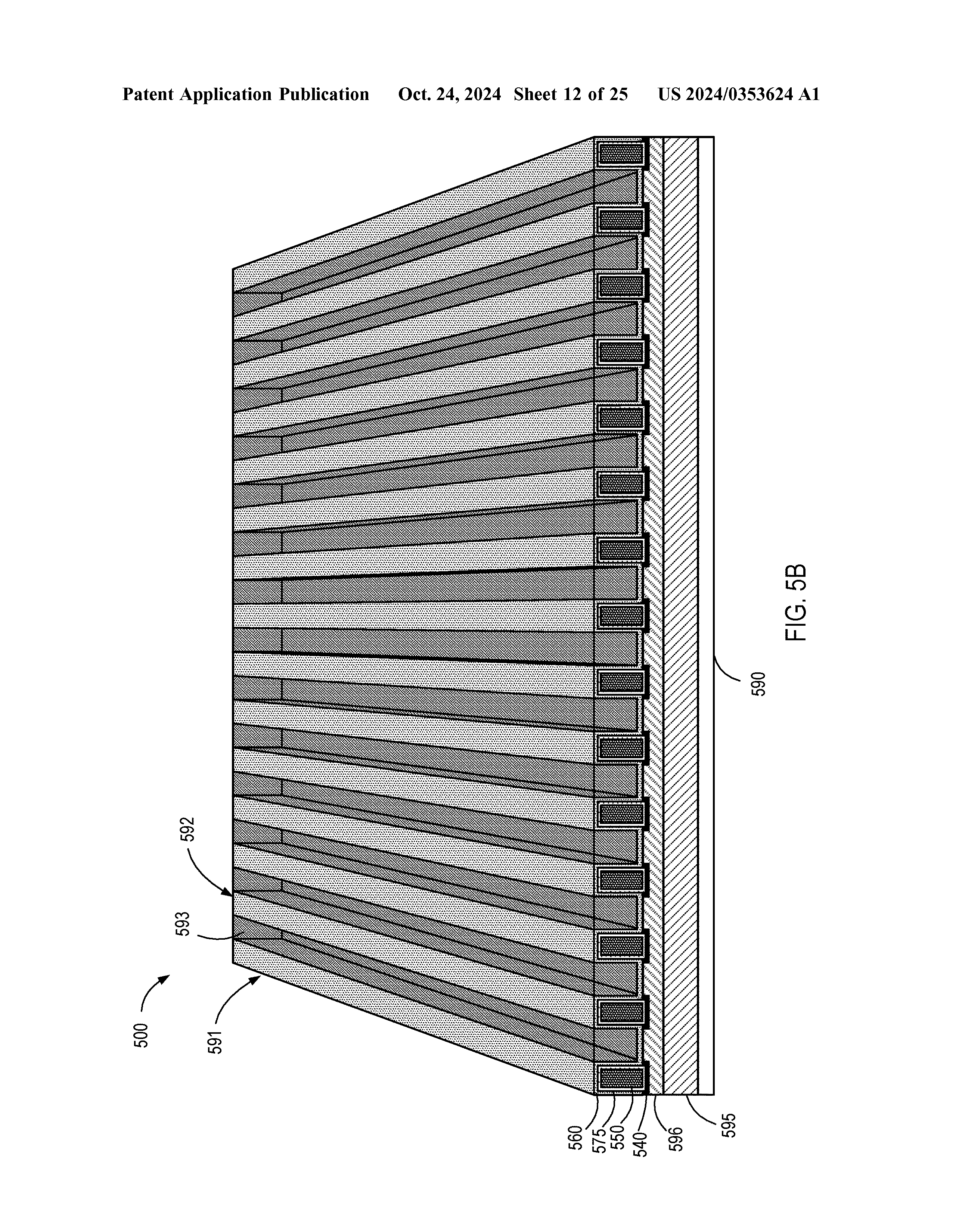
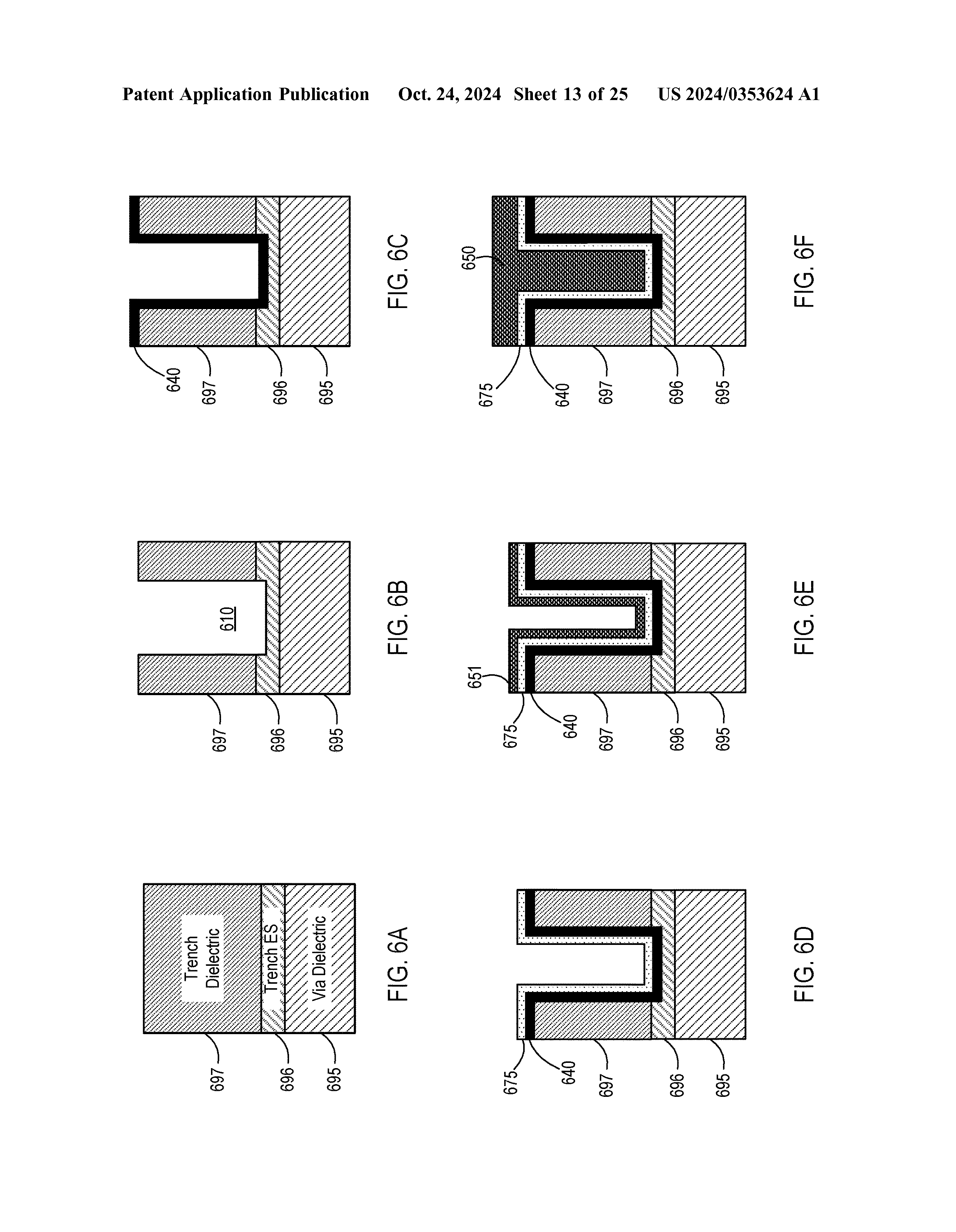
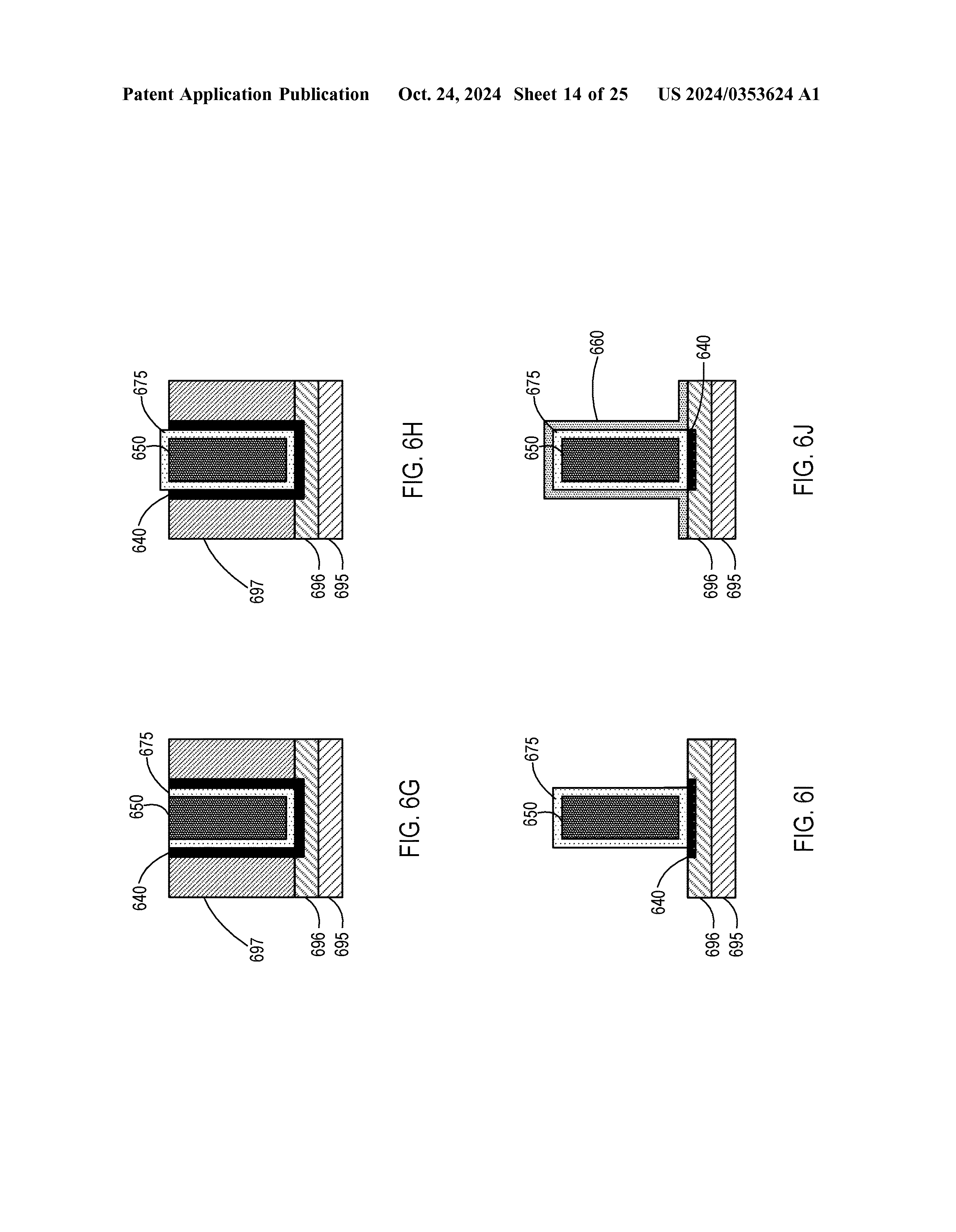
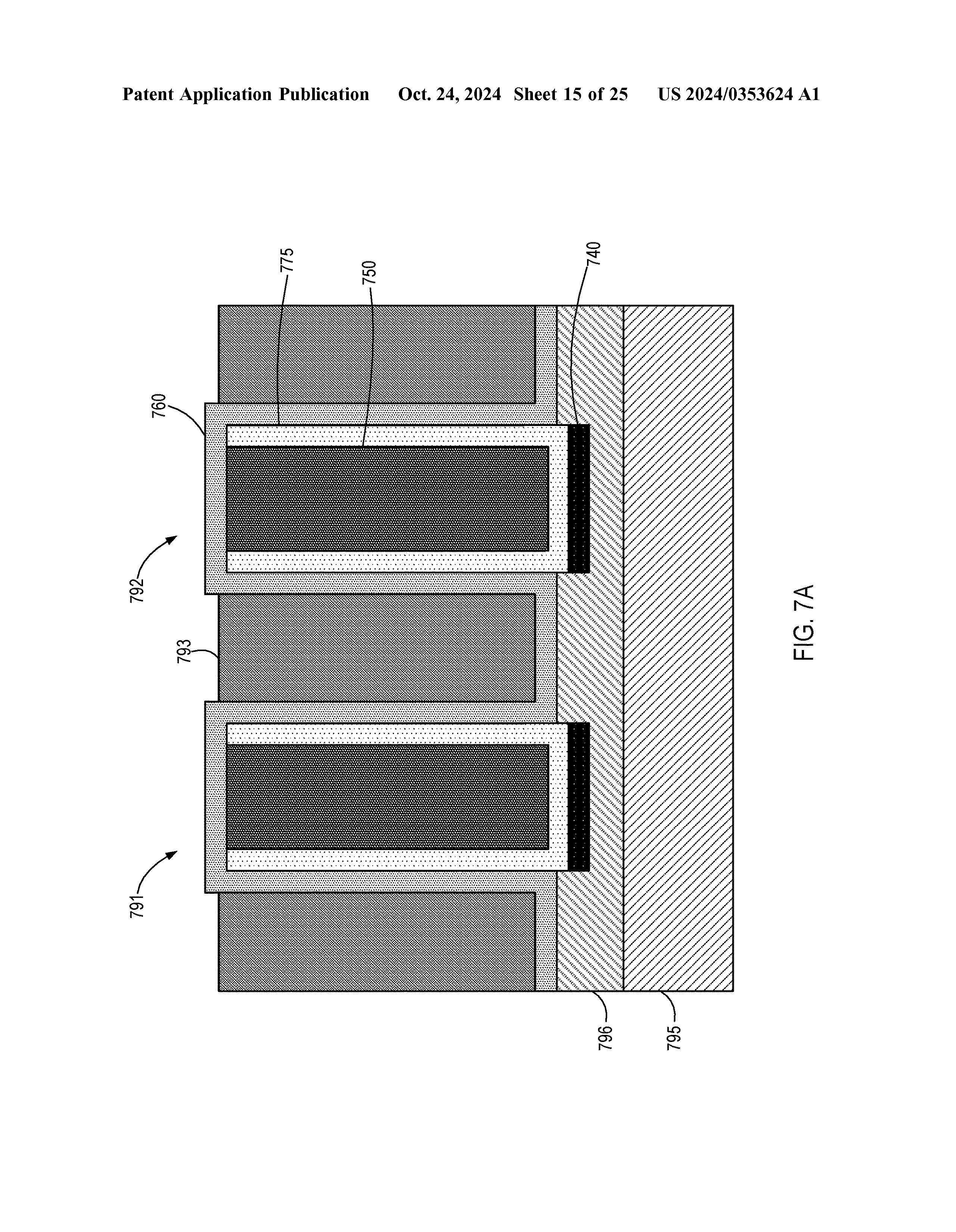
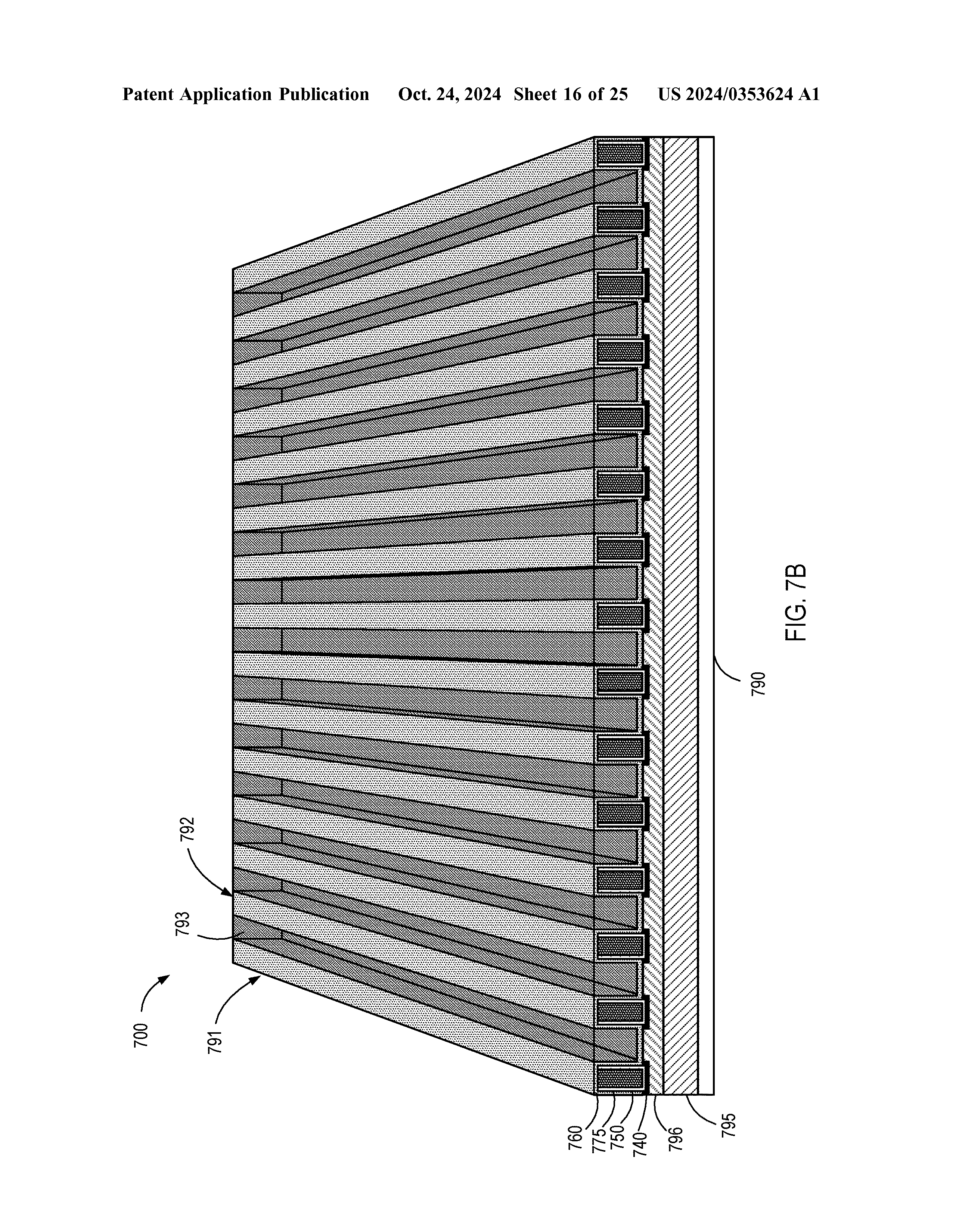
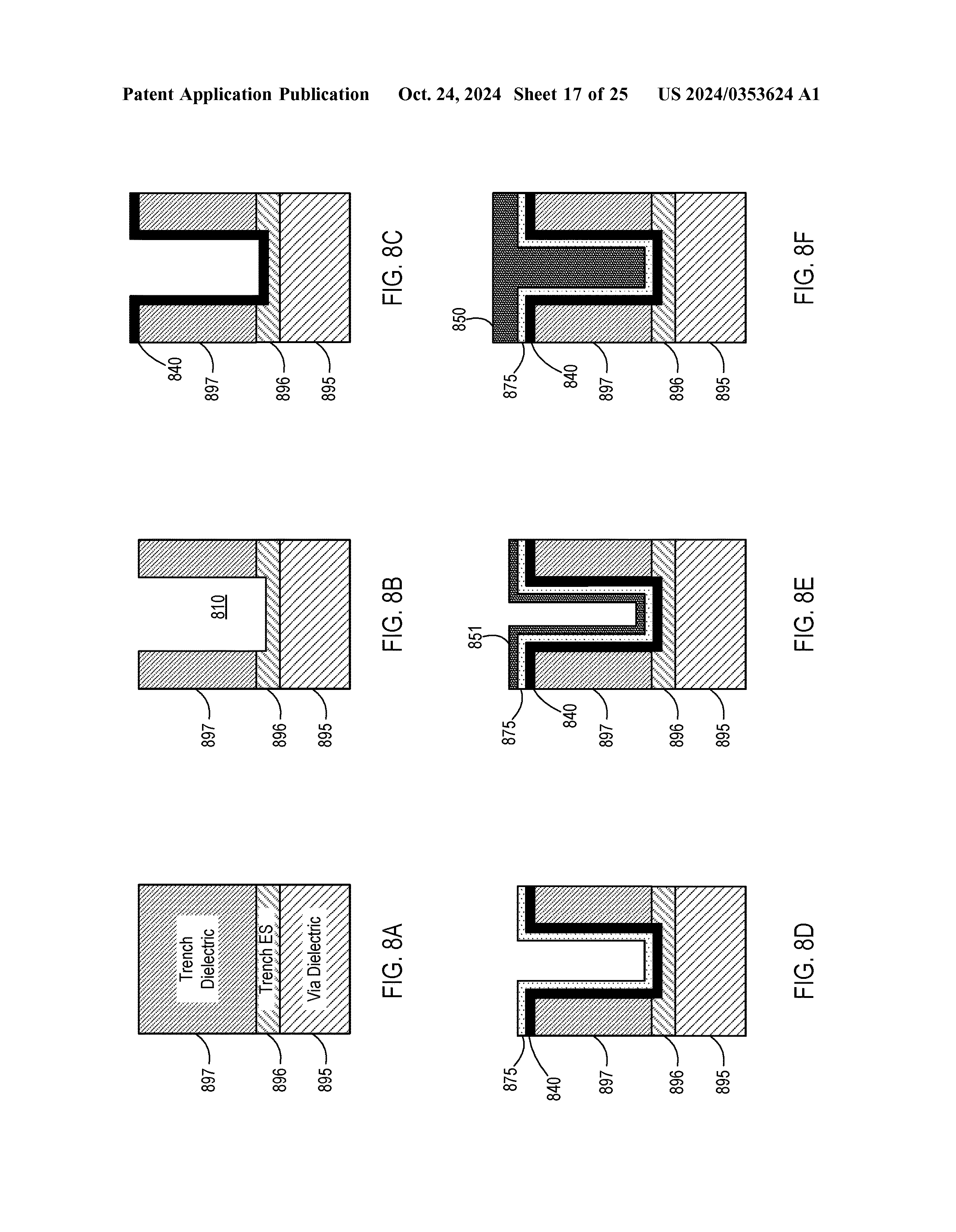
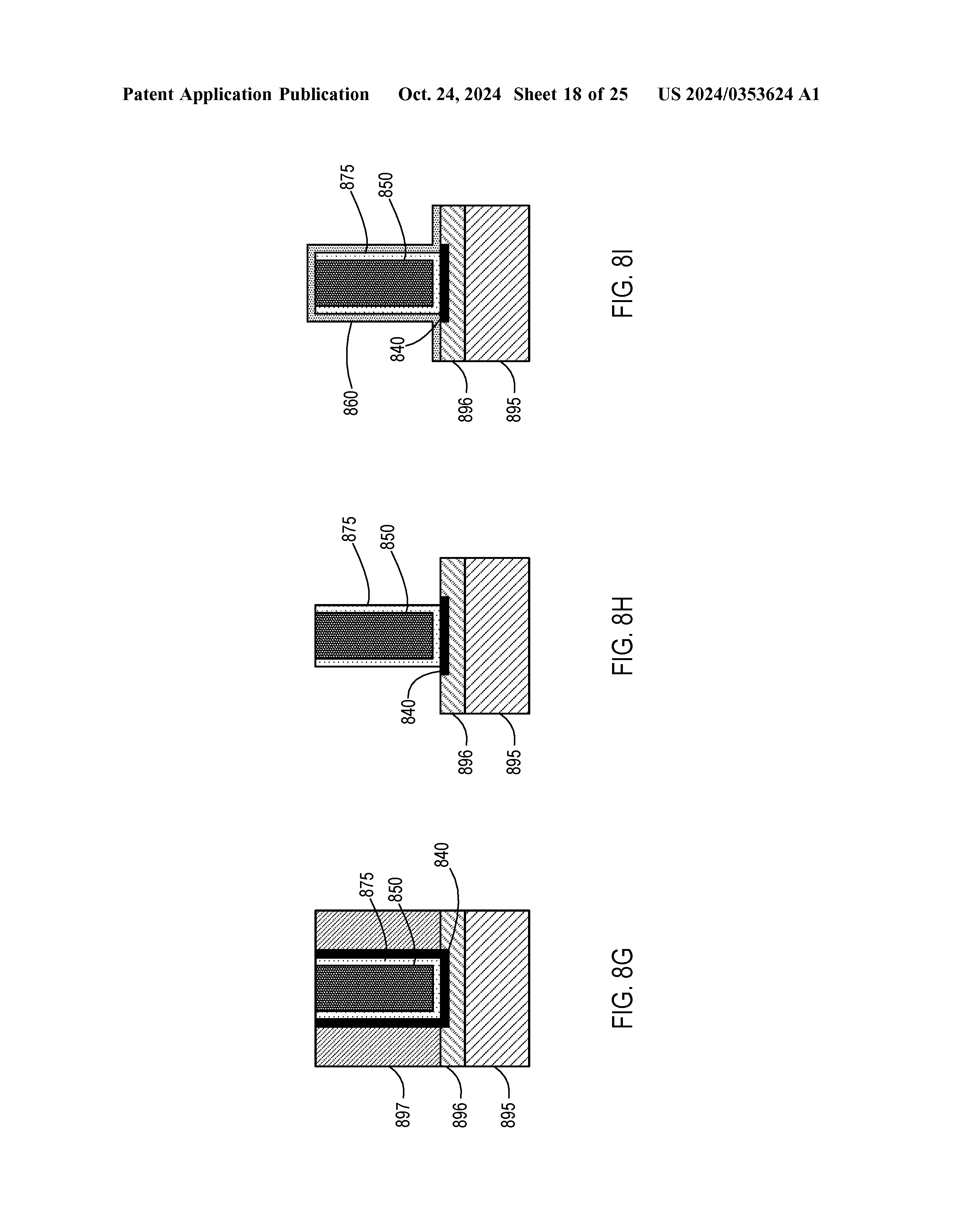
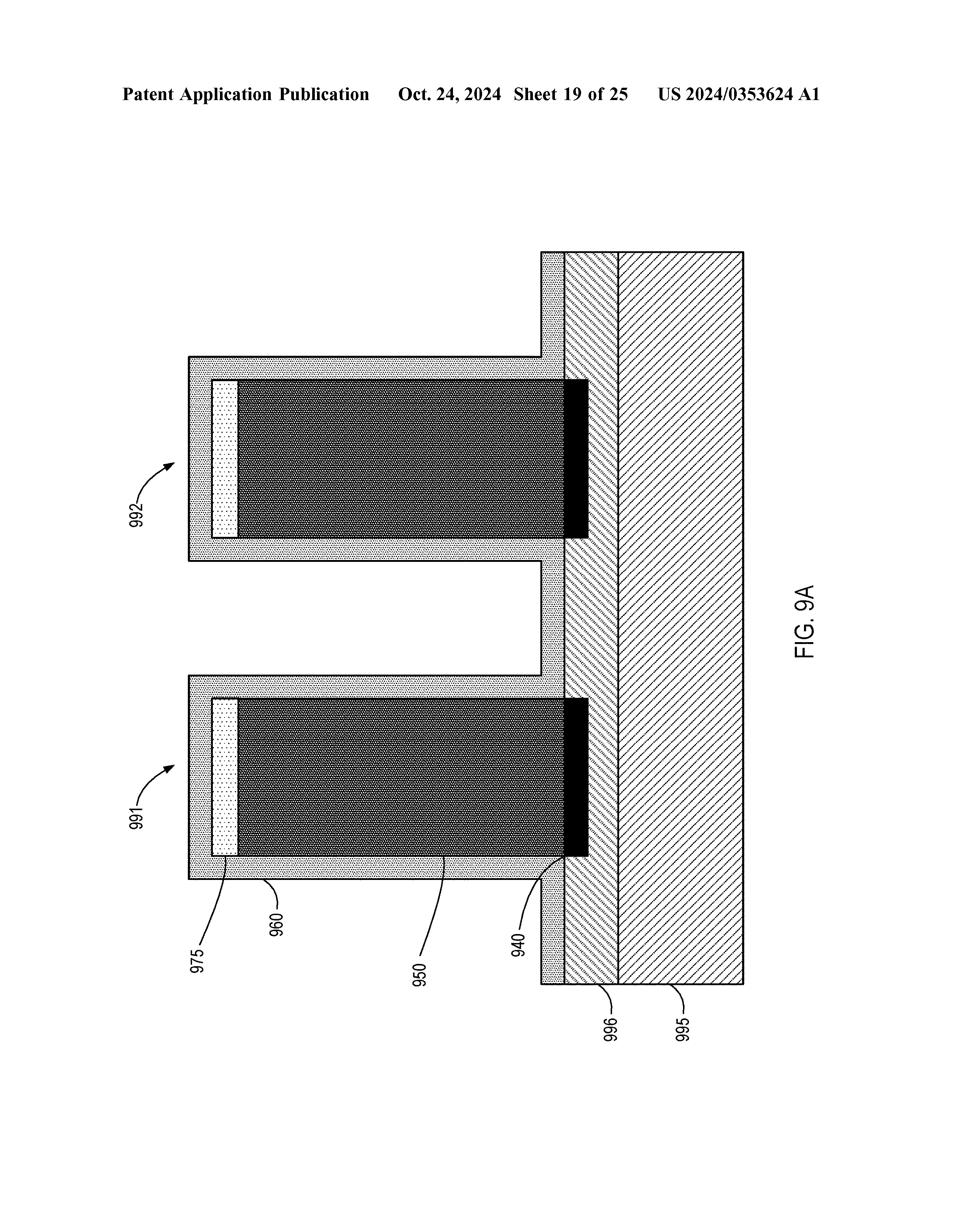
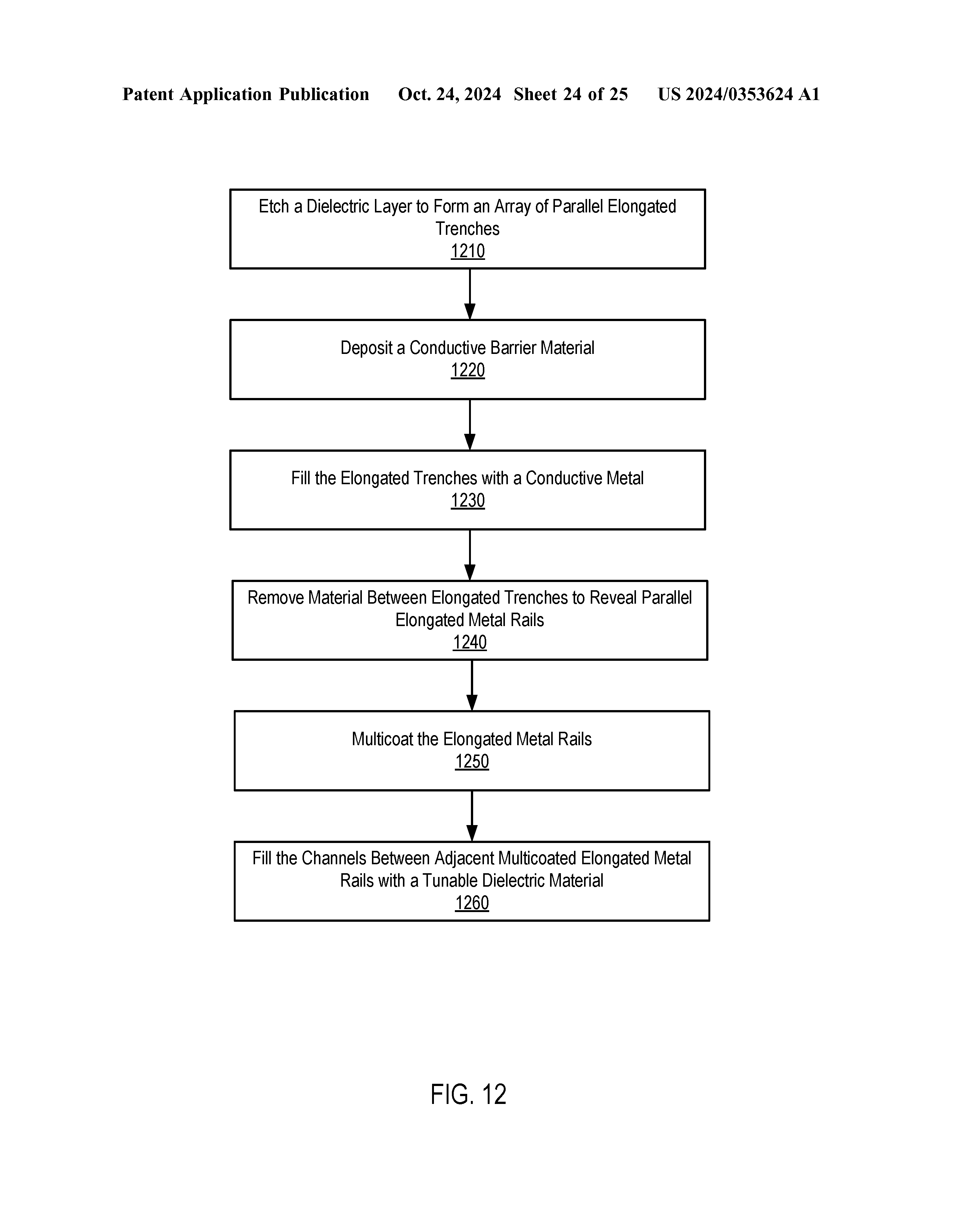
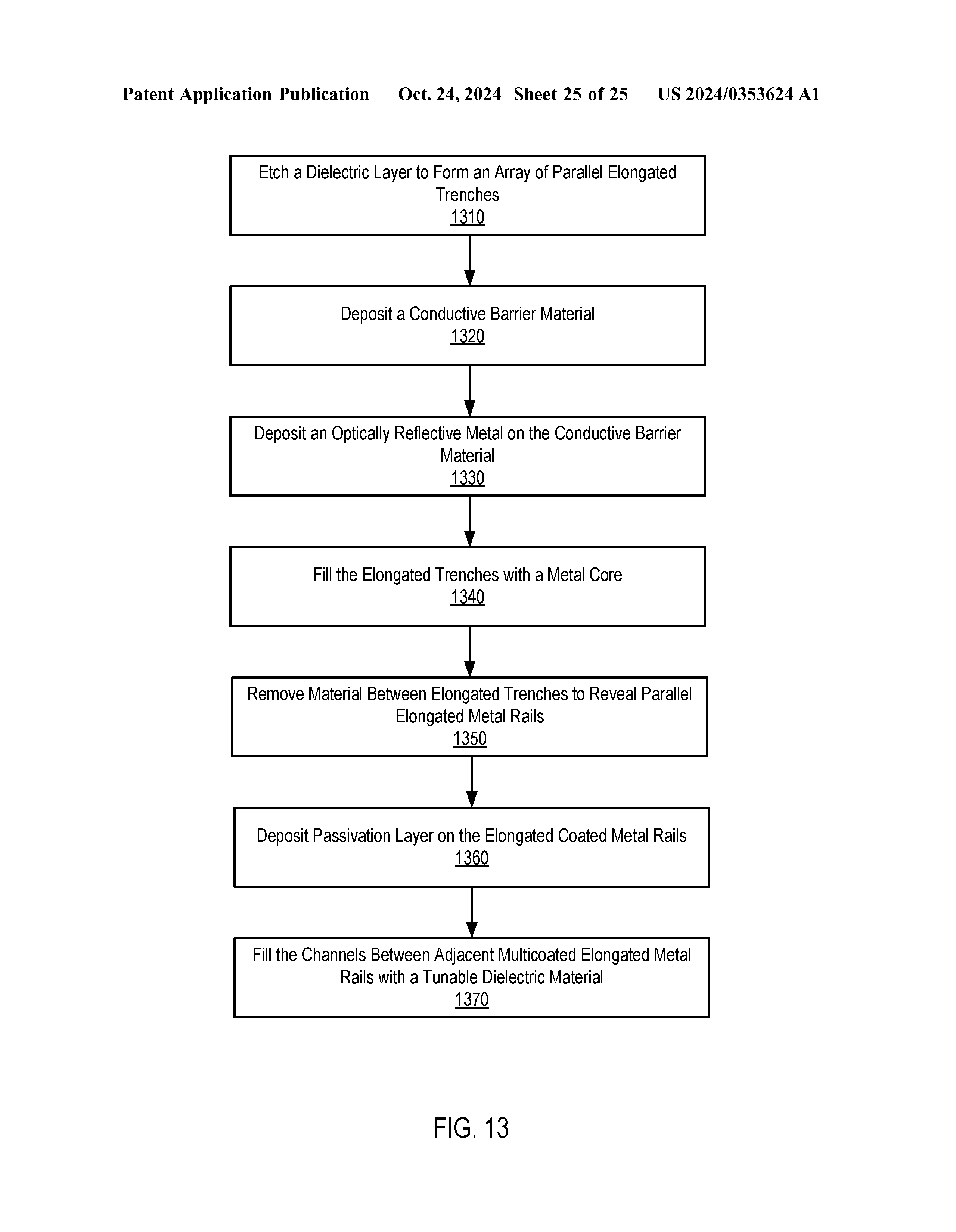
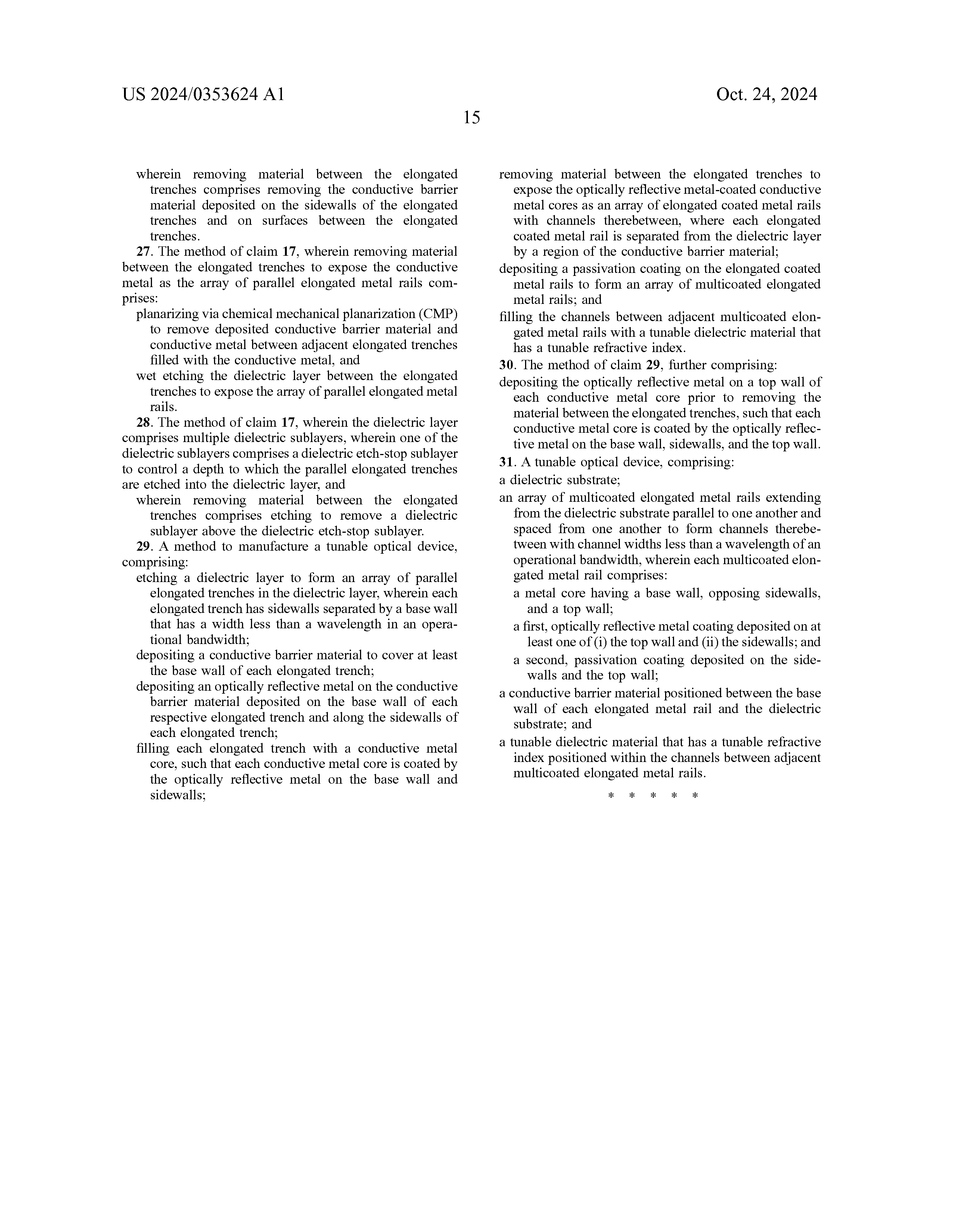
A device may include a dielectric substrate layer with an array of multicoated elongated metal rails extending from the dielectric substrate parallel to one another and spaced from one another to form channels therebetween. The dimensions of the multicoated elongated metal rails and the channels therebetween may be subwavelength with respect to an operational bandwidth. In some examples, each multicoated elongated metal rail is formed with a copper core coated with an optically reflective silver coating followed by a passivation coating. In various examples, a conductive barrier material separates each multicoated elongated metal rail from an underlying dielectric substrate layer. A tunable dielectric material that has a tunable refractive index, such as liquid crystal, is positioned within the channels between adjacent multicoated elongated metal rails.
projects
Self-driving Ultrafast Nanophotonics
Published:
Autonomous metasurfaces that sense and learn in real time to steer circularly-polarised femtosecond pulses, powered by GPU-accelerated AutoSciLab.
Structured Quantum Nanophotonics
Published:
Metasurface-integrated semiconductor quantum dots that deliver bright, deterministic and highly correlated photon streams on a chip.
Electrically Reconfigurable Meta-Optics
Published:
Voltage-tunable metasurfaces spanning VO₂ phase transitions, liquid-crystal modulators, and heterojunction resonators for agile beam steering, holography, and solid-state imaging.
Natural Ising Machines
Published:
Artificial spin-ice metasurfaces and photonic Ising solvers that harness native optical interactions to tackle large-scale combinatorial optimisation.
Lumotive Solid-State LiDAR
Published:
Row/column-addressable liquid-crystal metasurface phased arrays powering next-generation LiDAR modules for automotive and XR.
Thermally Reconfigurable Antennas & ENZ Media
Published:
Phase-transition and epsilon-near-zero (ENZ) platforms for dynamic wavelength-scale antennas and beam shapers across the IR spectrum.
publications
A brief review of Badger–Bauer rule and its validation from a first-principles approach
Published in Modern Physics Letters B 28 (29), 1430014, 2014
“Understanding the acid-base interactions is important in chemistry, biology and material science as it helps to rationalize materials properties such as interfacial properties, wetting, adhesion and adsorption. Quantitative relation between changes in enthalpy (ΔH) and frequency shift (Δν) during t…
Abstract:
Understanding the acid-base interactions is important in chemistry, biology and material science as it helps to rationalize materials properties such as interfacial properties, wetting, adhesion and adsorption. Quantitative relation between changes in enthalpy (ΔH) and frequency shift (Δν) during the acid-base complexation is particularly important. We investigate ΔH and Δν of twenty-five complexes of acids (methanol, ethanol, propanol, butanol and phenol) with bases (benzene, pyridine, DMSO, Et2O and THF) in CCl4 using intermolecular perturbation theory calculations. ΔH and Δν of complexes of all alcohols with bases except benzene fall in the range from -14 kJ mol-1 to -30 kJ mol-1 and 215 cm-1 to 523 cm-1, respectively. Smaller values of ΔH (-2 kJ mol-1 to -6 kJ mol-1) and Δν (23 cm-1 to 70 cm-1) are estimated for benzene. Linear correlations are found between theoretical and experimental values of ΔH as well as Δν. For all the studied complexes, ΔH varies linearly (R2 ≥ 0.97) with Δν concurrent with the Badger–Bauer rule yielding the average slope and intercept of 0.053(± 0.002) kJ mol-1 cm and 2.15(± 0.56) kJ mol-1, respectively.
Reconfigurable semiconductor phased-array metasurfaces
Published in ACS Photonics 2 (8), 1077-1084, 2015
“This work presents reconfigurable semiconductor phased-array metasurfaces, offering new approaches for dynamic beam steering and tunable photonic devices.”
Abstract:
This work presents reconfigurable semiconductor phased-array metasurfaces, offering new approaches for dynamic beam steering and tunable photonic devices.
Widely tunable infrared antennas using free carrier refraction
Published in Nano Letters 15 (12), 8188-8193, 2015
Abstract:
This paper demonstrates widely tunable infrared antennas using free carrier refraction, enabling dynamic control of infrared response for advanced photonic systems.
Beam engineering for selective and enhanced coupling to multipolar resonances
Published in Physical Review B, 2015
“Multipolar electromagnetic phenomena in subwavelength resonators are at the heart of metamaterial science and technology. In this work, we demonstrate selective and enhanced coupling to specific multipolar resonances via beam engineering. Using an analytical method derived from Mie theory that depe…
Abstract:
Multipolar electromagnetic phenomena in subwavelength resonators are at the heart of metamaterial science and technology. In this work, we demonstrate selective and enhanced coupling to specific multipolar resonances via beam engineering. Using an analytical method derived from Mie theory that depends only on local electromagnetic field quantities, we show that varying illumination properties can drastically manipulate the scattering properties of a spherical nanoparticle and enable excitation of a longitudinal quadrupole mode that cannot be accessed with conventional illumination. This approach enhances the understanding of fundamental light–matter interactions in metamaterials and lays the foundation for tailoring multipolar interactions through optical beam engineering.
Electrically Reconfigurable Metasurfaces Using Heterojunction Resonators
Published in Advanced Optical Materials, 2016
“We introduce a heterojunction p–n Mie-resonant architecture that enables electrically driven free-carrier modulation of near-infrared dielectric metasurfaces. Bias-induced carrier accumulation in InSb resonators produces large refractive-index shifts, allowing dynamic beam steering and paving a rou…
Abstract:
We introduce a heterojunction p–n Mie-resonant architecture that enables electrically driven free-carrier modulation of near-infrared dielectric metasurfaces. Bias-induced carrier accumulation in InSb resonators produces large refractive-index shifts, allowing dynamic beam steering and paving a route toward solid-state phased-array optics.
Ultrawide thermal free-carrier tuning of dielectric antennas coupled to epsilon-near-zero substrates
Published in Nature Communications, 2017
“We report tunable semiconductor Mie-resonant antennas integrated with an epsilon-near-zero back-reflector that amplify thermo-optic free-carrier effects. Temperature-induced carrier excitation in InSb enables >3 µm continuous resonance tuning in the mid-infrared, realizing an unprecedented 25 %-ban…
Abstract:
We report tunable semiconductor Mie-resonant antennas integrated with an epsilon-near-zero back-reflector that amplify thermo-optic free-carrier effects. Temperature-induced carrier excitation in InSb enables >3 µm continuous resonance tuning in the mid-infrared, realizing an unprecedented 25 %-bandwidth spectral agility for planar metadevices.
Device platform for electrically reconfigurable dielectric metasurfaces
Published in Arxiv, 2018
Abstract:
Achieving an electrically tunable phased array optical antenna surface has been a principal challenge in the field of metasurfaces. In this letter, we demonstrate a device platform for achieving reconfigurable control over the resonant wavelength of a subwavelength optical antenna through free-carrier injection. We engineer and grow, using molecular beam epitaxy, a heterostructure of In1-xAlxAs/InAs/AlyGa1-ySb layers designed to achieve large amplitude and phase modulation of light by maximizing the refractive index change in regions of resonant field enhancement The p-i-n layers are grown on a heavily doped n-InAs layer which forms a reflecting substrate to confine the Mie resonances within the nanowires of the index tunable layers. We outline the fabrication process developed to form such tunable metasurface elements using a four-step projection lithography process and a self-aligned vertical dry etch. We experimentally demonstrate the operation of an electrically reconfigurable optical antenna element where the resonant wavelength blue shifts by 200nm only during carrier-injection. We extrapolate the experimentally measured InAs refractive index shifts to show we can achieve nearly {\pi} phase shift in a metasurface array. This solid-state device platform enables us to contact each resonant element independently to form a truly reconfigurable Fourier optical element with the promise of arbitrary control of the electromagnetic wavefront at the subwavelength scale.
Uniform Thermo-Optic Tunability of Dielectric Metalenses
Published in Physical Review Applied, 2018
“The field of low-loss dielectric metasurfaces has created a new paradigm of miniaturization for free-space optical elements. We study the effects of uniformly changing the refractive index of high-index metalenses. We experimentally demonstrate a modal refractive-index change (Δ𝑛MD =0.15) in the f…
Abstract:
The field of low-loss dielectric metasurfaces has created a new paradigm of miniaturization for free-space optical elements. We study the effects of uniformly changing the refractive index of high-index metalenses. We experimentally demonstrate a modal refractive-index change (Δ𝑛MD =0.15) in the fundamental Mie resonances in an InSb resonator based on traditional thermo-optic effects. We develop a high aspect ratio metasurface design with simulated 75–90% transmission efficiency and 2π phase shift as a function of cylinder radius. A metalens is shown to have high (>60%) focusing efficiencies for large (up to 0.8) numerical aperture designs. The uniform thermal tuning of the metalens system is studied based on the variations in the spatial phase profile of the individual resonators. We demonstrate that both the operating wavelength (Δ𝜆𝑓 =500 nm) and the focal length (Δf = 45 µm) can be dynamically modified based on the chromatic dispersion of the engineered metalens. The results show that static metasurfaces made of high-index semiconductors can be thermally actuated to tune the operating focal wavelength and focal length.
Broadband Electrically Tunable Dielectric Resonators Using Metal-Insulator Transitions
Published in , 2018
Abstract:
Vanadium-dioxide (VO₂) undergoes an insulator-to-metal phase transition that dramatically changes its complex permittivity, providing an attractive mechanism for actively reconfiguring optical resonances. Here we embed sub-wavelength VO₂ inclusions inside high-index silicon nitride dielectric resonators and demonstrate electrically controlled, broadband modulation of their scattering response across the near-infrared. In the insulating phase the resonators support high-Q magnetic and electric Mie-type modes; driving VO₂ into the metallic state introduces a strong loss channel that suppresses these modes and red-shifts the extinction spectrum by more than 400 nm. Full-field simulations capture the observed evolution and reveal that the modulation bandwidth can be extended throughout the telecom window by tailoring the VO₂ volume fraction. Our results highlight a simple route toward compact, CMOS-compatible, chip-scale devices for dynamic beam steering, tunable filters, and hybrid photonic–plasmonic circuits.
Device Platform for Electrically Reconfigurable Dielectric Metasurfaces
Published in arXiv preprint arXiv:1903.10280, 2018
Abstract:
We present a molecular-beam-epitaxy-grown In1−xAlxAs/InAs/AlyGa1−ySb heterostructure platform that enables electrically induced free-carrier tuning of high-index Mie-resonant antennas. Forward-biased p-i-n resonators exhibit >200 nm blueshift of the fundamental resonance, paving the way to solid-state, electrically reconfigurable metasurface phased arrays.
Gate-tunable metafilm absorber based on indium silicon oxide
Published in Nanophotonics, 2019
Abstract:
Abstract In this work, reconfigurable metafilm absorbers based on indium silicon oxide (ISO) were investigated. The metafilm absorbers consist of nanoscale metallic resonator arrays on metal-insulator-metal (MIM) multilayer structures. The ISO was used as an active tunable layer embedded in the MIM cavities. The tunable metafilm absorbers with ISO were then fabricated and characterized. A maximum change in the reflectance of 57% and up to 620 nm shift in the resonance wavelength were measured.
III-V Heterojunction Platform for Electrically Reconfigurable Dielectric Metasurfaces
Published in ACS Photonics, 2019
“Achieving an electrically tunable phased array optical antenna surface has been a principal challenge in the field of metasurfaces. In this Letter, we demonstrate a device platform for achieving reconfigurable control over the resonant wavelength of a subwavelength optical antenna through free-carr…
Abstract:
Achieving an electrically tunable phased array optical antenna surface has been a principal challenge in the field of metasurfaces. In this Letter, we demonstrate a device platform for achieving reconfigurable control over the resonant wavelength of a subwavelength optical antenna through free-carrier injection. We engineer and grow, using molecular beam epitaxy, a heterostructure of In1–xAlxAs/InAs/AlyGa1–ySb layers designed to achieve large amplitude and phase modulation of light by maximizing the refractive index change in regions of resonant field enhancement The p-i-n layers are grown on a heavily doped n-InAs layer which forms a reflecting substrate to confine the Mie resonances within the nanowires of the index tunable layers. We outline the fabrication process developed to form such tunable metasurface elements using a four-step projection lithography process and a self-aligned vertical dry etch. We experimentally demonstrate the operation of an electrically reconfigurable optical antenna element where the resonant wavelength blue shifts by 200 nm only during carrier-injection. We extrapolate the experimentally measured InAs refractive index shifts to show we can achieve a nearly π-phase shift in a metasurface array. This solid-state device platform enables us to contact each resonant element independently to form a truly reconfigurable Fourier optical element with the promise of arbitrary control of the electromagnetic wavefront at the subwavelength scale..
Thermally reconfigurable meta-optics
Published in IEEE Photonics Journal 11 (2), 1-16, 2019
“Metasurfaces are two-dimensional nanostructures that allow unprecedented control of light through engineering the amplitude, phase, and polarization across meta-atom resonators. Adding tunability to metasurface components would boost their potential and unlock a vast array of new application possib…
Abstract:
Metasurfaces are two-dimensional nanostructures that allow unprecedented control of light through engineering the amplitude, phase, and polarization across meta-atom resonators. Adding tunability to metasurface components would boost their potential and unlock a vast array of new application possibilities such as dynamic beam steering, tunable metalenses, and reconfigurable meta-holograms, to name a few. We present here high-index meta-atoms, resonators, and metasurfaces reconfigured by thermal effects, across the near to mid-infrared spectral ranges. We study thermal tunability in group IV and group IV-VI semiconductors, as well as in phase-transition materials, and demonstrate large dynamic resonance frequency shifts accompanied by significant amplitude and phase modulation in metasurfaces and resonators. We highlight the importance of high-Q resonances along with peak performance of thermal and thermo-optic effects, for efficient and practical reconfigurable devices. This paper paves the way to efficient high-Q reconfigurable and active infrared metadevices.
Gate-tunable metafilm absorber based on indium silicon oxide
Published in Nanophotonics 8 (10), 1803-1810, 2019
Abstract:
This paper introduces a gate-tunable metafilm absorber based on indium silicon oxide, enabling active control of absorption properties for optoelectronic and photonic applications.
Widely Tunable Optical and Thermal Properties of Dirac Semimetal Cd3As2
Published in Advanced Optical Materials 8 (8), 1901192, 2020
“In this paper, a detailed analysis of the temperature-dependent optical properties of epitaxially grown cadmium arsenide (Cd3As2), a newly discovered 3D Dirac semimetal is reported. Fermi level tuning—instigated from Pauli-blocking in the linear Dirac cone—and varying Drude response, generate large…
Abstract:
In this paper, a detailed analysis of the temperature-dependent optical properties of epitaxially grown cadmium arsenide (Cd3As2), a newly discovered 3D Dirac semimetal is reported. Fermi level tuning—instigated from Pauli-blocking in the linear Dirac cone—and varying Drude response, generate large variations in the mid- and far-infrared optical properties. Thermo-optic shifts larger than those of traditional III–V semiconductors are demonstrated. Electron scattering rate, plasma frequency edge, Fermi level shift, optical conductivity, and electron effective mass analysis of Cd3As2 thin-films are quantified and discussed in detail. The ab initio density functional study and experimental analysis of epitaxially grown Cd3As2 promise applications for nanophotonic and nanoelectronic devices, such as reconfigurable metamaterials and metasurfaces, nanoscale thermal emitters, and on-chip directional antennas.
Unidirectional luminescence from InGaN/GaN quantum-well metasurfaces
Published in Nature Photonics 14 (9), 543-548, 2020
“III–nitride light-emitting diodes (LEDs) are the backbone of ubiquitous lighting and display applications. Imparting directional emission is an essential requirement for many LED implementations. Although optical packaging1, nanopatterning2,3 and surface roughening4 techniques can enhance LED extra…
Abstract:
III–nitride light-emitting diodes (LEDs) are the backbone of ubiquitous lighting and display applications. Imparting directional emission is an essential requirement for many LED implementations. Although optical packaging1, nanopatterning2,3 and surface roughening4 techniques can enhance LED extraction, directing the emitted light requires bulky optical components. Optical metasurfaces provide precise control over transmitted and reflected waveforms, suggesting a new route for directing light emission. However, it is difficult to adapt metasurface concepts for incoherent light emission, due to the lack of a phase-locking incident wave. Here, we demonstrate a metasurface-based design of InGaN/GaN quantum-well structures that generate narrow, unidirectional transmission and emission lobes at arbitrary engineered angles. We further demonstrate 7-fold and 100-fold enhancements of total and air-coupled external quantum efficiencies, respectively. The results present a new strategy for exploiting metasurface functionality in light-emitting devices.
Light-emitting metalenses and meta-axicons for focusing and beaming of spontaneous emission
Published in Nature Communications 12 (1), 3591, 2021
“Phased-array metasurfaces have been extensively used for wavefront shaping of coherent incident light. Due to the incoherent nature of spontaneous emission, the ability to similarly tailor photoluminescence remains largely unexplored. Recently, unidirectional photoluminescence from InGaN/GaN quantu…
Abstract:
Phased-array metasurfaces have been extensively used for wavefront shaping of coherent incident light. Due to the incoherent nature of spontaneous emission, the ability to similarly tailor photoluminescence remains largely unexplored. Recently, unidirectional photoluminescence from InGaN/GaN quantum-well metasurfaces incorporating one-dimensional phase profiles has been shown. However, the possibility of generating arbitrary two-dimensional waveforms—such as focused beams—is not yet realized. Here, we demonstrate two-dimensional metasurface axicons and lenses that emit collimated and focused beams, respectively. First, we develop off-axis meta-axicon/metalens equations designed to redirect surface-guided waves that dominate the natural emission pattern of quantum wells. Next, we show that photoluminescence properties are well predicted by passive transmission results using suitably engineered incident light sources. Finally, we compare collimating and focusing performances across a variety of different light-emitting metasurface axicons and lenses. These generated two-dimensional phased-array photoluminescence waveforms facilitate future development of light sources with arbitrary functionalities.
Cascaded optical nonlinearities in dielectric metasurfaces
Published in ACS Photonics 9 (3), 1026-1032, 2022
“Since the discovery of the laser, optical nonlinearities have been at the core of efficient light conversion sources. Typically,
Abstract:
Since the discovery of the laser, optical nonlinearities have been at the core of efficient light conversion sources. Typically, thick transparent crystals or quasi-phase matched waveguides, are utilized in conjunction with phase-matching techniques to select a single parametric process. In recent years, due to the rapid developments in artificially structured materials, optical frequency mixing has been achieved at the nanoscale in subwavelength resonators arrayed as metasurfaces. Phase matching becomes relaxed for these wavelength-scale structures, and all allowed nonlinear processes can, in principle, occur on an equal footing. This could promote harmonic generation via a cascaded (consisting of several frequency mixing steps) process. However, so far, all reported work on dielectric metasurfaces have assumed frequency mixing from a direct (single step) nonlinear process. In this work, we prove the existence of cascaded second-order optical nonlinearities by analyzing the second and third wave mixing from a highly nonlinear metasurface in conjunction with polarization selection rules and crystal symmetries. We find that the third wave mixing signal from a cascaded process can be of comparable strength to that from conventional third harmonic generation, and that surface nonlinearities are the dominant mechanism that contributes to cascaded second order nonlinearities in our metasurface.
Terahertz pulse generation with binary phase control in nonlinear InAs metasurface
Published in Nano Letters 22 (22), 9077-9083, 2022
“The effect of terahertz (THz) pulse generation has revolutionized broadband coherent spectroscopy and imaging at THz frequencies. However, THz pulses typically lack spatial structure, whereas structured beams are becoming essential for advanced spectroscopy applications. Nonlinear optical metasurfa…
Abstract:
The effect of terahertz (THz) pulse generation has revolutionized broadband coherent spectroscopy and imaging at THz frequencies. However, THz pulses typically lack spatial structure, whereas structured beams are becoming essential for advanced spectroscopy applications. Nonlinear optical metasurfaces with nanoscale THz emitters can provide a solution by defining the beam structure at the generation stage. We develop a nonlinear InAs metasurface consisting of nanoscale optical resonators for simultaneous generation and structuring of THz beams. We find that THz pulse generation in the resonators is governed by optical rectification. It is more efficient than in ZnTe crystals, and it allows us to control the pulse polarity and amplitude, offering a platform for realizing binary-phase THz metasurfaces. To illustrate this capability, we demonstrate an InAs metalens, which simultaneously generates and focuses THz pulses. The control of spatiotemporal structure using nanoscale emitters opens doors for THz beam engineering and advanced spectroscopy and imaging applications.
Sub-picosecond steering of ultrafast incoherent emission from semiconductor metasurfaces
Published in Nature Photonics 17 (7), 588-593, 2023
“The ability to dynamically steer sub-picosecond pulses from a monolithically integrated source is a critical milestone for the fields of nanophotonics and ultrafast optics. Reconfigurable dielectric metasurfaces have demonstrated the potential to exert dynamic control over the properties of light a…
Abstract:
The ability to dynamically steer sub-picosecond pulses from a monolithically integrated source is a critical milestone for the fields of nanophotonics and ultrafast optics. Reconfigurable dielectric metasurfaces have demonstrated the potential to exert dynamic control over the properties of light at sub-wavelength scales using spatial phase engineering. However, active manipulation of incoherent light sources remains a challenge, as current phase-sensitive metasurfaces developed for coherent sources cannot be directly applied. Here we theoretically predict and experimentally demonstrate sub-picosecond steering of ultrafast incoherent emission from a light-emitting metasurface over a 70° range. We utilize a monolithic III–V (GaAs) metasurface with embedded (InAs quantum dot) light sources positioned on a reflective Bragg (AlAs/Al0.3Ga0.7As) mirror to achieve a large optically induced phase change near the emission wavelength (1.25 μm). We use a spatial light modulator to structure a strong optical pump (800 nm) and project it onto the resonant metasurface to create reconfigurable spatial momentum profiles that dynamically steer the ultrafast (140 fs) quantum dot emission. Such dynamic spatiotemporal control of incoherent sources can enable new technologies for high-speed communications, holography and remote sensing.
AI for Technoscientific Discovery: A Human-Inspired Architecture
Published in Journal of Creativity, 2024
“We present a high-level architecture for how artificial intelligences might advance and accumulate scientific and technological knowledge, inspired by emerging perspectives on how human intelligences advance and accumulate such knowledge. Agents advance knowledge by exercising a technoscientific me…
Abstract:
We present a high-level architecture for how artificial intelligences might advance and accumulate scientific and technological knowledge, inspired by emerging perspectives on how human intelligences advance and accumulate such knowledge. Agents advance knowledge by exercising a technoscientific method—an interacting combination of scientific and engineering methods. The technoscientific method maximizes a quantity we call “useful learning” via more-creative implausible utility (including the “aha!” moments of discovery), as well as via less-creative plausible utility. Society accumulates the knowledge advanced by agents so that other agents can incorporate and build on to make further advances. The proposed architecture is challenging but potentially complete: its execution might in principle enable artificial intelligences to advance and accumulate an equivalent of the full range of human scientific and technological knowledge.
Control of quantized spontaneous emission from single GaAs quantum dots embedded in Huygens’ metasurfaces
Published in Nano Letters, 2024
“Advancements in photonic quantum information systems (QIS) have driven the development of high-brightness, on-demand, and indistinguishable semiconductor epitaxial quantum dots (QDs) as single photon sources. Strain-free, monodisperse, and spatially sparse local-droplet-etched (LDE) QDs have recent…
Abstract:
Advancements in photonic quantum information systems (QIS) have driven the development of high-brightness, on-demand, and indistinguishable semiconductor epitaxial quantum dots (QDs) as single photon sources. Strain-free, monodisperse, and spatially sparse local-droplet-etched (LDE) QDs have recently been demonstrated as a superior alternative to traditional Stranski–Krastanov QDs. However, integration of LDE QDs into nanophotonic architectures with the ability to scale to many interacting QDs is yet to be demonstrated. We present a potential solution by embedding isolated LDE GaAs QDs within an Al0.4Ga0.6As Huygens’ metasurface with spectrally overlapping fundamental electric and magnetic dipolar resonances. We demonstrate for the first time a position- and size-independent, 1 order of magnitude increase in the collection efficiency and emission lifetime control for single-photon emission from LDE QDs embedded within the Huygens’ metasurfaces. Our results represent a significant step toward leveraging the advantages of LDE QDs within nanophotonic architectures to meet the scalability demands of photonic QIS.
Mie metasurfaces for enhancing photon outcoupling from single embedded quantum emitters
Published in Nanophotonics 14 (11), 1917-1925, 2025
Abstract:
Abstract Solid-state quantum emitters (QE) can produce single photons required for quantum information processing. However, their emission properties often exhibit poor directivity and polarisation definition resulting in considerable loss of generated photons. Here we propose and numerically evaluate Mie metasurface designs for outcoupling photons from an embedded and randomly-positioned QE. These Mie metasurface designs can provide over one order of magnitude enhancement in photon outcoupling with only several percent of photons being lost. Importantly, the Mie metasurfaces provide the enhancement in photon outcoupling without the need for strict QE position alignment and without affecting the intrinsic QE emission rate (Purcell enhancement). Electric dipole modes are key for achieving the enhancement and they offer a path for selective outcoupling for photons emitted with specific polarisation, including the out-of-plane polarisation. Mie metasurfaces can provide an efficient, polarisation-selective and scalable platform for QEs.
AutoSciLab: A Self-Driving Laboratory For Interpretable Scientific Discovery
Published in Proceedings of the AAAI Conference on Artificial Intelligence 39 (1), 146-154, 2025
‘Advances in robotic control and sensing have propelled the rise of automated
Abstract:
Advances in robotic control and sensing have propelled the rise of automated scientific laboratories capable of high-throughput experiments. However, automated scientific laboratories are currently limited by human intuition in their ability to efficiently design and interpret experiments in high-dimensional spaces, throttling scientific discovery. We present AutoSciLab, a machine learning framework for driving autonomous scientific experiments, forming a surrogate researcher purposed for scientific discovery in high-dimensional spaces. AutoSciLab autonomously follows the scientific method in four steps: (i) generating high-dimensional experiments (x \in R^D) using a variational autoencoder (ii) selecting optimal experiments by forming hypotheses using active learning (iii) distilling the experimental results to discover relevant low-dimensional latent variables (z \in R^d, with d«D) with a ‘directional autoencoder’ and (iv) learning a human interpretable equation connecting the discovered latent variables with a quantity of interest (y = f(z)), using a neural network equation learner. We validate the generalizability of AutoSciLab by rediscovering a) the principles of projectile motion and b) the phase transitions within the spin-states of the Ising model (NP-hard problem). Applying our framework to an open-ended nanophotonics challenge, AutoSciLab uncovers a fundamentally novel method for directing incoherent light emission that surpasses the current state-of-the-art (Iyer et al. 2023b, 2020).
Orchestrating Spontaneous Emission With Metasurfaces- Recent Advances in Engineering Thermal, Luminescent, and Quantum Emissions
Published in Advanced Optical Materials (Invited), 2025
“Metasurfaces have emerged as powerful tools for controlling spontaneous emission, offering unprecedented control over light–matter interactions at sub-wavelength scales. While metasurfaces are traditionally utilized for shaping coherent electromagnetic waves, they have recently extended their capab…
Abstract:
Metasurfaces have emerged as powerful tools for controlling spontaneous emission, offering unprecedented control over light–matter interactions at sub-wavelength scales. While metasurfaces are traditionally utilized for shaping coherent electromagnetic waves, they have recently extended their capabilities to control incoherent or spontaneous emission. This review examines how metasurfaces can enhance and precisely control properties of thermal, luminescent, and quantum emission. In thermal emission, metasurfaces enable control over spatial, temporal, and spin coherence, offering new possibilities for applications such as energy harvesting, radiative cooling, and heat-assisted ranging and detection. For luminescent emission, metasurfaces significantly improve emission rates, quantum efficiency, and directionality, driving innovations in lighting and display technologies. For controlling quantized emission, metasurfaces provide routes to tailor single-photon sources and entangled-photon generation for quantum information technologies. These advances underscore the transformative potential of metasurfaces in orchestrating spontaneous emission across diverse regimes.
Efficient single-photon emission via quantum-confined charge funneling to quantum dots
Published in Communications Materials, 2025
Abstract:
Quantum light sources, particularly single-photon emitters (SPEs), are critical for quantum communications and computing. Among them, III-V semiconductor quantum dots (QDs) have demonstrated superior SPE metrics, including near-unity brightness, high photon purity, and indistinguishability, making them especially suitable for quantum applications. However, their overall quantum e ciency—determined by a product of the internal, excitation, and out-coupling e ciencies—remains limited, primarily due to low (typically below 0.1%) excitation e ciency. This has hindered their applications in quantum information systems, including for multi-photon cluster state generation and Boson sampling. To mitigate the low excitation e ciency, here we realized liquid droplet etched GaAs QDs in a microscale 3D AlGaAs charge-carrier funnel using molecular beam epitaxy. The funnel channels charge carriers to the QD and enhances the overall emission e ciency by over one order of magnitude while preserving the SPE behavior. We reveal that a modi ed energy landscape around the QD leads to the excitation e ciency improvement. These energy landscape-modi ed QDs can be operated with optical excitation up to 10 µm away from the QD, raising the promise of e cient and scalable electrically driven epitaxial QD SPE for quantum information systems.
Is Computing with Light All You Need? A Perspective on Codesign for Optical Artificial Intelligence and Scientific Computing
Published in Advanced Intelligent Systems, 2025
Abstract:
Anything and everything can be solved with light—but under what contexts should one use optical computing and how should optical systems be designed for these tasks? In the shadow of reaching physical limits to traditional computer scaling and the large demands from artificial intelligence, research efforts have focused upon a range of optical computing pursuits as of late. This has included advances across a range of approaches, including free-space and on-chip implementations. Amid this excitement, key considerations beyond how to generally harness optical principles to enable computation, are what computations to advantageously pursue and how to design optical systems for these tasks. In particular, this perspective considers free-space optical computing informed by recent research findings to consider select topics, including scene classification, integral differential equations, and many-body simulations. In these contexts, this perspective considers what computations optical computing can and should enable and argues that a codesign approach whereby materials, devices, architectures, and algorithms are simultaneously optimized is needed considered for best performance.
Deep Generative Learning of Magnetic Frustration in Artificial Spin Ice from Magnetic Force Microscopy Images
Published in arxiv, 2025
Abstract:
Increasingly large datasets of microscopic images with atomic resolution facilitate the development of machine learning methods to identify and analyze subtle physical phenomena embedded within the images. In this work, microscopic images of honeycomb lattice spin-ice samples serve as datasets from which we automate the calculation of net magnetic moments and directional orientations of spin-ice configurations. In the first stage of our workflow, machine learning models are trained to accurately predict magnetic moments and directions within spin-ice structures. Variational Autoencoders (VAEs), an emergent unsupervised deep learning technique, are employed to generate high-quality synthetic magnetic force microscopy (MFM) images and extract latent feature representations, thereby reducing experimental and segmentation errors. The second stage of proposed methodology enables precise identification and prediction of frustrated vertices and nanomagnetic segments, effectively correlating structural and functional aspects of microscopic images. This facilitates the design of optimized spin-ice configurations with controlled frustration patterns, enabling potential on-demand synthesis.
High-Q, Size-Independent, and Reconfigurable Optical Antennas Embedded in Zero-Index Cavities
Published in ACS Nano, 2025
Abstract:
Enhancing light–matter interactions at the nanoscale is foundational to nanophotonics, with epsilon-near-zero (ENZ) materials demonstrating significant potential. High-quality factor (Q) resonances that maximize these interactions are typically realized in photonic crystals requiring sub-50 nm precision nanofabrication over large areas, limiting scalability and increasing complexity. Mie resonances offer an alternative but are constrained by low Q-factors due to the scarcity of high-refractive index materials, necessitating large refractive index changes for effective resonance switching and limiting dynamic reconfigurability. We overcome these limitations by embedding Mie resonators within ENZ media, thereby enhancing Q-factors, mitigating geometric dispersion and fabrication challenges, and maximizing optical reconfigurability. We introduce three resonator-ENZ configurations: voids in AlN, Ge in SiO2, and intrinsic InSb in doped InSb─spanning from low-loss phononic to lossy plasmonic ENZ modes. Using novel epitaxial regrowth techniques, we achieve significant Q-factor improvements over nonembedded resonators. An air-based Mie resonator embedded in AlN supports resonant Q-factors exceeding 100, with negligible geometric dispersion across sizes from 800 to 2800 nm. Additionally, we demonstrate dynamic reconfigurability of intrinsic InSb resonators by thermally tuning the ENZ wavelength over a 2 μm range in the mid-infrared (11–16 μm) wavelength regime. These results showcase the potential of Mie resonators embedded in ENZ media for high-fidelity sensors, thermal emitters, and reconfigurable metasurfaces, bridging theoretical predictions with practical applications and advancing the development of dynamic, high-Q optical devices.
Advancing microelectronics through nanoscale science: A perspective on needs and opportunities from the nanoscale science research centers
Published in Applied Physics Reviews 12 (4), 2025
Abstract:
Microelectronics are the cornerstone of the modern world, enhancing our daily lives by providing services such as communications and datacenters. These resources are accessible thanks to the continual pursuit of a deeper understanding of the chemical and physical phenomena underlying the materials synthesis approaches and fabrication processes used to create microelectronic components and subsequently the components’ responses to electrical, optical, and other stimuli that are utilized within microelectronic systems. Today, further development of microelectronics requires multidisciplinary expertise across scientific disciplines and fields of study–synthesis, materials characterization, nanoscale fabrication, and performance characterization–with focus placed on comprehending the nanoscale forms and features of microelectronic components.
Self-driving lab discovers principles for steering spontaneous emission
Published in Nature Communications, 2025







Abstract:
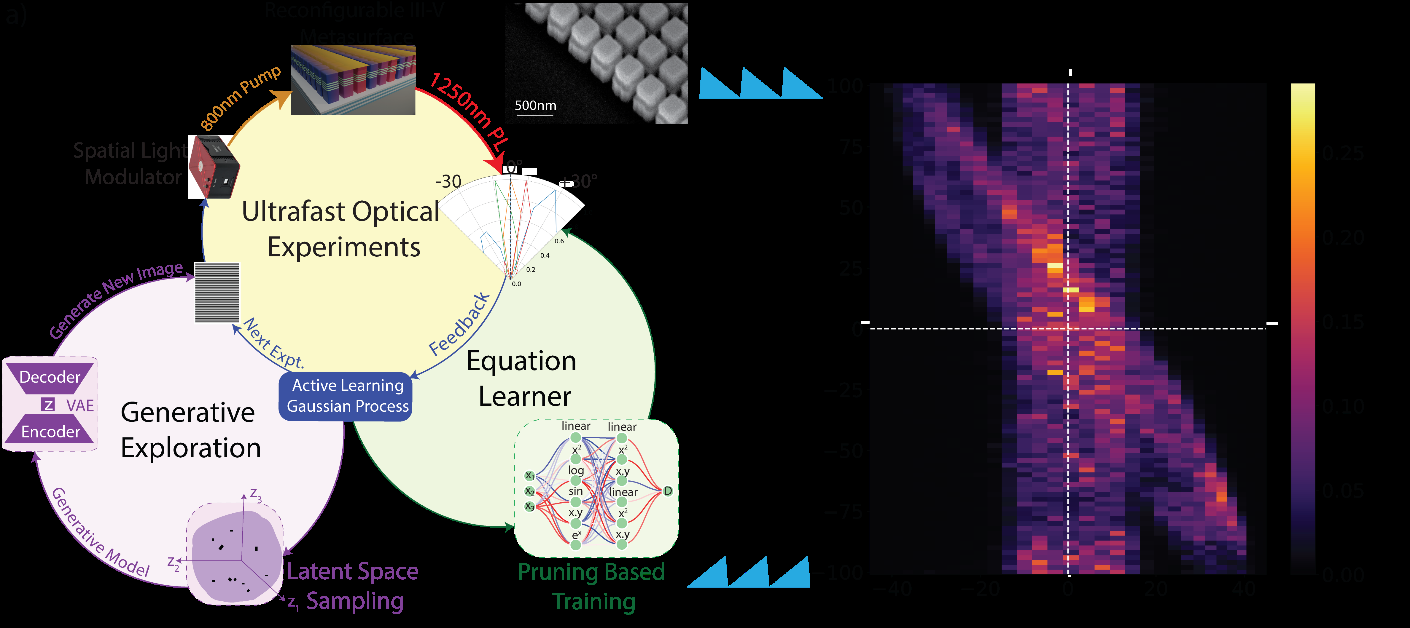
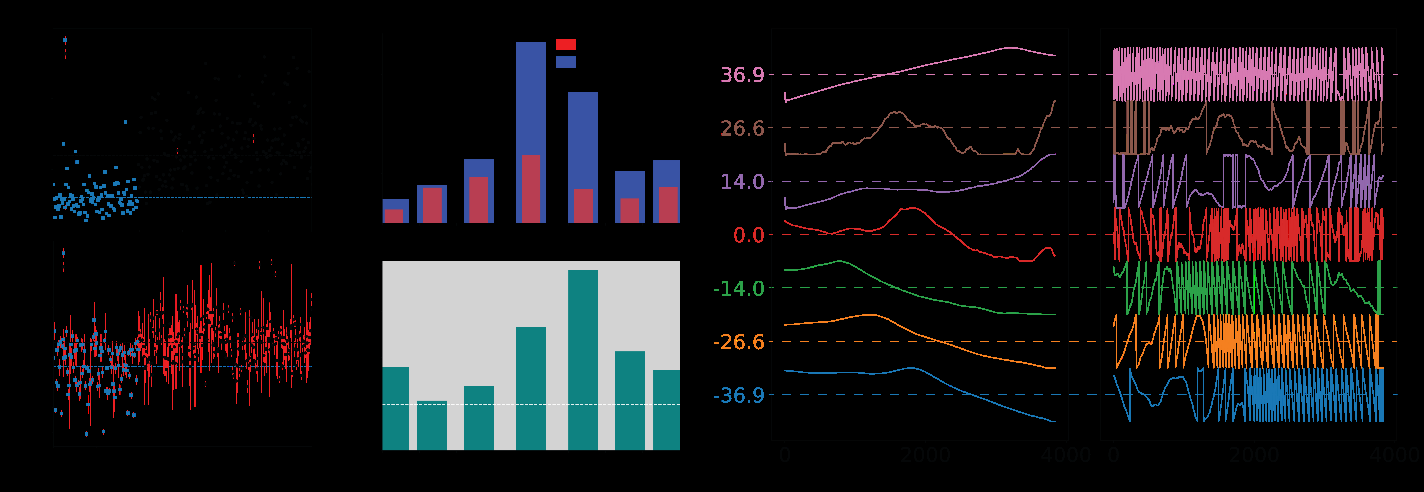
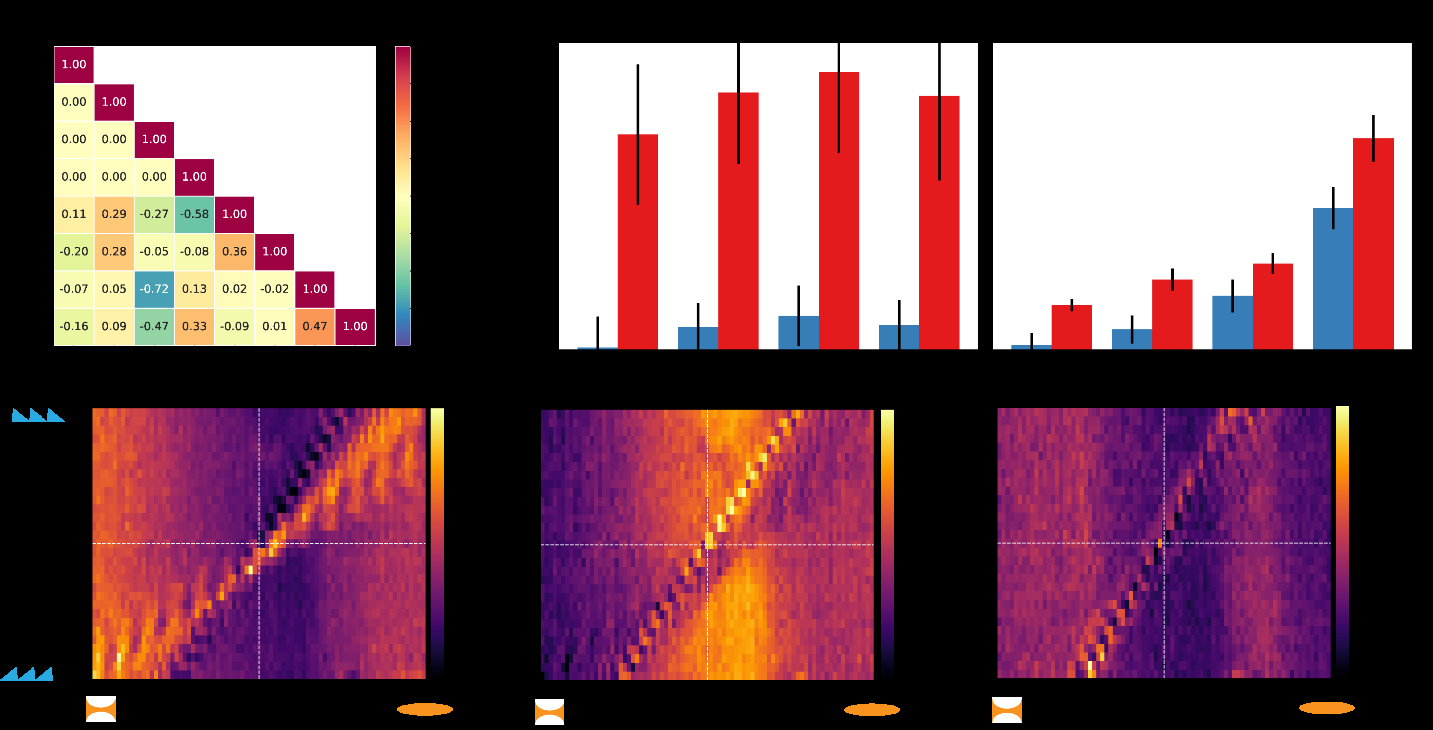
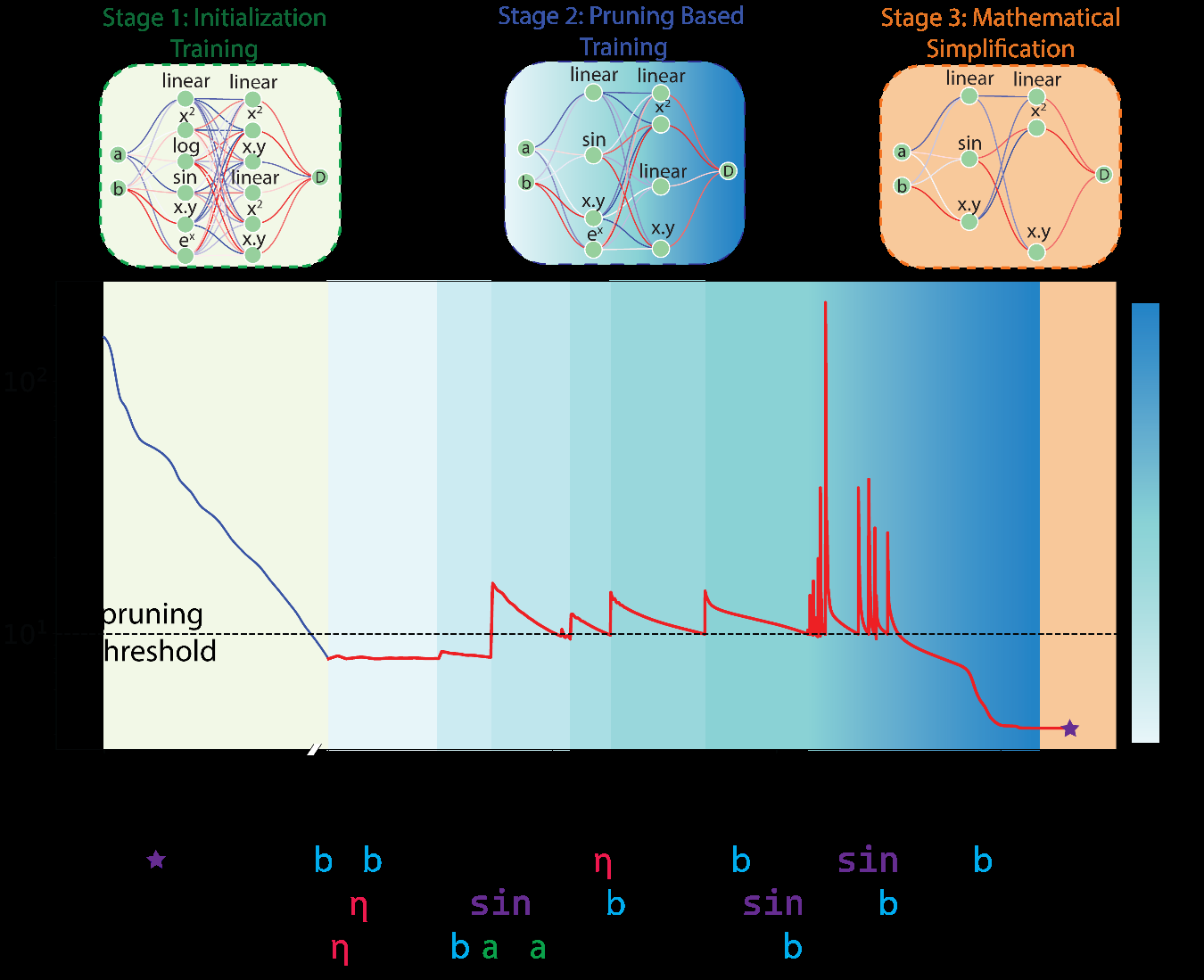
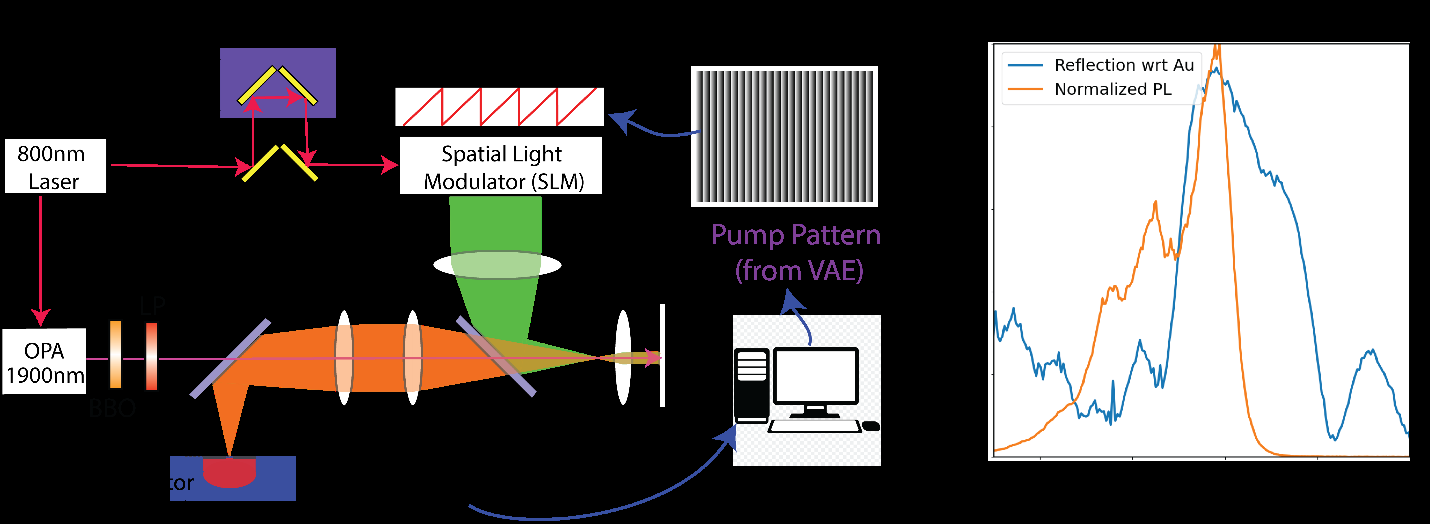
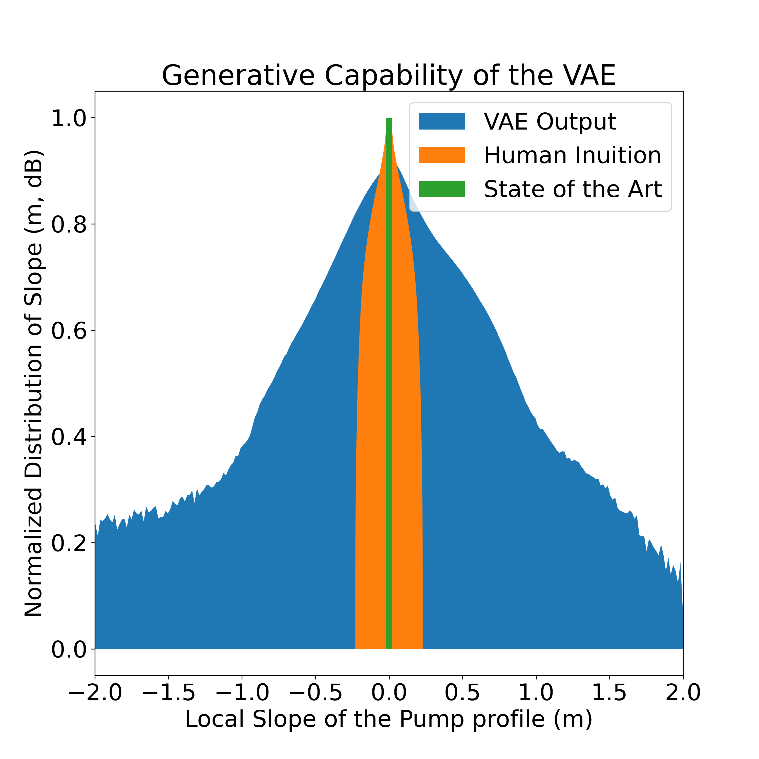
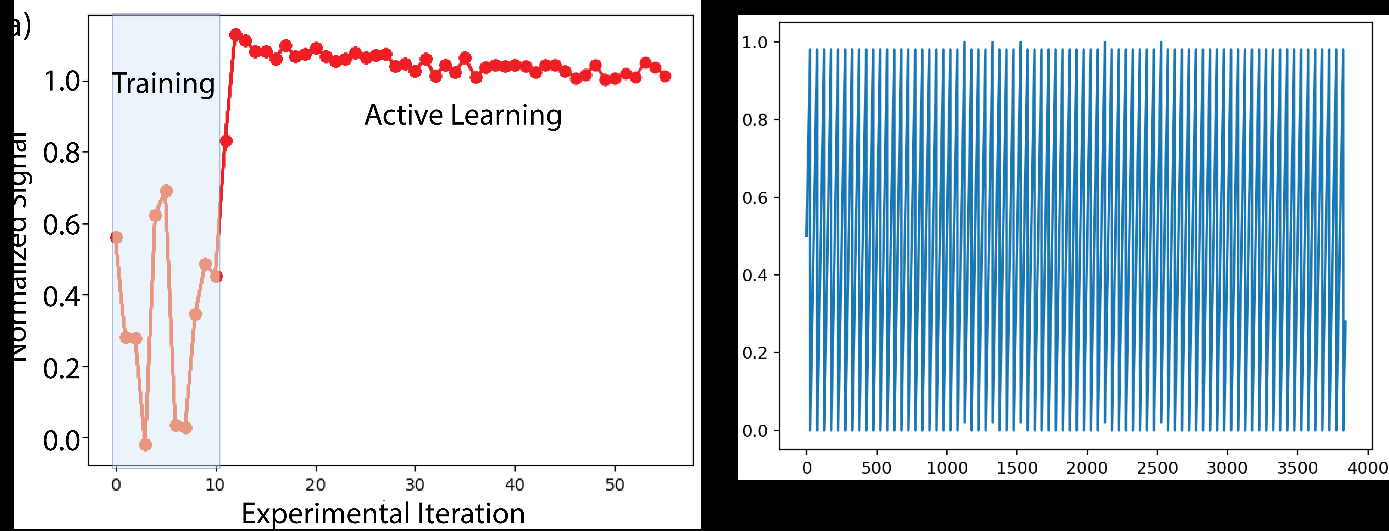
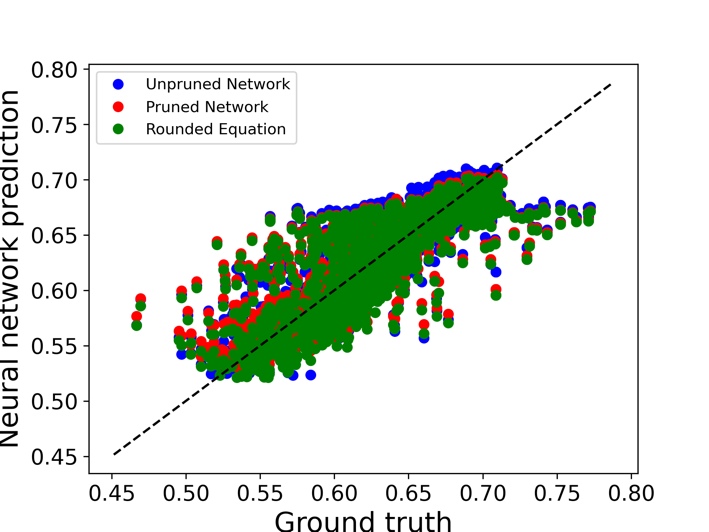
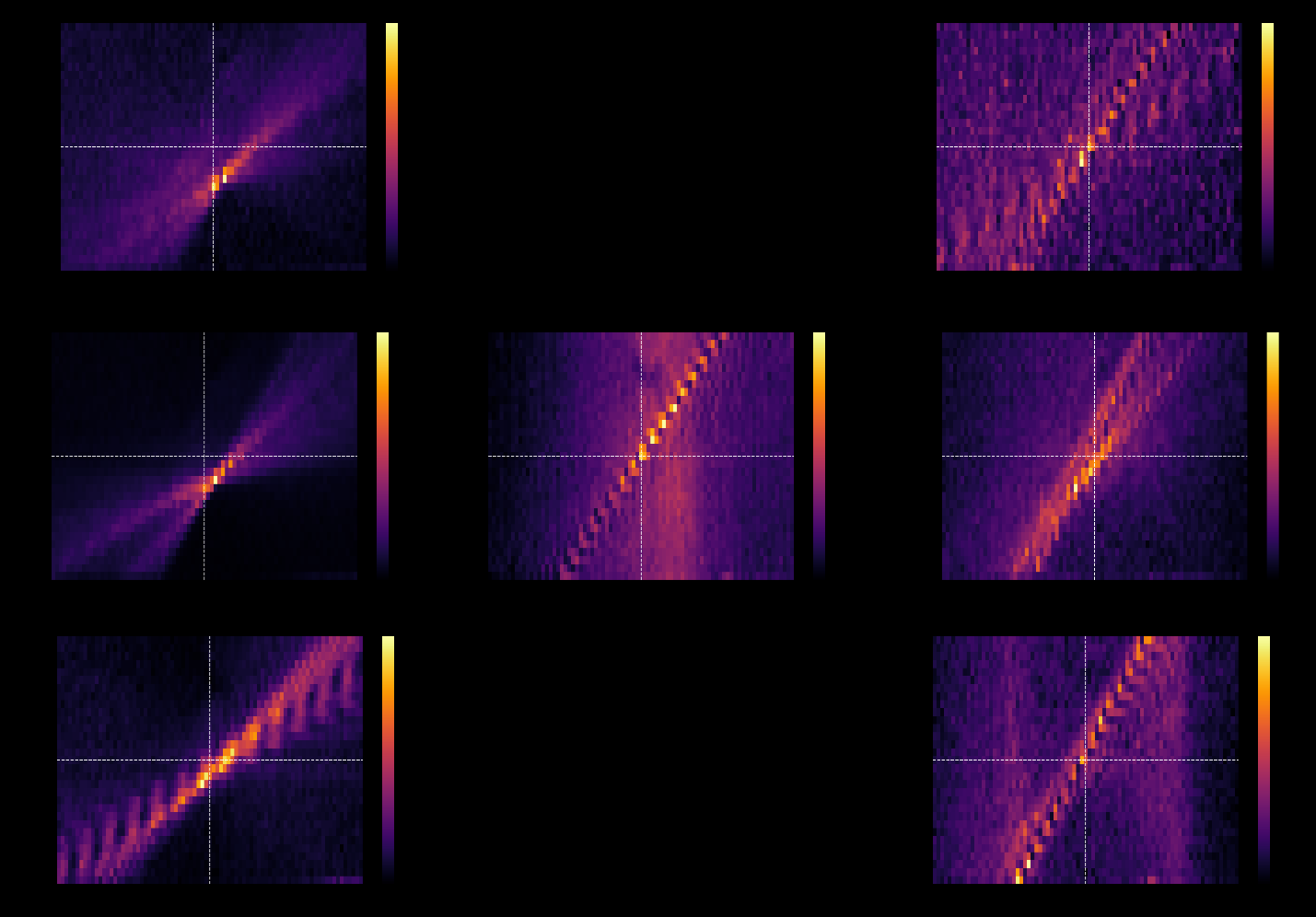
We developed an autonomous experimentation platform to accelerate interpretablescientific discovery in ultrafast nanophotonics, targeting a novel method to steer spontaneous emission from reconfigurable semiconductor metasurfaces. Controlling spontaneous emission is crucial for clean-energy solutions in illumination, thermal radiation engineering, and remote sensing. Despite the potential of reconfigurable semiconductor metasurfaces with embedded sources for spatiotemporal control, achieving arbitrary far-field control remains challenging. Here, we present a self-driving lab (SDL) platform that addresses this challenge by discovering the governing equations for predicting the far-field emission profile from light-emitting metasurfaces. We discover that both the spatial gradient (grating-like) and the curvature (lens-like) of the local refractive index are key factors in steering spontaneous emission. The SDL employs a machine-learning framework comprising: (1) a variational autoencoder for generating complex spatial refractive index profiles, (2) an active learning agent for guiding experiments with real-time closed-loop feedback, and (3) a neural network-based equation learner to uncover structure-property relationships. The SDL demonstrated a four-fold enhancement in peak emission directivity (up to 77%) over a 72° field of view within ~300 experiments. Our findings reveal that combinations of positive gratings and lenses are as effective as negative lenses and gratings for all emission angles, offering a novel strategy for controlling spontaneous emission beyond conventional Fourier optics.
Learning interpretable surface elasticity properties from bulk properties via neural network equation learners
Published in International Journal of Mechanical Sciences, 111218, 2026
Abstract:
This work introduces a neural network-based equation learner designed to discover closed-form expressions for surface elasticity properties, combining customized activation functions and connection-based pruning to discover parsimonious, closed-form equations. When applied to seven face-centered cubic metals, the approach reveals interpretable relationships describing both low and high Miller index surfaces. The researchers found that surface elasticity properties decompose into a universal, geometry-driven orientation function, and material-specific baseline coefficients. A key finding is the differential behavior across property hierarchies: lower-order properties like surface tension demonstrate primarily geometric dependence, while higher-order properties such as surface stress exhibit more intricate geometry-material interactions. The work demonstrates how neurosymbolic machine learning can effectively bridge atomistic simulations with physical laws, enabling discovery of generalizable structure-property relationships in materials science.
Voltage-Tunable Nonlocal Metasurface for Enhanced Outcoupling of Emission from Quantum Dots
Published in Nano Letters, 2026
Abstract:
Cooperative emission of indistinguishable photons from multiple distant sources can enable quantum information processing, and low-density semiconductor quantum dots (QDs) embedded in metasurfaces hold promise to scale up this functionality. However, the inhomogeneity in size within QD ensembles and limited interresonator coupling in local metasurfaces make this effect highly unlikely. Here, we demonstrate a nonlocal metasurface platform with embedded GaAs QDs coupled to extended photonic modes with emission wavelength tunability and enhanced free-space emission outcoupling. Natural variation in the QD dipole moment allows us to tune two QDs into spectral alignment and resonance with selected modes. As a result, two distant QDs can produce same-wavelength photons with strongly improved outcoupling efficiency to free space.
Pulse-driven photonic transitions and nonreciprocity in space-time modulated metasurfaces
Published in ACS Photonics, 2026
Abstract:
Time-varying photonic systems open new possibilities for controlling light, enabling photonic time crystals, time reflection and refraction, frequency conversion, synthetic gauge fields, optical nonreciprocity, among others. These effects emerge from the dynamic modulation of optical properties, which can mediate photonic transitions between eigenstates of different frequencies and/or wavevectors. To achieve such transitions, conventional approaches rely on periodic modulation schemes that demand ultrafast modulation rates and continuous energy input, posing significant practical challenges at optical frequencies. Here, we demonstrate that periodic-modulation-driven photonic transitions within the radiation continuum can be effectively mimicked using a single-period ultrafast pulse modulation, eliminating the need for sustained continuous modulation. By leveraging dispersion engineering in metasurfaces to tailor the density of states in the radiation continuum, we achieve controlled frequency transitions and theoretically demonstrate strong nonreciprocity for free-space waves as a key application. Our findings may guide future experimental research on time-varying photonics using materials such as transparent conductive oxides and semiconductors, expanding the possibilities for ultrafast and reconfigurable optical technologies. More broadly, our work may establish a practical and energy-efficient framework for dynamic photonic systems, with potential applications ranging from spatio-temporal wavefront manipulation to photonic computing and ultrafast signal processing.
Boltzmann Reinforcement Learning for Noise resilience in Analog Ising Machines
Published in arXiv preprint arXiv:2602.09162, 2026
Abstract:
Analog Ising machines (AIMs) have emerged as a promising paradigm for combinatorial optimization, utilizing physical dynamics to solve Ising problems with high energy efficiency. However, the performance of traditional optimization and sampling algorithms on these platforms is often limited by inherent measurement noise. We introduce BRAIN (Boltzmann Reinforcement for Analog Ising Networks), a distribution learning framework that utilizes variational reinforcement learning to approximate the Boltzmann distribution. By shifting from state-by-state sampling to aggregating information across multiple noisy measurements, BRAIN is resilient to Gaussian noise characteristic of AIMs. Under realistic 3% Gaussian measurement noise, BRAIN maintains 98% ground state fidelity, whereas Markov Chain Monte Carlo (MCMC) methods degrade to 51% fidelity. Our approach demonstrates how machine learning can enhance the robustness of analog optimization platforms, opening new possibilities for noise-resilient quantum-inspired computing.
talks
Dynamically reconfigurable metasurfaces (Presentation Recording)
Published:
Properties of infrared doped semiconductor Mie resonators (Presentation Recording)
Published:
Widely tunable infrared semiconductor Mie resonators(Conference Presentation)
Published:
Reconfigurable Mie resonators embedded in a tunable ENZ cavity (Conference Presentation)
Published:
Electrically Switchable Infrared Nanophotonic Devices with VO<inf>2</inf>
Published:
Reconfigurable semiconductor Mie-resonant meta-optics
Published:
Use Google Scholar for full citation
Abstract:
Metasurfaces allow unprecedented control of light through engineering the amplitude, phase and polarization across arrays of meta-atom resonators. Adding dynamic tunability to metasurface components would boost their potential and unlock a vast array of new application possibilities such as dynamic beam steering, LIDAR, tunable metalenses and reconfigurable meta-holograms, to name a few. We present here high-index reconfigurable metaatoms, resonators and metasurfaces that can dynamically and continuously tune their frequency, amplitude and phase, across the near to mid-infrared spectral ranges. We highlight the importance of narrow linewidth resonances along with peak performance of tunable mechanisms for efficient and practical reconfigurable devices.
Tunable Metasurface based on Silicon Doped Indium Oxide
Published:
A tunable metasurface based on silicon doped indium oxide has been investigated.
Abstract:
A tunable metasurface based on silicon doped indium oxide has been investigated. The amplitude of reflected light was actively tuned with a gate bias demonstrating 57% reflectance change and 366 nm of resonance wavelength shift.
Topological Dirac semi-metals: a dynamic platform for tunable optical metasurfaces (Conference Presentation)
Published:
Abstract:
Despite the significant advances made in the field of metamaterials and metasurfaces in recent years, many applications of such devices are hampered by the lack of active refractive index tuning. Here, we report on a new class of tunable quantum materials based on 3D topological Dirac semimetals with extremely high electrical and thermal refractive index tuning. Realized optical reflectivity data, performed on thin films of Cd3As2 over a broad range of frequencies demonstrate larger than traditional thermo-optic shifts in III-V semiconductors. Dynamic Fermi level tuning, instigated from the Pauli blocking in the linear Dirac cone, offers large and tunable absorption peak in the mid-infrared region. In contrast to recent efforts in 3D Dirac semimetals which are mostly focused on single crystal Cd3As2, our data based on MBE-grown Cd3As2 can galvanize newfound applications in the field of meta-optics and can enable several applications such as ultra-thin programmable optical devices, photodetectors, and on-chip directional antennas.
Light-emitting metasurfaces: A metalens approach for focusing spontaneous emission
Published:
Abstract:
We present a metalens design made from GaN nanopillars with embedded quantum-well emitters. We fabricate, using nanolithography, metalenses with different focal lengths and observe that the proposed design can effectively focus the emitted photoluminescence.
Tunable and reconfigurable high-index semiconductor meta-optics
Published:
Use Google Scholar for full citation
Abstract:
Metasurfaces manipulate light through engineering the amplitude, phase and polarization across arrays of meta-atom antenna resonators. Adding tunability and active functionality to metasurface components would boost their potential and unlock a vast array of new application possibilities such as dynamic beam steering, LIDAR, tunable metalenses, reconfigurable meta-holograms and many more. We present here high-index reconfigurable meta-atoms, resonators and metasurfaces that can dynamically and continuously tune their frequency, amplitude and phase, across the infrared spectral ranges. We utilize narrow linewidth resonances along with peak performance of tunable mechanisms for efficient and practical reconfigurable devices.
Unidirectional luminescence from InGaN/GaN quantum-well metasurfaces
Published:
See full paper for details.
Cascaded Second Order Optical Nonlinearities in a Dielectric Metasurface
Published:
See full paper for details.
Ultrafast beam steering of photoluminescence from dielectric metasurfaces
Published:
“We demonstrate ultrafast (<200 fs) unidirectional steering of photoluminescence”
Abstract:
We demonstrate ultrafast (<200 fs) unidirectional steering of photoluminescence over a 60° field of view from dielectric metasurfaces with embedded InAs quantum dots by creating a dynamical index grating using structured illumination.
InAs based Nonlinear Dielectric Metasurface for Binary Phase Terahertz Generation
Published:
We demonstrate an InAs-based nonlinear dielectric metasurface, which can generate terahertz (THz) pulses with opposite phase in comparison to an unpatterned InAs layer.
Abstract:
We demonstrate an InAs-based nonlinear dielectric metasurface, which can generate terahertz (THz) pulses with opposite phase in comparison to an unpatterned InAs layer. It enables binary phase THz metasurfaces for generation and focusing of THz pulses.
Photoconductive Metasurfaces for Near-Field Terahertz Sources and Detectors
Published:
Aperture near-field microscopy and spectroscopy (a-SNOM) enables the direct
Abstract:
Aperture near-field microscopy and spectroscopy (a-SNOM) enables the direct experimental investigation of subwavelength-sized resonators by sampling highly confined local evanescent fields on the sample surface. Despite its success, the versatility and applicability of a-SNOM is limited by the sensitivity of the aperture probe, as well as the power and versatility of THz sources used to excite samples. Recently, perfectly absorbing photoconductive metasurfaces have been integrated into THz photoconductive antenna detectors, enhancing their efficiency and enabling high signal-to-noise ratio THz detection at significantly reduced optical pump powers. Here, we discuss how this technology can be applied to aperture near-field probes to improve both the sensitivity and potentially spatial resolution of a-SNOM systems. In addition, we explore the application of photoconductive metasurfaces also as near-field THz sources, providing the possibility of tailoring the beam profile, polarity and phase of THz excitation. Photoconductive metasurfaces therefore have the potential to broaden the application scope of aperture near-field microscopy to samples and material systems which currently require improved spatial resolution, signal-to-noise ratio, or more complex excitation conditions.
Ultrafast reconfigurability of circular dichroism from bound-states-in-the-continuum metasurfaces
Published:
Abstract:
We demonstrate a large and ultrafast reconfigurable circular dichroism arising from degenerate and tunable high-Q quasi-bound states-in-the-continuum resonances on a silicon metasurface using pump–probe spectroscopy.
Learning Incoherent Light Emission Steering From Metasurfaces Using Generative Models
Published:
“This paper introduces an active-learning framework that drives a generative model to discover optimal pump patterns for steering incoherent photoluminescence from reconfigurable semiconductor metasurfaces. We achieve an order-of-magnitude improvement in steering efficiency compared with human-desig…
Abstract:
This paper introduces an active-learning framework that drives a generative model to discover optimal pump patterns for steering incoherent photoluminescence from reconfigurable semiconductor metasurfaces. We achieve an order-of-magnitude improvement in steering efficiency compared with human-designed patterns, demonstrating a powerful combination of machine learning and nanophotonics for directional incoherent emission control.
Enhancing semiconductor quantum dot emission with electric and magnetic dipole modes in Mie metasurfaces
Published:
Abstract:
We demonstrate enhanced semiconductor quantum dot emission through the engineering of electric and magnetic dipole modes in Mie metasurfaces, achieving improved quantum efficiency and directional emission control.
Self-driving lab discovers high-efficiency directional incoherent emission from reconfigurable semiconductor metasurfaces
Published:
We discover high efficiency (77%) steering of incoherent emission from reconfigurable
Abstract:
We discover high efficiency (77%) steering of incoherent emission from reconfigurable semiconductor metasurfaces by engineering the spatial refractive index profile of the metasurface resonators using autonomous experiments driven by generative models and active learning.
Time Domain Phase Engineering of Metasurfaces Enables Passive Ultrafast Photonic Streaking
Published:
We describe a time-domain nano-photonic design principle for controlling
Abstract:
We describe a time-domain nano-photonic design principle for controlling electromagnetic waves at femtosecond timescales and illustrate a metasurface design that numerically demonstrates streaking of ultrafast pulses passively using arrays of resonance-based dielectric metasurfaces.
Ultrafast non-reciprocal spin resonances in frustrated plasmonic metasurfaces
Published:
We demonstrate non-reciprocal spin resonance evolution on picosecond time
Abstract:
We demonstrate non-reciprocal spin resonance evolution on picosecond time scales via the time resolved magneto-optic Kerr effect at the plasmonic (metal-insulator-metal) resonant wavelength of a frustrated Kagome-type Nickel spin-ice metasurface.
Machine learning discovers parsimonious equations governing incoherent emission steering from semiconductor metasurfaces
Published:
“We demonstrate the use of machine learning to discover parsimonious equations governing incoherent emission steering from semiconductor metasurfaces. Our approach combines data-driven modeling with physical insights to achieve interpretable results.”
Abstract:
We demonstrate the use of machine learning to discover parsimonious equations governing incoherent emission steering from semiconductor metasurfaces. Our approach combines data-driven modeling with physical insights to achieve interpretable results.
Self-driving lab discovers high-efficiency directional incoherent emission from reconfigurable semiconductor metasurfaces
Published:
“We present a self-driving laboratory approach that discovered novel configurations of semiconductor metasurfaces enabling high-efficiency directional incoherent emission. By combining automated experimentation with machine learning, we identified optimal metasurface designs that achieve unprecedent…
Abstract:
We present a self-driving laboratory approach that discovered novel configurations of semiconductor metasurfaces enabling high-efficiency directional incoherent emission. By combining automated experimentation with machine learning, we identified optimal metasurface designs that achieve unprecedented control over emission directionality and efficiency, demonstrating the potential of AI-driven materials research for photonic applications.
Enhancement of non-classical radiation from quantum dots embedded within semiconductor Huygens’ metasurfaces
Published:
“We demonstrate enhanced non-classical radiation from quantum dots embedded within semiconductor Huygens’ metasurfaces. By engineering the local density of optical states, we achieve improved quantum efficiency and photon statistics for quantum information applications.”
Abstract:
We demonstrate enhanced non-classical radiation from quantum dots embedded within semiconductor Huygens’ metasurfaces. By engineering the local density of optical states, we achieve improved quantum efficiency and photon statistics for quantum information applications.
Dielectric Metasurface for Broadband Excitonic State Control in GaAs Quantum Dots
Published:
Abstract:
We demonstrate broadband excitonic state control in GaAs quantum dots using a dielectric metasurface platform, enabling enhanced light-matter interactions and quantum state manipulation.
AutoSciLab: A Self-Driving Laboratory For Interpretable Scientific Discovery
Published:
“Advances in robotic control and sensing have propelled the rise of automated scientific laboratories capable of high-throughput experiments. However, automated scientific laboratories are currently limited by human intuition in their ability to efficiently design and interpret experiments in high-d…
Abstract:
Advances in robotic control and sensing have propelled the rise of automated scientific laboratories capable of high-throughput experiments. However, automated scientific laboratories are currently limited by human intuition in their ability to efficiently design and interpret experiments in high-dimensional spaces, throttling scientific discovery. We present AutoSciLab, a machine learning framework for driving autonomous scientific experiments, forming a surrogate researcher purposed for scientific discovery in high-dimensional spaces. AutoSciLab autonomously follows the scientific method in four steps: (i) generating high-dimensional experiments (x) using a variational autoencoder (ii) selecting optimal experiments by forming hypotheses using active learning (iii) distilling the experimental results to discover relevant low-dimensional latent variables (z) with a ‘directional autoencoder’ and (iv) learning a human interpretable equation connecting the discovered latent variables with a quantity of interest (y = f (z)), using a neural network equation learner. We validate the generalizability of AutoSciLab by rediscovering a) the principles of projectile motion and b) the phase-transitions within the spin-states of the Ising model (NP-hard problem). Applying our framework to an open-ended nanophotonics problem, AutoSciLab discovers a new way to steer incoherent light emission beyond current state-of-the-art, defining a new structure(material)-property(light-emission) relationship governing the physical process using closed-loop noisy experimental feedback.
Self-driving lab discovers principles for steering spontaneous emission from metasurfaces
Published:
This invited talk presents breakthrough research on using self-driving laboratory approaches to discover fundamental principles governing spontaneous emission control in metasurfaces.
Abstract:
This invited talk presents breakthrough research on using self-driving laboratory approaches to discover fundamental principles governing spontaneous emission control in metasurfaces. By combining automated experimentation with machine learning, we demonstrate how autonomous scientific discovery can uncover new physics and design principles for controlling light-matter interactions at the nanoscale. The work showcases the power of AI-driven materials research in advancing our understanding of quantum and classical emission processes in nanophotonic systems.