A brief review of Badger–Bauer rule and its validation from a first-principles approach
Published in Modern Physics Letters B 28 (29), 1430014, 2014


Abstract:
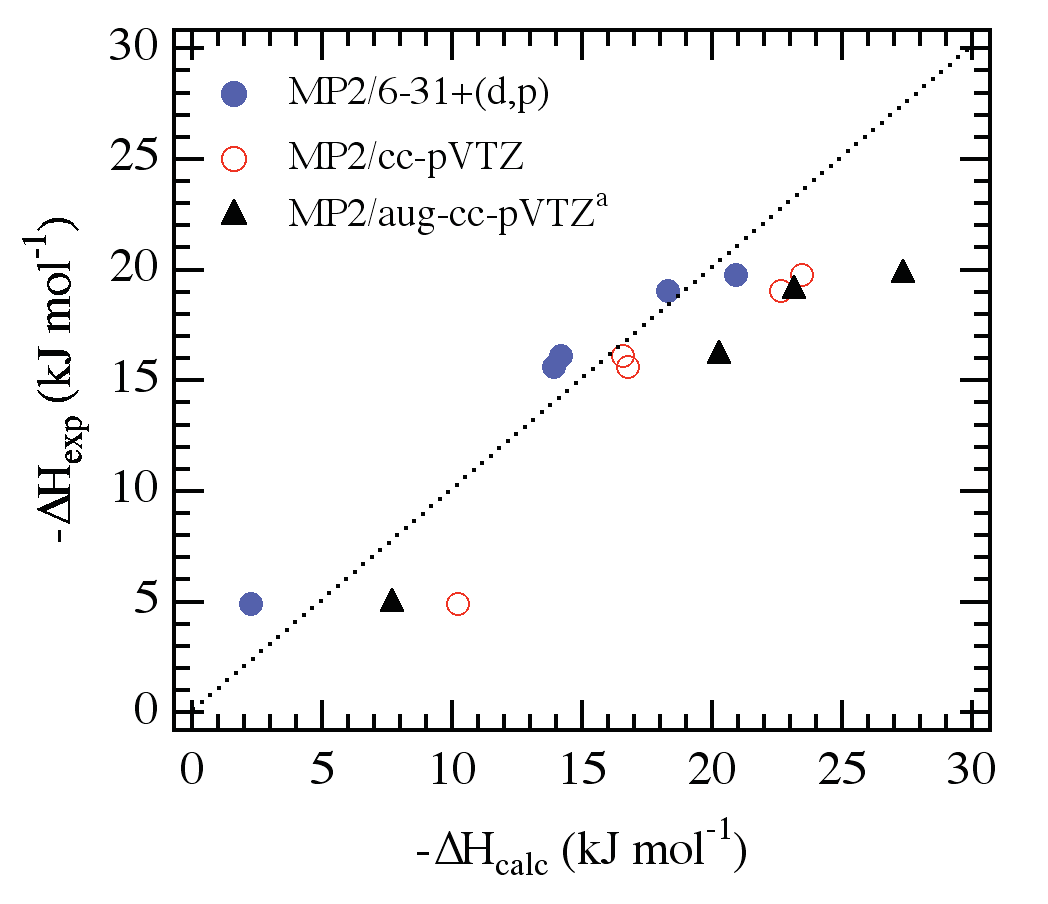
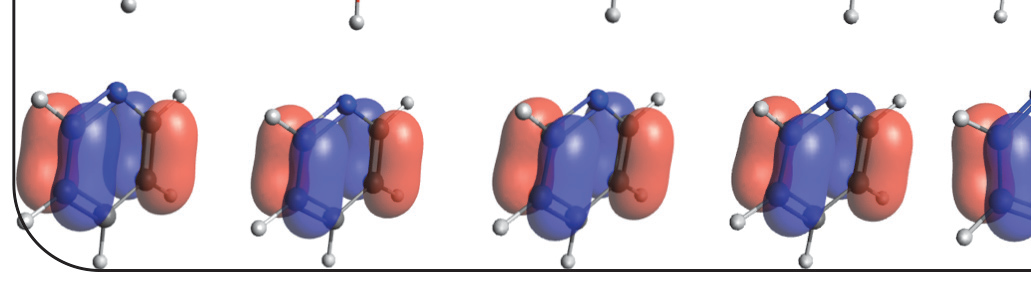
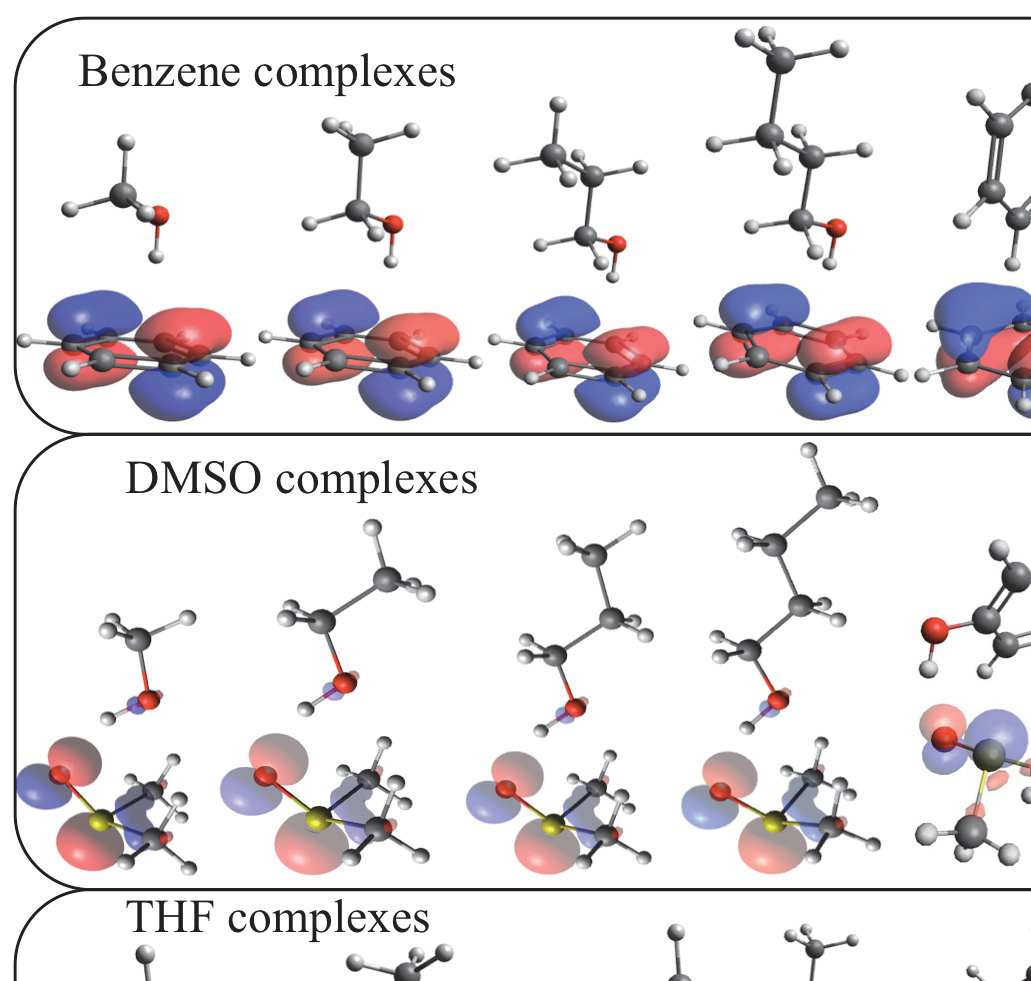
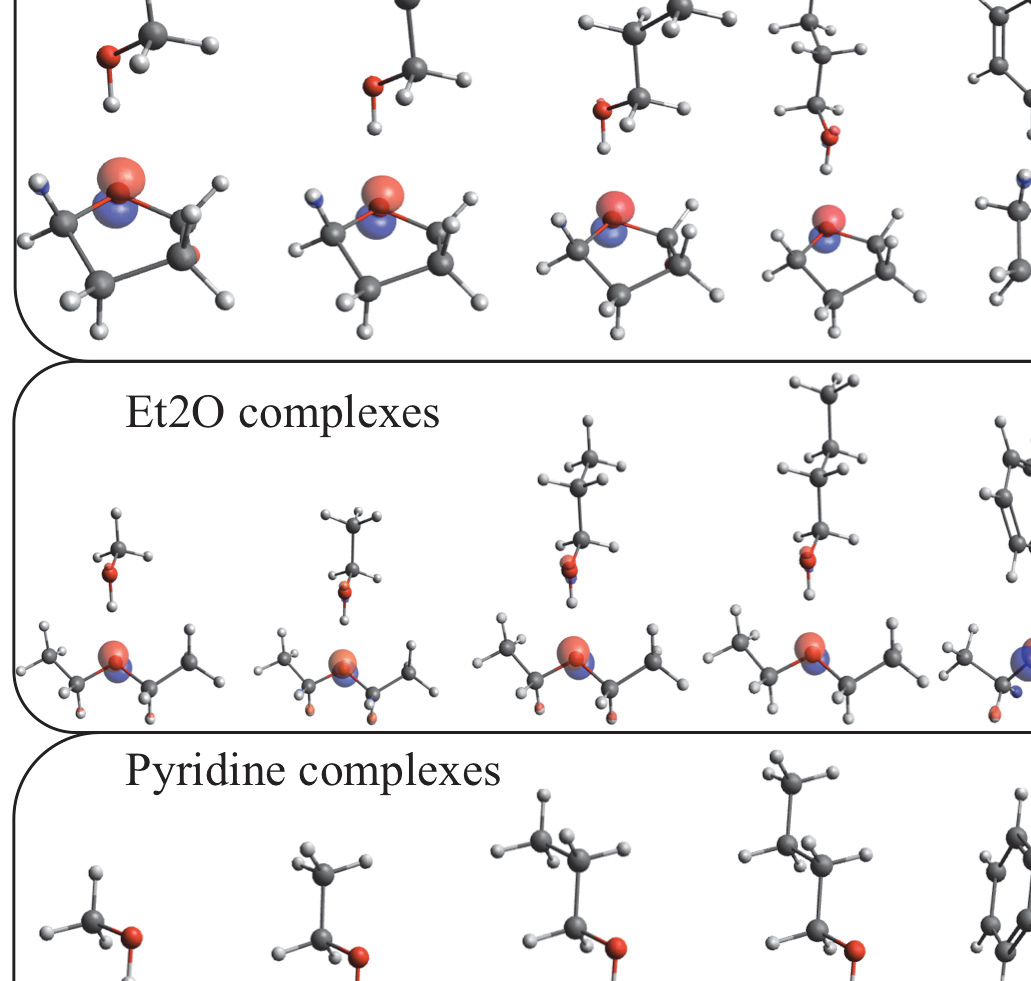
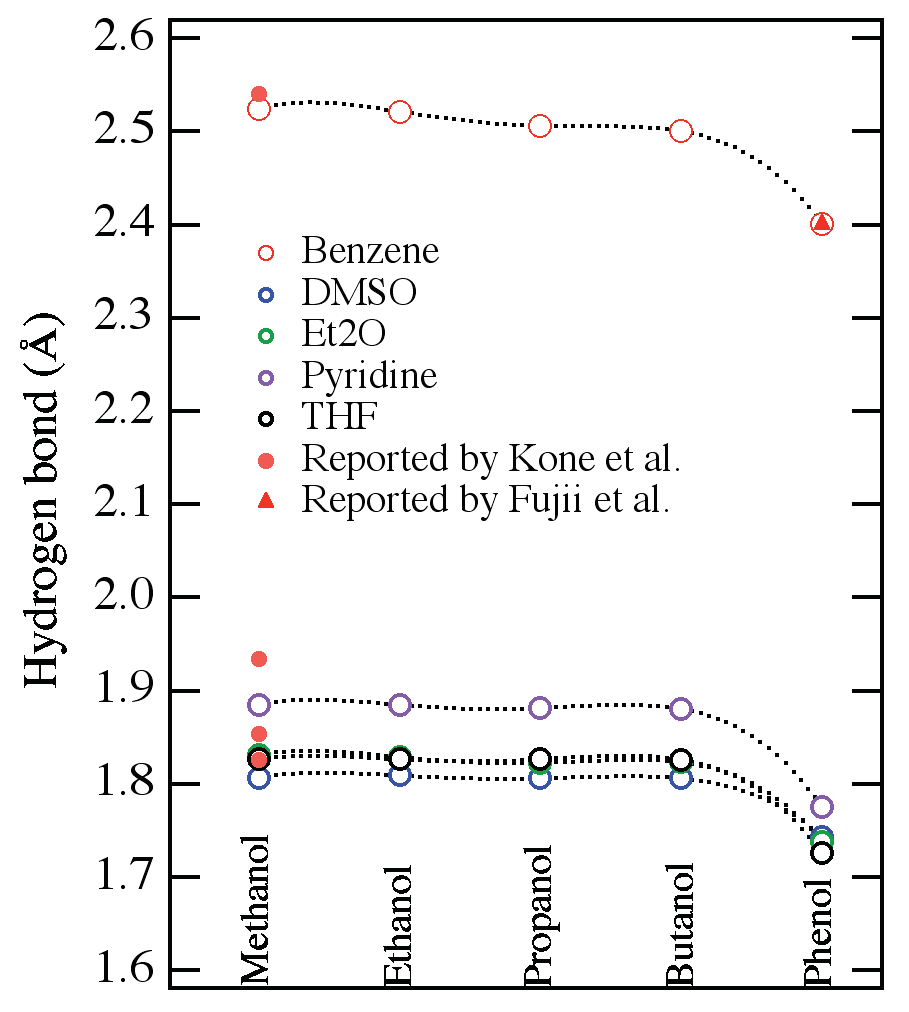
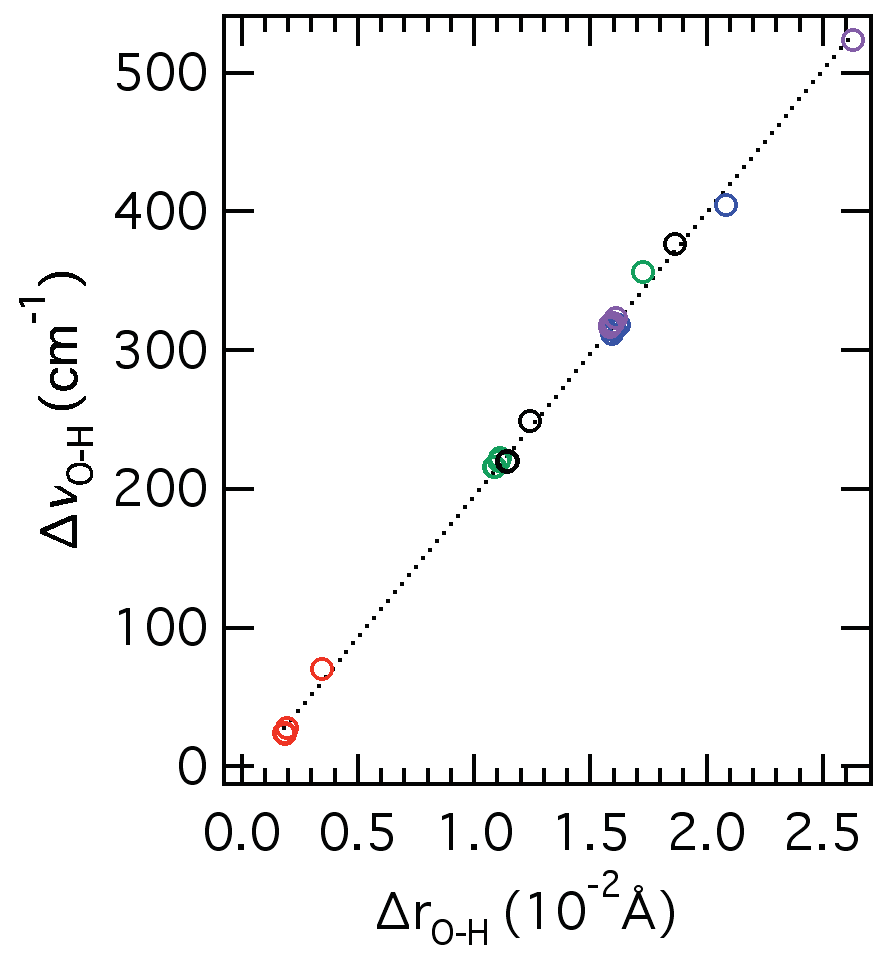
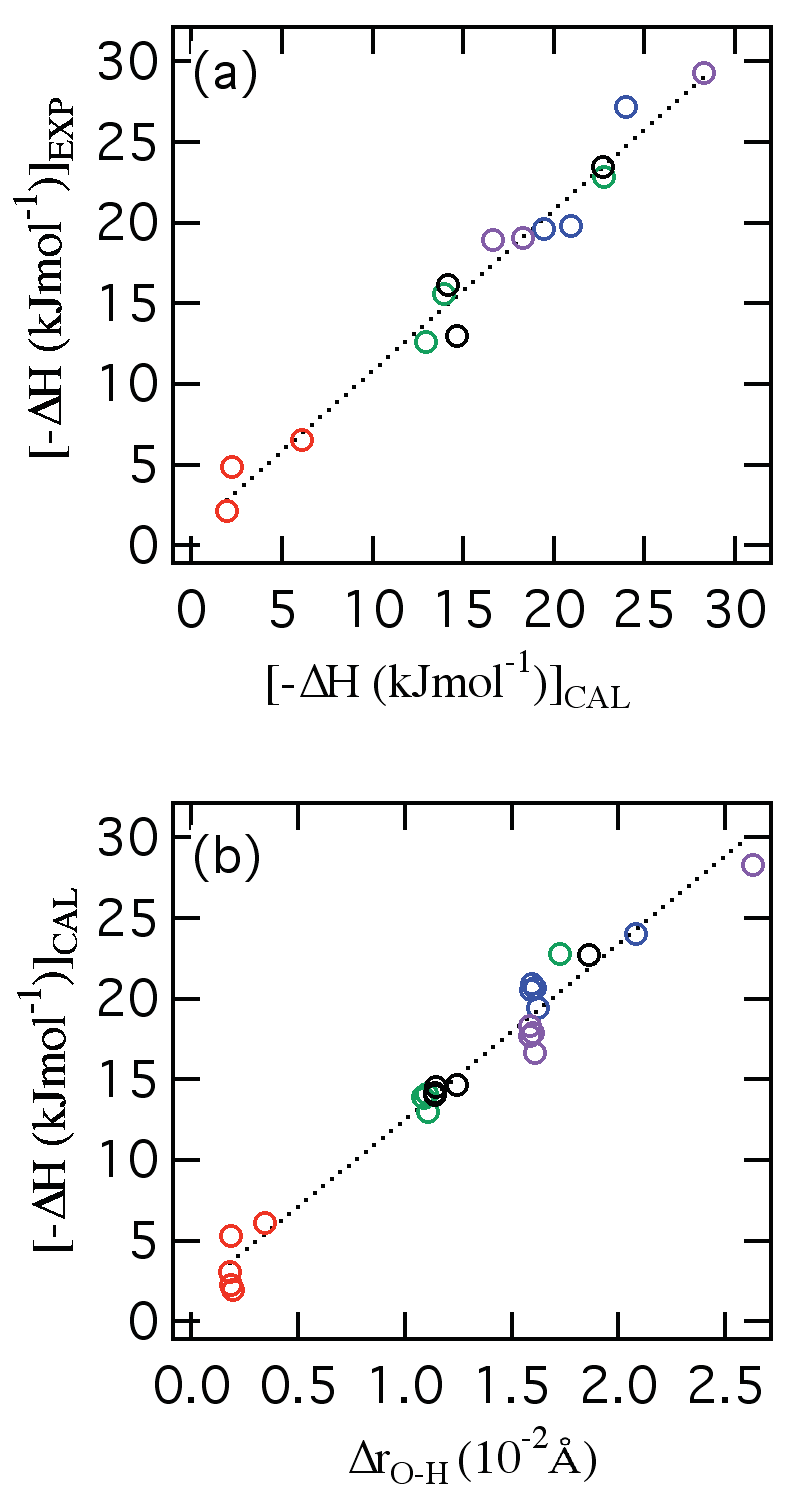
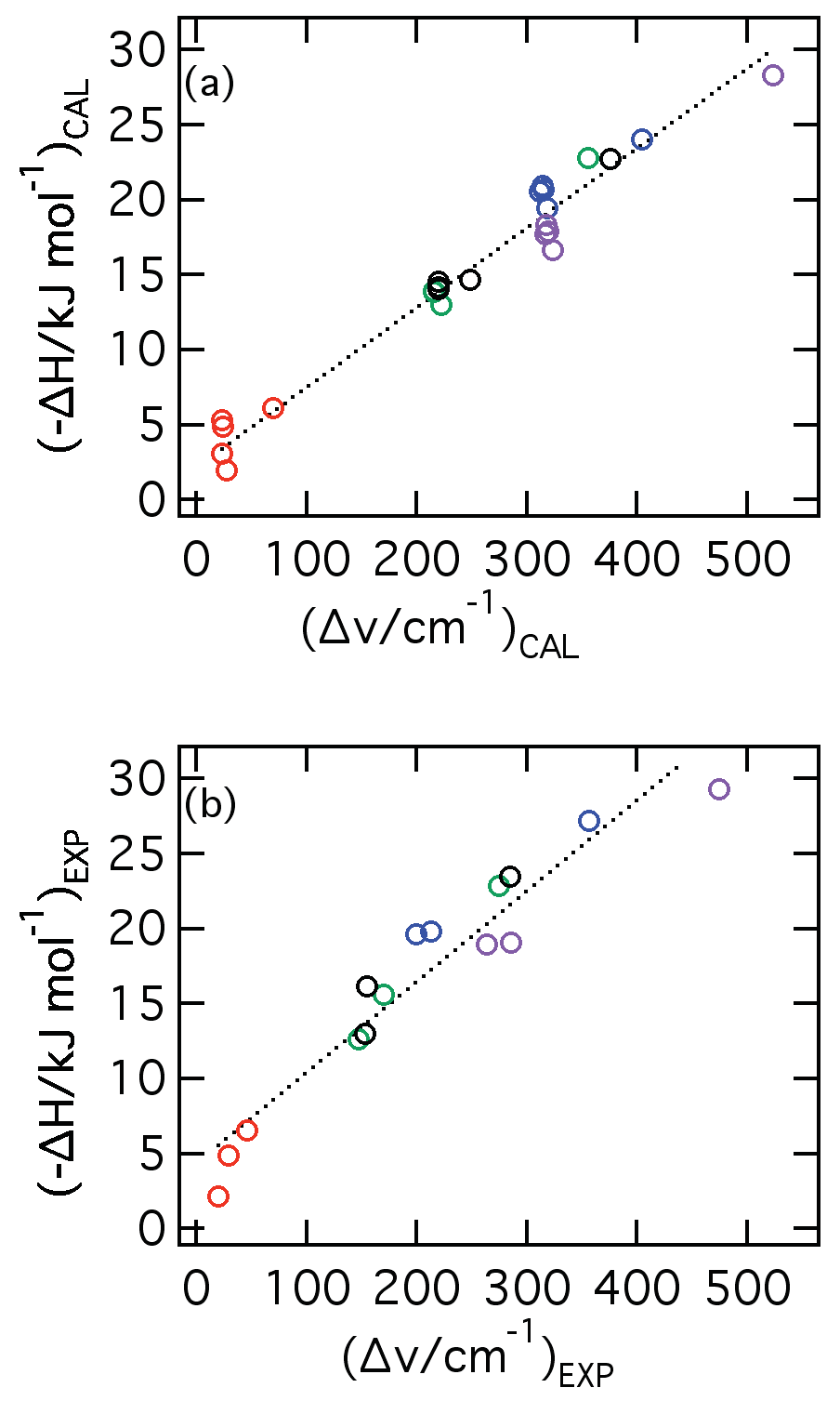
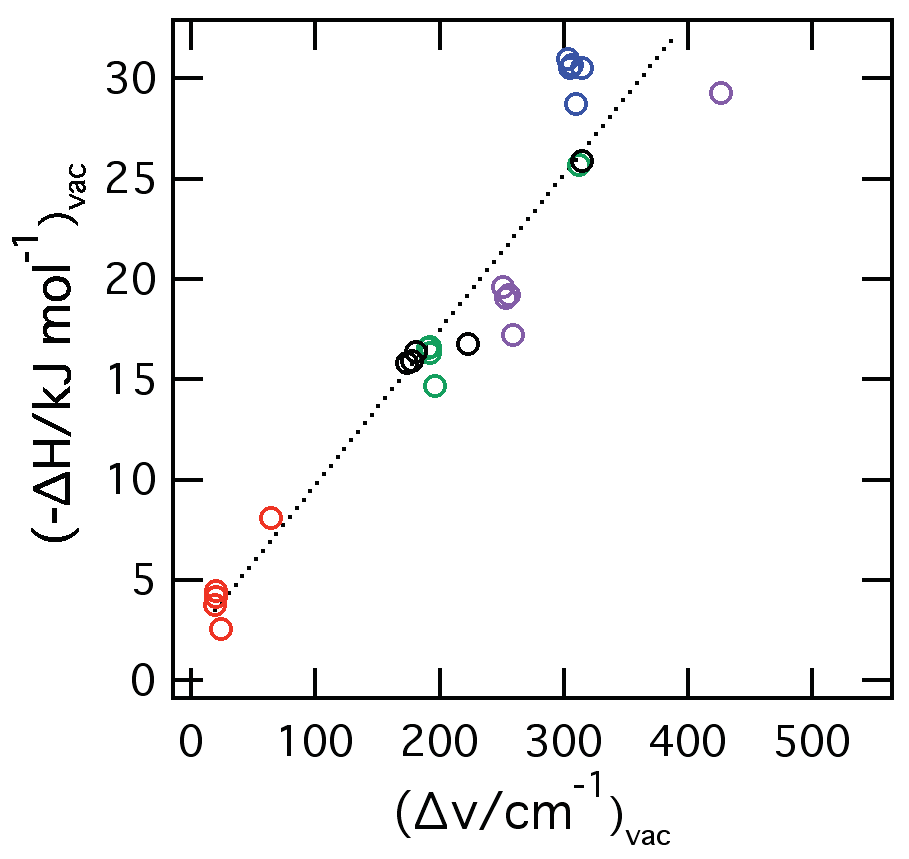
Understanding the acid-base interactions is important in chemistry, biology and material science as it helps to rationalize materials properties such as interfacial properties, wetting, adhesion and adsorption. Quantitative relation between changes in enthalpy (ΔH) and frequency shift (Δν) during the acid-base complexation is particularly important. We investigate ΔH and Δν of twenty-five complexes of acids (methanol, ethanol, propanol, butanol and phenol) with bases (benzene, pyridine, DMSO, Et2O and THF) in CCl4 using intermolecular perturbation theory calculations. ΔH and Δν of complexes of all alcohols with bases except benzene fall in the range from -14 kJ mol-1 to -30 kJ mol-1 and 215 cm-1 to 523 cm-1, respectively. Smaller values of ΔH (-2 kJ mol-1 to -6 kJ mol-1) and Δν (23 cm-1 to 70 cm-1) are estimated for benzene. Linear correlations are found between theoretical and experimental values of ΔH as well as Δν. For all the studied complexes, ΔH varies linearly (R2 ≥ 0.97) with Δν concurrent with the Badger–Bauer rule yielding the average slope and intercept of 0.053(± 0.002) kJ mol-1 cm and 2.15(± 0.56) kJ mol-1, respectively.